
De paus en de Dood — History & Facts
When did color learn to lie? In a world where vivid hues mask the truths of existence, beauty often wears a deceptive mask. Look to the center of the composition where a solemn Pope, adorned in resplendent robes, encounters the skeletal figure of Death. The stark contrast between the rich reds and golds of the Pope’s attire and the pallid, bony form of Death creates a powerful visual dialogue. The delicate line work showcasing intricate textures and patterns breathes life into the garments, while the stark simplicity of the skull amplifies the gravity of the encounter.
The muted background further intensifies the figures, guiding the viewer’s gaze directly to this poignant moment. Within this stark confrontation lies a wealth of meaning; the juxtaposition of grandeur and mortality encapsulates the eternal struggle between life and death. Hollar’s delicate engraving invites reflection on the fleeting nature of power and beauty, as the vibrant colors of the Pope’s vestments starkly remind us that even the highest of earthly honors are transitory. The almost ethereal quality of the Pope’s expression speaks to a deeper introspection, while the skeletal figure embodies the inescapable truth that all beauty must eventually succumb to decay. Wenceslaus Hollar created this work in 1651 during his time in London, having fled the upheaval of the Thirty Years' War on the continent.
As a printmaker renowned for his detailed engravings, Hollar was deeply influenced by both Baroque art and the shifting cultural landscapes of his era, which grappled with notions of mortality and the human condition. This piece reflects his ability to balance technical precision with profound thematic exploration, leaving a lasting impact on the art world.
More Artworks by Wenceslaus Hollar
Browse all →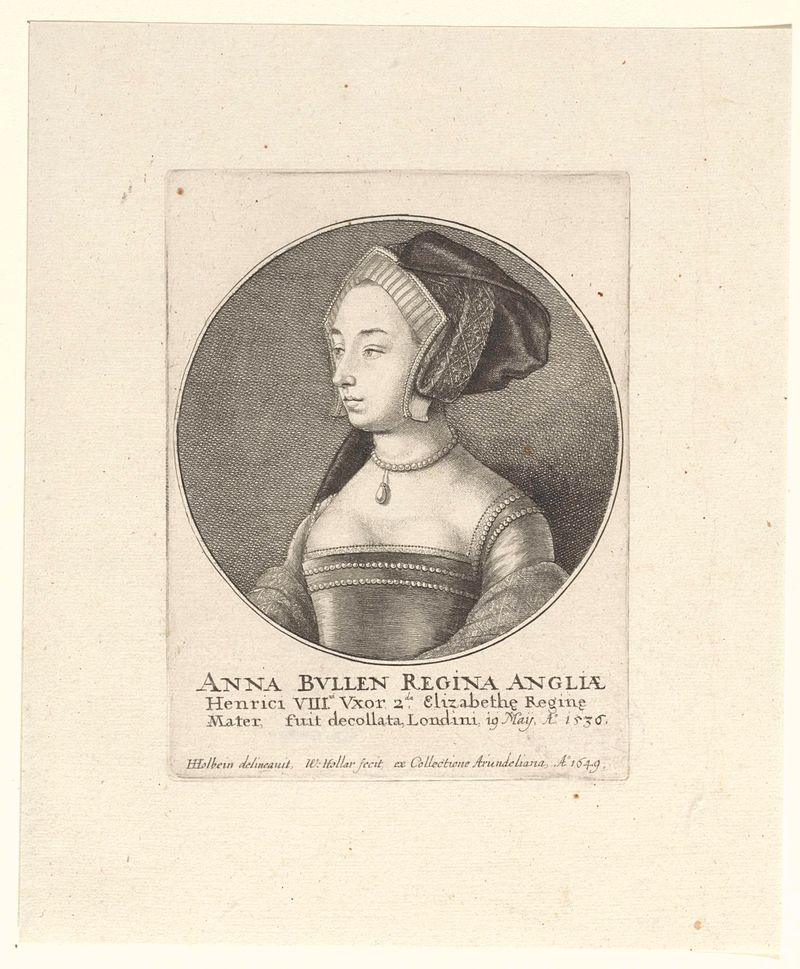
Portret van Anna Boleyn, koningin van Engeland
Wenceslaus Hollar
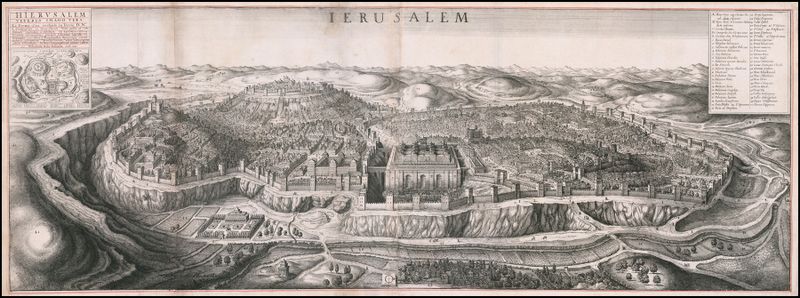
Bird’s eye view of Jerusalem
Wenceslaus Hollar
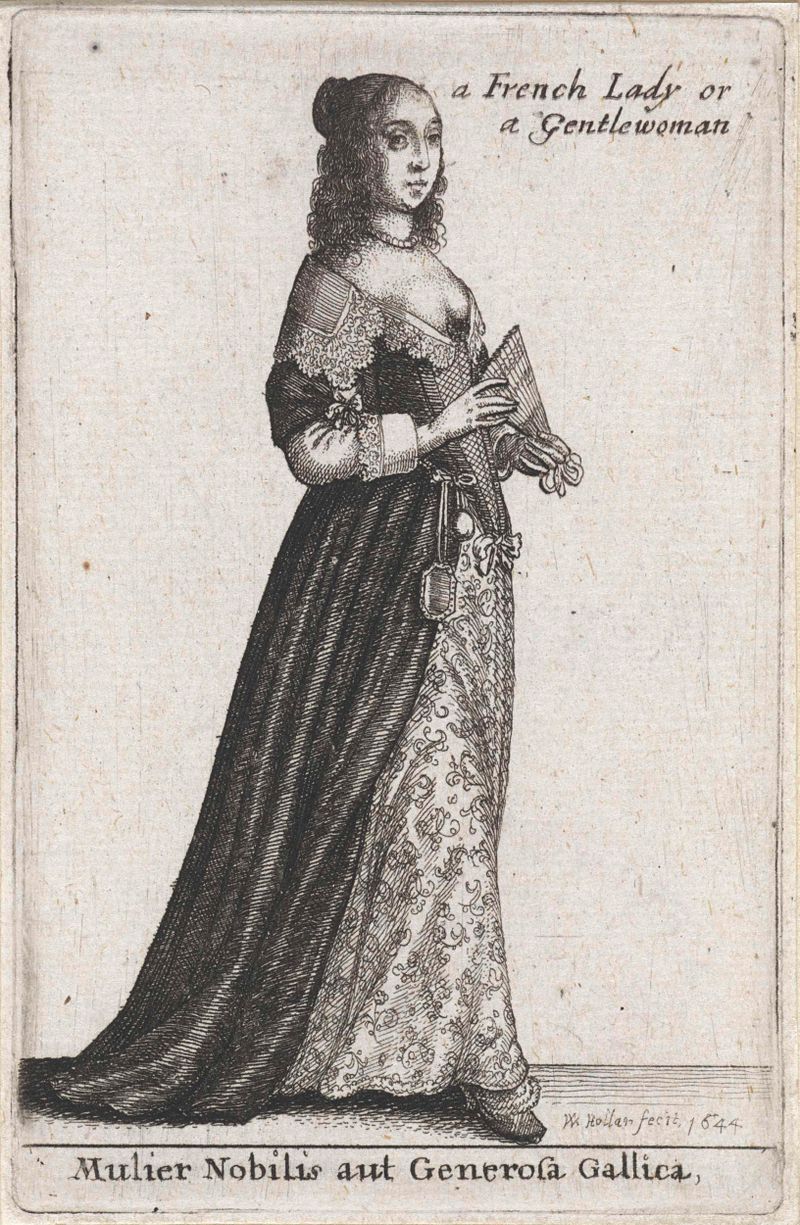
Mulier Nobilis aut Generosa Gallica / a French Lady or Gentlewoman
Wenceslaus Hollar
Titelprent voor: Ornatus Muliebris Anglicanus
Wenceslaus Hollar
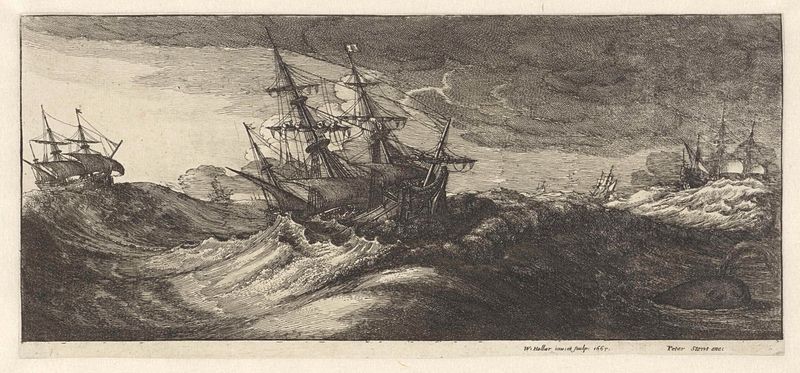
Oorlogsschepen en een walvis in een zeestorm
Wenceslaus Hollar
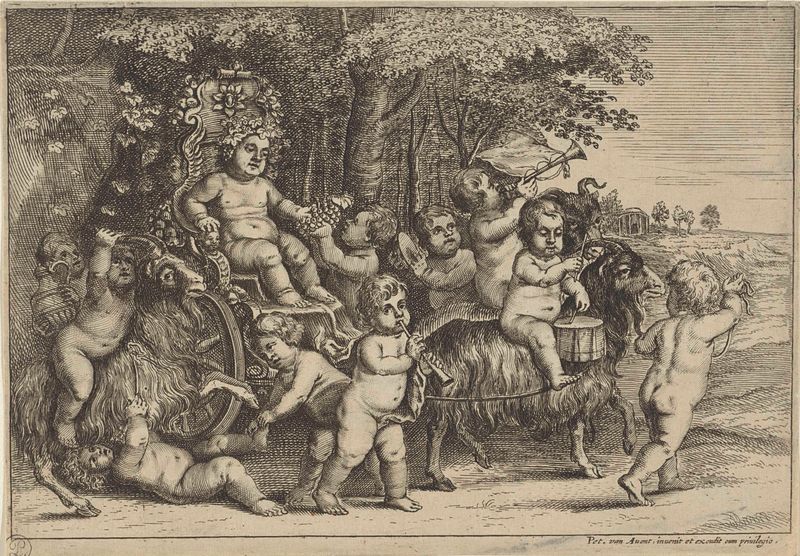
Optocht van bacchant en jongetjes op geiten
Wenceslaus Hollar
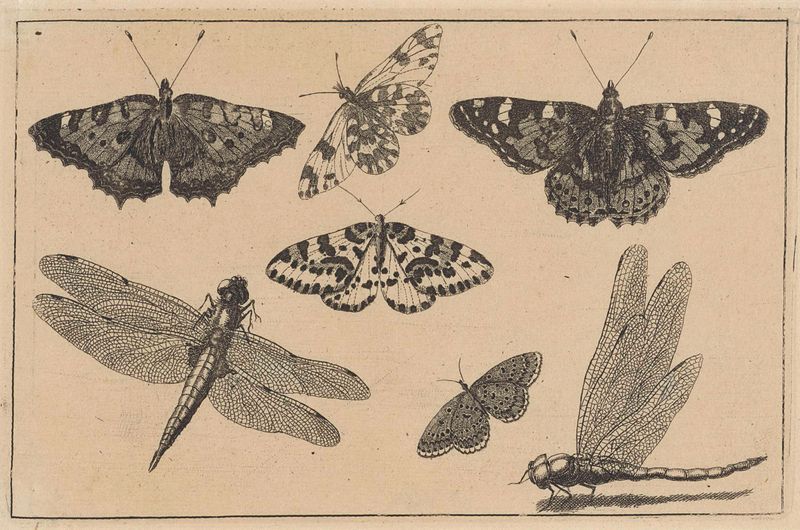
Twee libellen en vijf vlinders
Wenceslaus Hollar
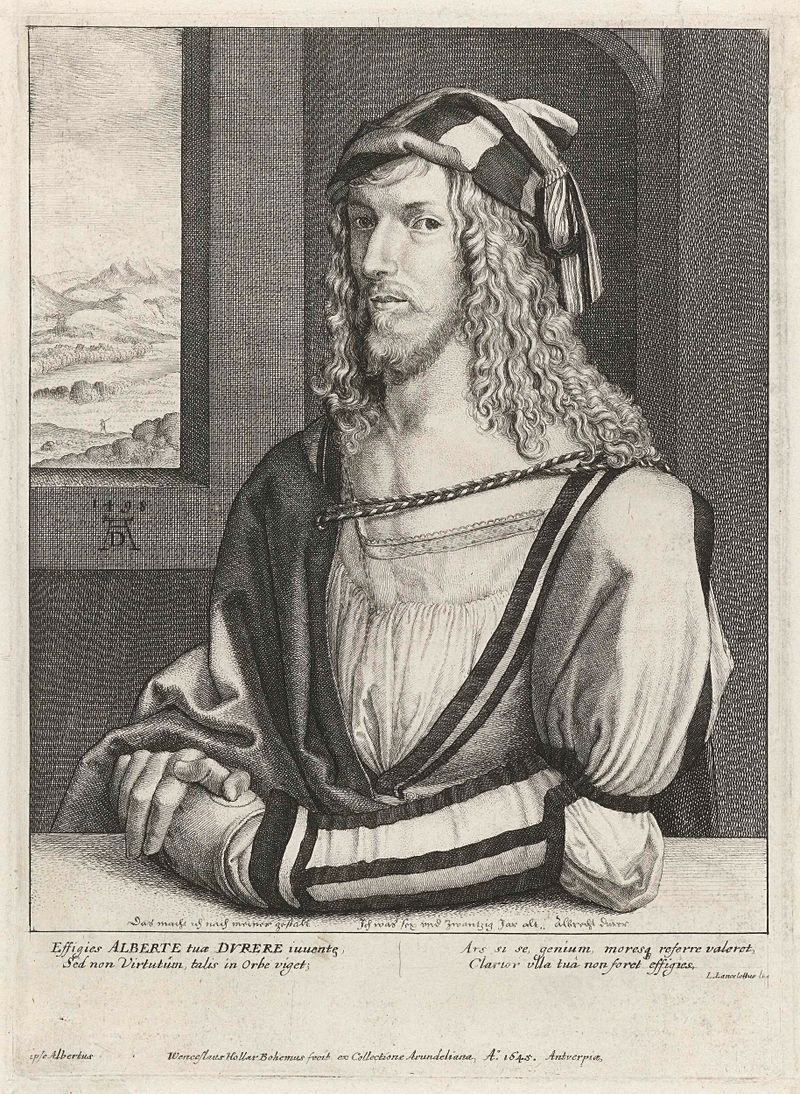
Portret van Albrecht Dürer
Wenceslaus Hollar
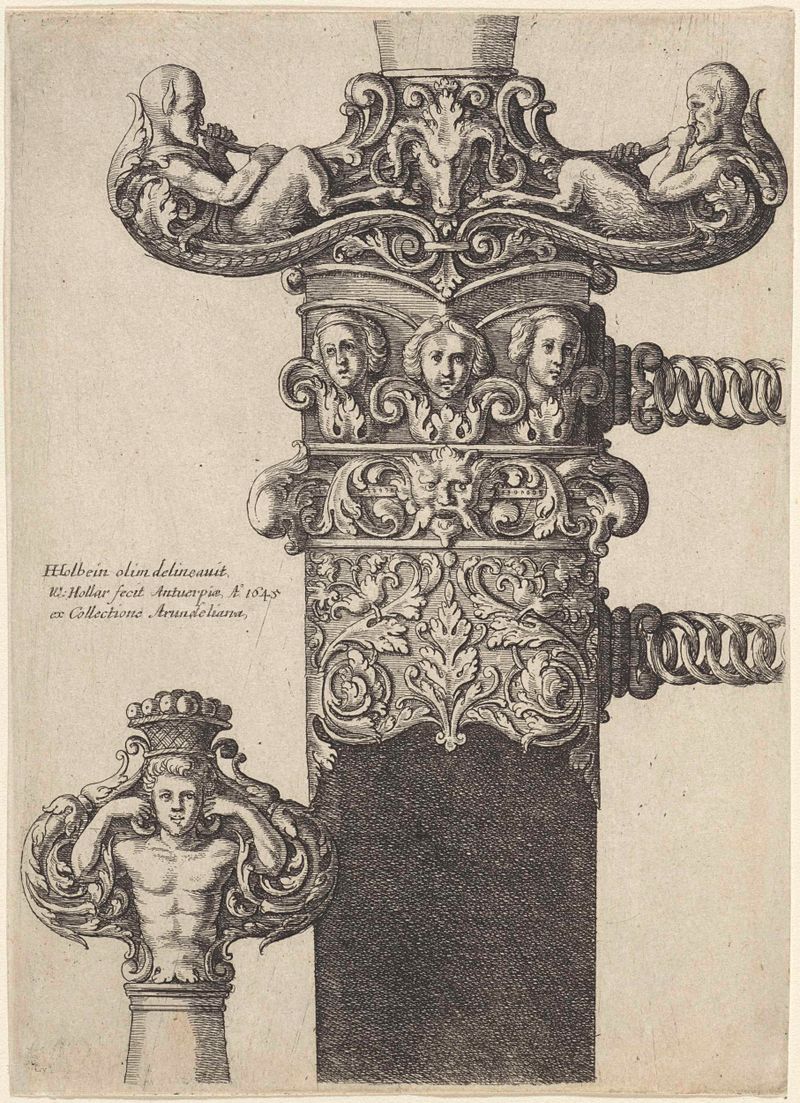
Ornamenteel ontwerp voor een dolk
Wenceslaus Hollar
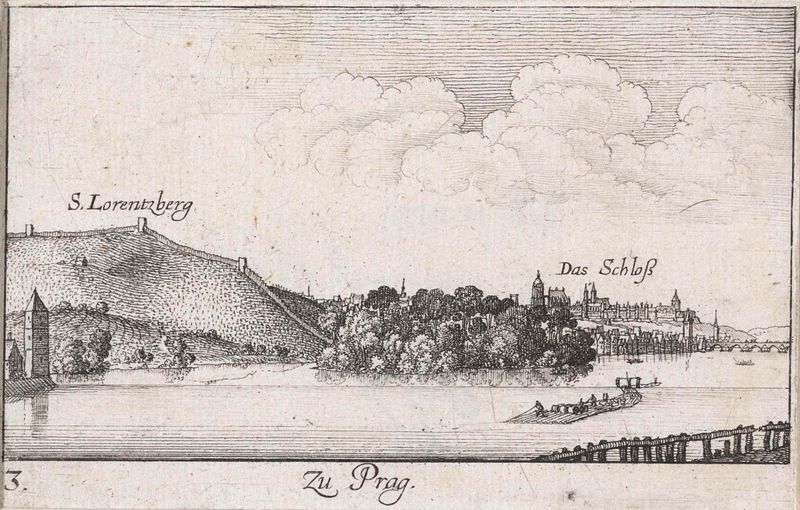
Gezicht op Praag vanaf de Moldau
Wenceslaus Hollar
More Religious Art
Browse all →
The Return of the Prodigal Son
Rembrandt van Rijn

The Garden of Earthly Delights
El Bosco

Count Orgaz’ funeral
El Greco

The Hundred Guilder Print: the central piece with Christ preaching, the plate arched
Rembrandt van Rijn

The Descent from the Cross
Rogier van der Weyden

The return of the prodigal son
Rembrandt van Rijn