
De predikant en de Dood — History & Facts
Is this a mirror — or a memory? In Wenceslaus Hollar’s De predikant en de Dood, the boundaries between life and the ethereal blur, evoking the haunting nature of a dream where reality intertwines with mortality. Focus on the central figure, the preacher, who stands poised with a solemn expression, reflecting a deep contemplation. Notice how the gentle light plays across his face, illuminating the lines of wisdom and sorrow etched upon it. The dark, shadowy presence of Death looms nearby, a stark contrast to the preacher's pale complexion, accentuating the tension between the vibrancy of life and the inevitable end. Delve deeper into the painting's emotional undercurrents.
The preacher’s gesture, one hand raised as if to ward off the encroaching figure of Death, captures a universal struggle against the transient nature of existence. The juxtaposition of the earthly and the spectral invites us to ponder the weight of mortality and the solace of faith. As the viewer, you may feel the gravity of this confrontation, where hope mingles with despair, creating a poignant dialogue within the confines of the canvas. In the late 1670s, Hollar was residing in England, far from his native Bohemia, grappling with the complexities of exile and identity.
During this period, the art world was shifting towards new expressions of realism and introspection, making his choice to address such profound themes all the more significant. This work reflects not just the artist’s preoccupations but also the broader philosophical inquiries of an era on the cusp of change.
More Artworks by Wenceslaus Hollar
Browse all →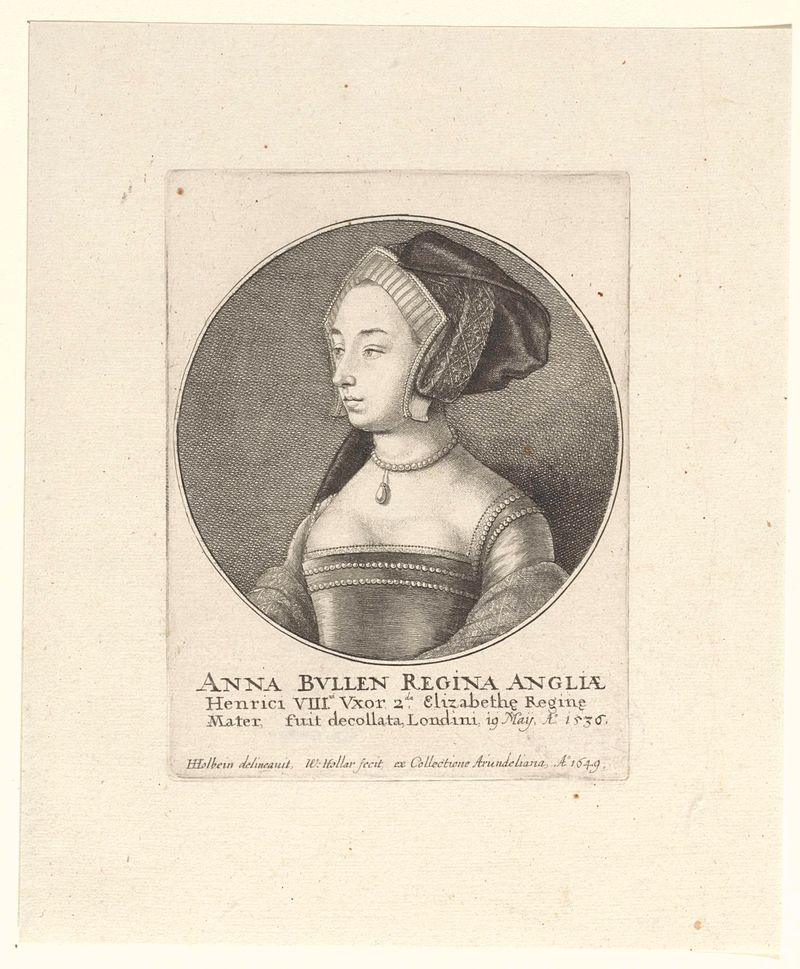
Portret van Anna Boleyn, koningin van Engeland
Wenceslaus Hollar
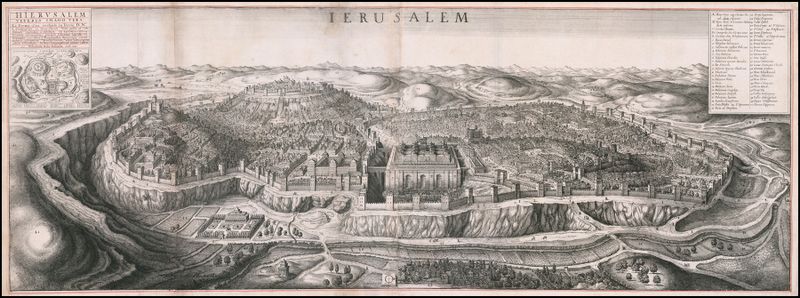
Bird’s eye view of Jerusalem
Wenceslaus Hollar
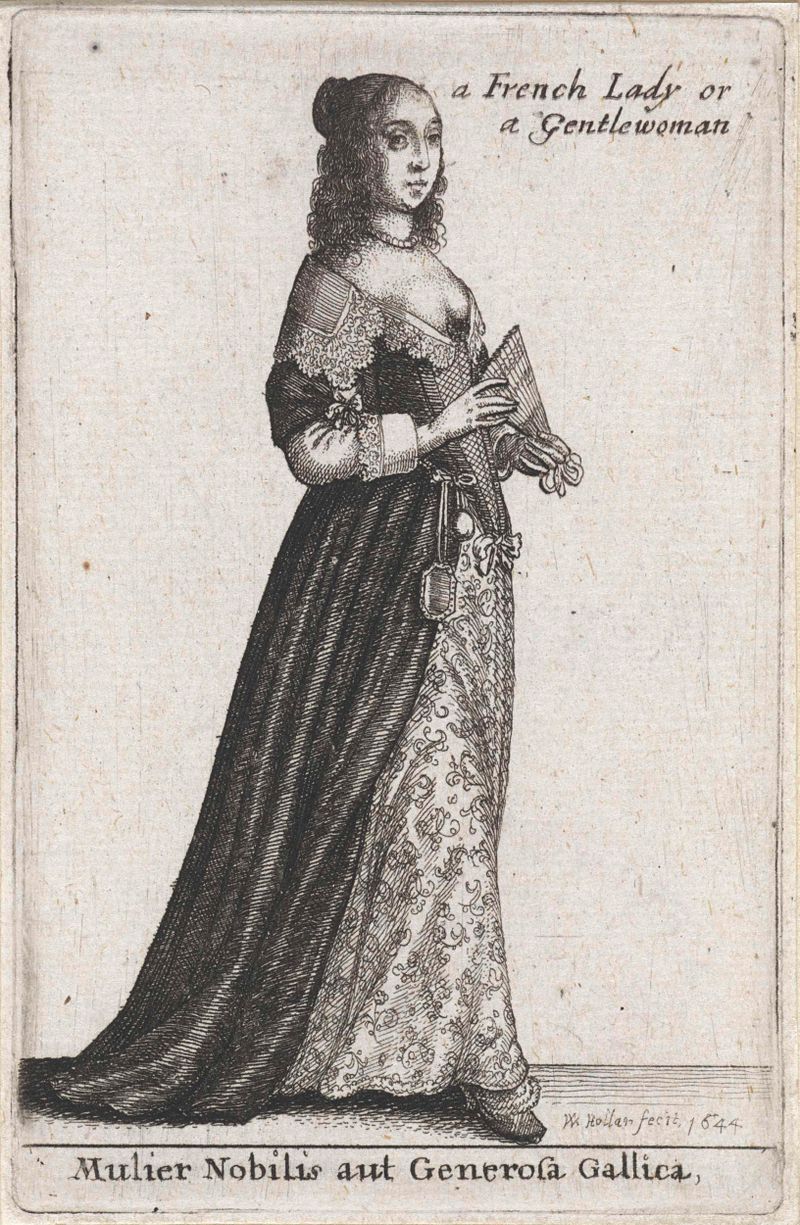
Mulier Nobilis aut Generosa Gallica / a French Lady or Gentlewoman
Wenceslaus Hollar
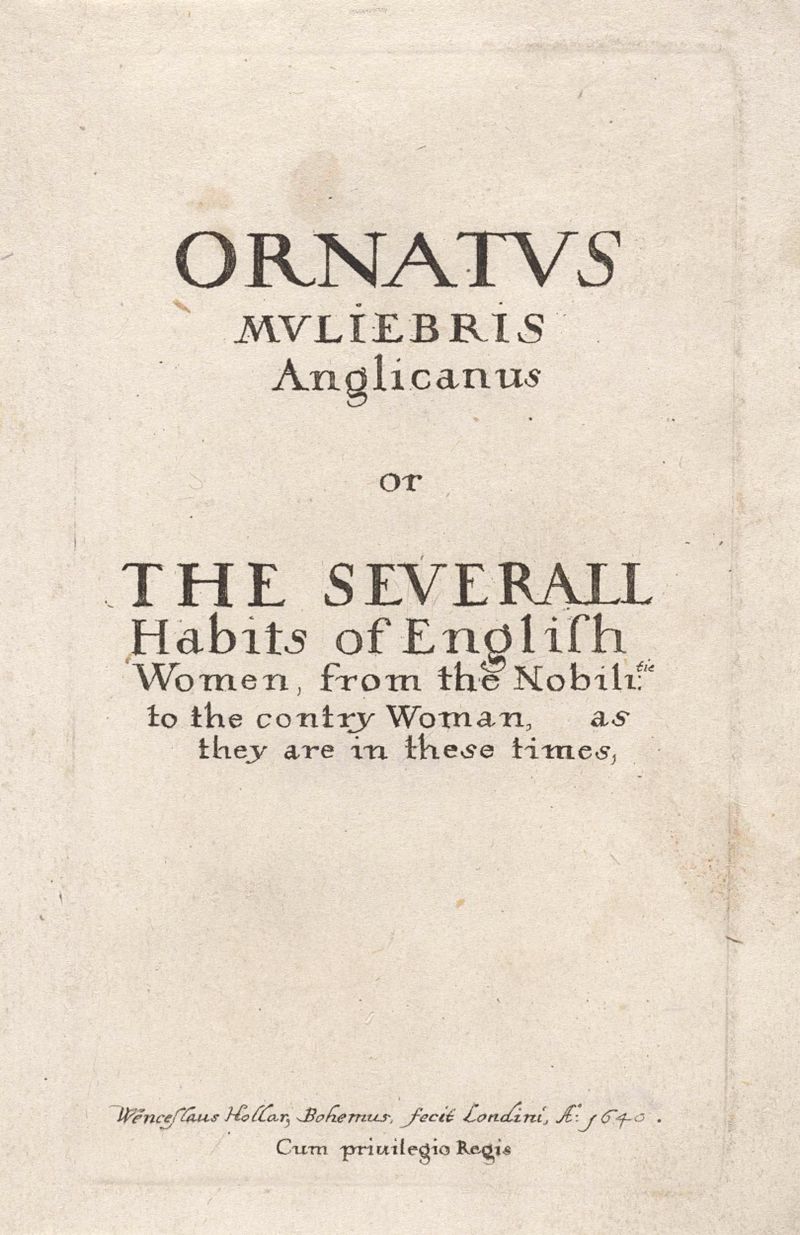
Titelprent voor: Ornatus Muliebris Anglicanus
Wenceslaus Hollar
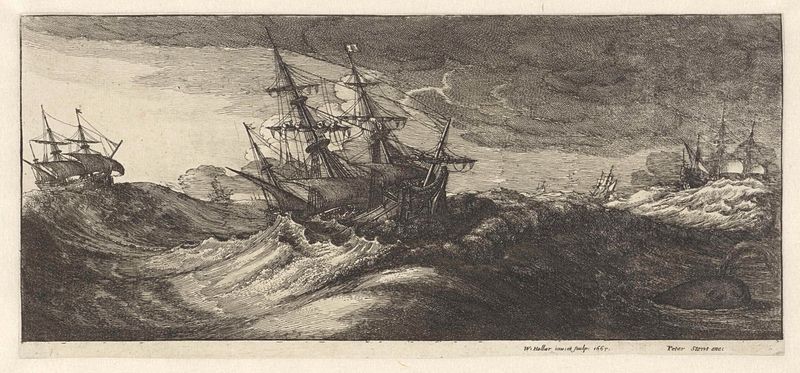
Oorlogsschepen en een walvis in een zeestorm
Wenceslaus Hollar
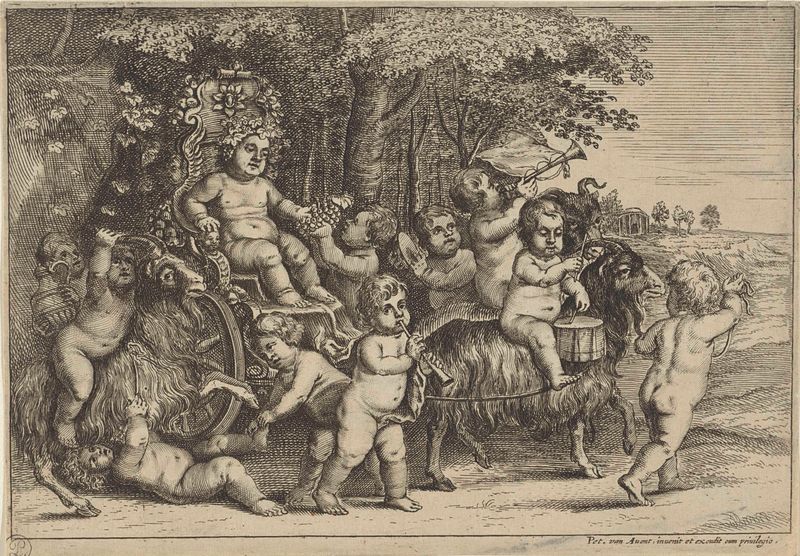
Optocht van bacchant en jongetjes op geiten
Wenceslaus Hollar
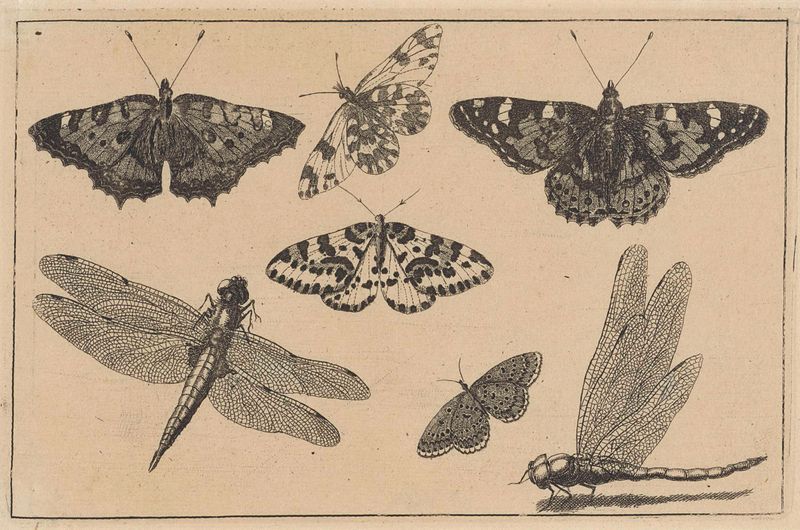
Twee libellen en vijf vlinders
Wenceslaus Hollar
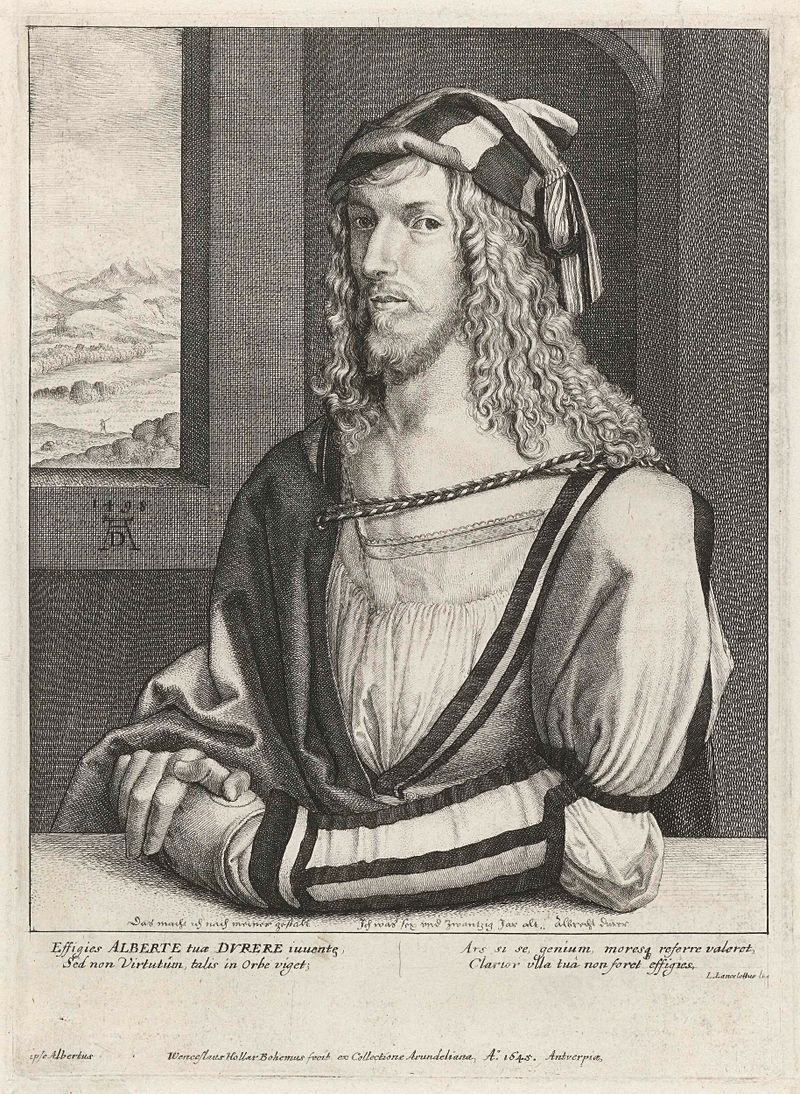
Portret van Albrecht Dürer
Wenceslaus Hollar
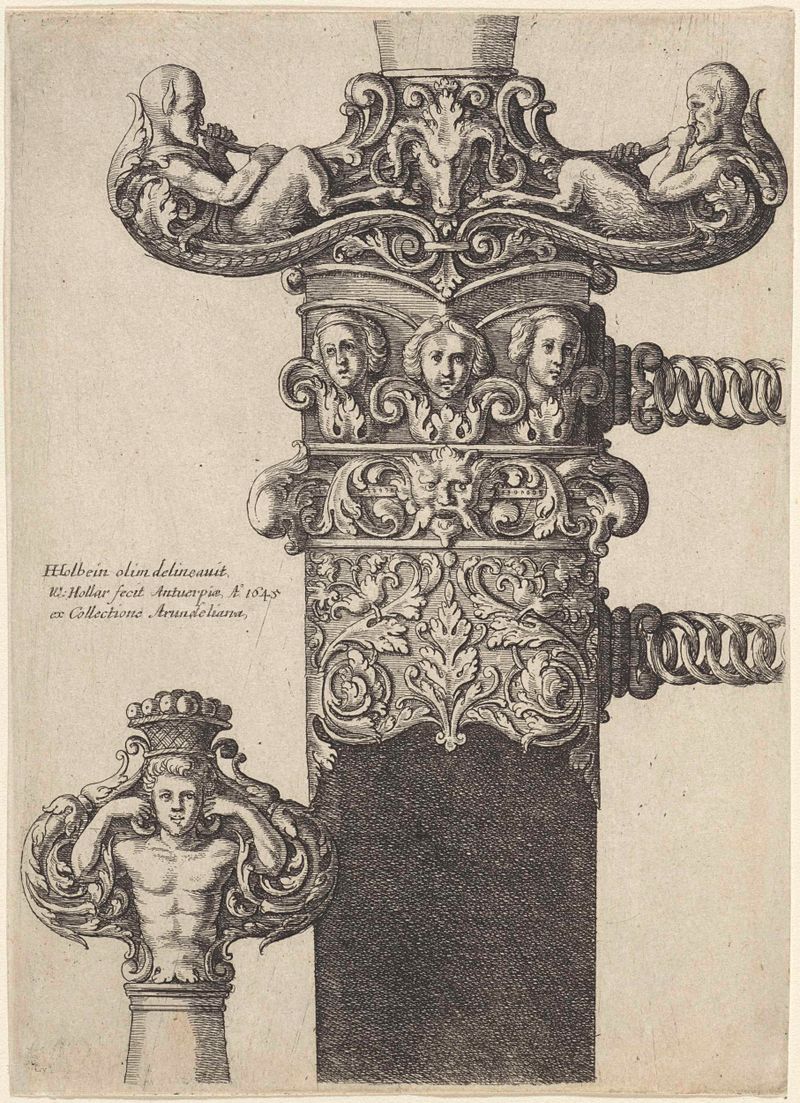
Ornamenteel ontwerp voor een dolk
Wenceslaus Hollar
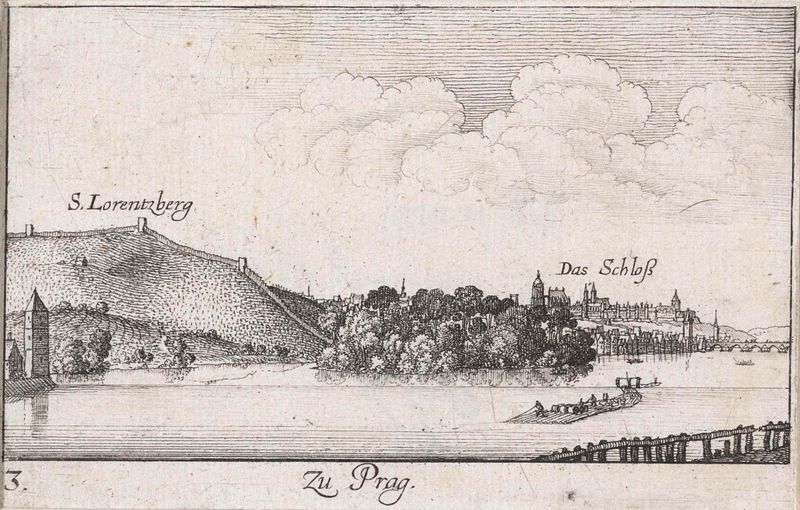
Gezicht op Praag vanaf de Moldau
Wenceslaus Hollar
More Religious Art
Browse all →
The Return of the Prodigal Son
Rembrandt van Rijn

The Garden of Earthly Delights
El Bosco

Count Orgaz’ funeral
El Greco

The Hundred Guilder Print: the central piece with Christ preaching, the plate arched
Rembrandt van Rijn

The Descent from the Cross
Rogier van der Weyden

The return of the prodigal son
Rembrandt van Rijn