
De predikant en de Dood — History & Facts
Mortality weaves through the fabric of existence, an eternal partner in the dance of life and death. In the grip of this duality, we find ourselves caught between fleeting moments of joy and the looming shadow of our inevitable end. Look closely at the intricate details in the etching. The stern figure of the preacher stands at the center, a symbol of authority and introspection, while the skeletal representation of Death lurks nearby, an ever-present reminder of our fragility.
Notice the contrast of their postures; the preacher is upright and resolute, while the skeletal figure bends, almost languidly, toward him. The chiaroscuro effect amplifies the drama—darkness envelops the skeletal form, yet light caresses the preacher, highlighting his grave expression and the weight of his responsibility. Delving deeper, the interplay of elements reveals complex emotional tensions. The preacher’s gaze, piercing yet contemplative, invites us to grapple with the inevitable questions of existence: What does it mean to live? How does one reconcile faith with the certainty of death? The mere presence of the skeleton calls into question the value of earthly pursuits in the face of mortality, suggesting a poignant contrast between spiritual duty and the physical reality of life’s end. In 1651, Wenceslaus Hollar created this striking etching amid a period marked by both personal and societal turbulence.
Living in the aftermath of the Thirty Years' War, Hollar's experiences informed his art, reflecting on themes of transience and existential struggle. Engaging with the works of his contemporaries, he sought to capture the human condition's complexities, intertwining beauty, despair, and the ever-looming specter of death.
More Artworks by Wenceslaus Hollar
Browse all →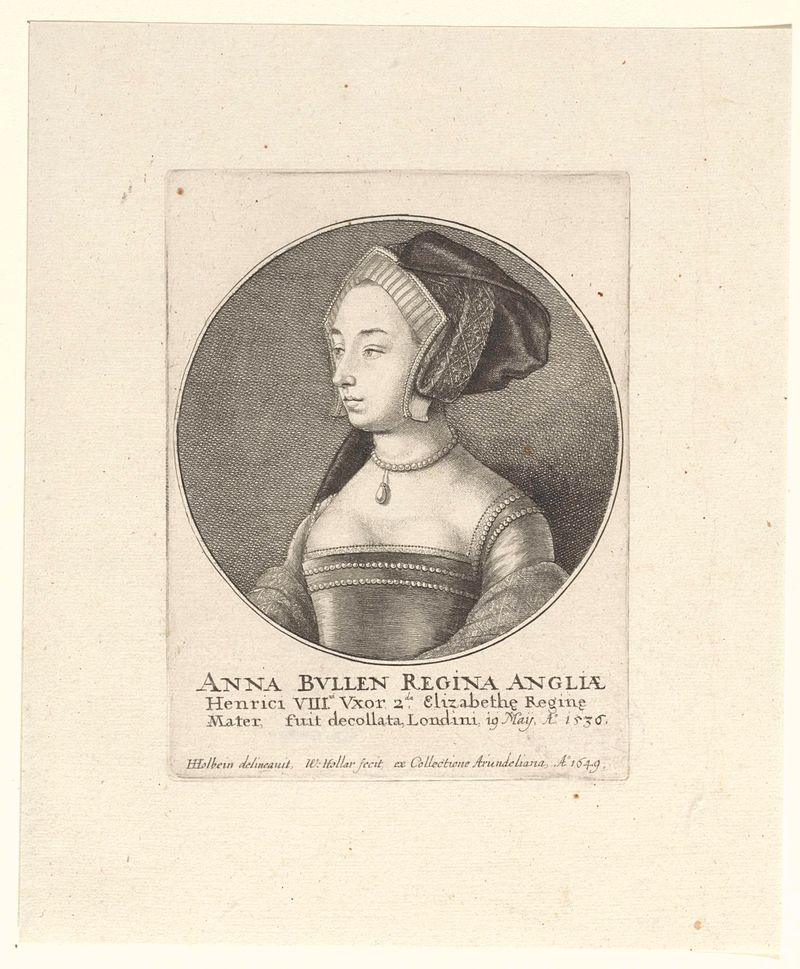
Portret van Anna Boleyn, koningin van Engeland
Wenceslaus Hollar
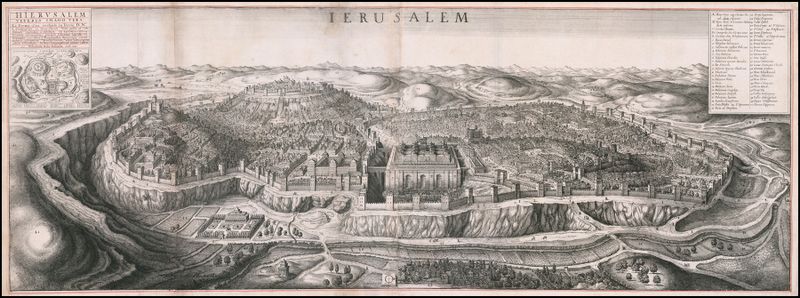
Bird’s eye view of Jerusalem
Wenceslaus Hollar
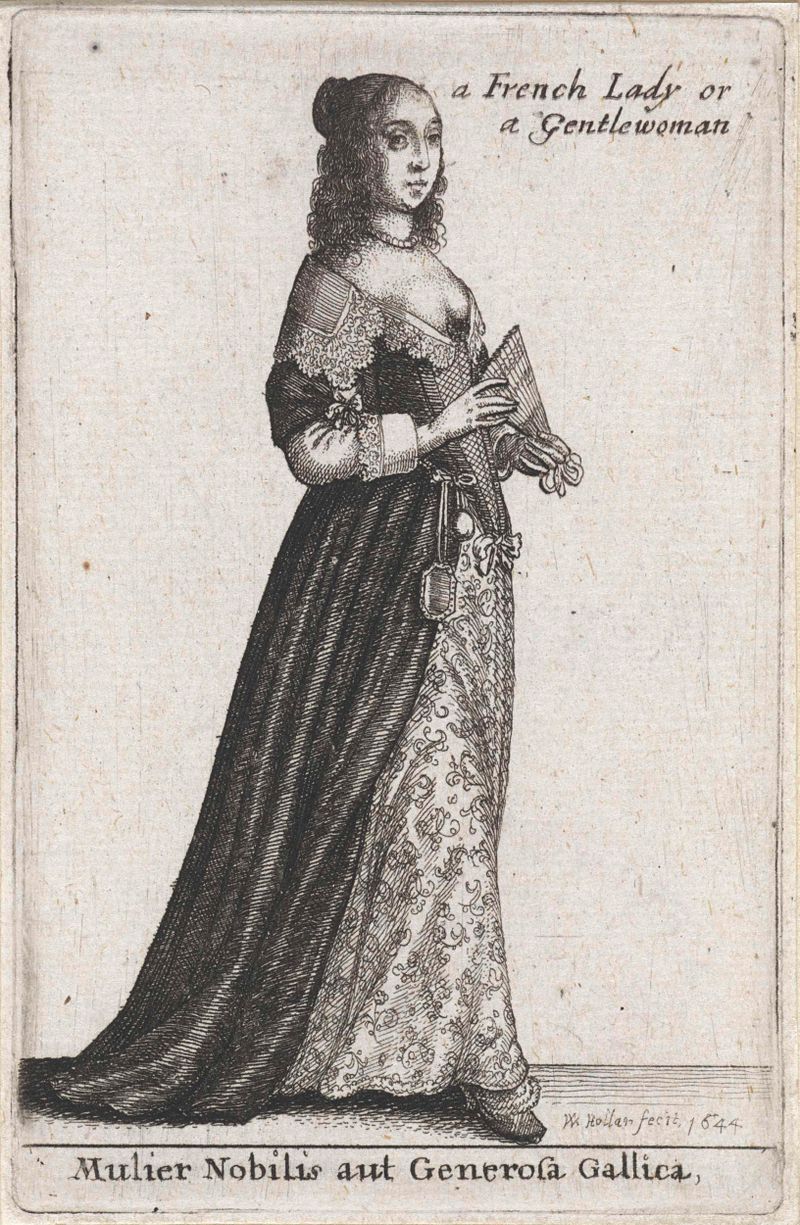
Mulier Nobilis aut Generosa Gallica / a French Lady or Gentlewoman
Wenceslaus Hollar
Titelprent voor: Ornatus Muliebris Anglicanus
Wenceslaus Hollar
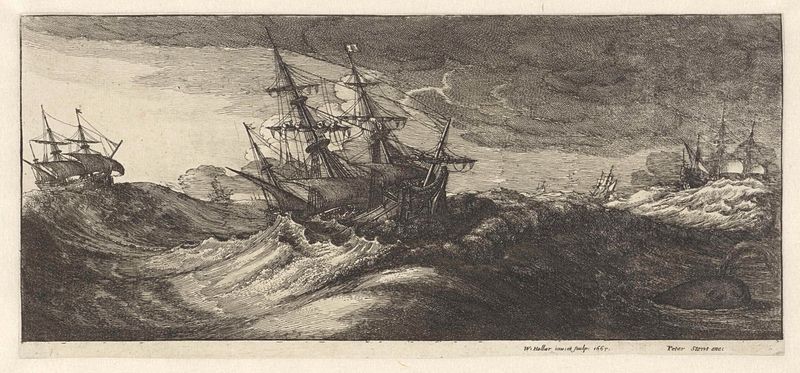
Oorlogsschepen en een walvis in een zeestorm
Wenceslaus Hollar
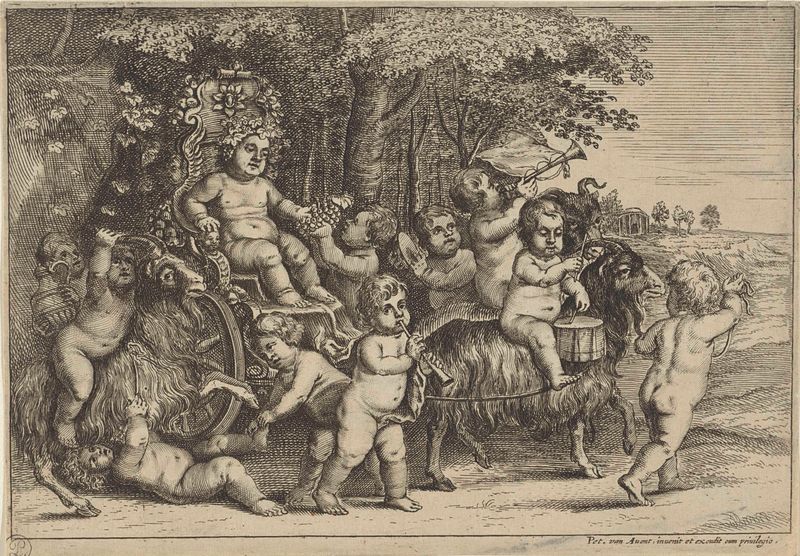
Optocht van bacchant en jongetjes op geiten
Wenceslaus Hollar
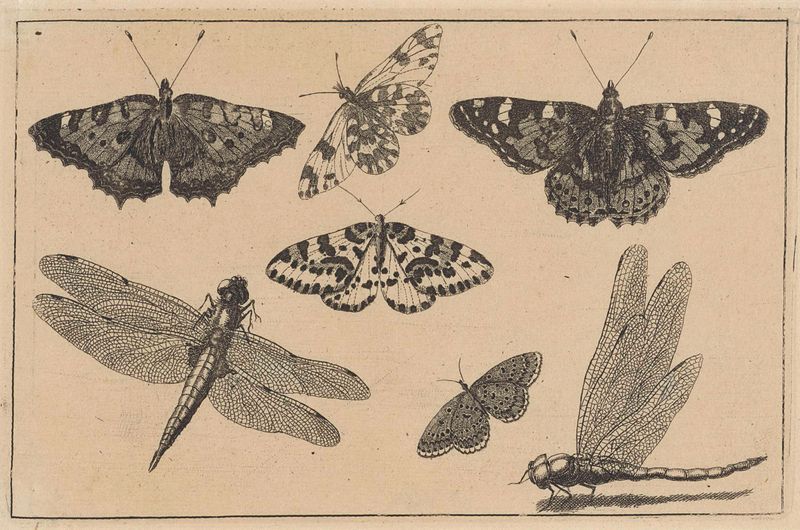
Twee libellen en vijf vlinders
Wenceslaus Hollar
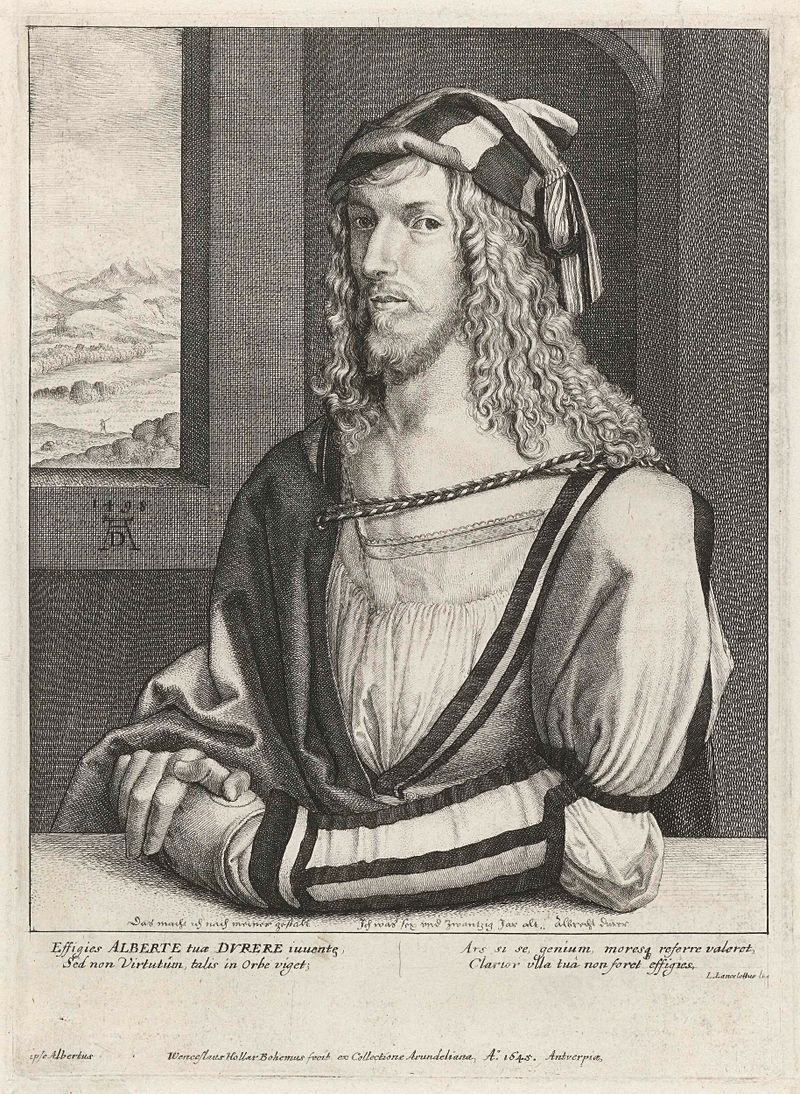
Portret van Albrecht Dürer
Wenceslaus Hollar
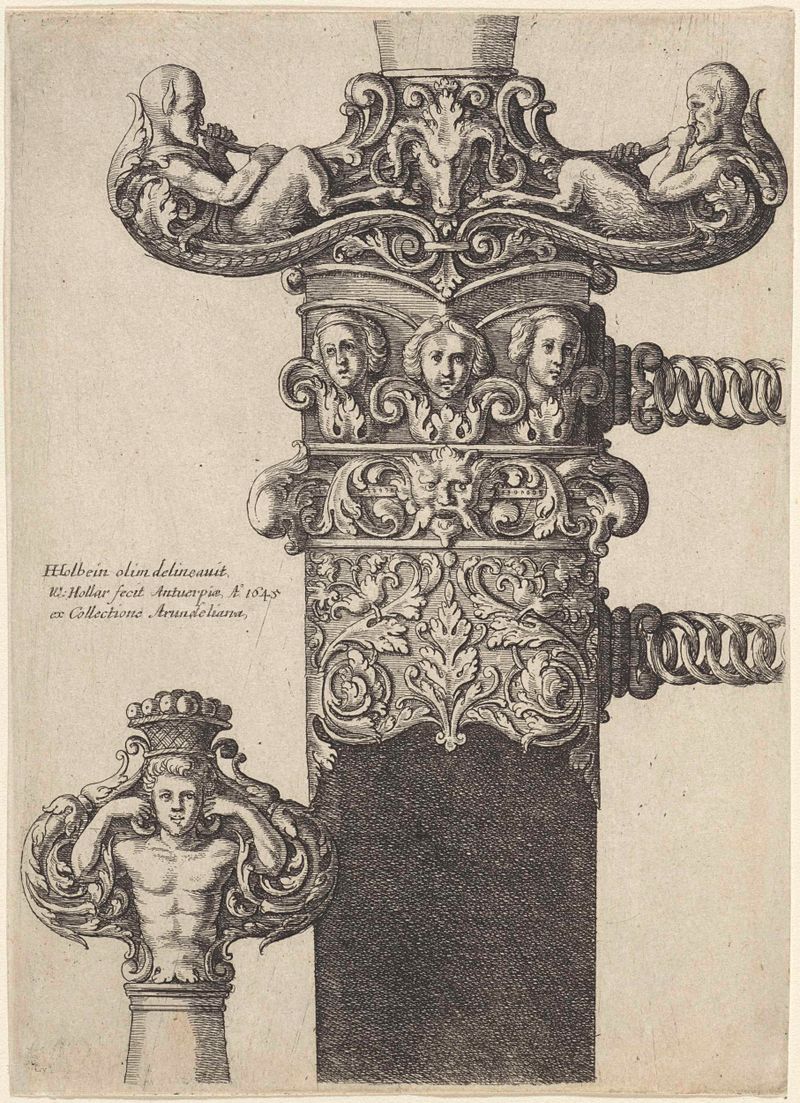
Ornamenteel ontwerp voor een dolk
Wenceslaus Hollar
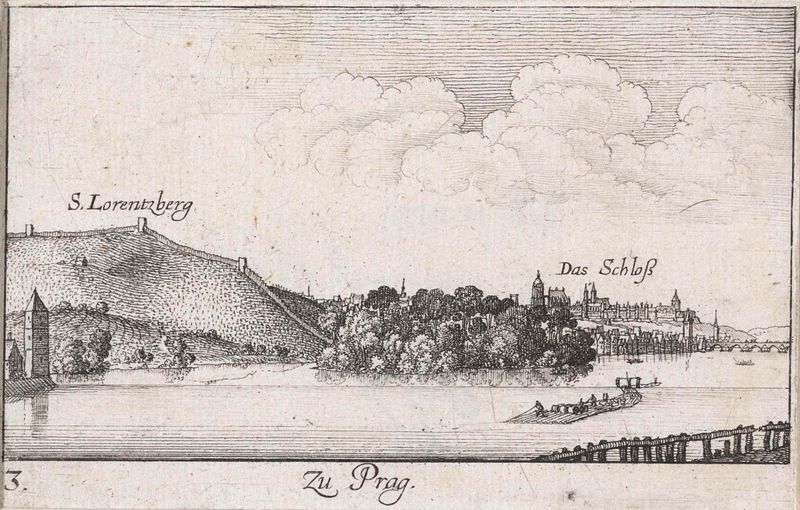
Gezicht op Praag vanaf de Moldau
Wenceslaus Hollar
More Religious Art
Browse all →
The Return of the Prodigal Son
Rembrandt van Rijn

The Garden of Earthly Delights
El Bosco

Count Orgaz’ funeral
El Greco

The Hundred Guilder Print: the central piece with Christ preaching, the plate arched
Rembrandt van Rijn

The Descent from the Cross
Rogier van der Weyden

The return of the prodigal son
Rembrandt van Rijn