
De roeping van Zacheüs — History & Facts
Can beauty exist without sorrow? In the intricate layers of De roeping van Zacheüs, we find a poignant exploration of spiritual awakening, intertwined with the weight of inner turmoil. Look to the left at the figure of Zacheüs, his posture a delicate balance between anxiety and hope. The rich, jewel-toned colors envelop him, immersing the viewer in a world where divine light streams down, illuminating the moment of his profound revelation. Notice how the artist masterfully employs chiaroscuro — the stark contrasts of light and shadow — to enhance the emotional depth of the scene.
The golden halo surrounding the central figure draws our eyes, framing the narrative of transformation amidst the surrounding darkness. Beneath the surface, a wealth of meaning emerges. Zacheüs, often viewed as a symbol of redemption, reflects a universal struggle: the longing for reconciliation and acceptance. His small stature, often depicted in art, mirrors a feeling of insignificance when faced with divine grace.
The town’s onlookers, their expressions ranging from skepticism to curiosity, underscore the tension between human judgment and spiritual awakening, encapsulating the duality of ecstasy and despair inherent in moments of revelation. Painted between 1485 and 1491, this work reflects a time in the artist’s life marked by exploration of humanism and religious themes. Working in Antwerp, he created this piece amidst a rising interest in narrative art, where the intricacies of daily life began to merge with the sacred. As the world around him evolved, the artist captured a transformative moment, inviting viewers to contemplate their own journeys of awakening and redemption.
More Artworks by Meester van Antwerpen (I)
Browse all →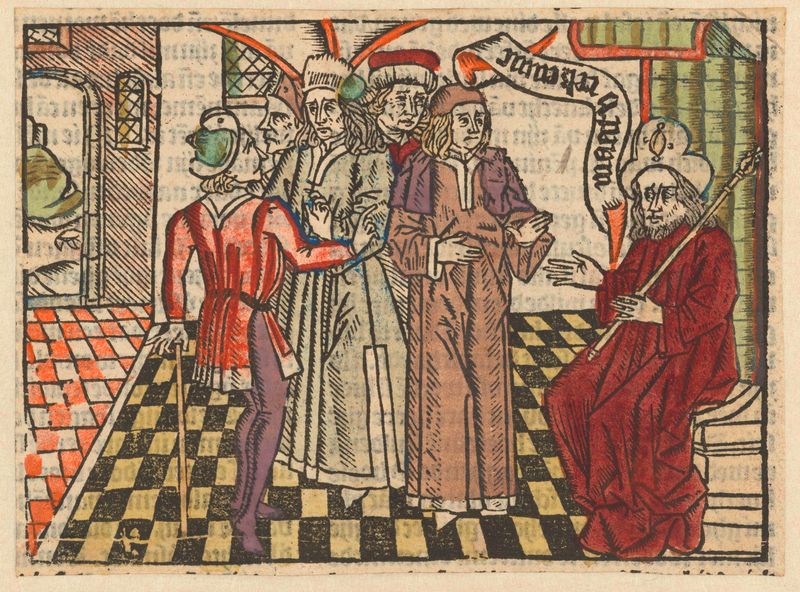
Parabel van de koning en de dienaar die geen vergiffenis schonk
Meester van Antwerpen (I)
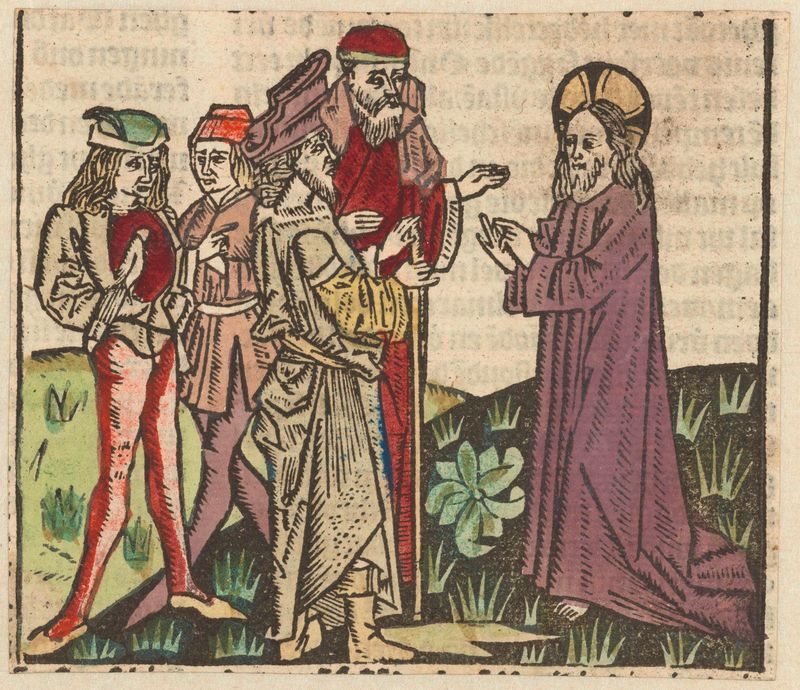
Christus in gesprek met Nicodemus
Meester van Antwerpen (I)
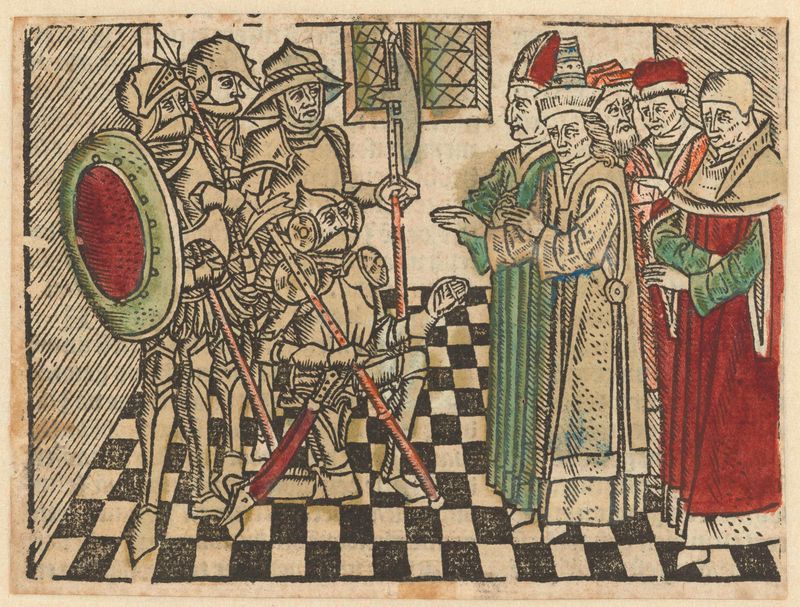
Soldaten berichten de hoge priesters dat Christus is herrezen
Meester van Antwerpen (I)
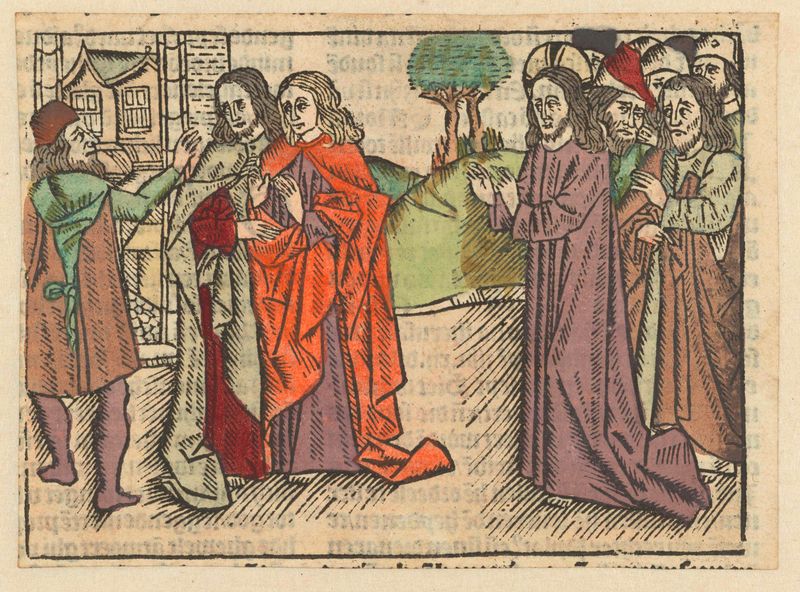
Een Samaritaan weigert Christus te ontvangen
Meester van Antwerpen (I)
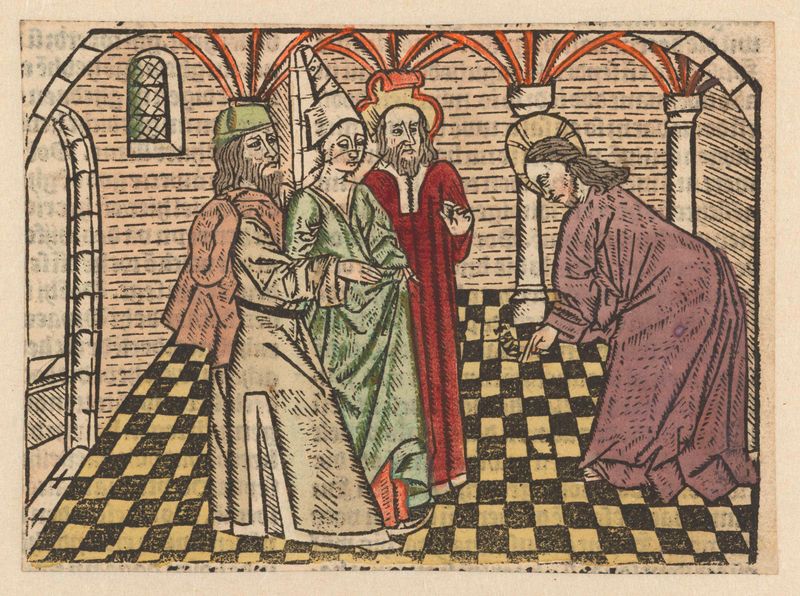
Christus en de overspelige vrouw
Meester van Antwerpen (I)
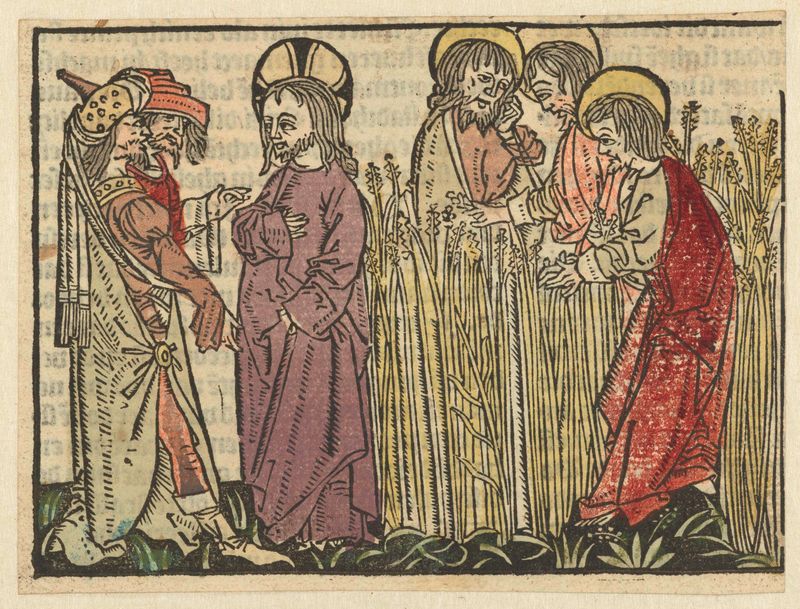
De discipelen plukken en eten aren op de sabbat
Meester van Antwerpen (I)
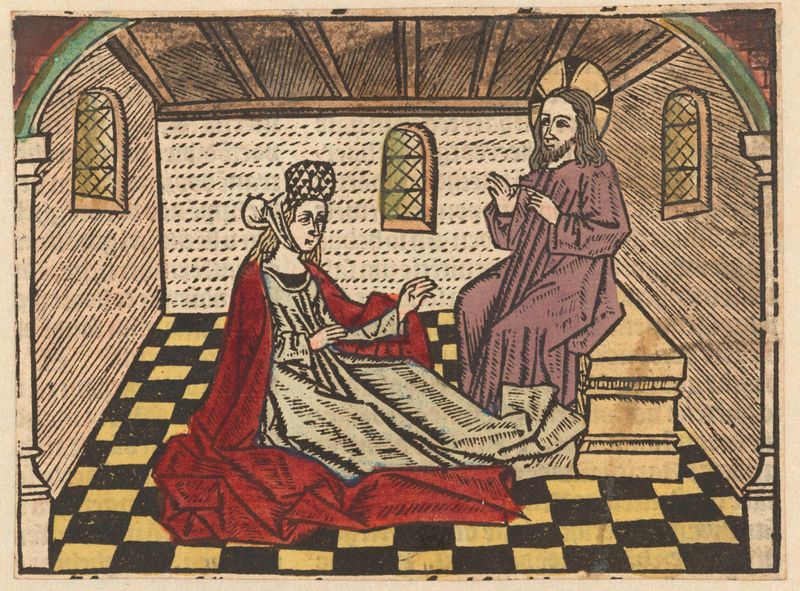
Maria Magdalena luistert naar Christus en bekeert zich
Meester van Antwerpen (I)
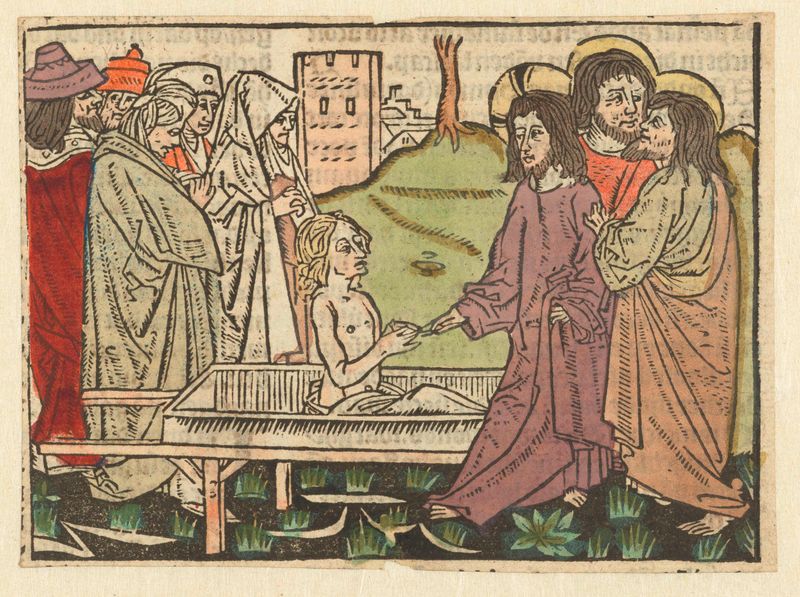
Opwekking van de zoon van de weduwe van Nain
Meester van Antwerpen (I)
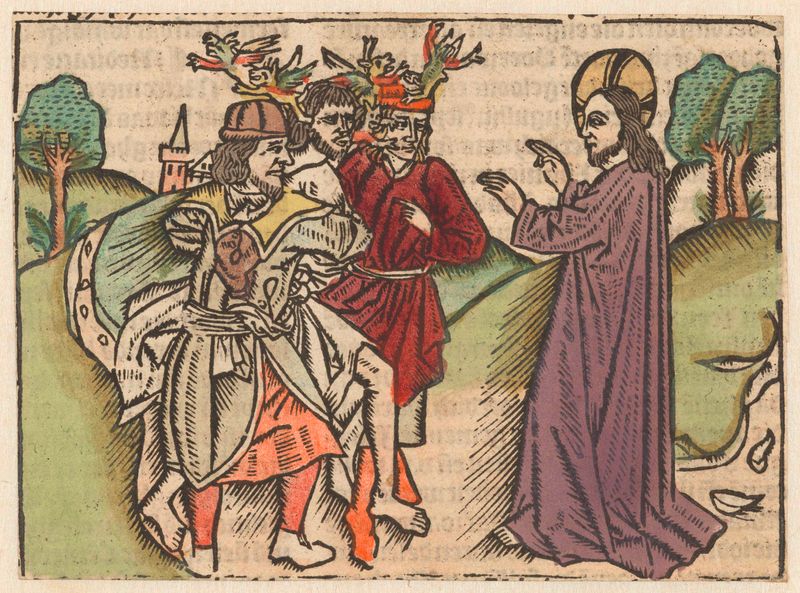
Christus geneest de bezeten man die niet kon spreken
Meester van Antwerpen (I)
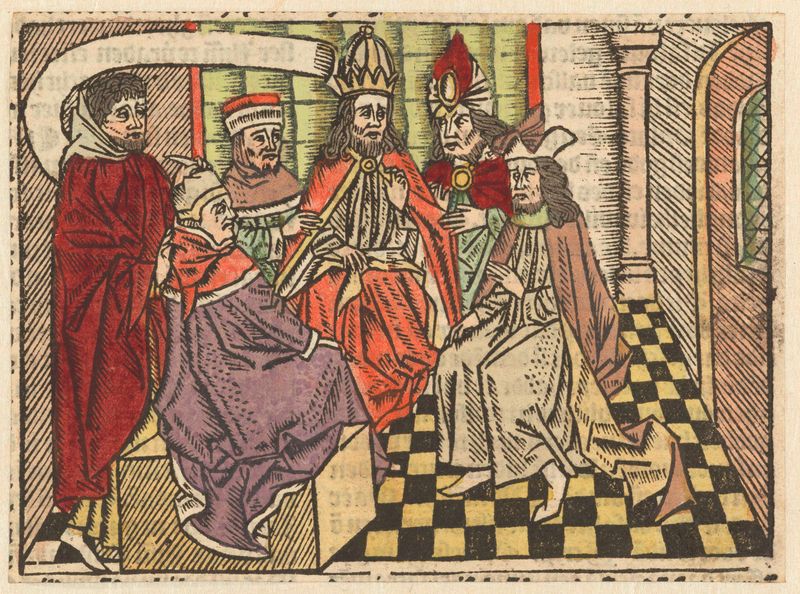
Judas bij de hogepriesters om Christus te verraden
Meester van Antwerpen (I)
More Religious Art
Browse all →
The Return of the Prodigal Son
Rembrandt van Rijn

The Garden of Earthly Delights
El Bosco

Count Orgaz’ funeral
El Greco

The Hundred Guilder Print: the central piece with Christ preaching, the plate arched
Rembrandt van Rijn

The Descent from the Cross
Rogier van der Weyden

The return of the prodigal son
Rembrandt van Rijn