
De terugkeer van de verloren zoon — History & Facts
In the heart of every brushstroke lies a whisper of fear, a reminder of loss and the often tumultuous journey back to oneself. Look to the left at the young man, his posture a mixture of shame and vulnerability as he approaches the figure of his father. The soft, warm light envelops the man’s weary face, contrasting sharply with the shadowed background that hints at his troubled past. Notice how the artist’s careful use of color directs our gaze, guiding us from the son’s tattered clothing to the embrace that seems both tender and fraught.
Every detail reveals an emotional landscape, where love and fear coexist. Delve deeper into the expressions of the characters; the father’s face radiates a blend of joy and anxiety, while the son’s eyes reflect a haunting blend of hope and despair. The surrounding figures serve as silent witnesses, their varied reactions underscoring the emotional weight of reconciliation. Here, the confrontation of past mistakes exists in a spectrum of response—embrace, judgment, and acceptance—a tension that resonates with the complexities of familial bonds. Created between 1535 and 1545, this work emerges from a period in which the artist navigated the nuances of human emotion amidst a society grappling with religious reform and personal strife.
Anthonisz, painting in the Netherlands during a time of great change, sought to capture the essence of personal redemption and the profound fears that accompany it, crafting a narrative that remains relevant across centuries.
More Artworks by Cornelis Anthonisz.
Browse all →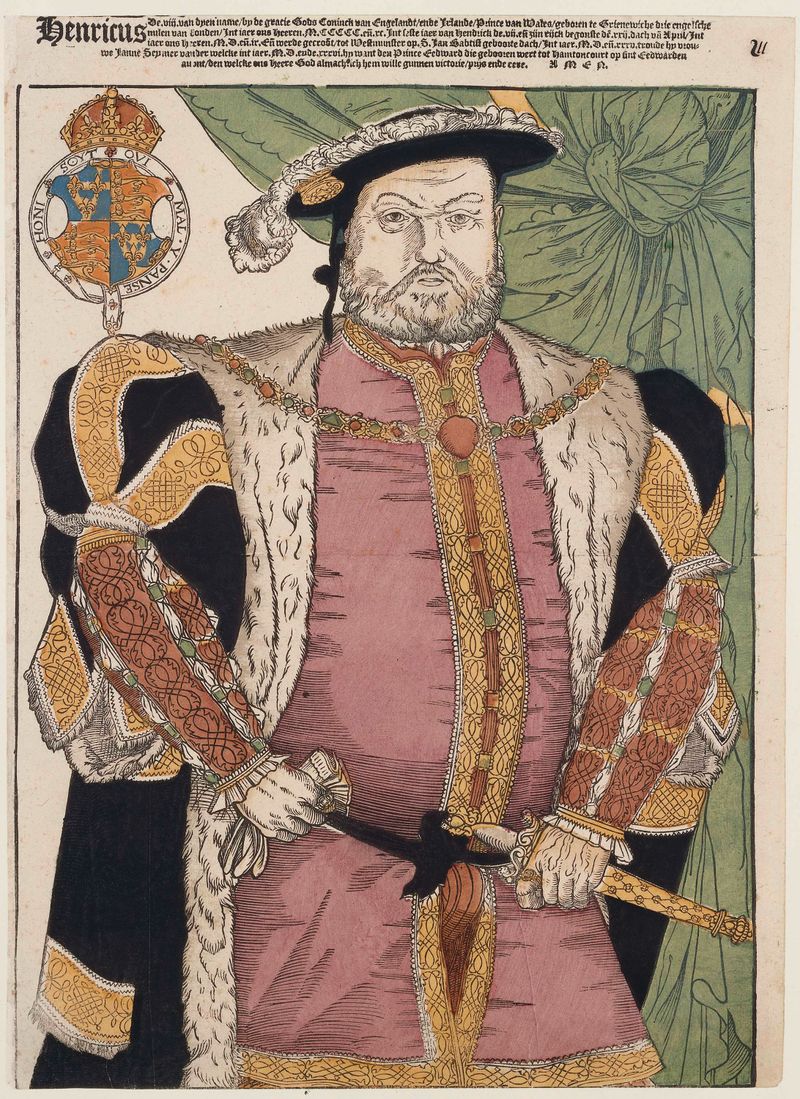
Portret van Hendrik VIII van Engeland
Cornelis Anthonisz.

Portret van Hendrik VIII van Engeland
Cornelis Anthonisz.

Portret van Maarten van Rossum te paard
Cornelis Anthonisz.
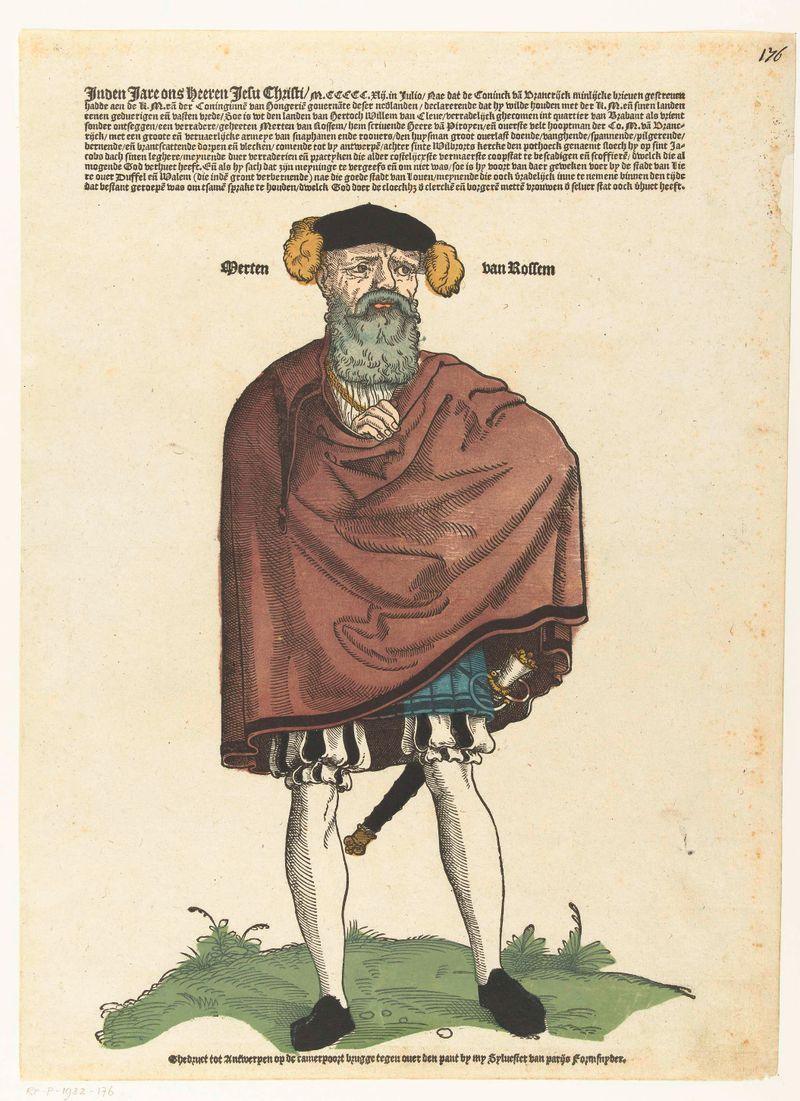
Portret van Maarten van Rossum
Cornelis Anthonisz.

De verloren zoon eet uit de varkenstrog
Cornelis Anthonisz.
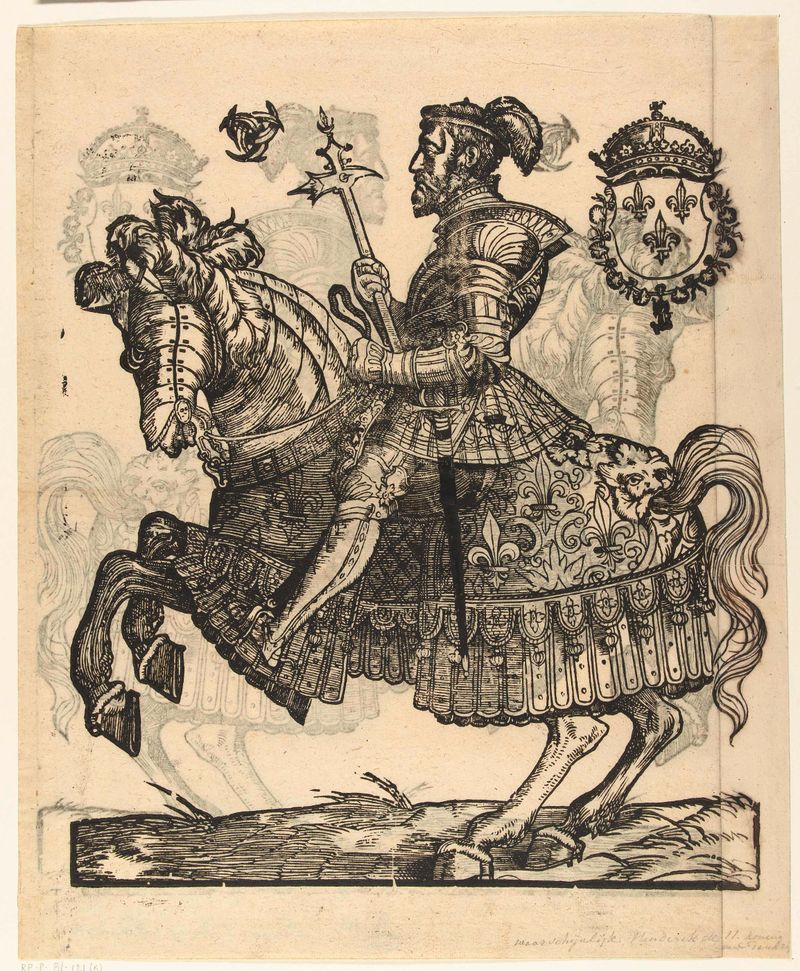
Portret van Hendrik II van Frankrijk te paard
Cornelis Anthonisz.

Portret van hertog Willem van Kleef, Gulik en Berg, graaf van Mark, heer van Ravenstein te paard
Cornelis Anthonisz.

Portret van Karel V te paard
Cornelis Anthonisz.

Portret van Maria van Hongarije te paard
Cornelis Anthonisz.
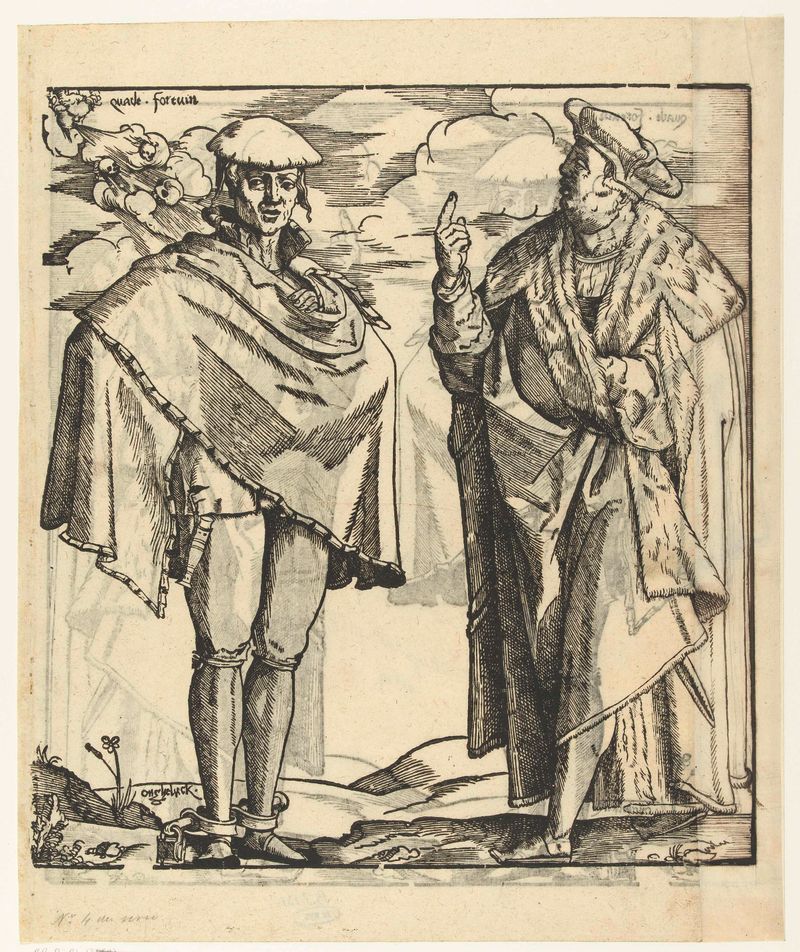
De lichtzinnige jeugd
Cornelis Anthonisz.
More Religious Art
Browse all →
The Return of the Prodigal Son
Rembrandt van Rijn

The Garden of Earthly Delights
El Bosco

Count Orgaz’ funeral
El Greco

The Hundred Guilder Print: the central piece with Christ preaching, the plate arched
Rembrandt van Rijn

The Descent from the Cross
Rogier van der Weyden

The return of the prodigal son
Rembrandt van Rijn