
De Zensetsu tempel in Sanshu — History & Facts
Can paint confess what words never could? In De Zensetsu tempel in Sanshu, the artist reveals a tranquil narrative that speaks volumes through his serene brushstrokes. Look to the left at the soft curve of the temple's roof, where the delicate interplay of shadows and light creates a sense of sacredness. The warm hues of earthy browns and greens harmonize with the cool blues in the sky, inviting the viewer to explore the enveloping landscape. Notice how the artist captures the essence of nature, with the whisper of wind through the trees and the tranquil pond reflecting the temple, creating a perfect balance between structure and the organic world. Beneath the surface lies a deep reverence for the transitory nature of life.
The still water, mirroring the temple, suggests introspection and the fleeting moments of clarity that offer solace. The empty spaces within the composition evoke a sense of peace, yet they also hint at absence and the longing for connection. In this quiet scene, the viewer may grapple with the tension between permanence and impermanence, as the temple stands witness to countless histories while time flows inevitably around it. In March 1937, Kawase Hasui painted De Zensetsu tempel in Sanshu during a period marked by a focus on traditional Japanese landscapes amidst the rise of modernism.
Living in a time when Japan was navigating its own cultural identity, Hasui sought to capture the essence of his homeland, preserving the beauty of natural and architectural heritage against the encroaching tides of modernization. This work exemplifies his mastery in combining realism with emotional resonance, making it a cornerstone of shin-hanga printmaking.
More Artworks by Kawase Hasui
Browse all →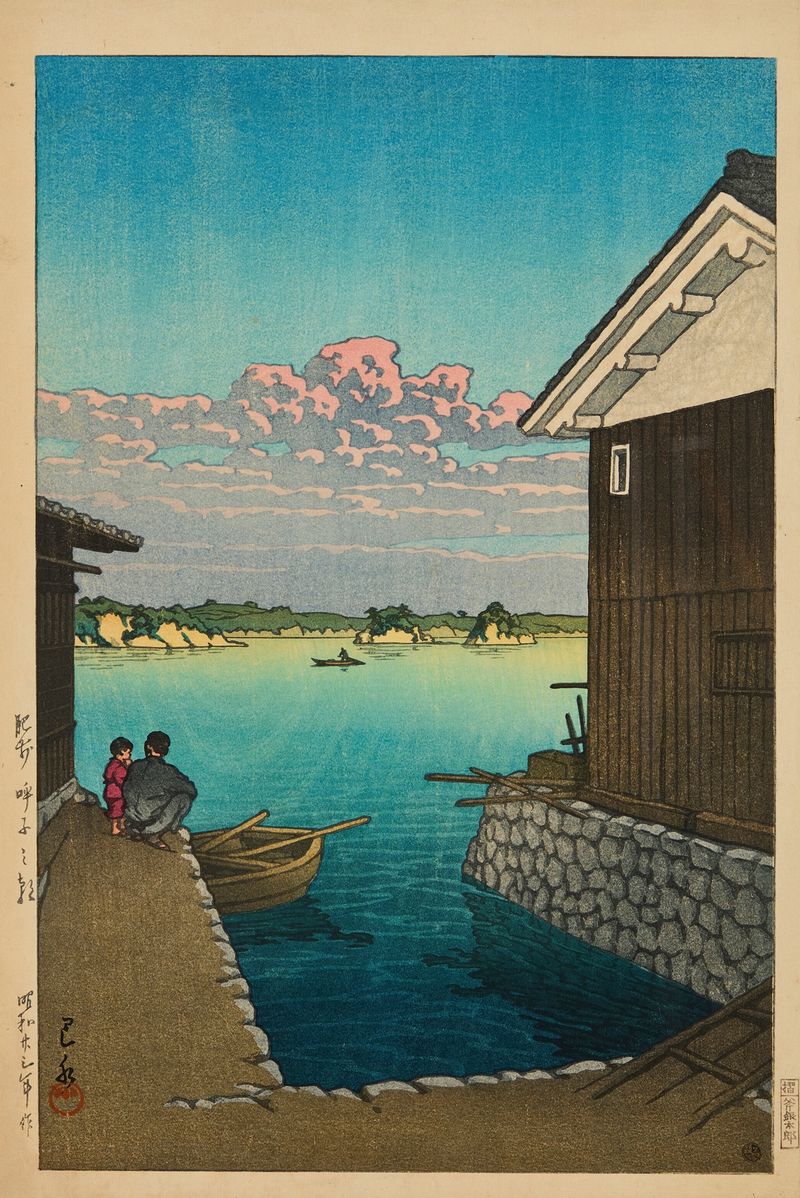
Hizen Yobuko no asa (Morning in Yobuko, Hizen)
Kawase Hasui
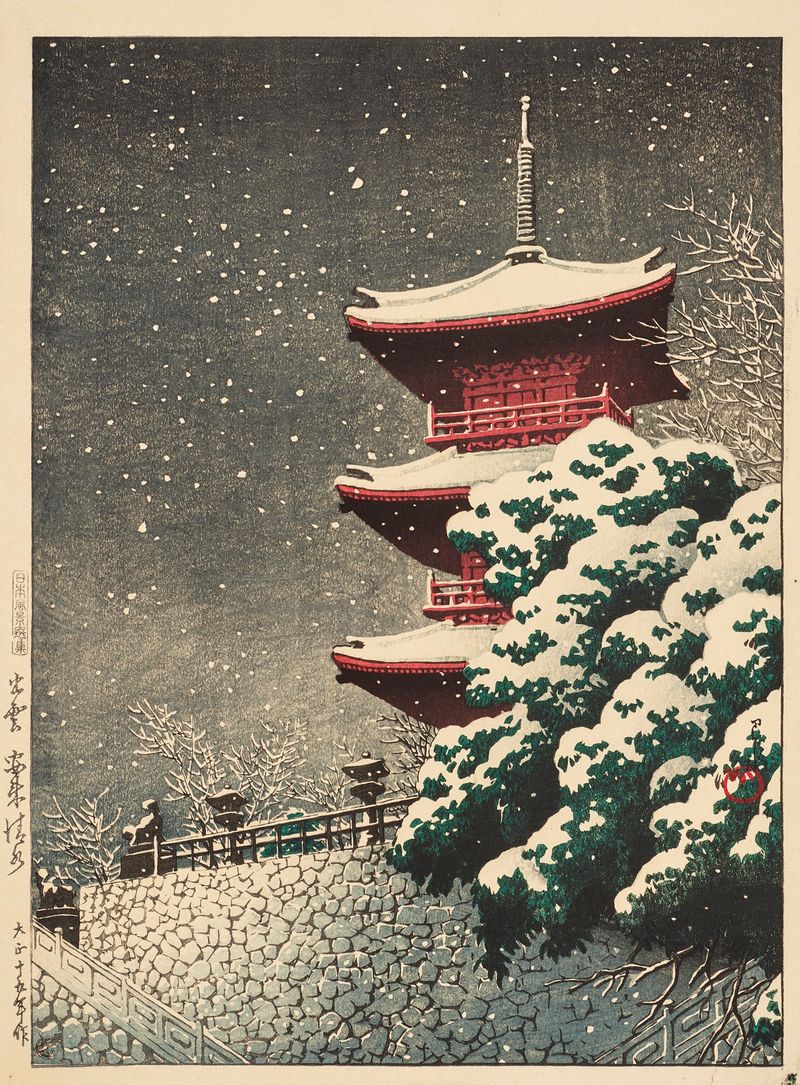
Izumo, Yasugi Kiyomizu (Yasugi Kiyomizu Temple at Izumo)
Kawase Hasui
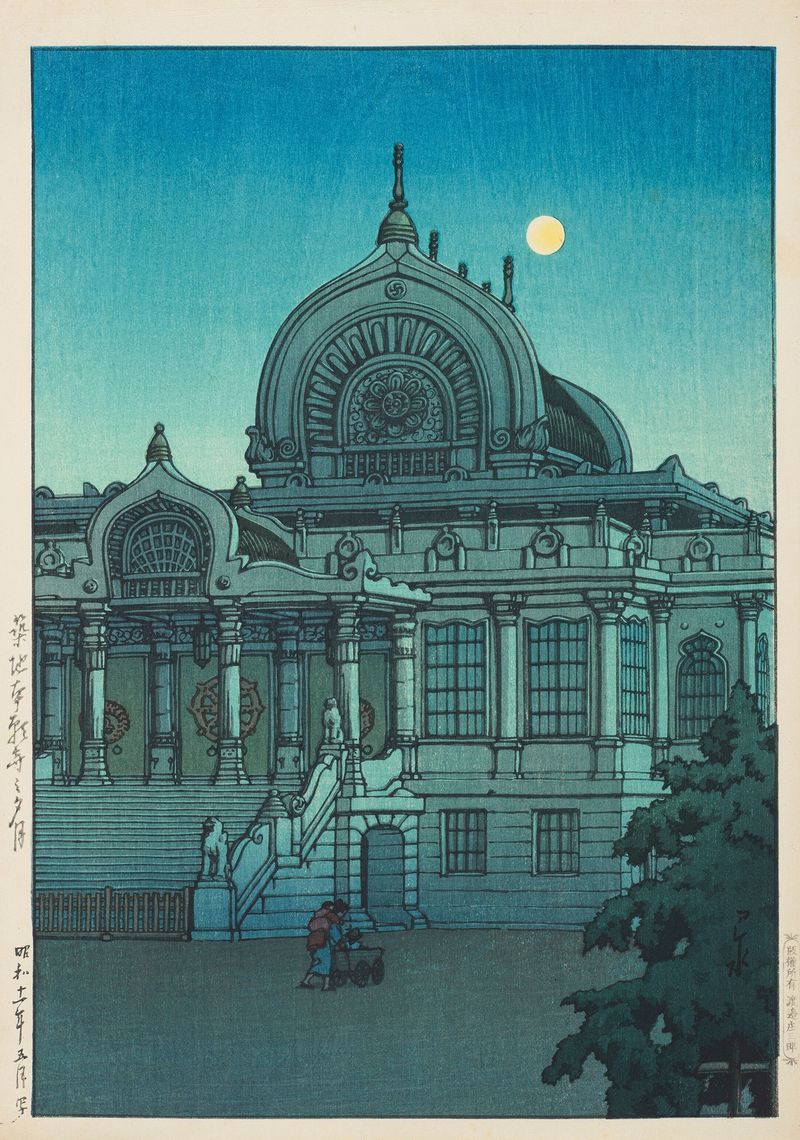
Tsukiji Honganji no yuzuki (Evening moon at Honganji Temple in Tsukiji)
Kawase Hasui
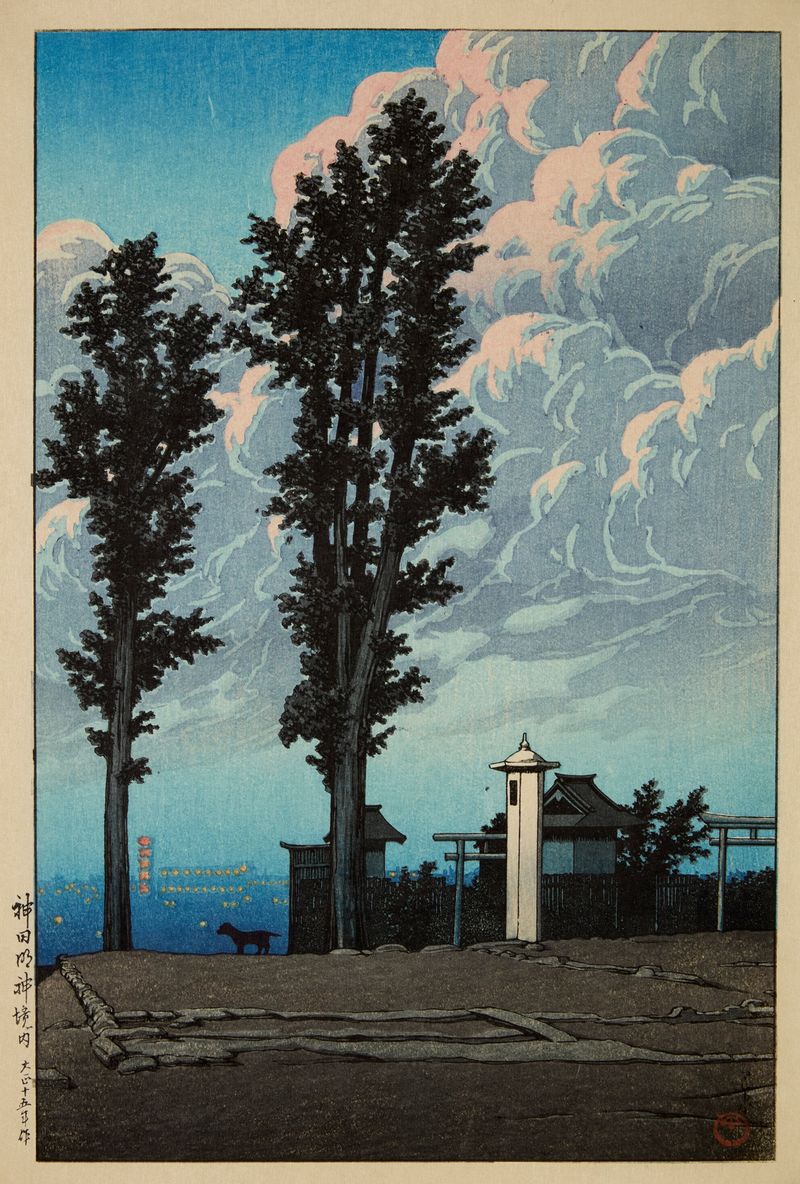
Kanda Myojin keidai (Kanda Myojin Shrine precent)
Kawase Hasui
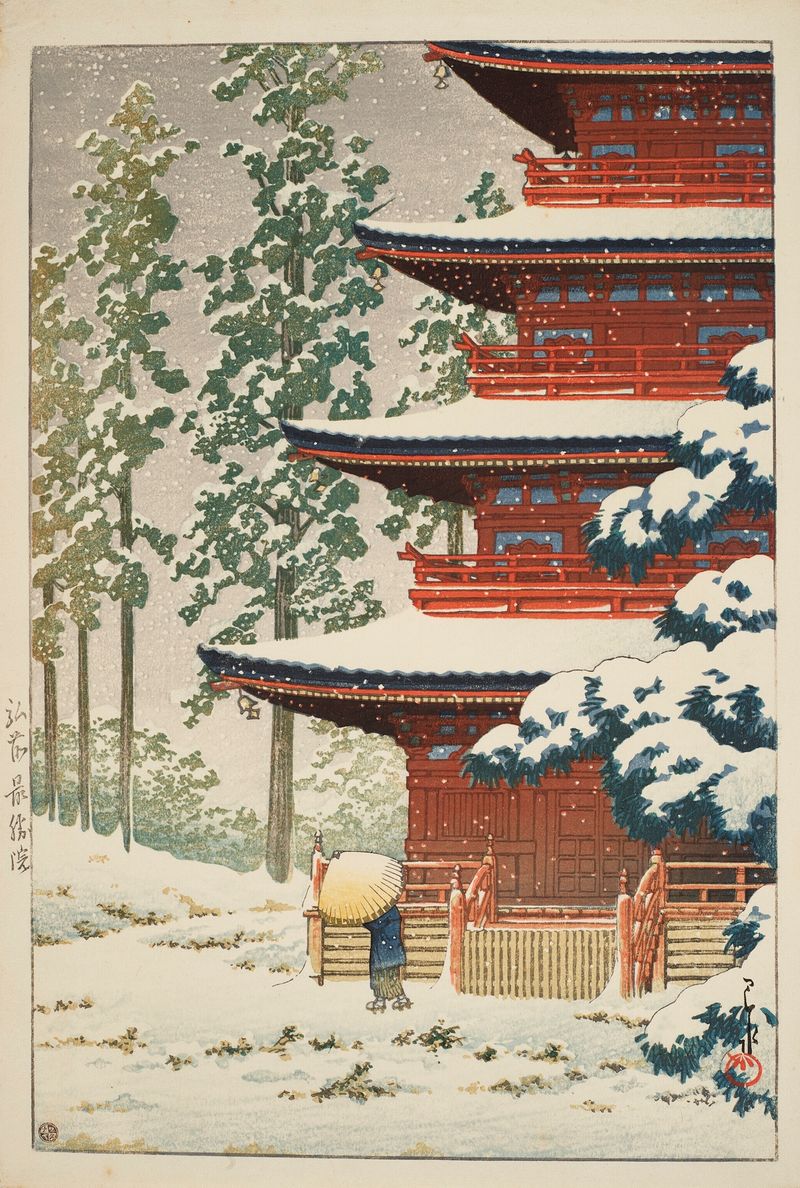
Saisho-in Temple, Hirosaki
Kawase Hasui
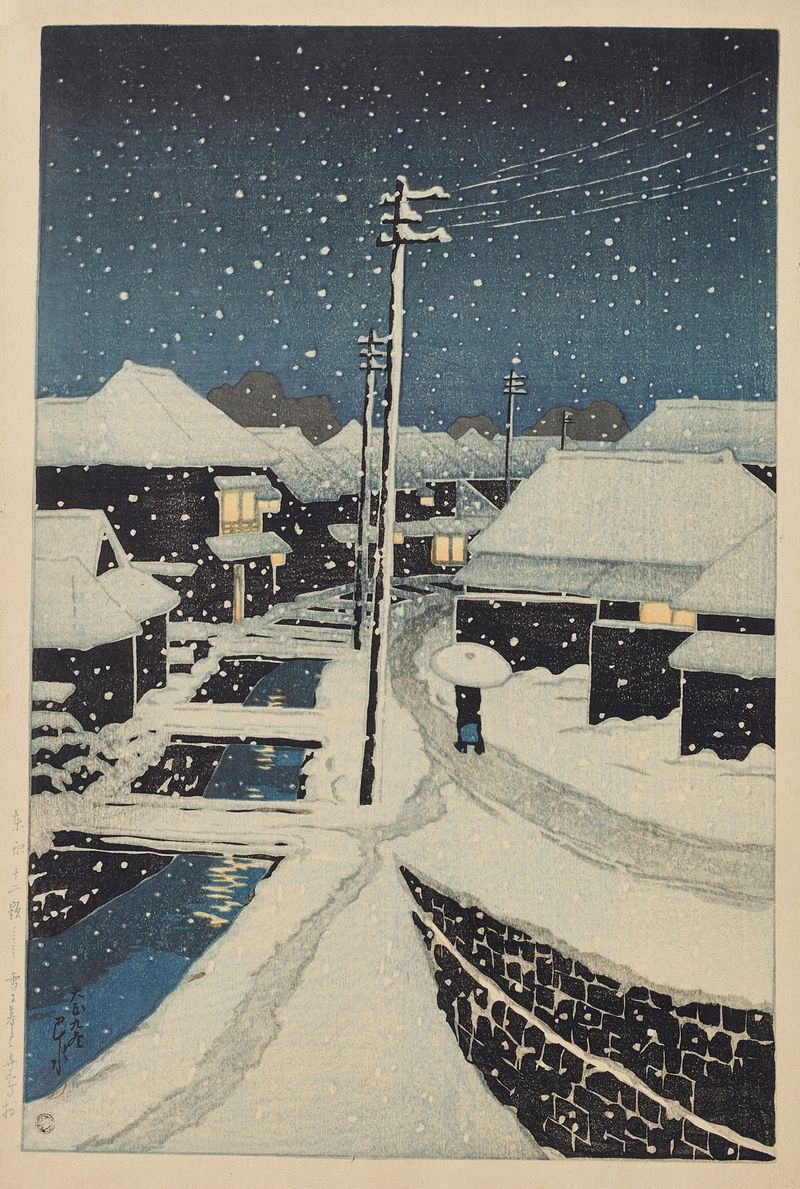
Yuki ni fururu Terajima mura (Evening snow at Terajima Village)
Kawase Hasui
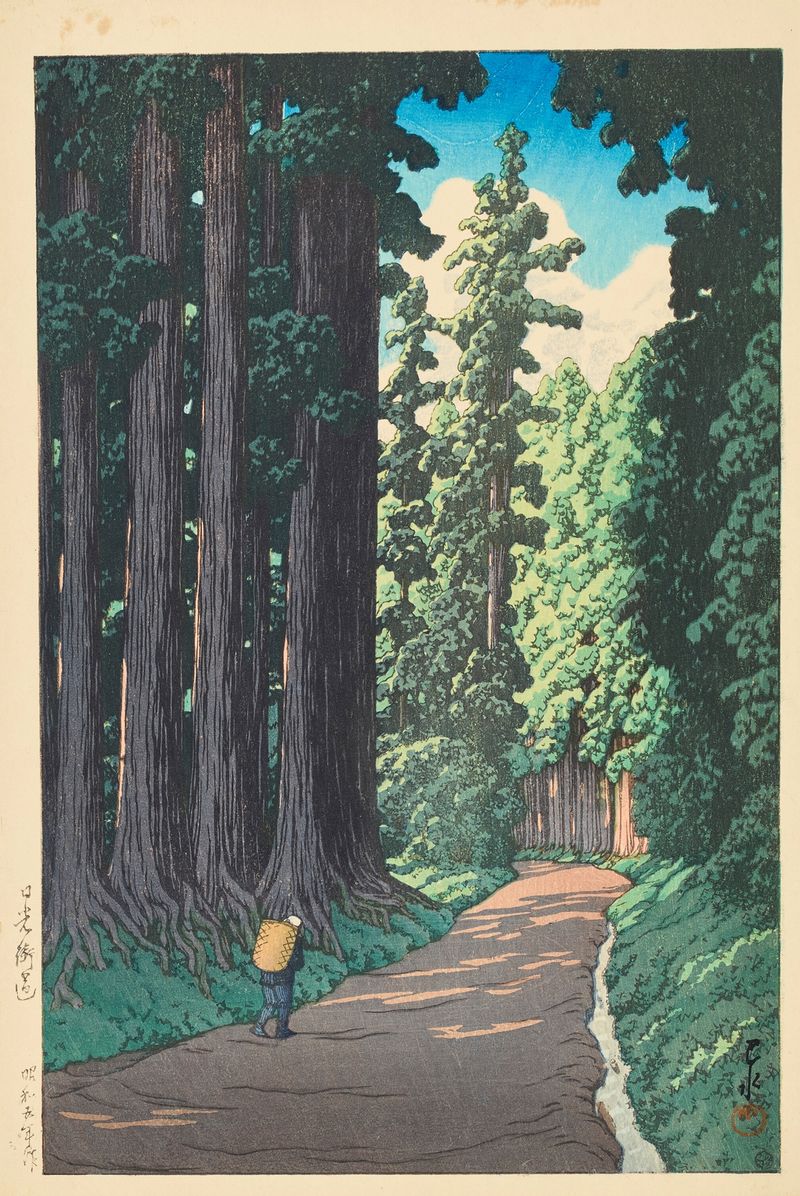
Nikko gaido (The Road to Nikko)
Kawase Hasui
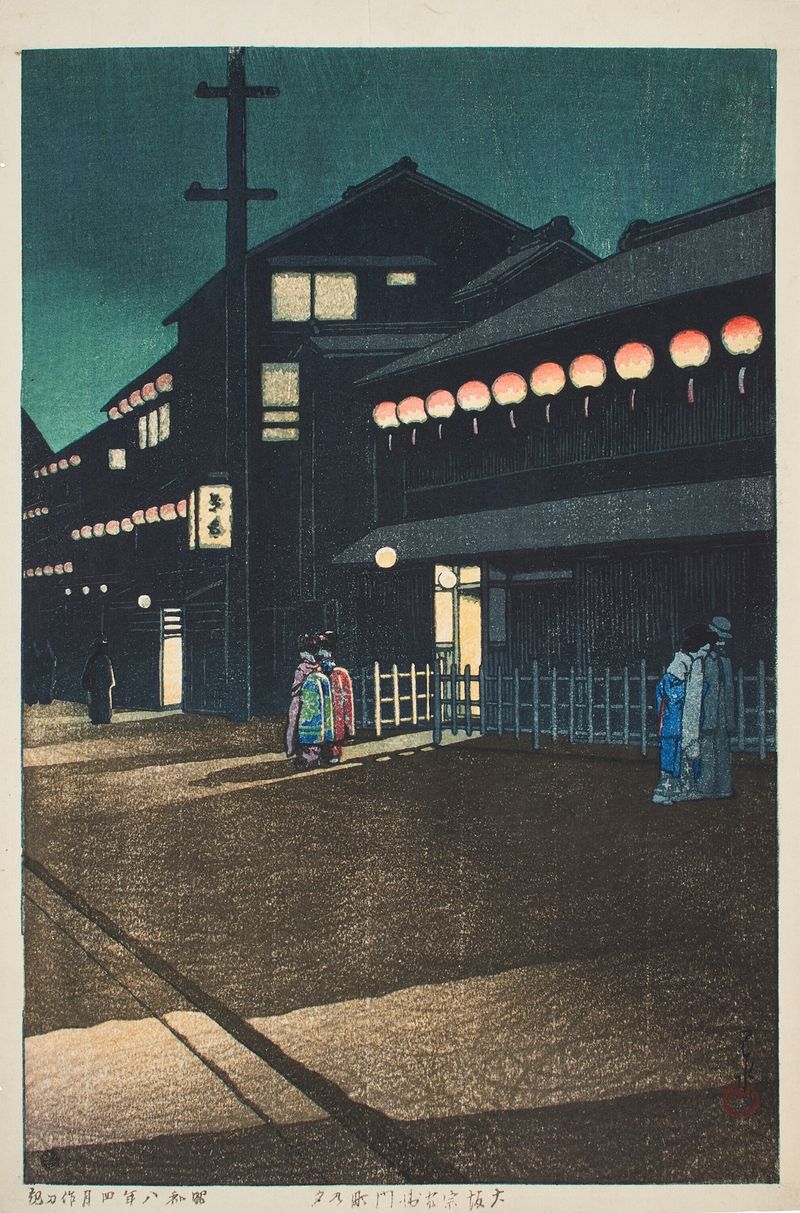
Osaka Soemon-cho no yu (Evening in Soemon-cho, Osaka)
Kawase Hasui
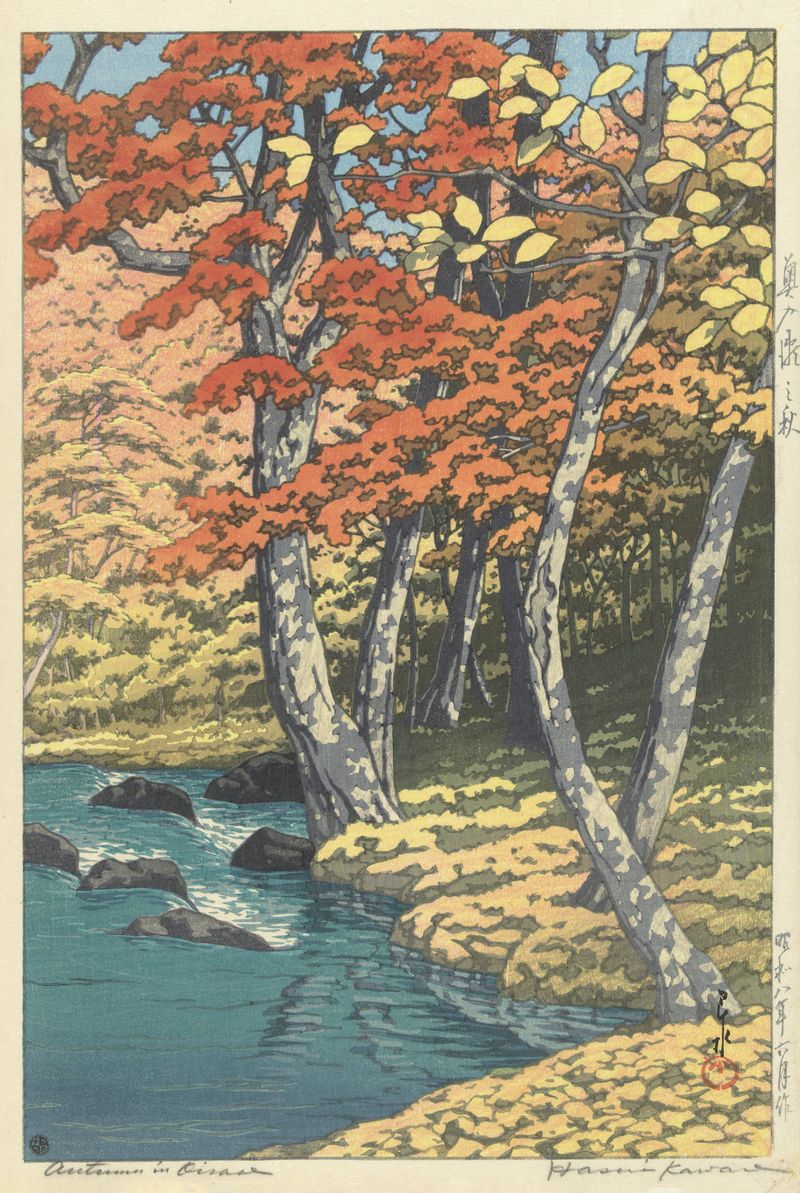
Autumn In Oirase
Kawase Hasui
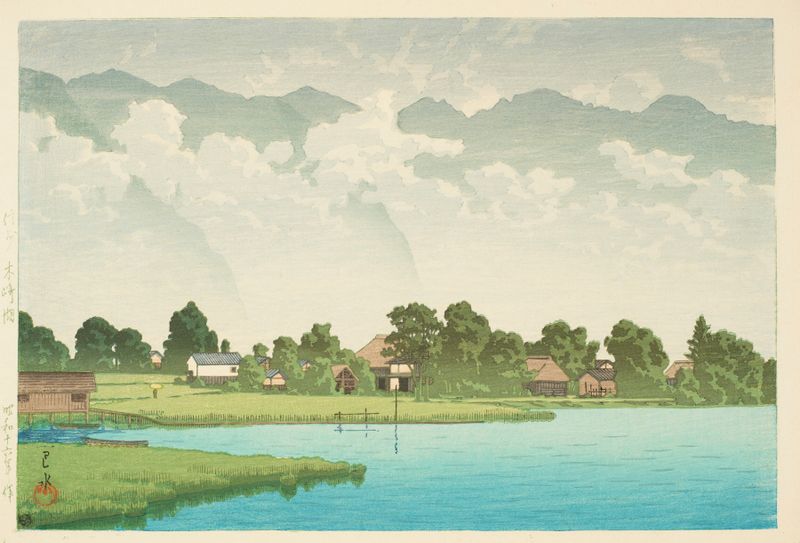
Shinshu Kizakiko (Kizaki Lake in Shinshu)
Kawase Hasui
More Architecture Art
Browse all →
The statue of Liberty
Frédéric Auguste Bartholdi

View of Houses in Delft, Known as ‘The Little Street’
Johannes Vermeer

View of Houses in Delft, Known as ‘The Little Street’
Johannes Vermeer

The Cathedral in Rouen. The portal, Grey Weather
Claude Monet

The yellow house
Vincent van Gogh

The Church in Auvers-sur-Oise, View from the Chevet
Vincent van Gogh