
Dead City III (City on the Blue River III) — History & Facts
Tightly packed houses with dark brown roofs and pale walls crowd together like a rock floating in blackish-blue water. Small dark windows dot the walls, a line of washing hangs near the top right, and no people appear anywhere. The signature "EGON SCHIELE 1911." stands out in the dark at the upper right of the small panel. Egon Schiele painted Krumau (Český Krumlov) in Bohemia, his mother's birthplace, looking down from the castle plateau onto the houses in the bend of the Vltava.
The Dead City motif first appeared in 1910, during his first long stay there with his friends Erwin Osen and Anton Peschka. He called this panel, painted in oil and opaque color on wood, the one with the "most serious colors," and the Leopold Museum reads the Dead City as an allegory of loneliness and isolation. The museum's provenance names Arthur Roessler, Alfred Spitzer and Fritz Grünbaum among its early owners. It passed through dealers in Bern and New York in the 1950s, and the collector Rudolf Leopold owned it from 1958 until 1994, when it went to the Leopold Museum foundation.
It is in the Leopold Museum in Vienna.
More Artworks by Egon Schiele

Lovers
Egon Schiele
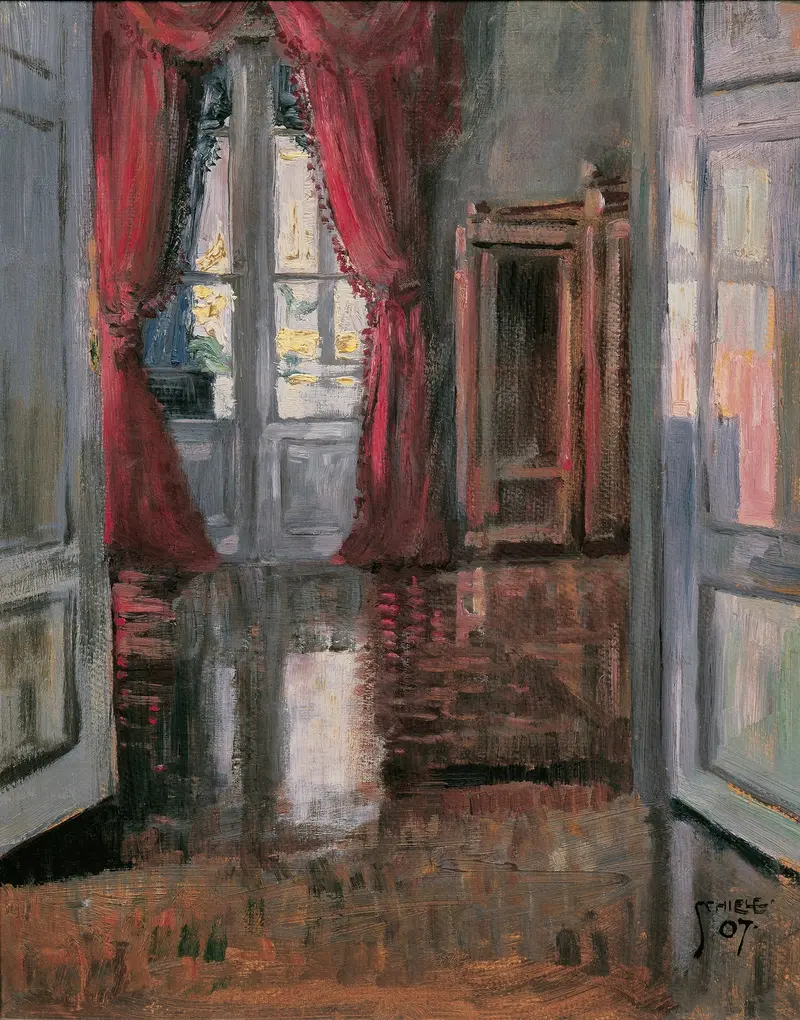
Blick in die Wohnung von Leopold und Marie Czihaczek
Egon Schiele
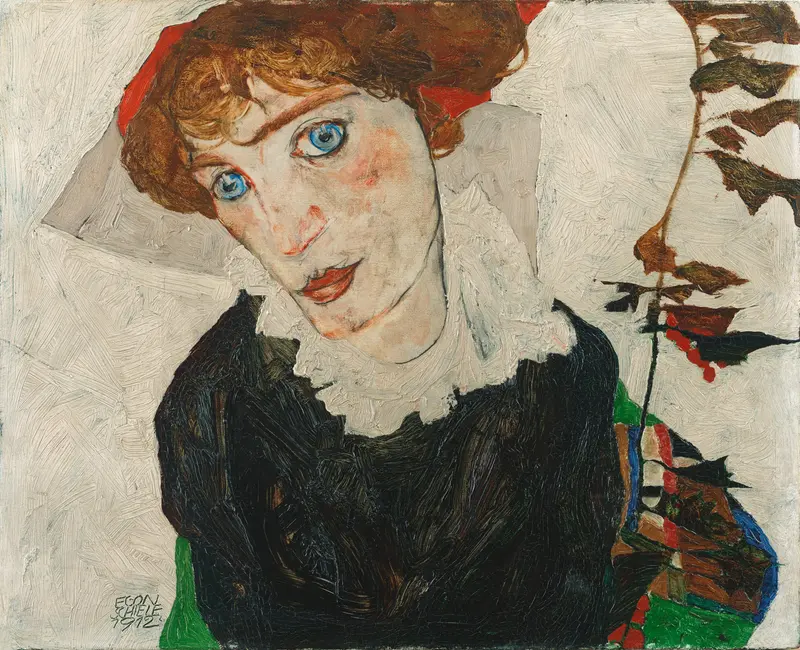
Portrait Of Wally Neuzil
Egon Schiele
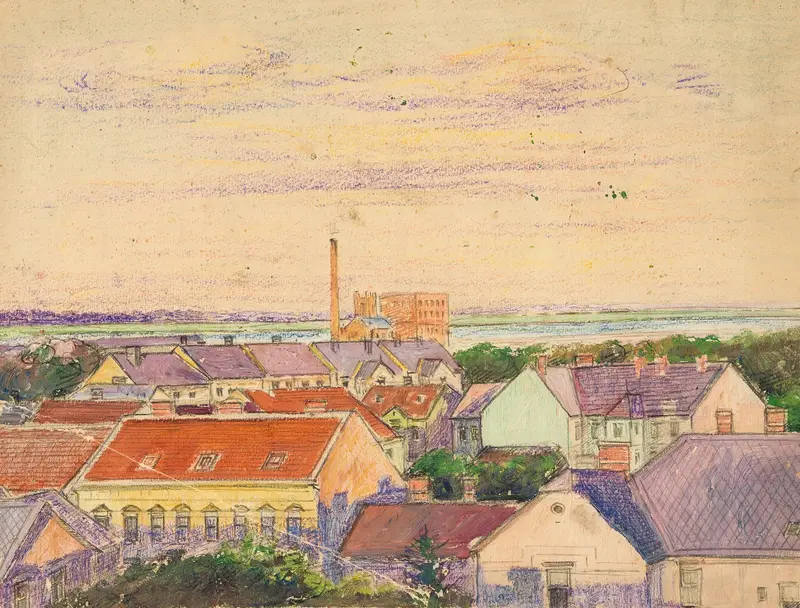
Stadtansicht
Egon Schiele
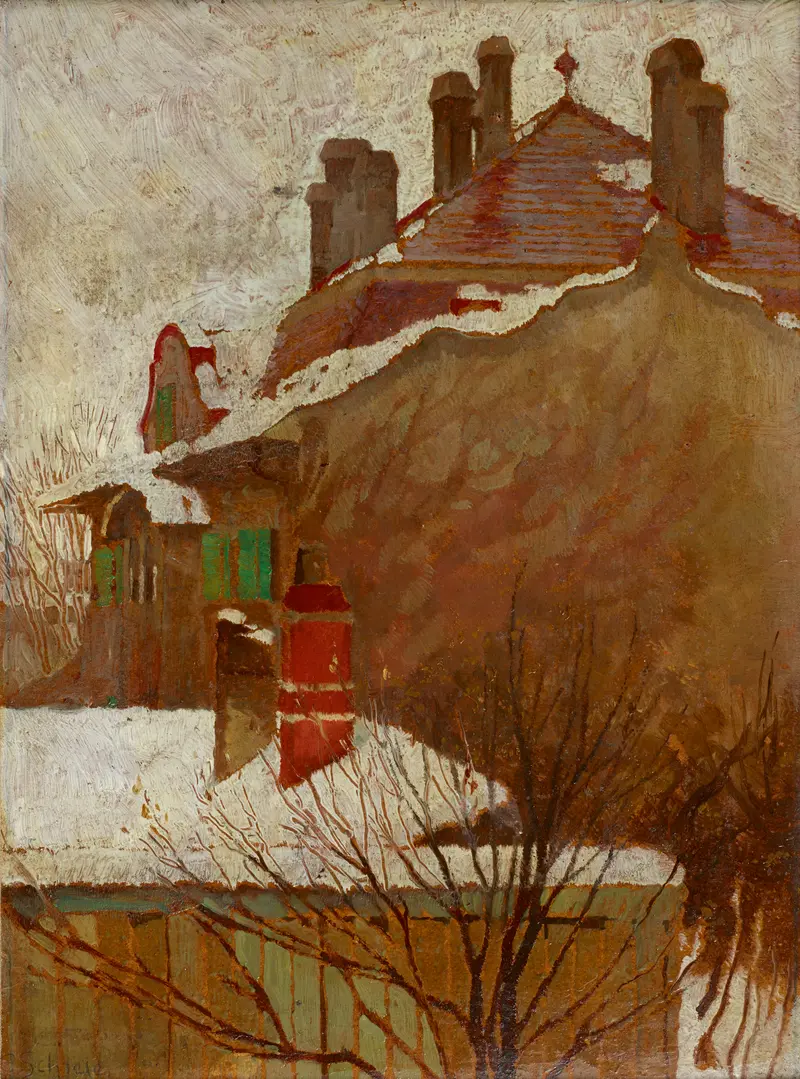
Häuser im Winter (Blick aus dem Atelier)
Egon Schiele
Haus In Hütteldorf (House In Hütteldorf)
Egon Schiele
Dorf am Fluss II
Egon Schiele
Wiese mit Dorf im Hintergrund II
Egon Schiele
Portrait of a Child (Anton Peschka, Jr.)
Egon Schiele
The Embrace
Egon Schiele
More Landscape Art

The Starry Night
Vincent van Gogh

View of Delft
Johannes Vermeer

Water Lilies
Claude Monet

The Grand Canal, Venice, looking north-west from the Ca' Corner to the Ca' Contarini degli Scrigni, with the campanile of Santa Maria della Carità
Canaletto

Windsor Castle
Canaletto

The Grand Canal looking North-East from the Palazzo Dolfin-Manin to the Rialto Bridge
Canaletto