
Dead Sisters — History & Facts
Where does light end, and longing begin? In the delicate interplay of shadows and ethereal forms lies a profound meditation on mortality. Focus on the haunting figures that emerge from the depths of muted hues. Their translucent faces, set against a backdrop of darkened tones, invite contemplation while simultaneously evoking a sense of loss. Notice how the soft illumination dances upon their pale skin, creating an almost ghostly glow that signifies both fragility and beauty.
Each brushstroke seems intentional, as if capturing the very essence of life and the inevitable silence that follows. The juxtaposition of light and dark in this piece conveys emotional tensions that resonate deeply. The spectral figures, anchored by their somber expressions, embody a poignant stillness that speaks to the ephemeral nature of existence. Haskell’s use of color captures the transition between life and death, with warmer tones gradually giving way to cooler shadows.
This suggests a haunting dialogue between remembrance and forgetfulness, a space where love lingers even as time erodes it. In the early 1900s, Haskell created this evocative work amidst a growing interest in symbolism and the exploration of existential themes in art. Living in a period marked by rapid change and uncertainty, he sought to capture the essence of human experience through his haunting portrayals. This exploration of mortality in Dead Sisters reflects not only his personal contemplations but also the broader artistic movements of his time, where the search for meaning became increasingly vital.
More Artworks by Ernest Haskell
Browse all →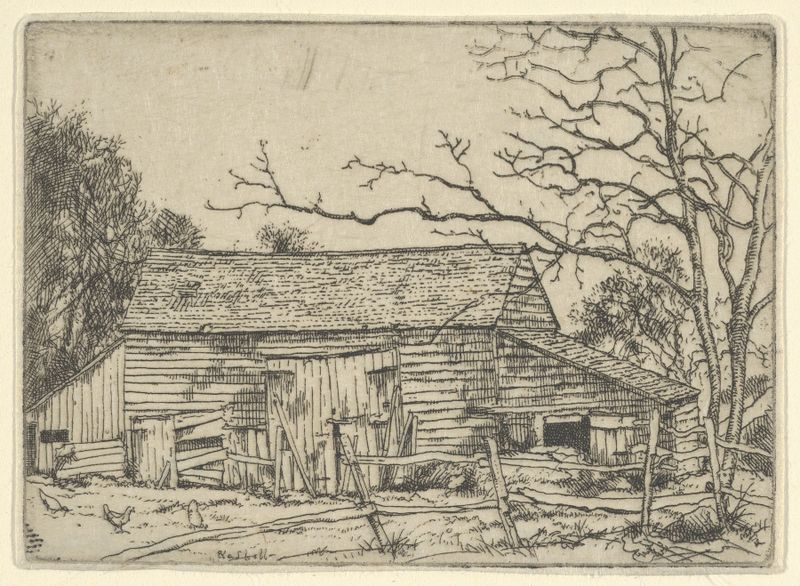
The Barn–Staten Island, N.Y.
Ernest Haskell

Four Live Oaks
Ernest Haskell
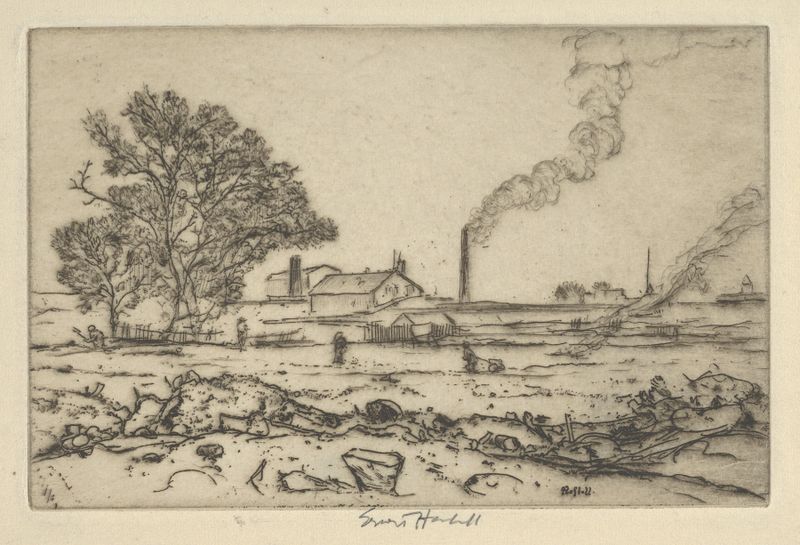
Outskirts of Boston
Ernest Haskell
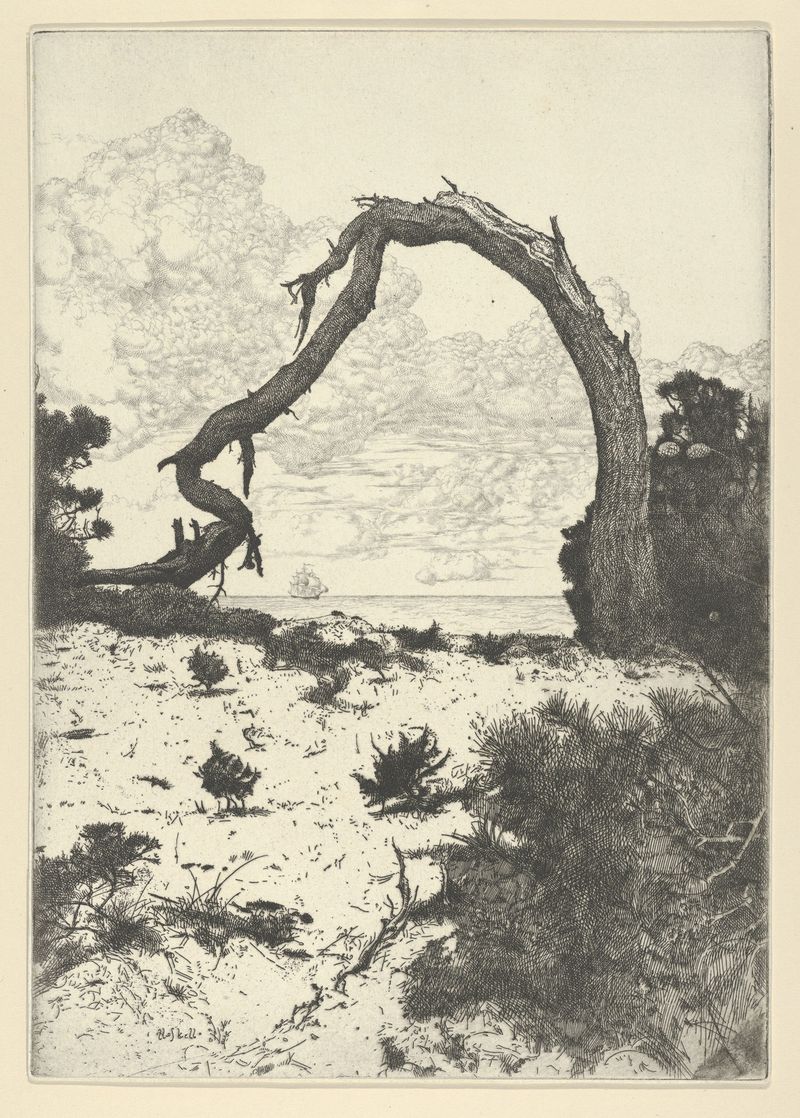
Pine Arch
Ernest Haskell

General Sherman
Ernest Haskell
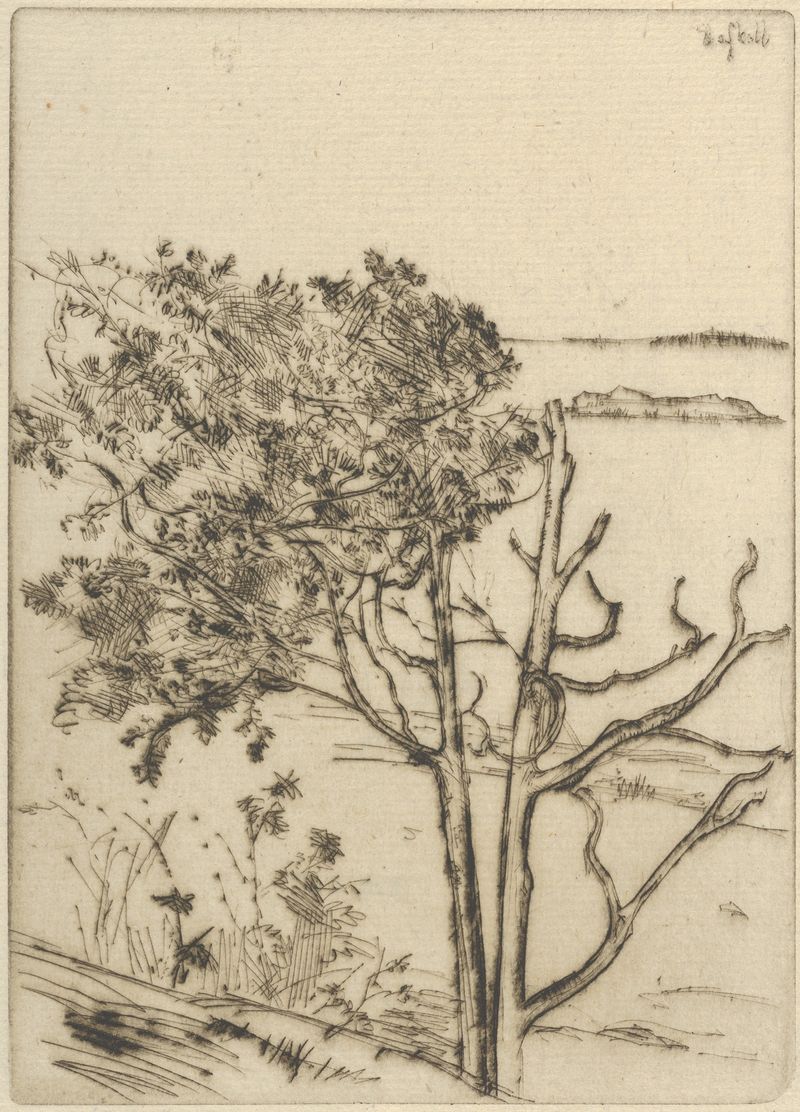
Ragged Tree – Maine
Ernest Haskell

Tide Mill
Ernest Haskell

Ship Building
Ernest Haskell
To the Southward – Ragged Island, Me.
Ernest Haskell
Long Island Marshes
Ernest Haskell





