
Dead Tops — History & Facts
The weight of revelation often rests in the spaces we overlook, those quiet corners where emotion simmers just beneath the surface. Look to the vibrant hues enveloping the canvas, a tapestry of greens and browns that draws you into a world both familiar and strange. The imposing silhouettes of dead trees dominate the foreground, their gnarled forms standing in stark contrast to the gentle whispers of light filtering through the foliage above. Notice how the shadows dance on the ground, suggesting movement where there is none—a fleeting connection between life and decay, inviting your gaze deeper into the scene's layered complexity. Consider the interplay of vibrant color against the stark absence of life.
The dead tops of the trees, while haunting, serve as a poignant reminder of nature's cycles, embodying both an end and a beginning. Each branch reaches skyward, perhaps in defiance, perhaps in surrender. The viewer is left contemplating the beauty that exists in deterioration, questioning the very essence of what remains when life fades. Ernest Haskell created this piece in 1912, a time marked by shifting artistic movements and a growing focus on emotional expression.
Living in the United States, he was deeply influenced by the Arts and Crafts movement, which advocated for the intrinsic beauty of handmade art. The early 20th century was a period of introspection for many artists, as they grappled with the evolving perceptions of nature and existence. This work encapsulates that struggle, revealing both the fragility and resilience inherent in the natural world.
More Artworks by Ernest Haskell
Browse all →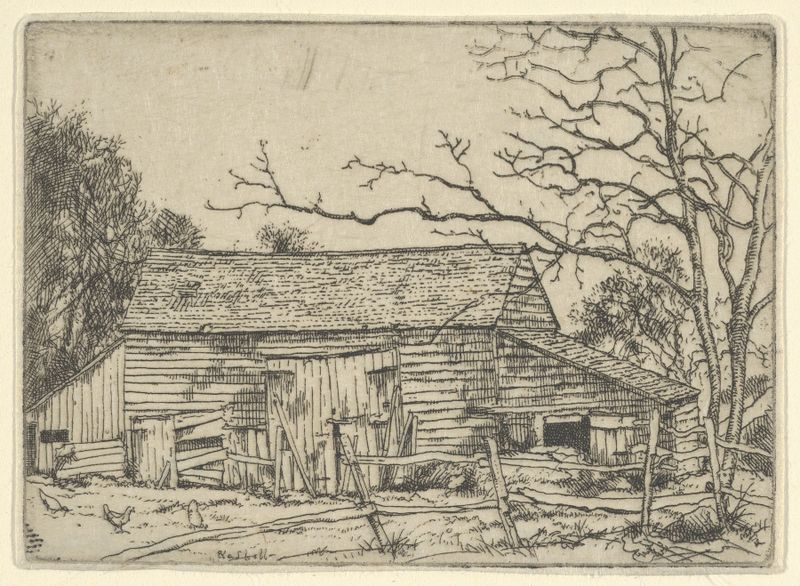
The Barn–Staten Island, N.Y.
Ernest Haskell

Four Live Oaks
Ernest Haskell
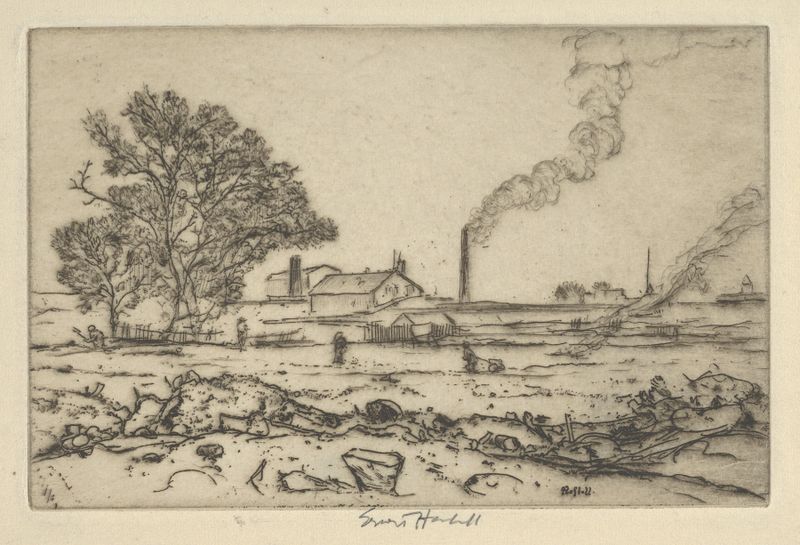
Outskirts of Boston
Ernest Haskell
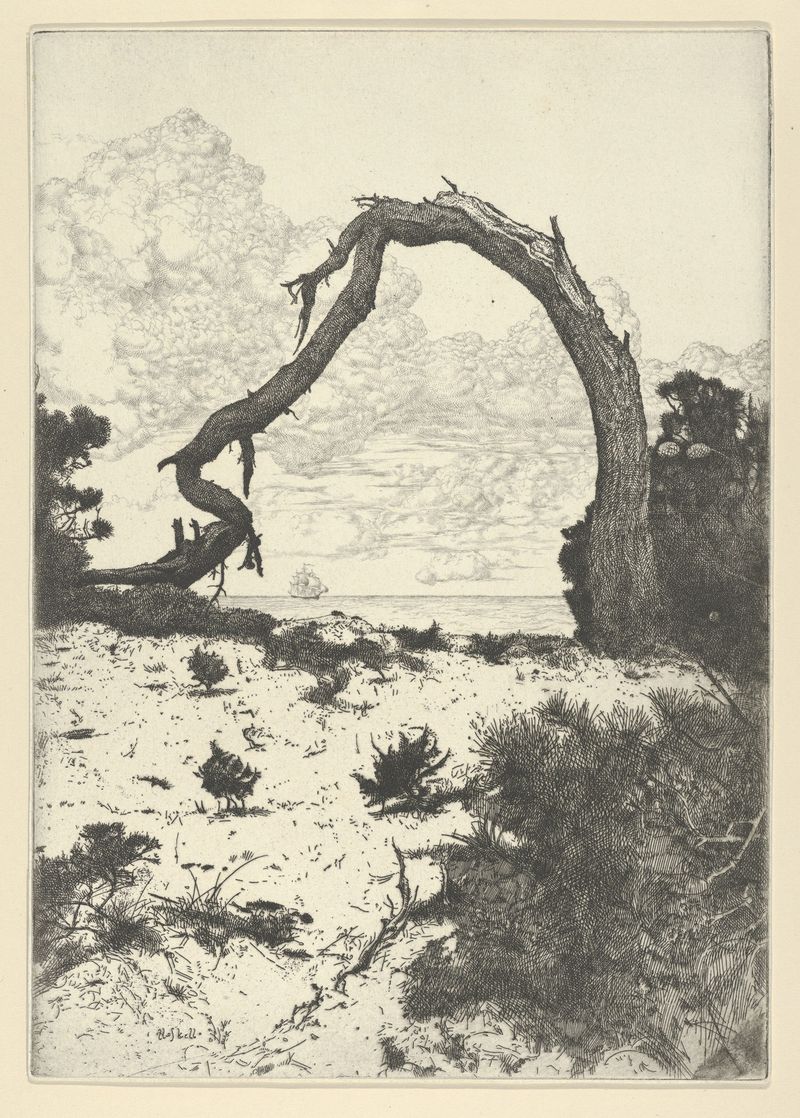
Pine Arch
Ernest Haskell

General Sherman
Ernest Haskell
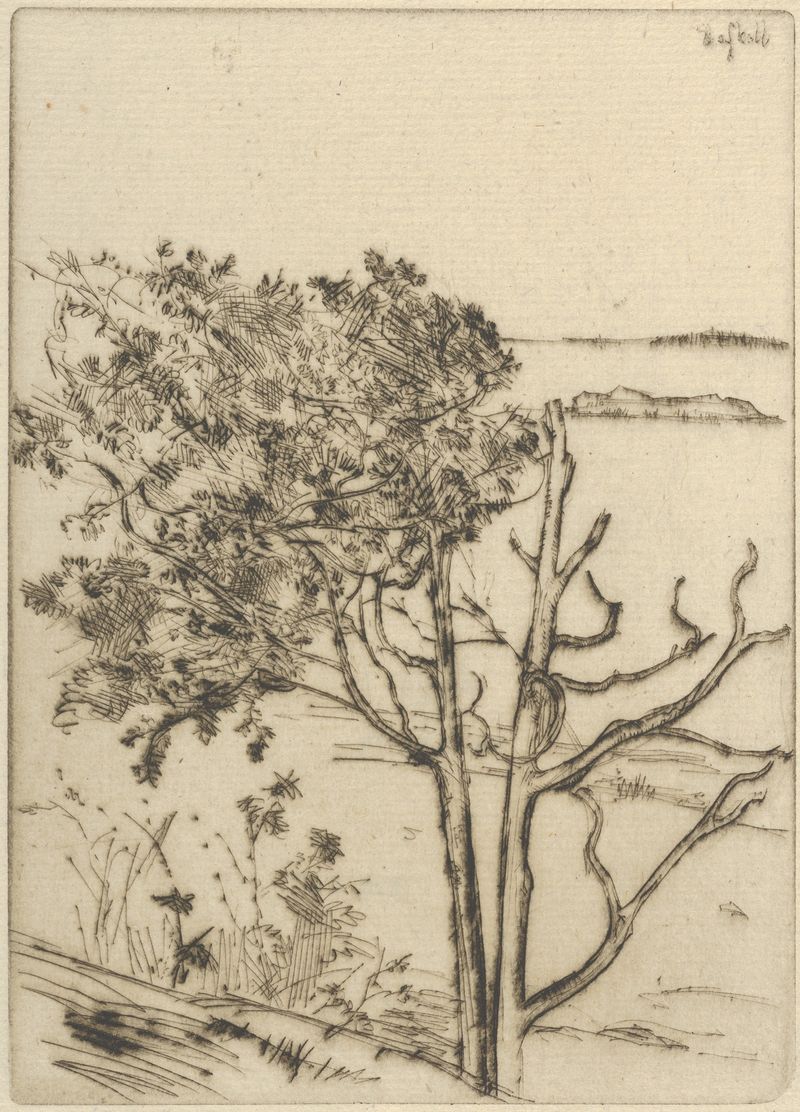
Ragged Tree – Maine
Ernest Haskell

Tide Mill
Ernest Haskell

Ship Building
Ernest Haskell
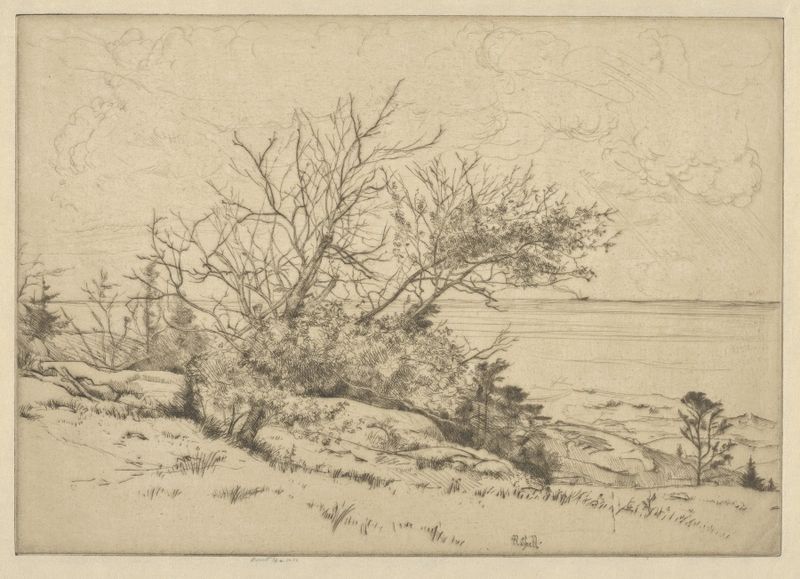
To the Southward – Ragged Island, Me.
Ernest Haskell
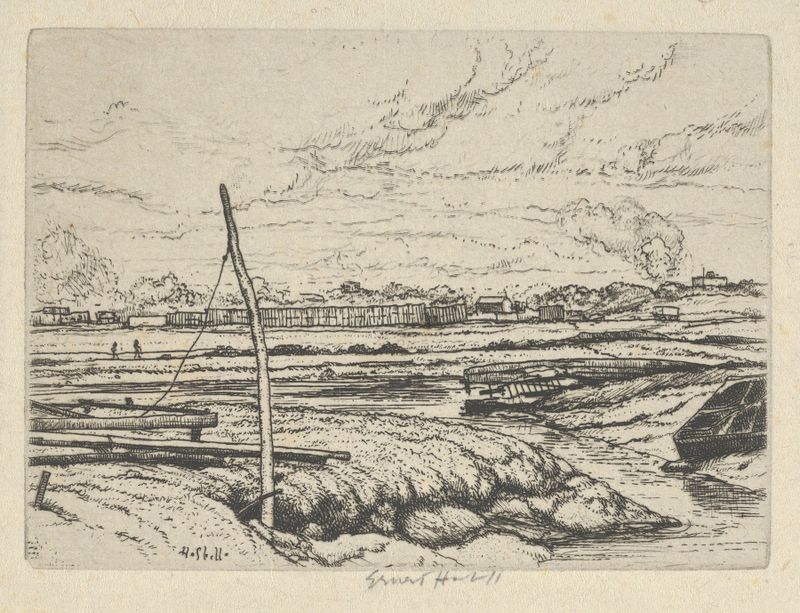
Long Island Marshes
Ernest Haskell





