Deer Stalking in Scotland; Getting Ready — History & Facts
In the shadows of anticipation, a moment lingers, pregnant with the possibility of life or death. Focus on the subtle interplay of shadows and light as you look to the center of the canvas, where a hunter crouches, poised and alert. His dark attire blends harmoniously with the surrounding foliage, while the muted greens and browns evoke a sense of depth and tranquility. The soft highlights on the dewdrops glisten like jewels, drawing your gaze across the vivid details of the rich landscape, hinting at the wild beauty that lies beyond. As you explore further, notice the stark contrast between the hunter's tense posture and the serene elegance of the deer glimpsed in the distance.
This juxtaposition of vulnerability and intent breathes life into the scene, highlighting the emotional stakes of the hunt. The tension crackles in the air, suggesting a duality of respect for nature and the primal instinct that drives man to pursue. Each brushstroke captures not just a moment, but the weight of choices made in the quiet reverberations of the wild. In 1851, while living in the United States, Arthur Fitzwilliam Tait painted this piece, embodying the romantic spirit of the American wilderness.
At this time, he was immersed in the Hudson River School movement, where artists sought to depict the majesty of nature. Tait’s work reflects both the art world's fascination with wilderness and the cultural narratives surrounding outdoor pursuits, firmly situating him in a transformative moment for American landscape painting.
More Artworks by Arthur Fitzwilliam Tait
Browse all →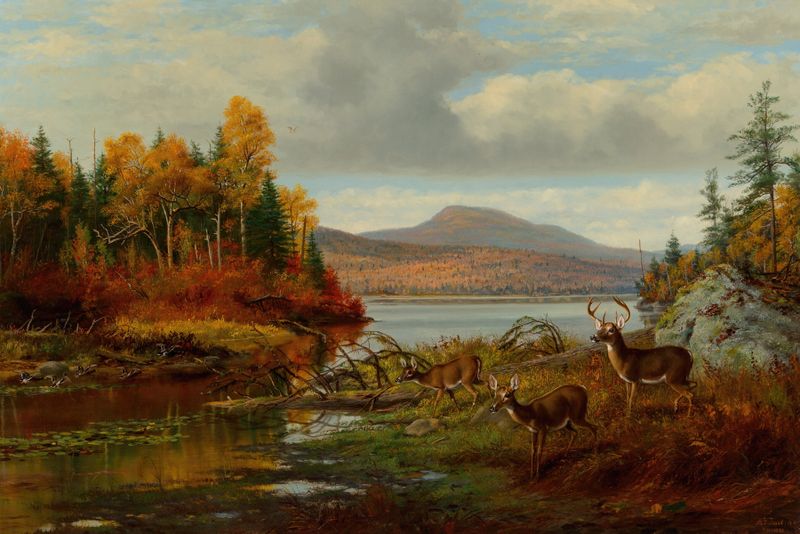
Late Autumn, Long Lake, Hamilton Co., New York, Adirondacks
Arthur Fitzwilliam Tait

View on Long Lake
Arthur Fitzwilliam Tait

Todmorden Viaduct on the Manchester and Leeds Railway, England
Arthur Fitzwilliam Tait
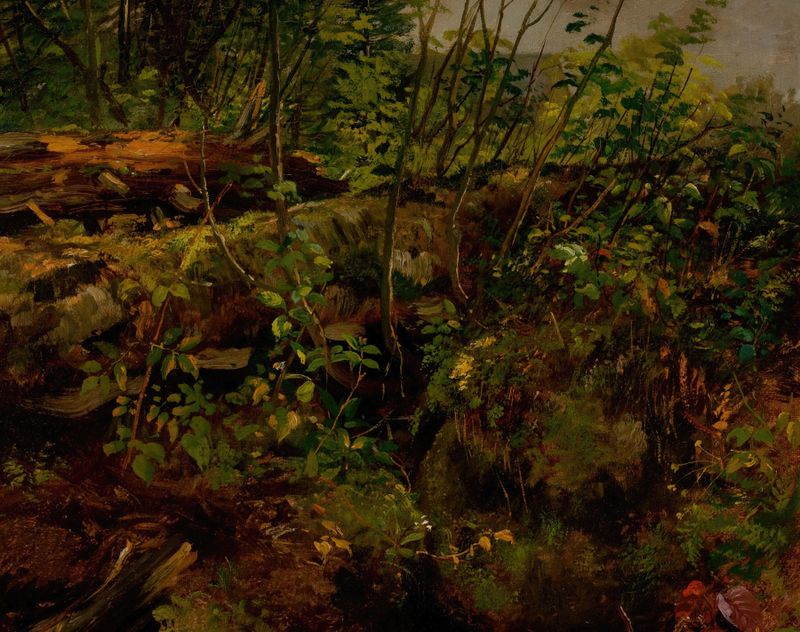
Study from Nature
Arthur Fitzwilliam Tait
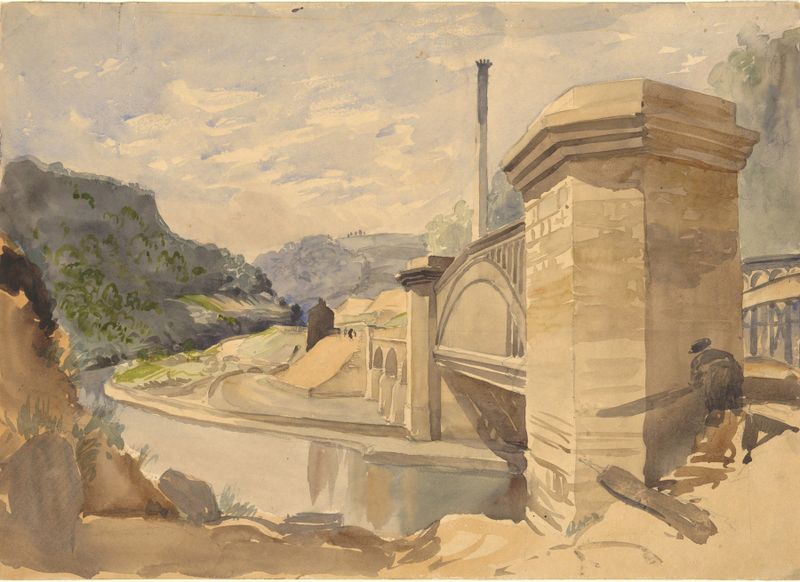
Todmorden, Yorkshire, England
Arthur Fitzwilliam Tait
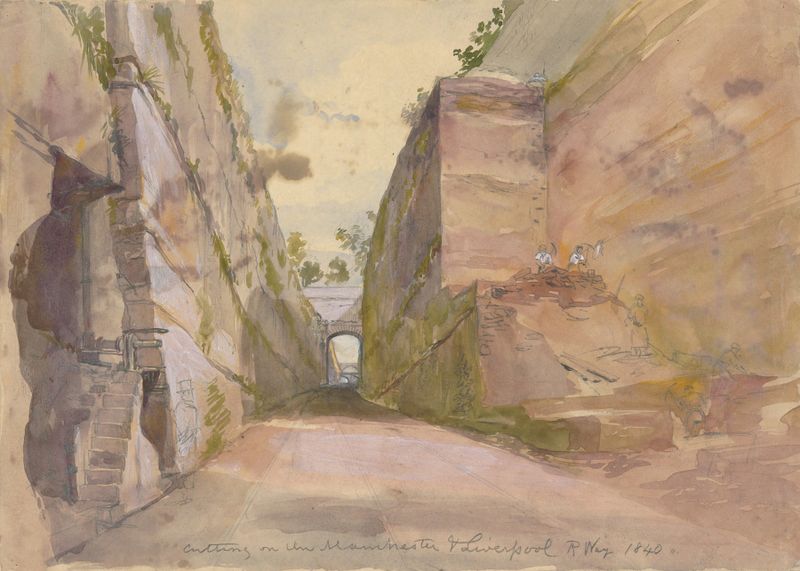
Cutting on the Manchester and Liverpool Railway
Arthur Fitzwilliam Tait