
View on Long Lake — History & Facts
Could a single brushstroke hold eternity? In View on Long Lake, the expansive landscape unfurls with a longing that invites contemplation. It embodies a deep desire — not just for the beauty of nature, but for moments that elude our grasp. Look to the foreground where a tranquil lake mirrors the gentle blush of dawn. The delicate strokes of Fitzwilliam Tait draw your eye to the interplay of light and shadow, illuminating the verdant hills that cradle the water.
Notice how the vibrant greens and soft blues communicate a sense of serenity, contrasting against the warm hues that herald the new day. The composition's balance creates an inviting perspective, leading the viewer into the depths of this idyllic scene. Delve deeper, and the richness of emotion begins to reveal itself. The calm surface of the lake, punctuated by the delicate ripples, suggests both stillness and the passage of time.
The distant mountains loom as silent witnesses to the world unfolding beneath them, echoing the longing we all share for connection and permanence. Each element harmonizes, reflecting the artist's desire to capture a fleeting moment that resonates with the eternal. In 1881, Tait created this piece during his time in the Hudson River School movement, a period marked by an emphasis on realism and the sublime beauty of nature. Living in the midst of a growing appreciation for American landscapes, he sought to convey the profound relationship between the viewer and the natural world, crafting a visual experience that continues to inspire admiration.
More Artworks by Arthur Fitzwilliam Tait
Browse all →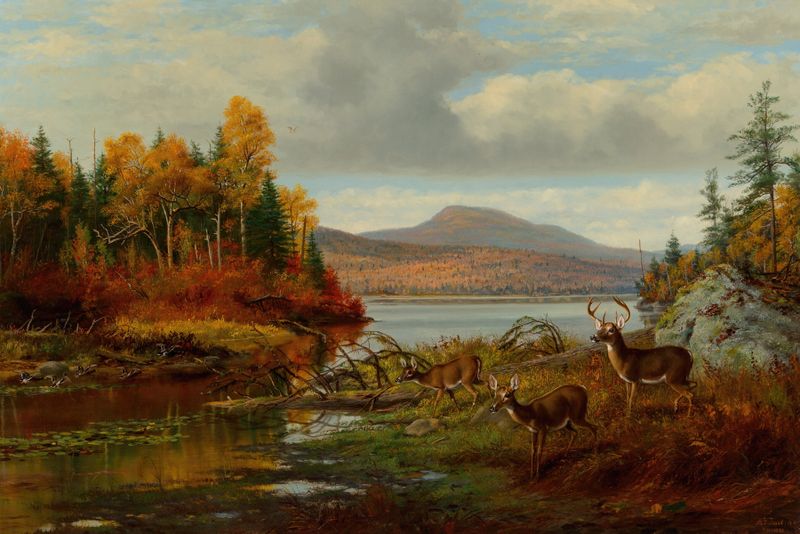
Late Autumn, Long Lake, Hamilton Co., New York, Adirondacks
Arthur Fitzwilliam Tait

Deer Stalking in Scotland; Getting Ready
Arthur Fitzwilliam Tait

Todmorden Viaduct on the Manchester and Leeds Railway, England
Arthur Fitzwilliam Tait
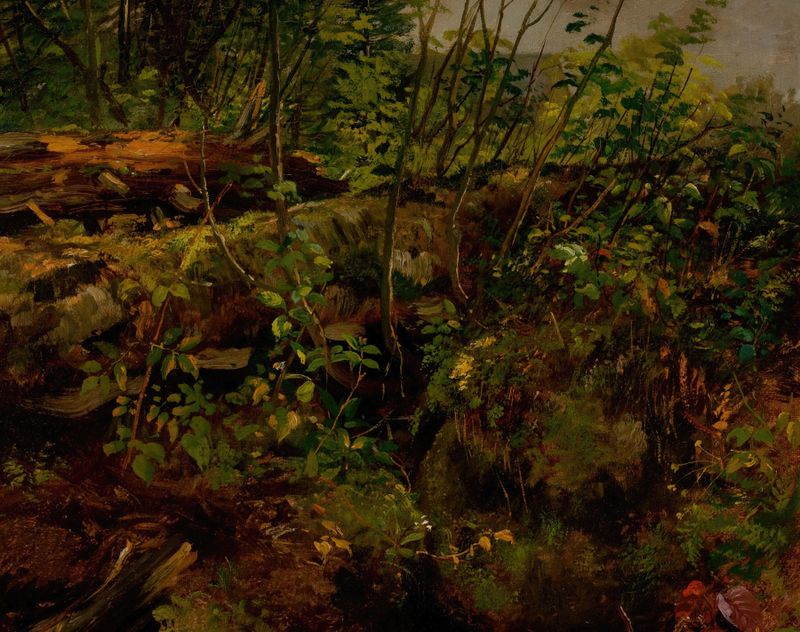
Study from Nature
Arthur Fitzwilliam Tait
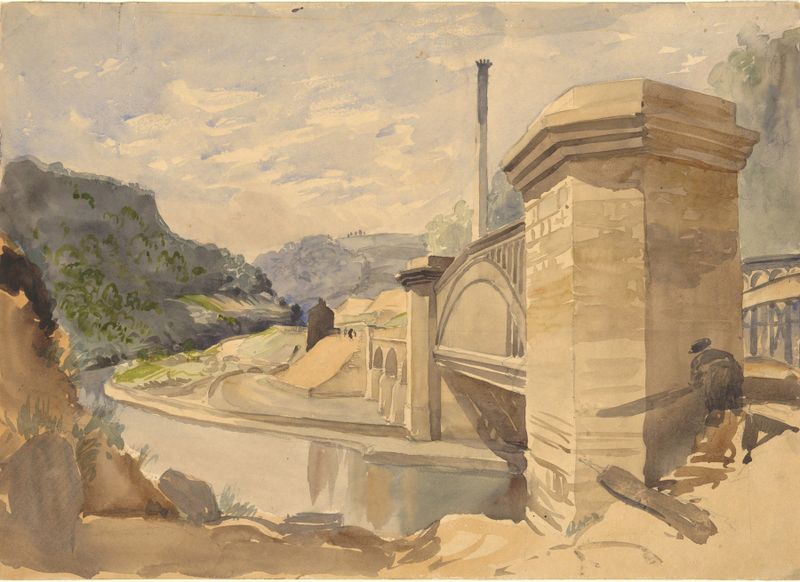
Todmorden, Yorkshire, England
Arthur Fitzwilliam Tait
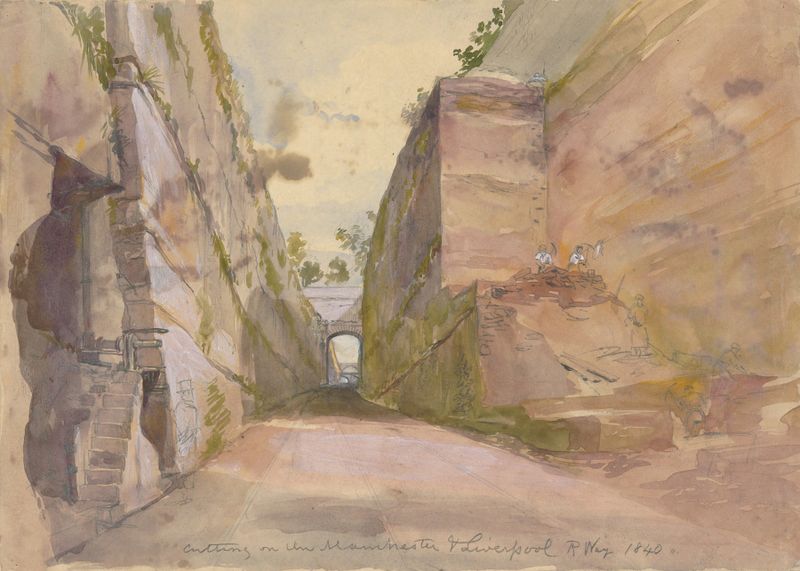
Cutting on the Manchester and Liverpool Railway
Arthur Fitzwilliam Tait





