
Todmorden Viaduct on the Manchester and Leeds Railway, England — History & Facts
In the elegant arches of a viaduct, we find both the majesty of human achievement and the burden of nature’s indifference. It invites contemplation of the forces that shape our world, both tangible and ineffable. Look to the center of the canvas where the Todmorden Viaduct stands, its towering arches a testament to engineering prowess. Notice how the intricate details of the stonework contrast with the sweeping expanse of the sky above.
The soft blues and vibrant greens cradle the structure, suggesting an idyllic coexistence with nature, while shadows play across the surface, hinting at the passage of time. The meticulous brushstrokes reveal Tait’s dedication to capturing the essence of this monumental feat, inviting viewers to linger on both its grandeur and its surroundings. Yet, within the beauty of this scene lies a deeper tension. The viaduct stretches endlessly, symbolizing humanity’s relentless drive to conquer the landscape, while the light diffusing through the clouds hints at a fleeting, ethereal quality—suggesting that such triumphs might come at a cost.
The idyllic setting is overshadowed by the weight of industrial progress, with the juxtaposition of the natural elements and manmade structure evoking feelings of transience and loss. In 1843, Arthur Fitzwilliam Tait painted this scene during a period of significant industrial growth in England. Rising alongside the expansion of railways, his work reflects not just a fascination with the innovations of the day but also an awareness of the profound changes reshaping the environment. Amidst this transformation, the artist sought to evoke a sense of both pride and poignancy in the face of progress, capturing the essence of a moment that would define both an era and an evolving relationship with nature.
More Artworks by Arthur Fitzwilliam Tait
Browse all →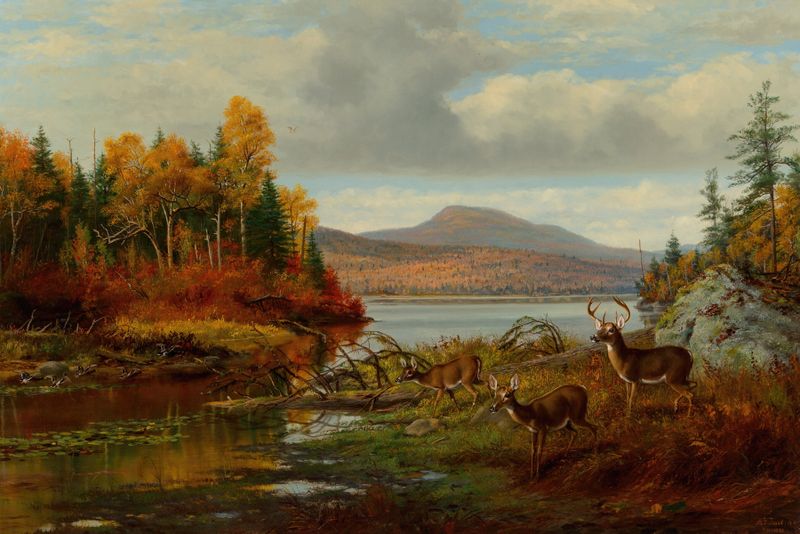
Late Autumn, Long Lake, Hamilton Co., New York, Adirondacks
Arthur Fitzwilliam Tait

View on Long Lake
Arthur Fitzwilliam Tait

Deer Stalking in Scotland; Getting Ready
Arthur Fitzwilliam Tait
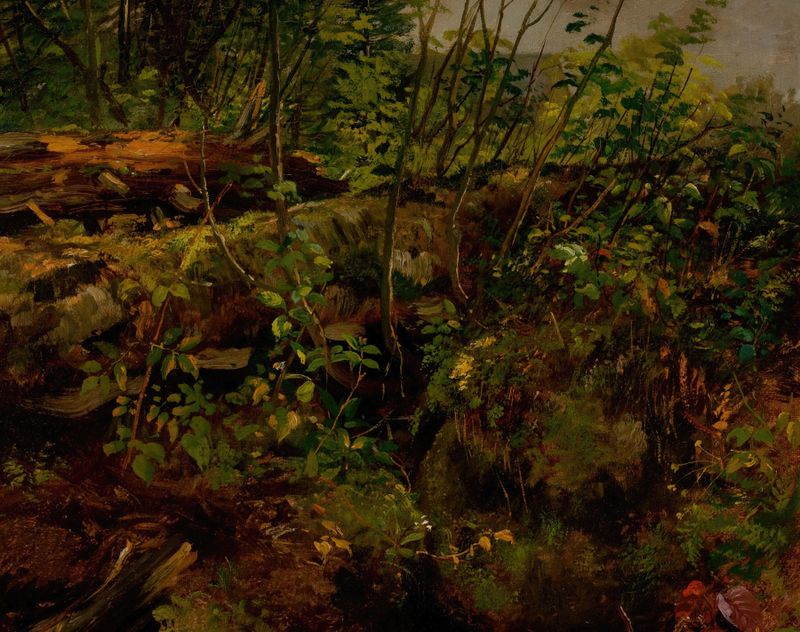
Study from Nature
Arthur Fitzwilliam Tait
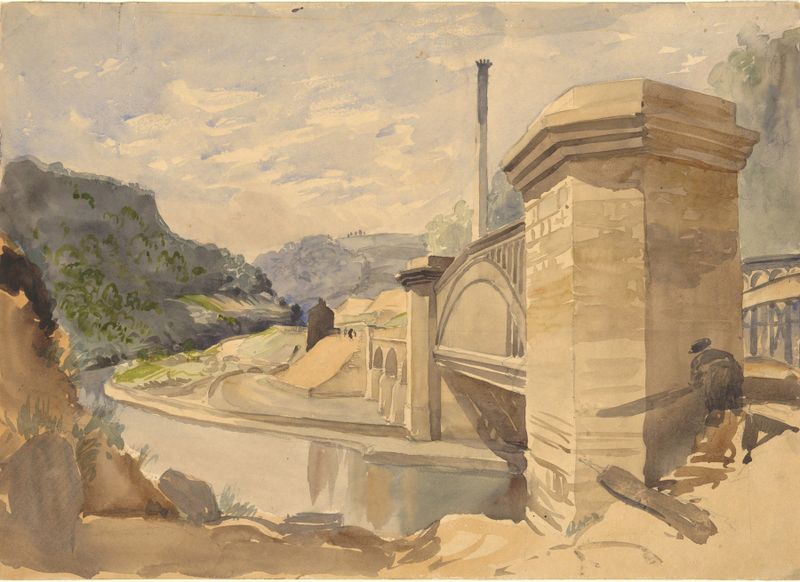
Todmorden, Yorkshire, England
Arthur Fitzwilliam Tait
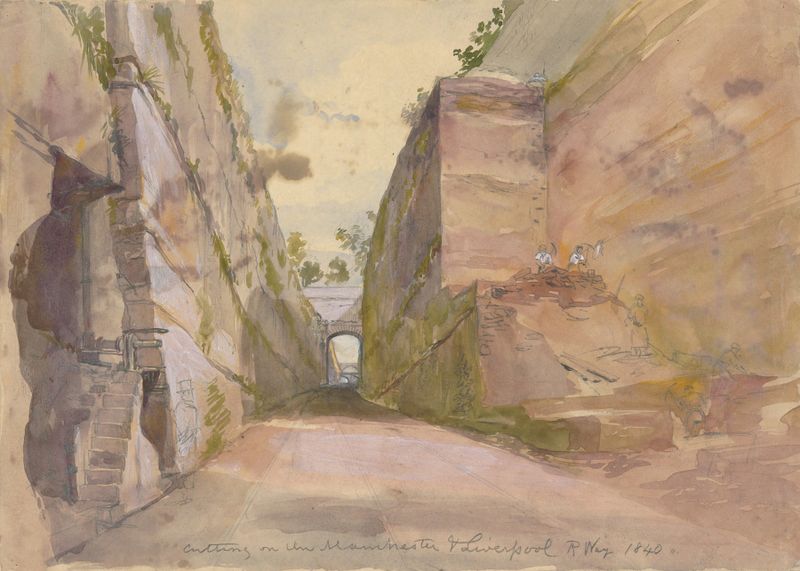
Cutting on the Manchester and Liverpool Railway
Arthur Fitzwilliam Tait
More Architecture Art
Browse all →
The statue of Liberty
Frédéric Auguste Bartholdi

View of Houses in Delft, Known as ‘The Little Street’
Johannes Vermeer

View of Houses in Delft, Known as ‘The Little Street’
Johannes Vermeer

The Cathedral in Rouen. The portal, Grey Weather
Claude Monet

The yellow house
Vincent van Gogh

The Church in Auvers-sur-Oise, View from the Chevet
Vincent van Gogh