
Study from Nature — History & Facts
Did the painter know this moment would outlive them? In Study from Nature, the essence of decay and renewal unfolds, capturing a fleeting moment in time that invites deeper contemplation. Look to the foreground, where the skeletal remains of a fallen tree lie intertwined with vibrant green foliage, a striking juxtaposition that draws the eye. Notice the artist’s meticulous attention to detail; the cracked bark of the dead wood is rendered with precision, while light dances across the fresh leaves, highlighting the lush vitality of life that surrounds it. The warm, earthy palette imbues the scene with a sense of harmony, creating a visual dialogue between life and death, beauty and decay. Within this juxtaposition lies the tension of existence — the tree's decay symbolizes the inevitable passage of time, while the surrounding greenery represents resilience and renewal.
The play of light suggests a moment suspended between the two states, evoking an emotional response to the cycle of nature. This harmony of contrasts brings forth a deeper understanding of life’s transient beauty and the inevitability of change. In 1869, Arthur Fitzwilliam Tait was immersed in the Hudson River School movement, which sought to encapsulate the sublime beauty of American landscapes. Living in a rapidly changing world marked by industrialization, Tait’s works often reflected a reverence for unspoiled nature.
During this period, he honed his skills through observation, aiming to convey the complex relationships within ecosystems, a pursuit clearly embodied in this poignant study.
More Artworks by Arthur Fitzwilliam Tait
Browse all →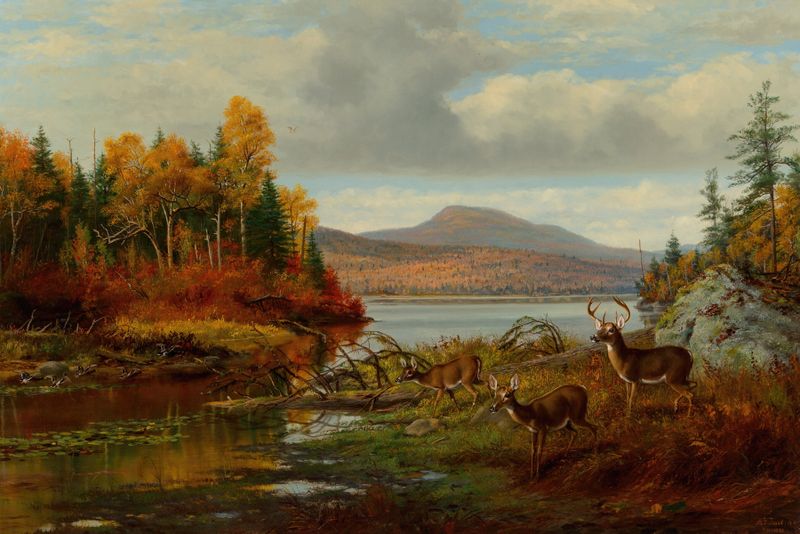
Late Autumn, Long Lake, Hamilton Co., New York, Adirondacks
Arthur Fitzwilliam Tait

View on Long Lake
Arthur Fitzwilliam Tait

Deer Stalking in Scotland; Getting Ready
Arthur Fitzwilliam Tait

Todmorden Viaduct on the Manchester and Leeds Railway, England
Arthur Fitzwilliam Tait
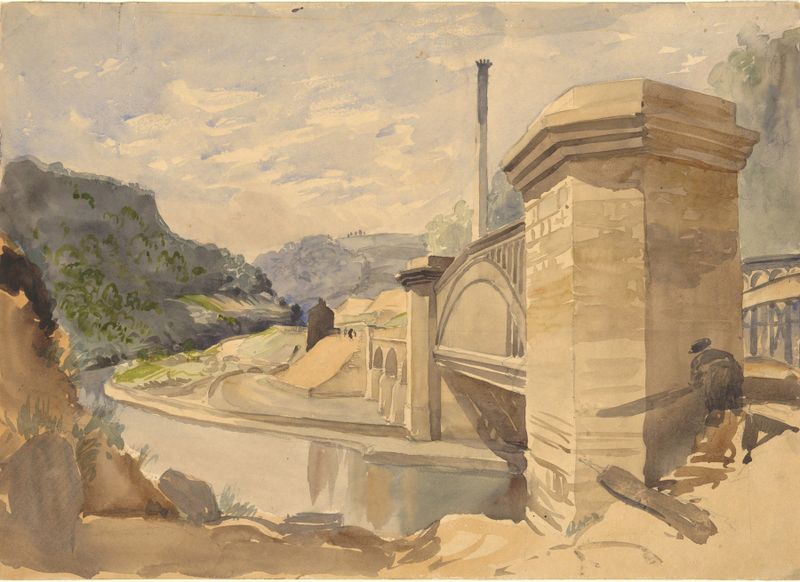
Todmorden, Yorkshire, England
Arthur Fitzwilliam Tait
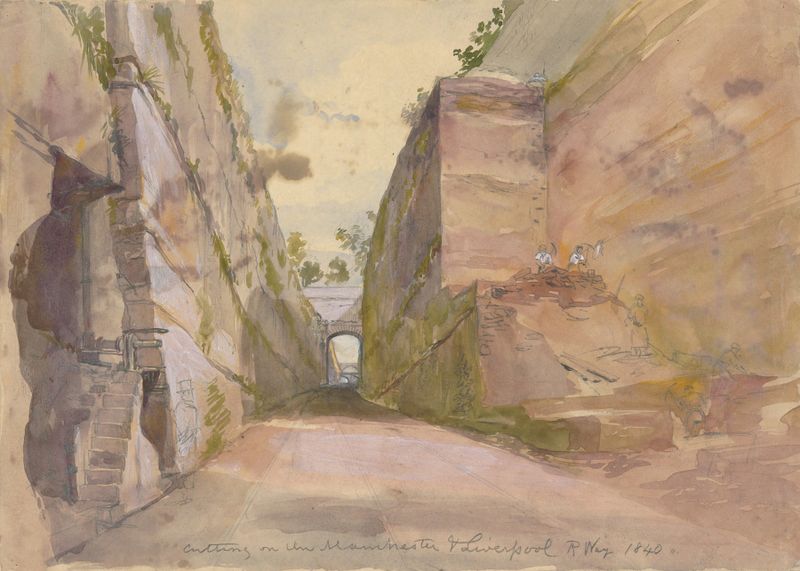
Cutting on the Manchester and Liverpool Railway
Arthur Fitzwilliam Tait





