
Todmorden, Yorkshire, England — History & Facts
In the stillness of a landscape, nature and time merge into a poignant reflection on mortality, reminding us that every moment is both transient and eternal. Look to the lower left, where a shimmering brook meanders through lush greenery, inviting the eye to follow its gentle flow. Notice how the light spills across the landscape, illuminating patches of wildflowers that dance in a subtle breeze, their vibrant colors contrasting the darker, stoic trees in the background. Each stroke of the brush reveals Tait's mastery in capturing the essence of an English countryside, where an idyllic scene masks the underlying passage of time. As you explore further, the tranquility of this rural setting evokes a bittersweet tension.
The whisper of life amongst the vivid blooms suggests both joy and fragility, while the expansive sky hints at the vastness of existence beyond this moment. The quiet presence of the trees, standing like silent witnesses, embodies the enduring nature of the landscape—a reminder of life's inescapable cycle of birth and decay. Here, beauty coexists with a sense of inevitable change, urging viewers to pause and reflect. Arthur Fitzwilliam Tait painted this work in 1843, during a time when Romanticism flourished, and artists sought to connect with nature on a deeper level.
Living in America at the time, Tait was influenced by the burgeoning movement that celebrated both the sublime beauty and the harsh realities of the natural world. His experiences traversing both England and the expansive American wilderness profoundly shaped his perspective, resulting in works that eloquently communicate the complexities of the human experience within nature's embrace.
More Artworks by Arthur Fitzwilliam Tait
Browse all →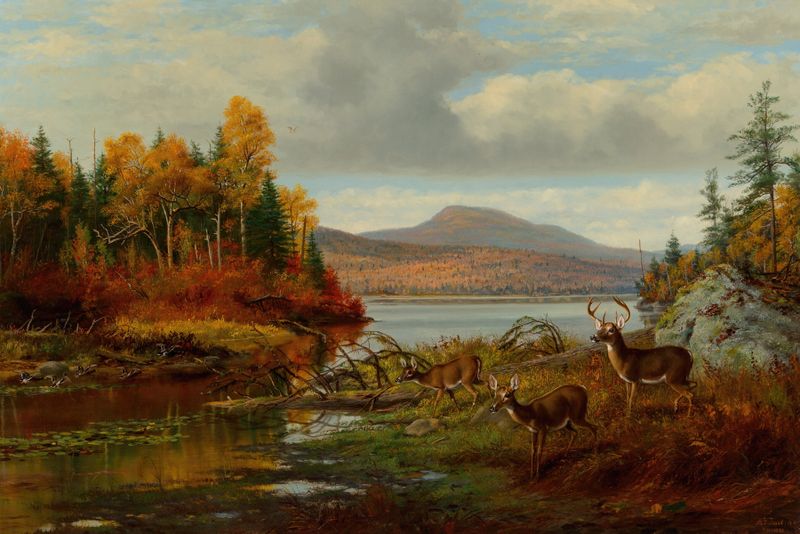
Late Autumn, Long Lake, Hamilton Co., New York, Adirondacks
Arthur Fitzwilliam Tait

View on Long Lake
Arthur Fitzwilliam Tait

Deer Stalking in Scotland; Getting Ready
Arthur Fitzwilliam Tait

Todmorden Viaduct on the Manchester and Leeds Railway, England
Arthur Fitzwilliam Tait
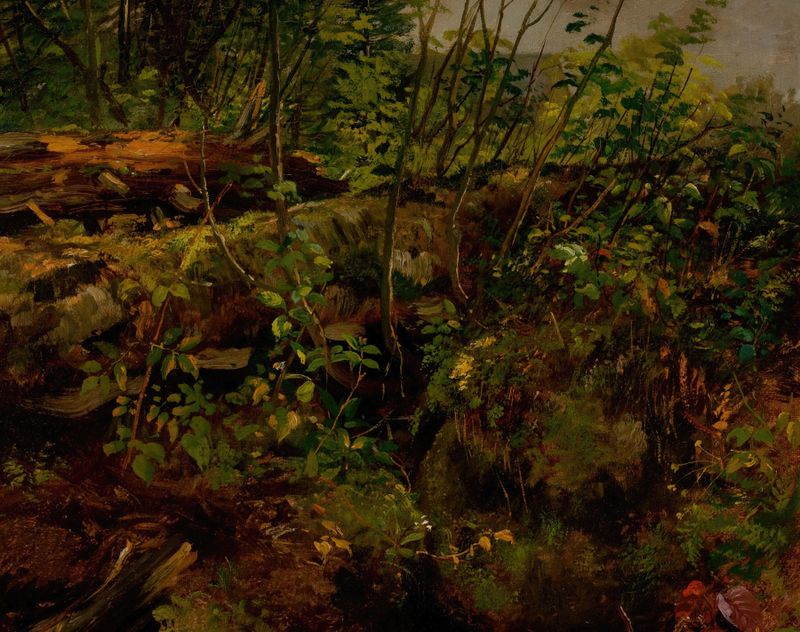
Study from Nature
Arthur Fitzwilliam Tait
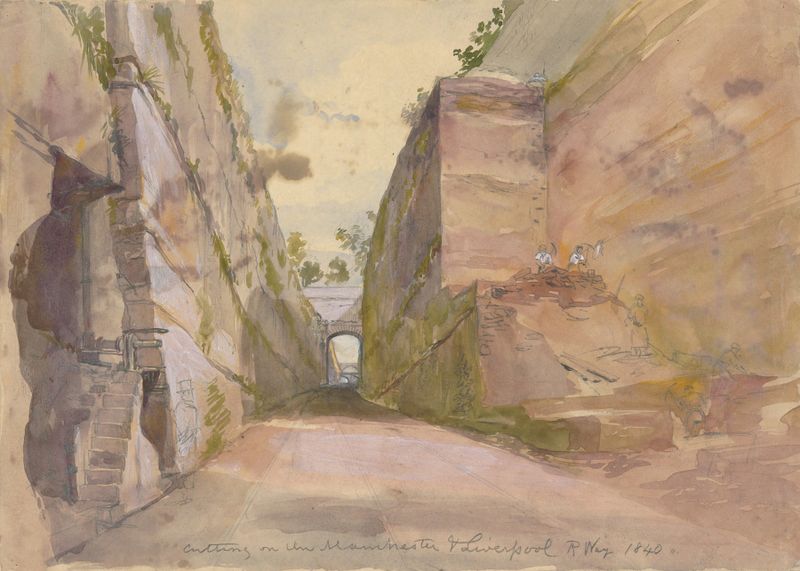
Cutting on the Manchester and Liverpool Railway
Arthur Fitzwilliam Tait





