
Delft. — History & Facts
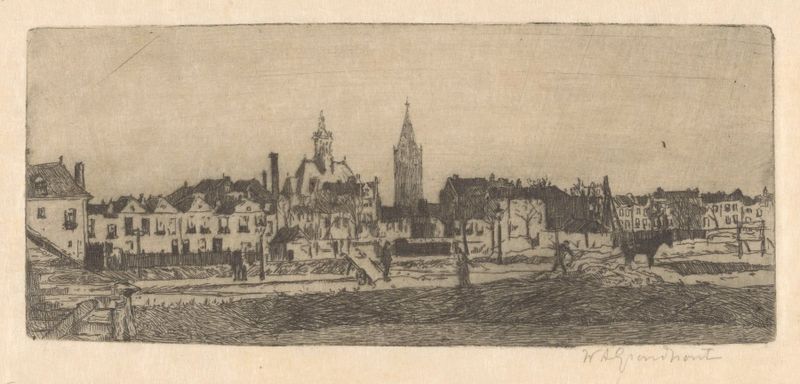
What secret hides in the quiet of the canvas? Beneath the surface of tranquil waters and soft light, Delft whispers stories of reflection that beg to be explored. Look to the foreground, where the serene canal reflects the delicate outlines of historic architecture bathed in golden hues. The cool blues and muted earth tones create a harmonious dialogue, while dappled sunlight dances upon the water's surface, inviting the viewer into the heart of the scene. The balance between the buildings and their mirrored counterparts draws the eye, urging us to contemplate the interplay between reality and its echo. Beneath its placid exterior, the artwork reveals a subtle tension between memory and the present.
The stillness of the water suggests a moment frozen in time, while the gentle ripples allude to the passing of time and the inevitable changes it brings. Additionally, the muted colors reflect a sense of nostalgia, inviting us to ponder what lies beneath the surface — the stories held within each building, perhaps even the artist's own musings about past and future. Created between 1888 and 1934, this piece emerged during a period of profound change in Europe, with post-impressionism altering the landscape of art. Grondhout, influenced by the beauty of his surroundings in the Netherlands, sought to capture the essence of his hometown with a unique lens.
The quiet elegance of Delft stands as a testament to both his artistic vision and the rich cultural heritage of the area, marking a notable moment in the evolution of Dutch landscape painting.
More Artworks by Willem Adrianus Grondhout
Browse all →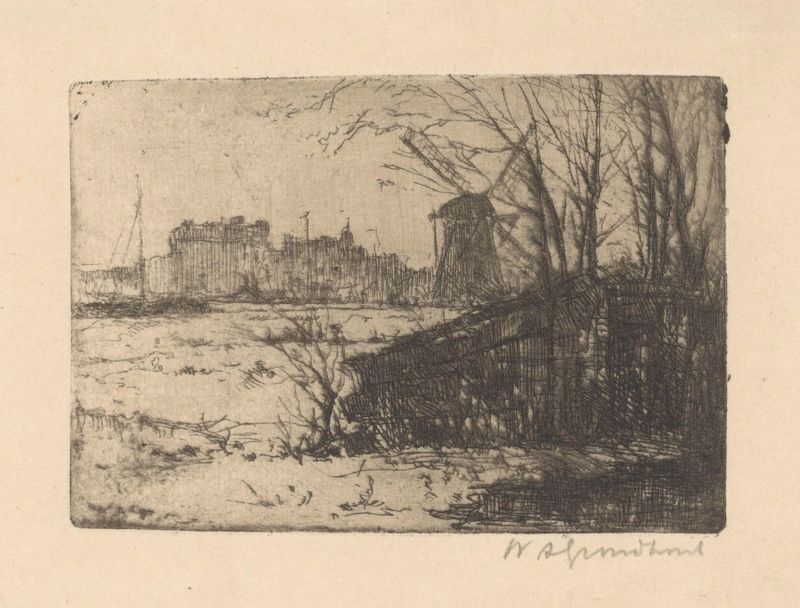
Landschap met molen in de Binckhorst in Den Haag
Willem Adrianus Grondhout
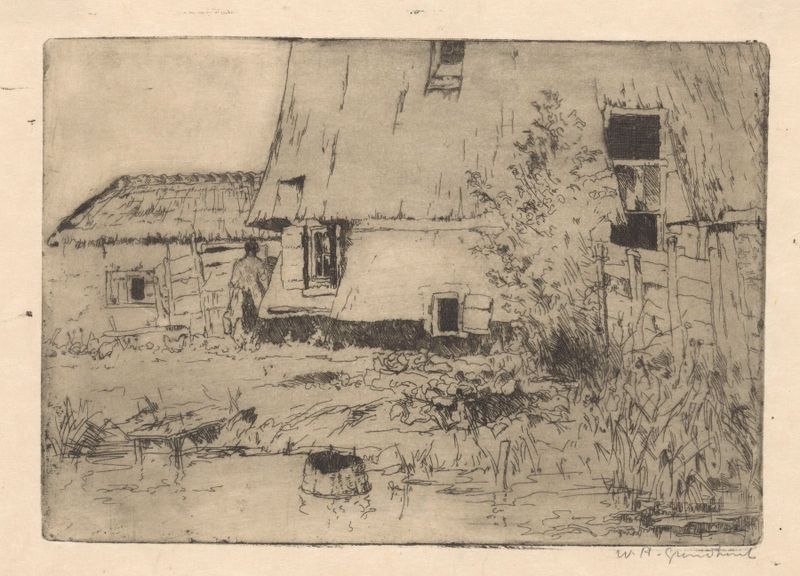
Voet van een molen in Voorburg
Willem Adrianus Grondhout
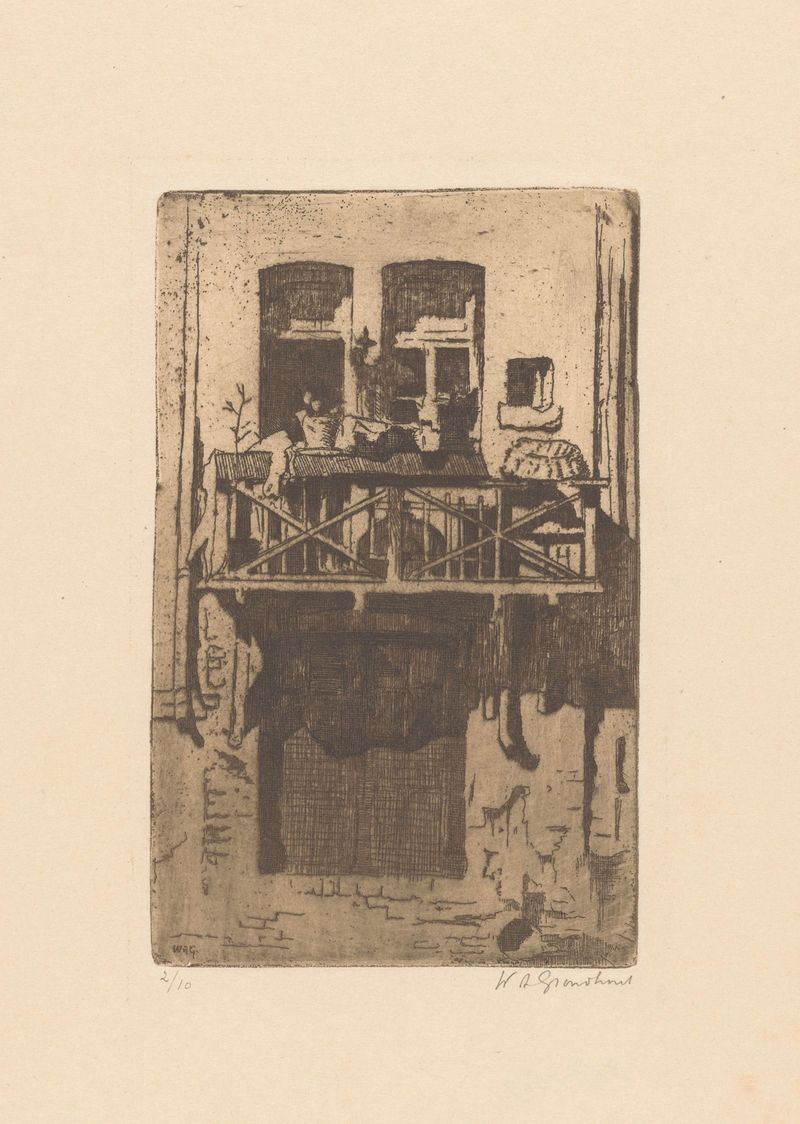
Balkon van een huis aan de Oudezijds Kolk in Amsterdam
Willem Adrianus Grondhout
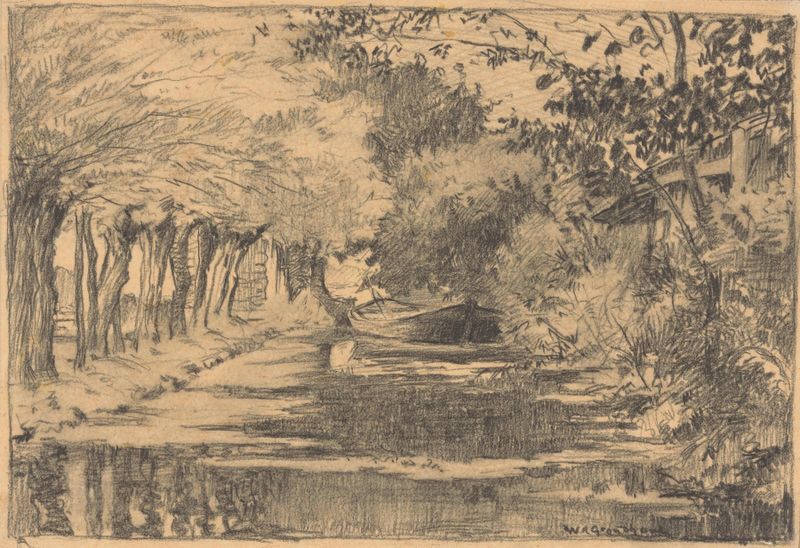
Broeksloot bij Voorburg
Willem Adrianus Grondhout
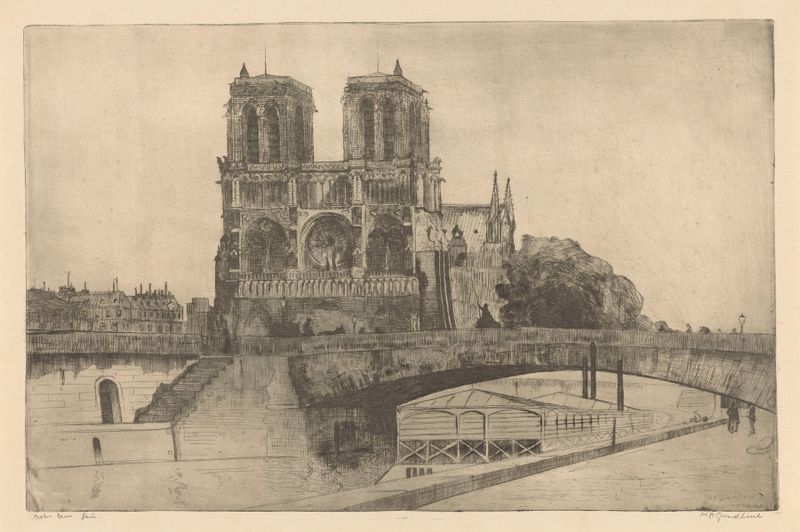
Notre-Dame, Paris
Willem Adrianus Grondhout
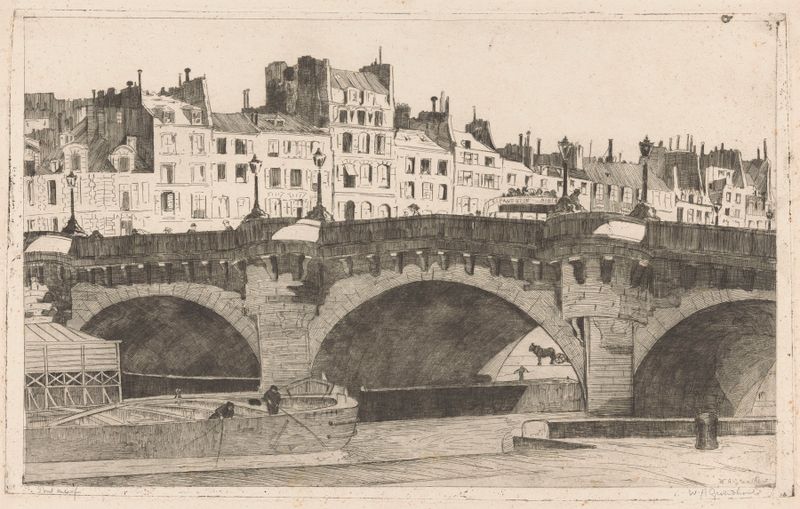
Pont Neuf
Willem Adrianus Grondhout
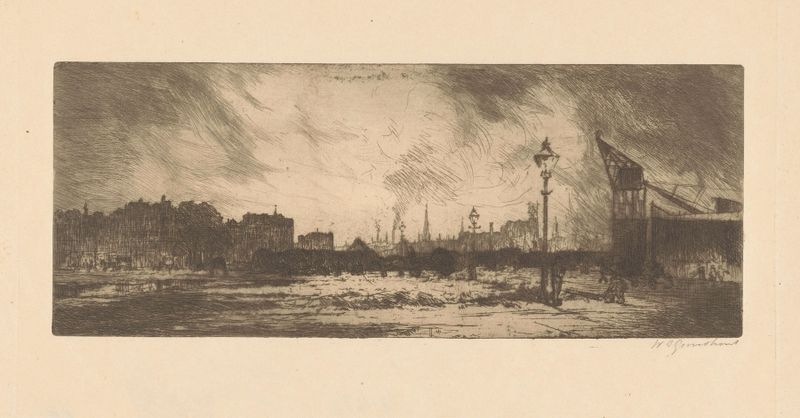
Havenkade met lantaarnpalen in Rotterdam
Willem Adrianus Grondhout
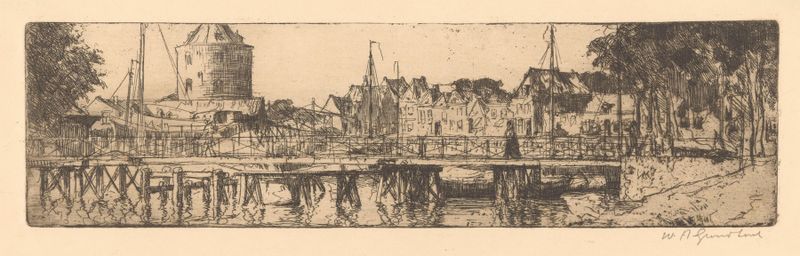
Enkhuizen
Willem Adrianus Grondhout
Straatje in Voorburg.
Willem Adrianus Grondhout
Delft
Willem Adrianus Grondhout





