
Denman W. Ross (1853-1935) — History & Facts
In the stillness of Denman W. Ross, a profound sense of grief permeates the canvas, inviting viewers to engage with the unspoken narratives that linger in the air. Look to the center of the composition, where the figure stands enveloped in a muted palette of deep greens and somber grays. The brushstrokes are smooth yet deliberate, creating an atmosphere that feels almost suffocating.
Notice how the light subtly caresses the contours of the figure, illuminating the delicate features of a face etched with sorrow, hinting at a world beneath the surface that remains unvoiced. The juxtaposition of shadow and light draws the viewer into an intimate space, compelling them to ponder the weight of the emotions conveyed. Layered within the work are contrasts of presence and absence. The faint outline of a background suggests a space once filled with warmth and laughter, now overshadowed by the palpable loss that defines the figure.
Every detail—the slight tilt of the head, the clasped hands—echoes a history marked by heartache, intertwining personal grief with a universal experience that resonates deeply. This tension between visible strength and hidden vulnerability forms a poignant commentary on the nature of mourning, silently urging the audience to reflect on their own encounters with loss. In 1928, Kanji Nakamura painted this piece during a period of personal and artistic exploration. Living in an era where traditional Japanese influences were being challenged by Western styles, his work began to bridge these worlds while expressing complex emotional landscapes.
Grief was not just a private affair; it was a collective condition that permeated society amidst a backdrop of change and uncertainty, shaping Nakamura's approach to his art.
More Artworks by Kanji Nakamura
Browse all →
Courtyard of an Old Palace, Palermo
Kanji Nakamura
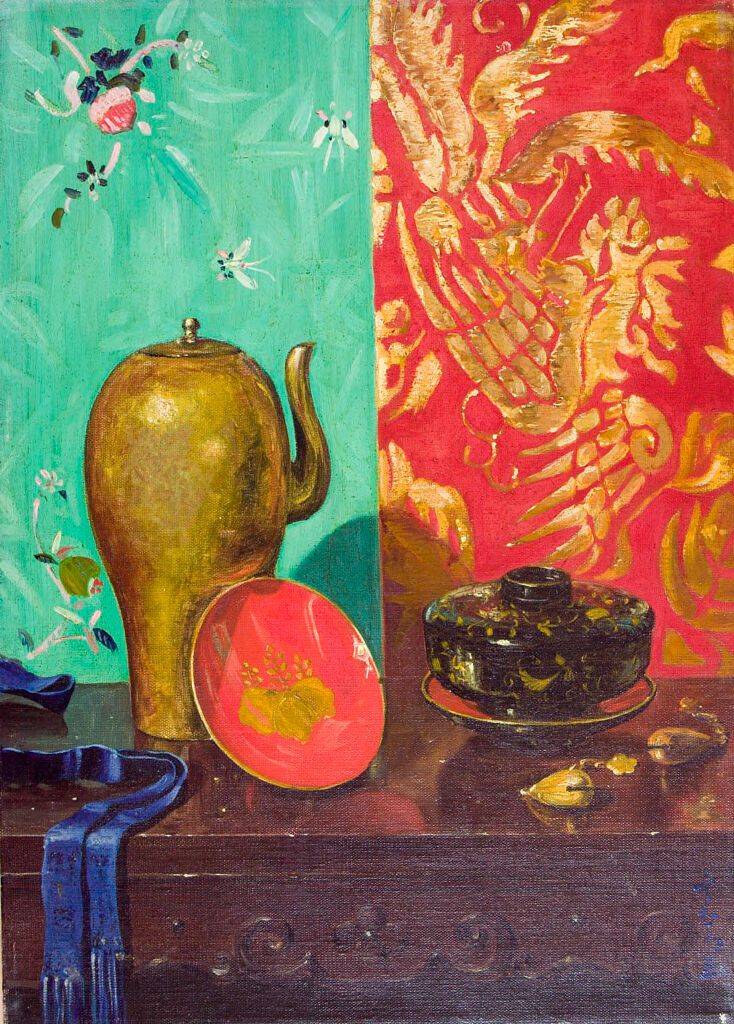
Still Life with Vessel, Plate and Ink Jar
Kanji Nakamura
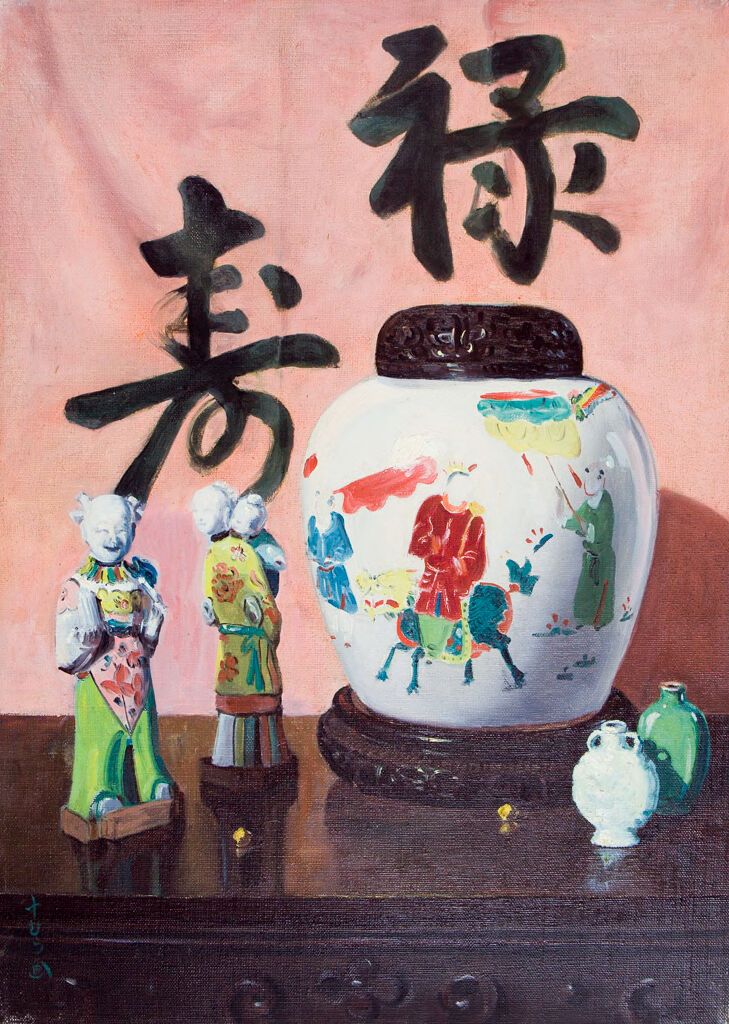
Still Life with Jars and Figurines
Kanji Nakamura
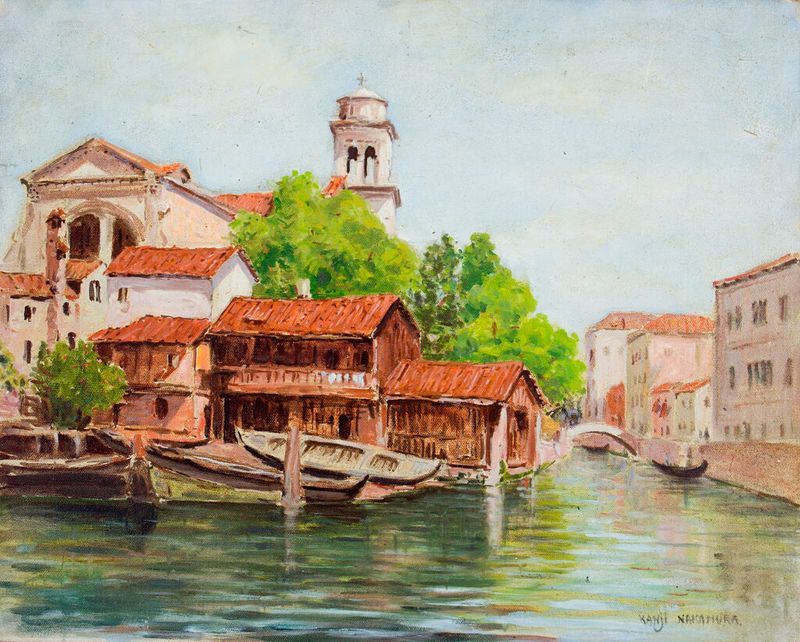
Canal Scene with Buildings and Steeple
Kanji Nakamura

Flowers
Kanji Nakamura

Orizaba, Mexico
Kanji Nakamura

Self-Portrait
Kanji Nakamura

Still Life with Oriental Head
Kanji Nakamura
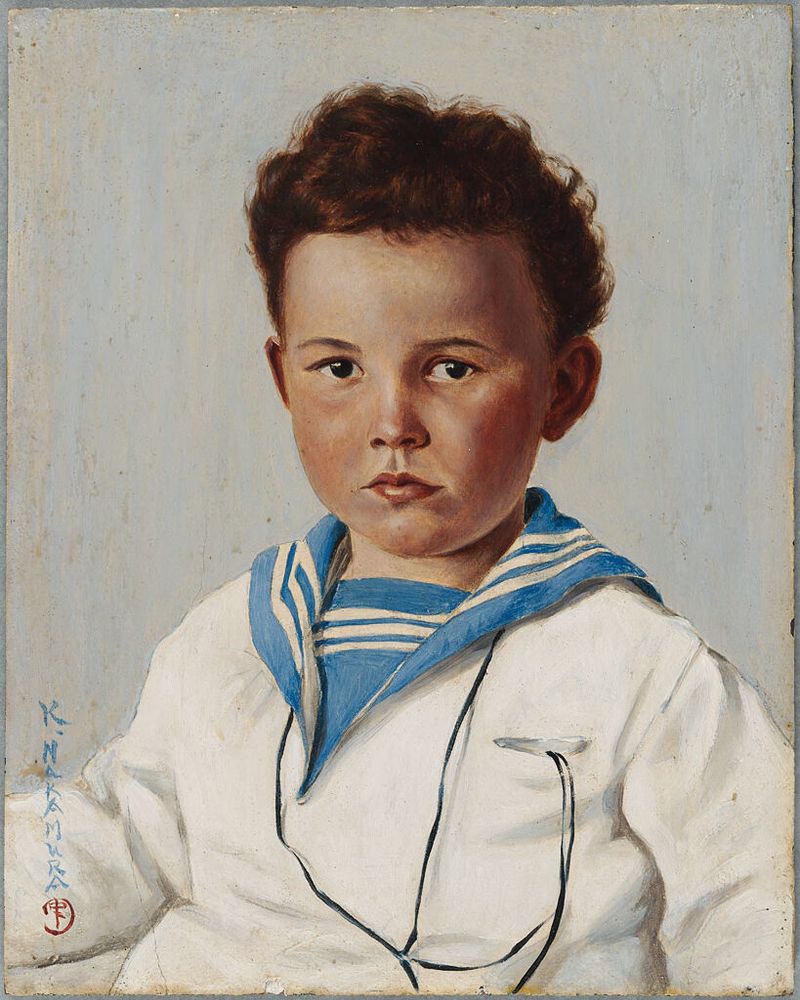
Portrait of a Boy
Kanji Nakamura

Still Life with Grapes and Pomegranates
Kanji Nakamura





