
Der Abbruch des Totentanzes zu Basel — History & Facts
In the stillness of time, the dreams of the past merge with the shadows of the present, inviting contemplation on the ephemeral nature of existence. In this liminal space, one can sense the weight of memory and the fading echoes of life. Look to the center of the composition, where the haunting figures emerge from a misty background, their ethereal forms suspended between reality and the otherworldly. Notice how soft, muted colors blend seamlessly, creating a dreamscape that feels both familiar and distant.
The brushwork, delicate yet deliberate, guides the eye through the chaos of emotions, emphasizing the fragility of human connection amidst the swirling depths of grief and loss. The interplay between light and shadow reveals deeper tensions within the work. Each figure, draped in sorrow, embodies a unique story — a poignant reminder of mortality. There’s a striking contrast between the vibrant hues of life encroaching on the scene and the desolate tones that signify the end.
This duality speaks to the artist's exploration of hope and despair, urging viewers to confront the complexities of their own dreams and nightmares. Created during the turbulent years of 1915 to 1945, this piece emerged from the heart of a world at war, where existential questions loomed large. Constantin Guise, grappling with personal loss and societal upheaval, sought to capture the essence of life’s fragility on the canvas. His work reflects a broader movement in art, which increasingly delved into the subconscious and the human condition, mirroring the collective anxiety of an era marked by uncertainty and change.
More Artworks by Constantin Guise
Browse all →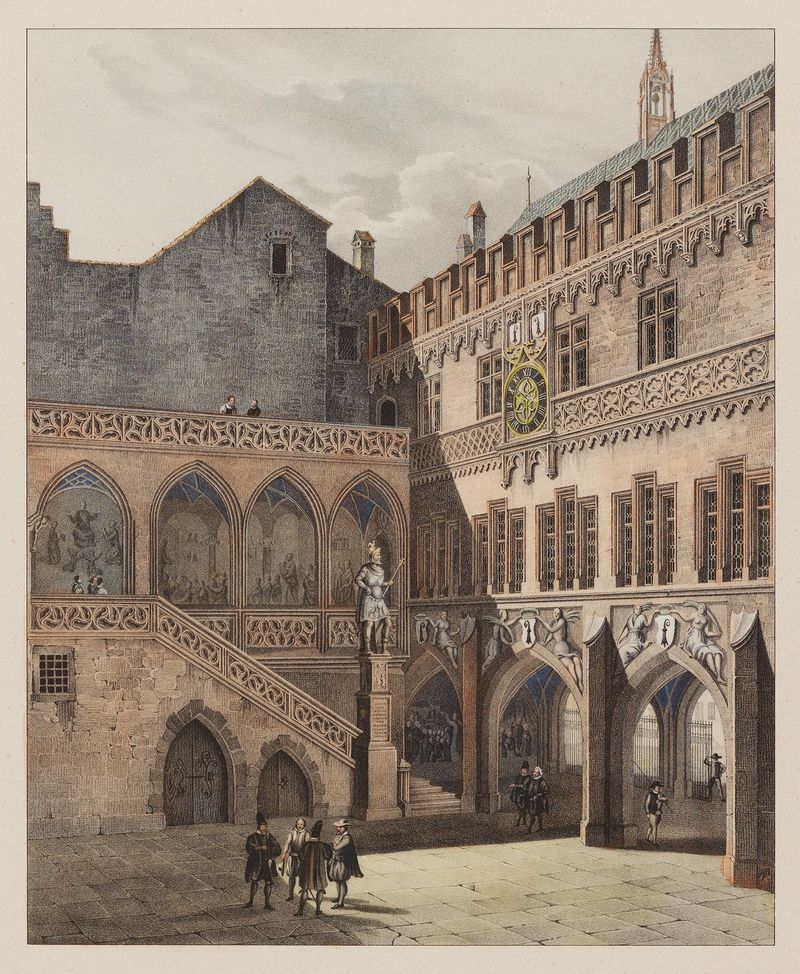
Cour de la maison de ville à Basle
Constantin Guise
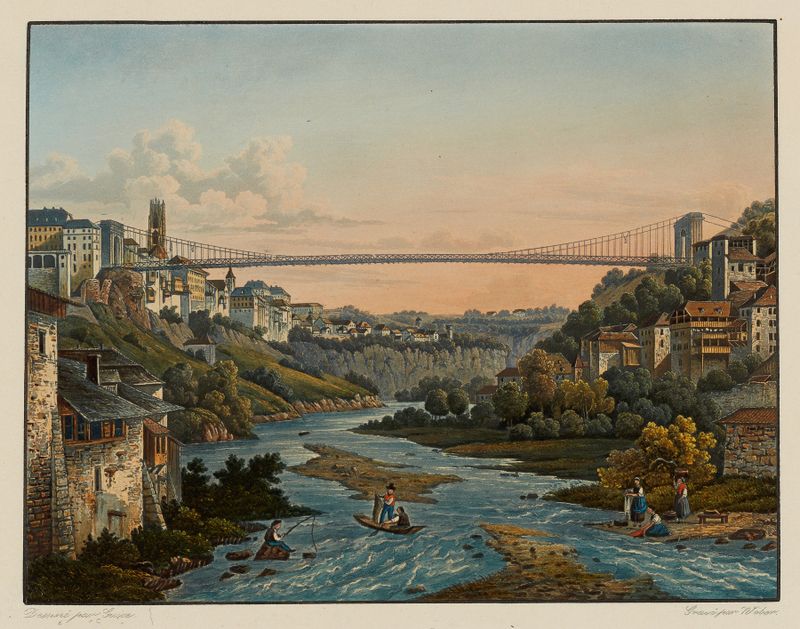
Vue de Fribourg et du Pont de fil en fer
Constantin Guise
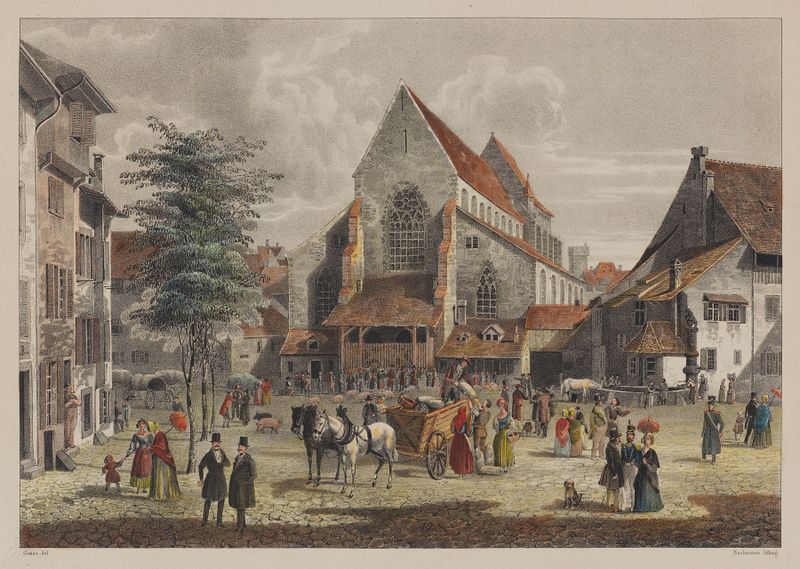
Eglise des Cordeliers à Basle
Constantin Guise
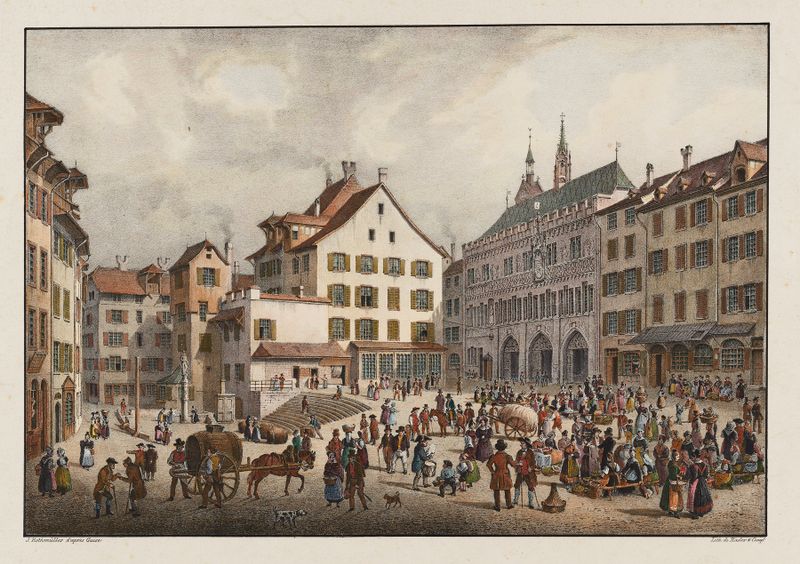
Vue du marché & de la maison de ville à Basle
Constantin Guise
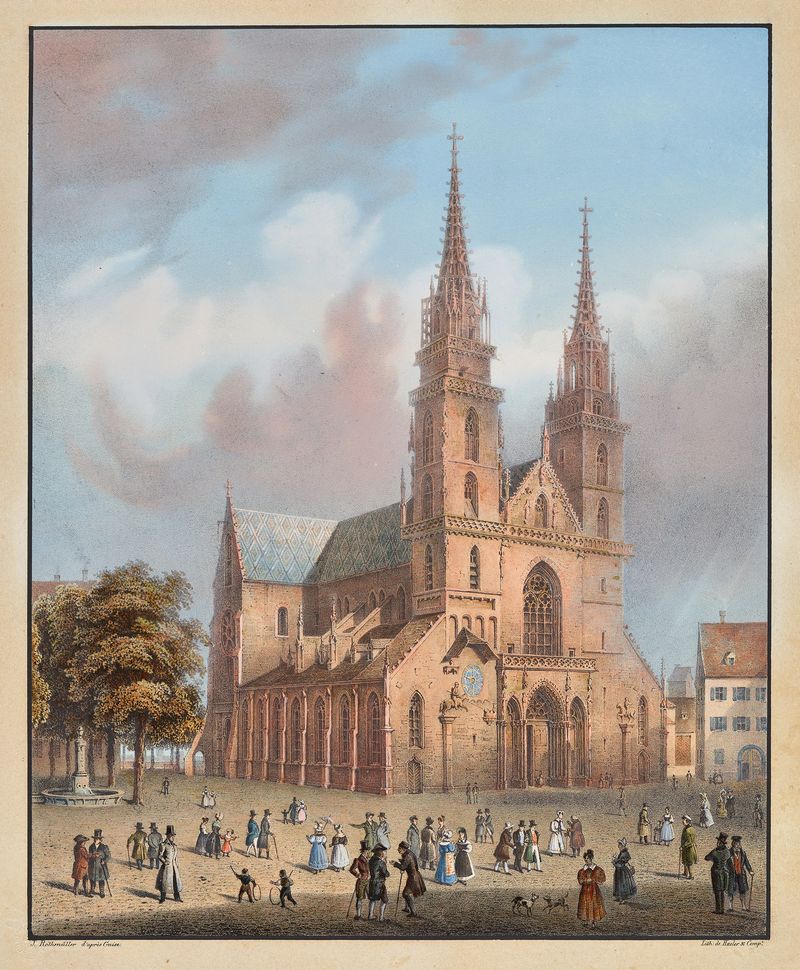
Vue de la cathédrale à Basle
Constantin Guise

La Maison de ville à Basle
Constantin Guise
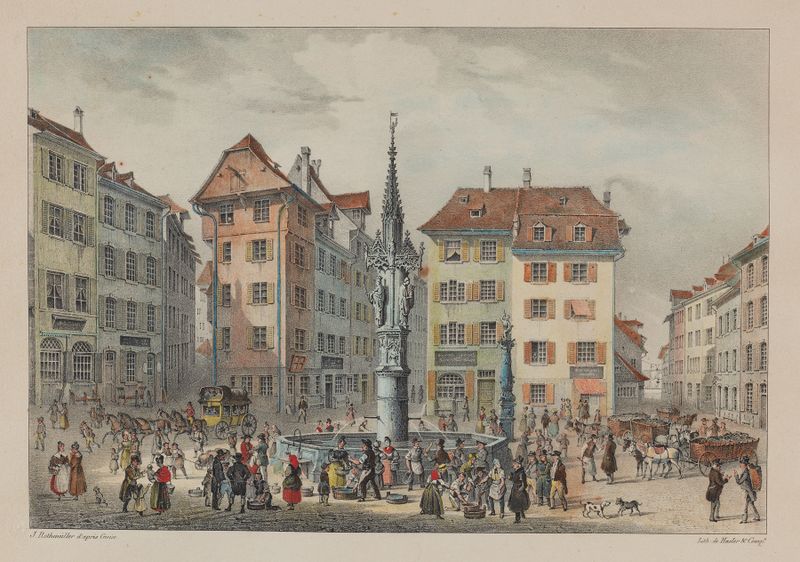
Vue du marché aux poissons à Basle
Constantin Guise





