
Der braune Bach — History & Facts
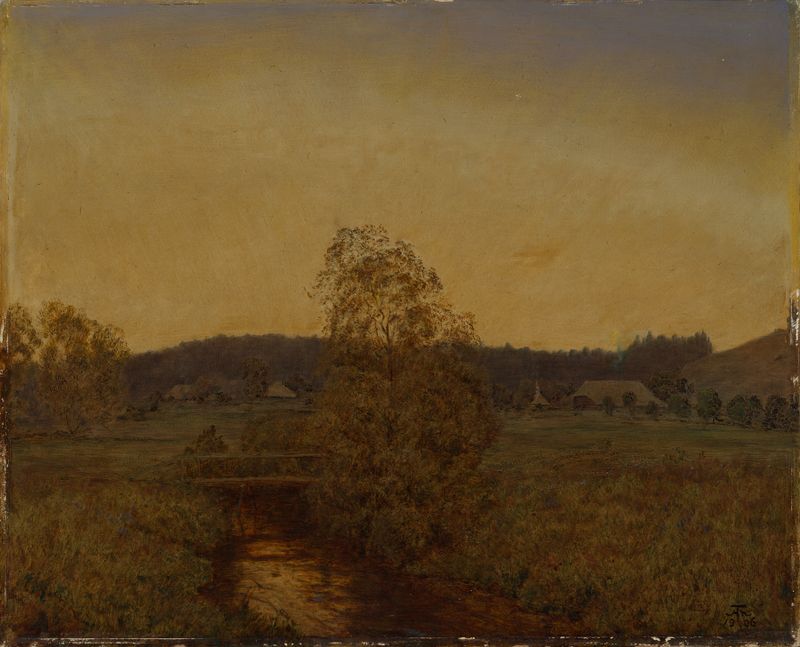
In Der braune Bach, the juxtaposition of color and form hints at a deeper longing, transforming hope into a tangible experience. Look to the center where the brook winds its way through a dense thicket of trees, their leaves a cacophony of greens blended with hints of gold. Notice how the light filters through the foliage, casting dappled shadows upon the water's surface, creating an interplay that breathes life into the scene. The artist’s deft brushwork renders the reflection of the overhanging branches as they lean towards the stream, inviting the viewer to immerse themselves in the tranquility and depth of the natural world. Yet beneath this serene surface, a tension simmers.
The earthy browns of the stream evoke a sense of melancholy, contrasting sharply with the vibrant greens. The delicate balance of colors speaks to the duality of existence—joy intertwined with sadness. The brook, a symbol of life’s journey, appears to carry both the weight of sorrow and the promise of renewal, suggesting an eternal cycle that resonates deeply within us. In 1882, Hans Thoma painted this work during a time of personal reflection and artistic exploration in Germany.
The country was undergoing political changes and cultural shifts, with the Romantic movement influencing his approach to nature and emotion. It was a period where Thoma sought to proclaim a connection between the human spirit and the natural world, capturing the essence of both beauty and struggle on canvas.
More Artworks by Hans Thoma
Browse all →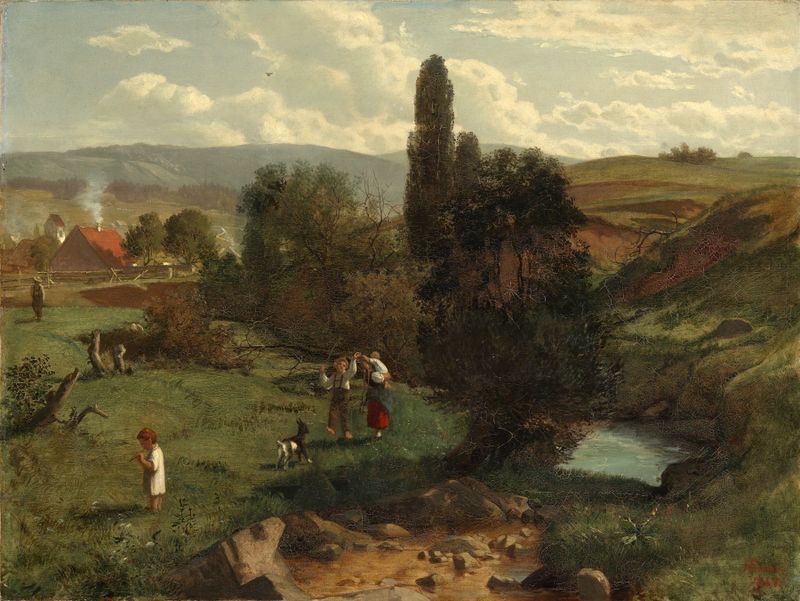
Schwarzwaldlandschaft
Hans Thoma
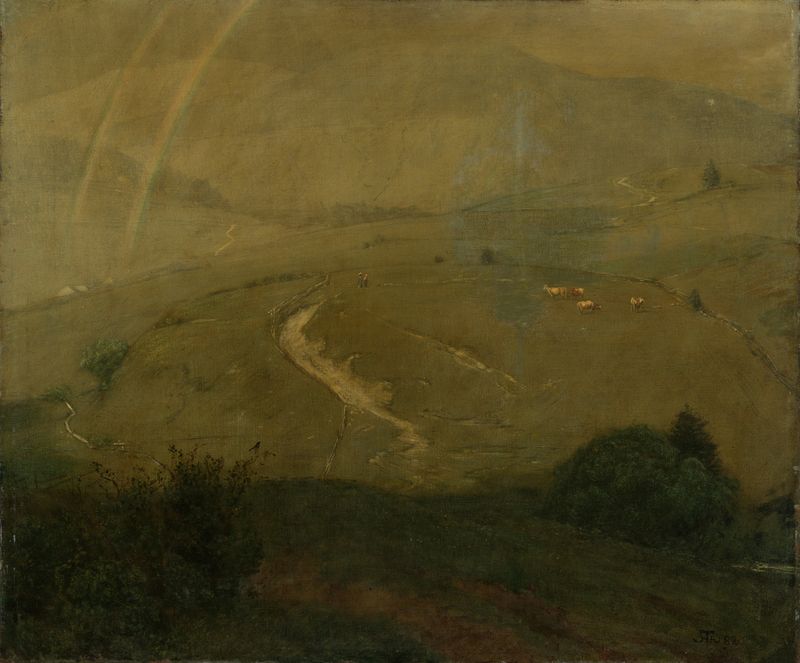
Regen im Schwarzwald
Hans Thoma
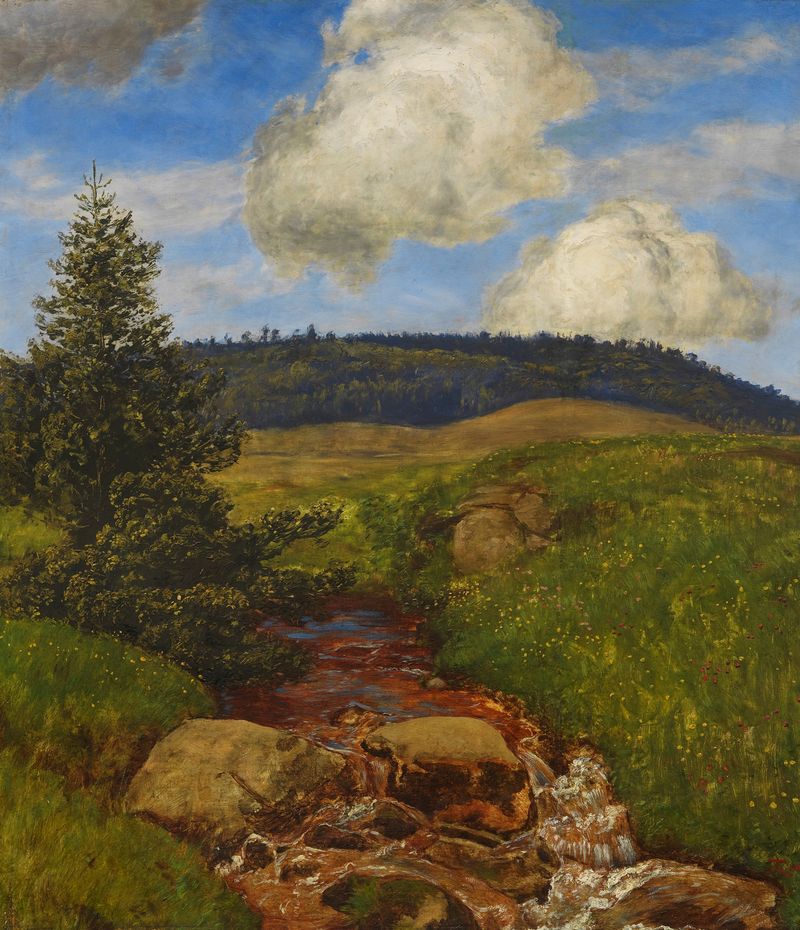
Schwarzwaldbach
Hans Thoma
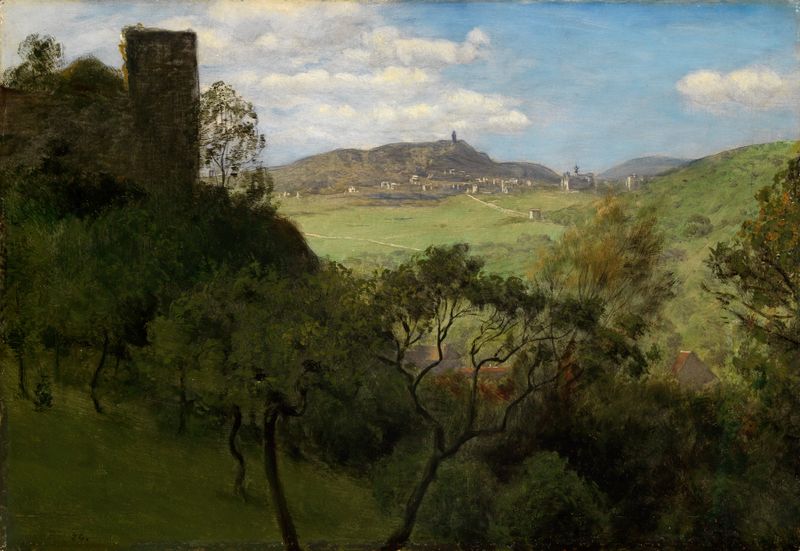
Blick auf Falkenstein im Taunus
Hans Thoma
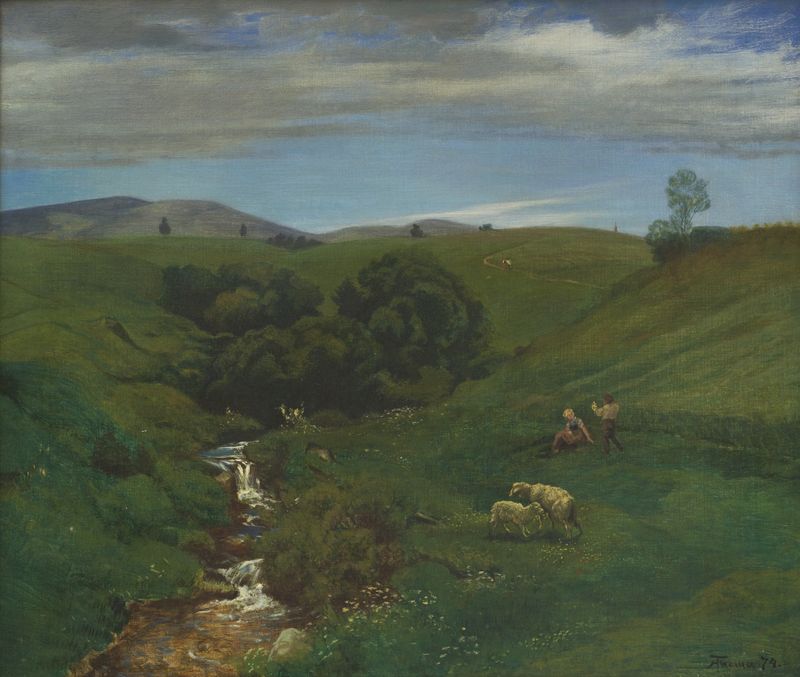
Black Forest Meadow near Bernau
Hans Thoma
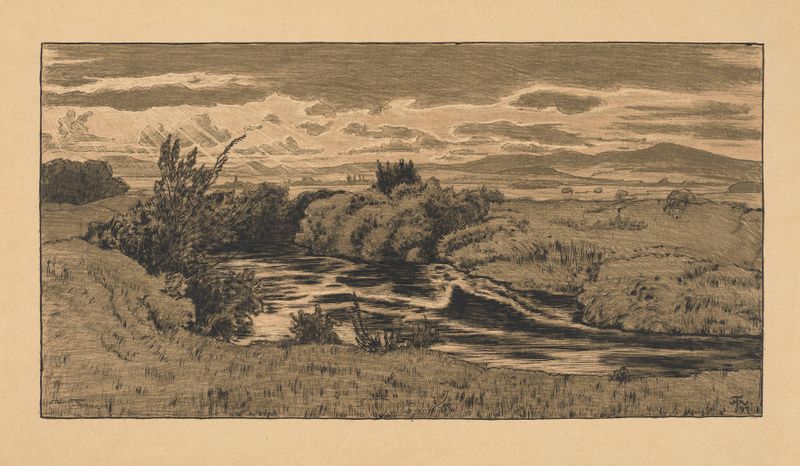
Evening by the Nidda River
Hans Thoma
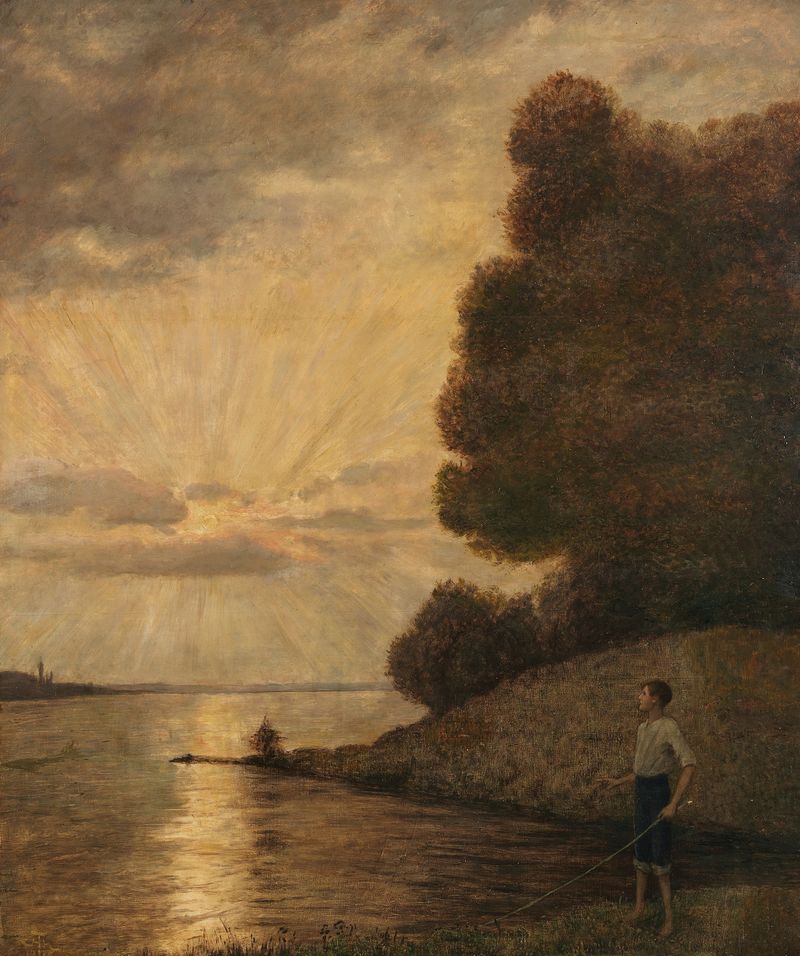
Sonnenuntergang am Oberrhein
Hans Thoma
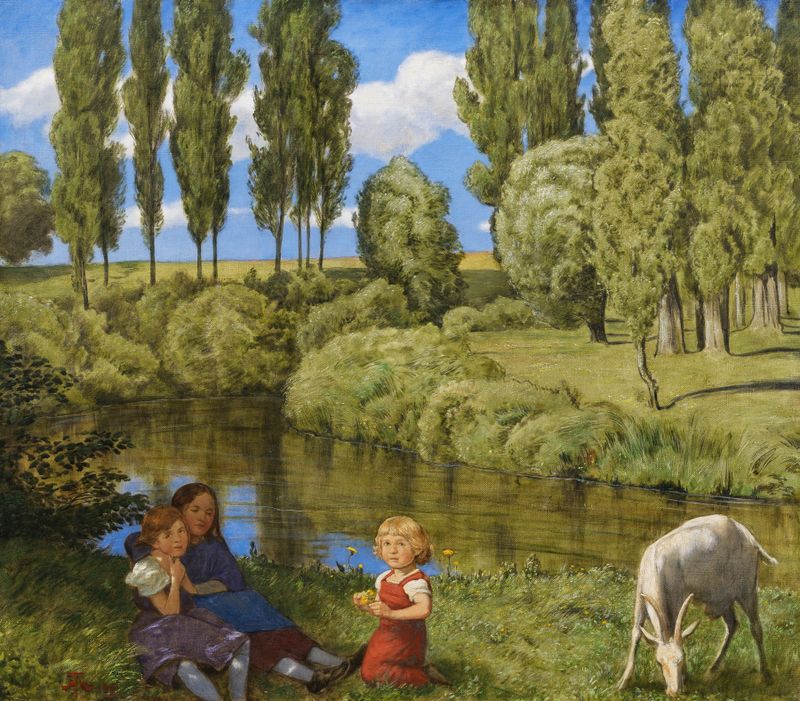
Am Stillen Bach
Hans Thoma
Der Abendstern
Hans Thoma
Das Rheintal bei Säckingen
Hans Thoma





