
Der Eiger, der Mönch und der Silberhorn in der Schweiz — History & Facts
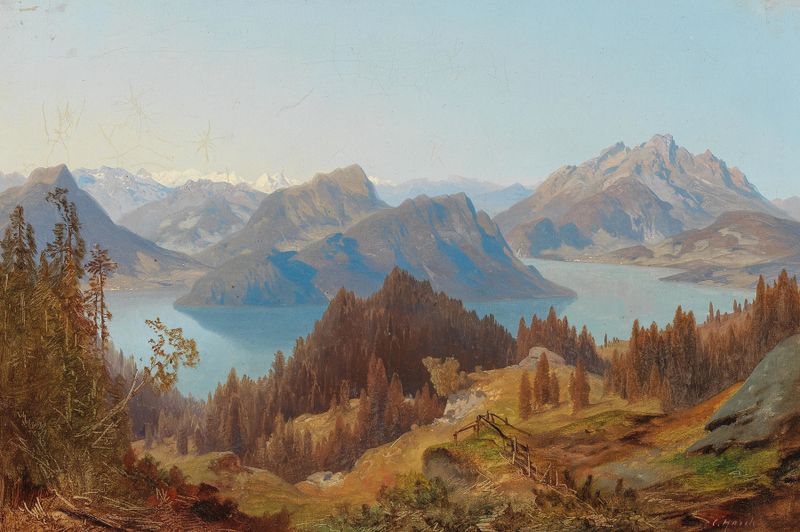
In the realm of dreams, mountains rise not only in form but in spirit, whispering the tales of those who dare to journey towards them. Look to the left at the towering peaks, where the Eiger stands resolutely, cloaked in soft hues of blue and grey. Its jagged silhouette contrasts against the delicate wisps of clouds that caress its summit, while the gentle strokes of white evoke the chill of alpine air. Notice how the sunlight bathes the foreground in a warm, golden glow, inviting the viewer into this serene yet majestic landscape.
The composition draws the eye upward, creating a sense of yearning and admiration, as if the viewer is compelled to ascend alongside the painted figures that traverse the rugged terrain. Hidden within this tableau is a tension between ambition and solitude. The mountain's formidable presence suggests the struggles faced by those who seek adventure, while the vibrant valley below hints at the dreamers who remain grounded. The interplay of light and shadow communicates not just physical distance but emotional depth, offering a glimpse into the inner landscape of human aspiration. Carl Hasch painted this remarkable work in 1871, during a period when the fascination with nature and the sublime was burgeoning in the art world.
Living in the heart of the Swiss Alps, he was surrounded by the awe-inspiring beauty that would define much of his oeuvre. This painting reflects both his deep appreciation for the environment and the broader Romantic movement, which celebrated the grandeur of nature as a means of exploring human emotion and experience.
More Artworks by Carl Hasch
Browse all →
Gebirgsbach in der Ramsau
Carl Hasch

Jäger im Hochgebirge
Carl Hasch
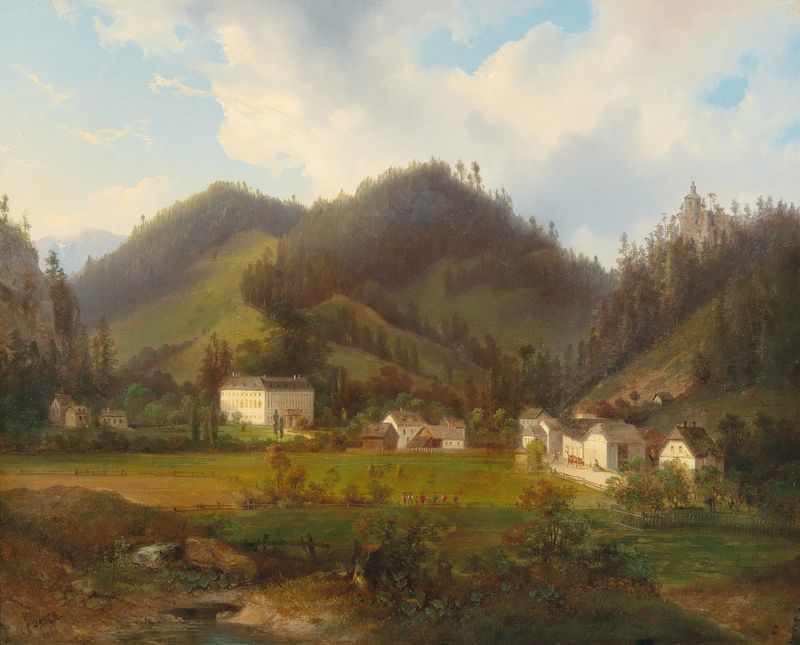
View of Schloss Gutenstein
Carl Hasch
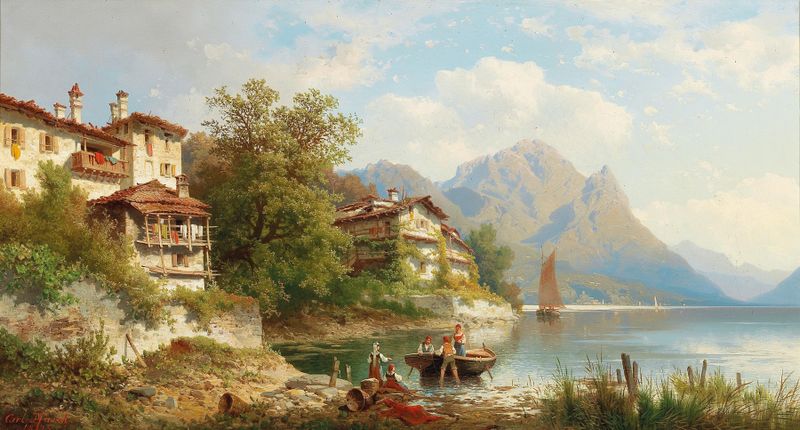
Motiv aus Gandria am Lago di Lugano
Carl Hasch

Waldmühle bei Windischgarsten
Carl Hasch

Waterfall
Carl Hasch

Am Seebach in Prag
Carl Hasch
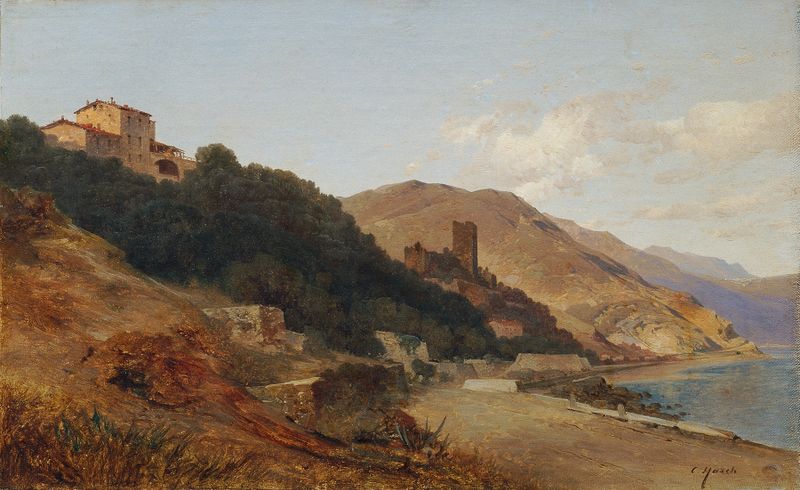
Italienische Abendlandschaft
Carl Hasch
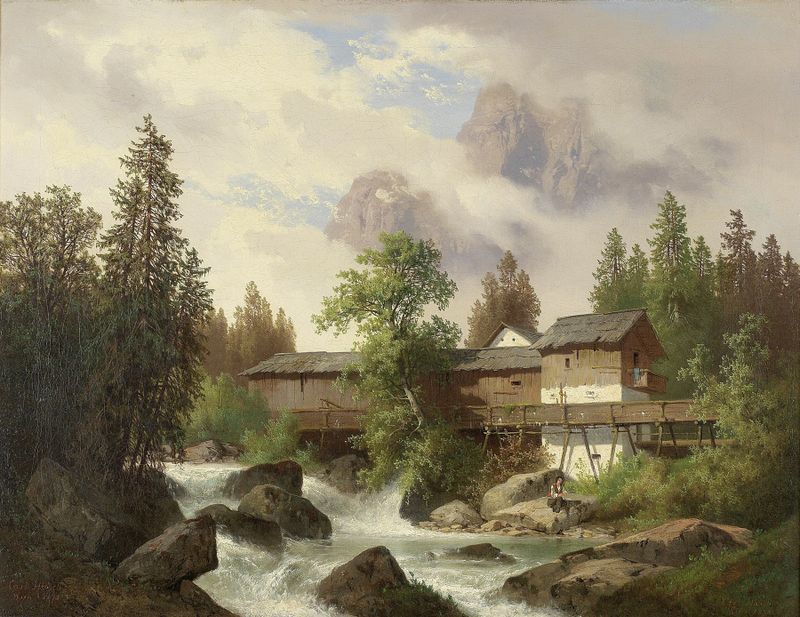
Landschaft mit Sägemühle
Carl Hasch
Luzerner See
Carl Hasch





