
Luzerner See — History & Facts
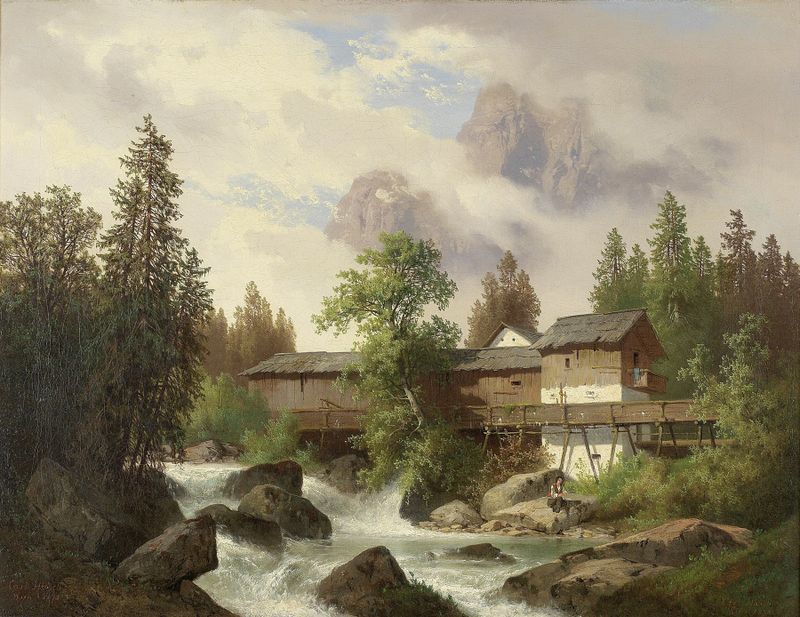
Did the painter know this moment would outlive them? In Luzerner See, a serene illusion of timelessness unfolds, inviting contemplation of both the landscape and the fleeting nature of existence. Focus on the gentle embrace of the water, where the surface captures the shimmering hues of the sky, reflecting an ethereal blend of blues and soft pastels. Pay attention to the distant mountains, their contours softened by atmospheric perspective, creating a dreamlike quality that seems to transcend reality. The brushwork, delicate yet purposeful, draws the viewer into a scene that feels both familiar and otherworldly, as if inviting you to step into a tranquil reverie. Beneath the calm surface lies a tension between nature’s beauty and its inherent transience.
The way the light dances upon the water suggests both illumination and obscurity, hinting at the duality of truth and illusion. Look closely at the shoreline, where trees sway gently, their reflections echoing in the lake, a poignant reminder of how quickly moments can dissolve into memory, captured yet ephemeral. During the time this was painted, Carl Hasch was immersed in a world that balanced romantic ideals with modern perceptions of nature. Although the exact date remains unknown, Hasch reflected the sensibilities of the 19th century, a period marked by a growing appreciation for landscape painting.
This artwork is emblematic of his pursuit to merge emotional resonance with the natural world, a testament to the era’s aesthetic aspirations.
More Artworks by Carl Hasch
Browse all →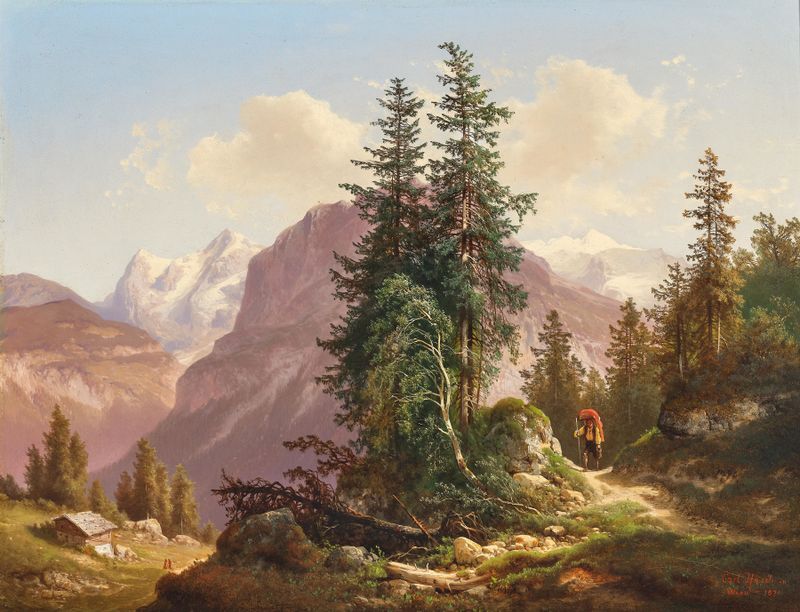
Der Eiger, der Mönch und der Silberhorn in der Schweiz
Carl Hasch

Gebirgsbach in der Ramsau
Carl Hasch

Jäger im Hochgebirge
Carl Hasch
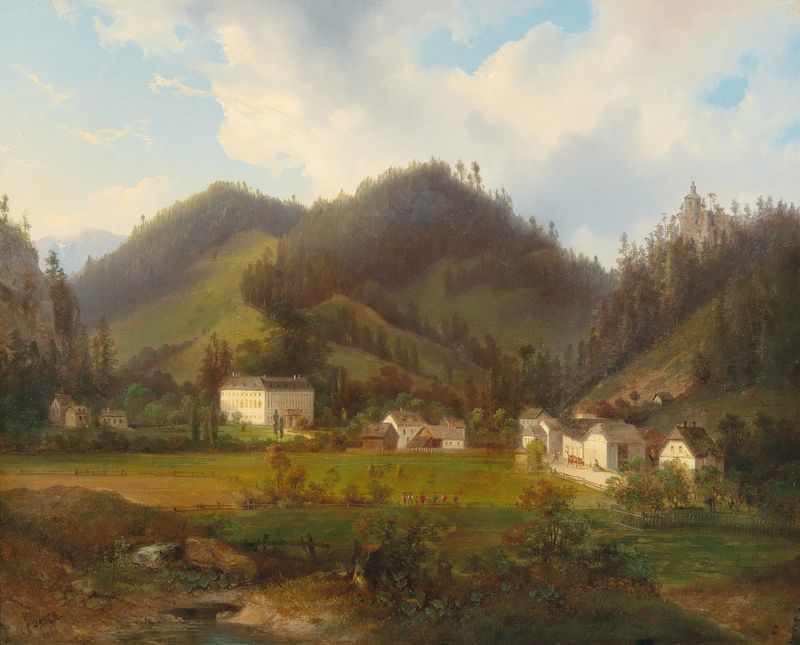
View of Schloss Gutenstein
Carl Hasch
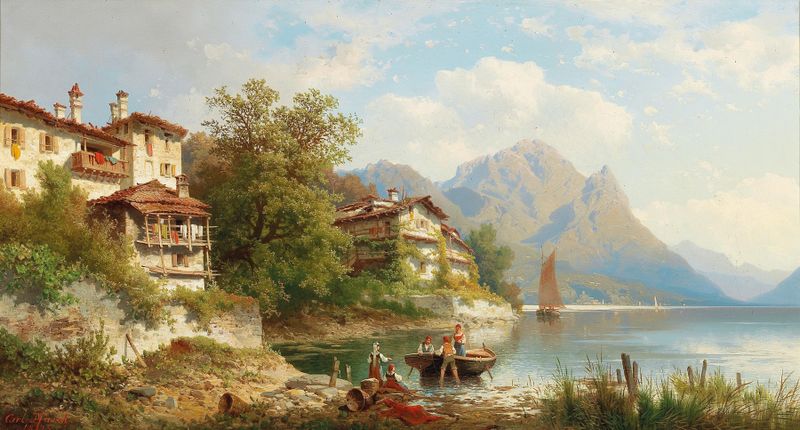
Motiv aus Gandria am Lago di Lugano
Carl Hasch

Waldmühle bei Windischgarsten
Carl Hasch

Waterfall
Carl Hasch

Am Seebach in Prag
Carl Hasch
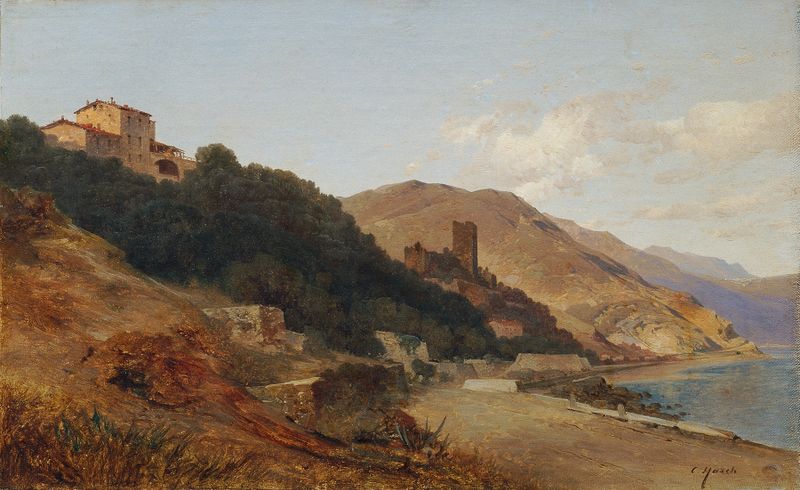
Italienische Abendlandschaft
Carl Hasch
Landschaft mit Sägemühle
Carl Hasch





