
Waldmühle bei Windischgarsten — History & Facts
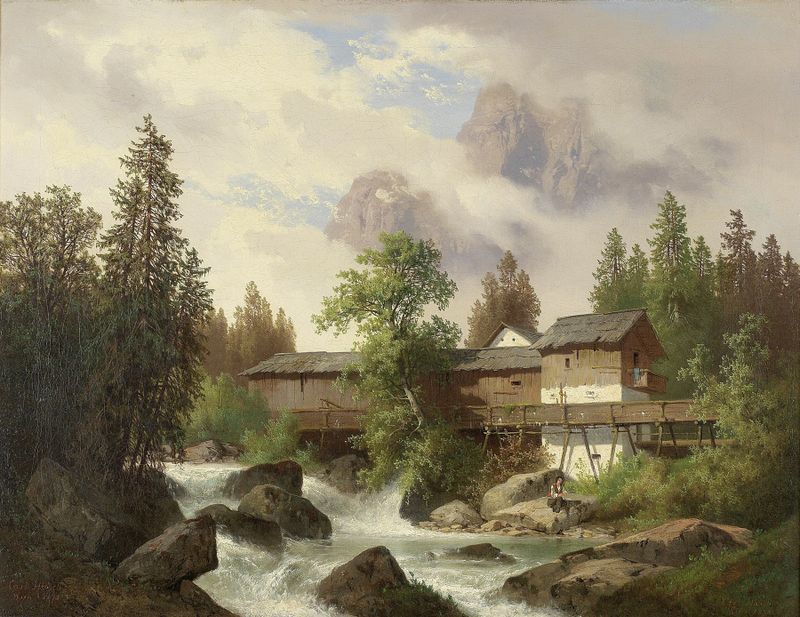
This notion resonates deeply in the serene landscape captured within this artwork, where the quiet strength of nature meets the delicate whispers of human presence. Here, the viewer is invited to witness a moment suspended in time, revealing layers of history and emotion nestled within the natural world. Look to the foreground, where the gentle flow of water mirrors the lush greenery surrounding it. The artist employs a soft, muted palette that invokes a sense of tranquility, with shades of green and brown harmonizing beautifully.
Notice how the light filters through the trees, casting dappled patterns on the ground, and drawing your gaze toward the mill nestled among the foliage, its rustic charm inviting exploration. Each brushstroke reveals a masterful command of texture, allowing the scene to breathe with life. Hidden meanings unravel subtly as the eye wanders. The juxtaposition of the sturdy mill against the ephemeral beauty of the landscape speaks to the transient nature of human endeavor amidst the permanence of nature.
There’s a quiet tension between the constructed and the organic, a reminder of the interplay between humanity and the wild that endlessly unfolds. The presence of distant mountains hints at the grandeur of the world beyond, evoking a longing for connection to something larger. In 1888, while residing in the picturesque region of Windischgarsten, the artist found inspiration in the simplicity and beauty of rural life. This period marked a growing appreciation for naturalism in the art world, as artists sought to reflect the world around them with authenticity.
It was a time of personal exploration for him, as he navigated the complexities of his craft while contributing to the evolving narrative of landscape painting.
More Artworks by Carl Hasch
Browse all →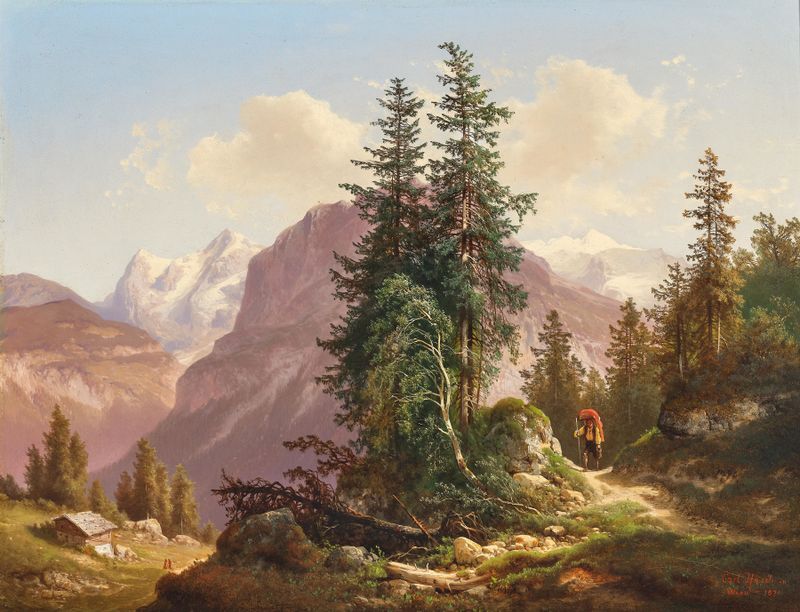
Der Eiger, der Mönch und der Silberhorn in der Schweiz
Carl Hasch

Gebirgsbach in der Ramsau
Carl Hasch

Jäger im Hochgebirge
Carl Hasch
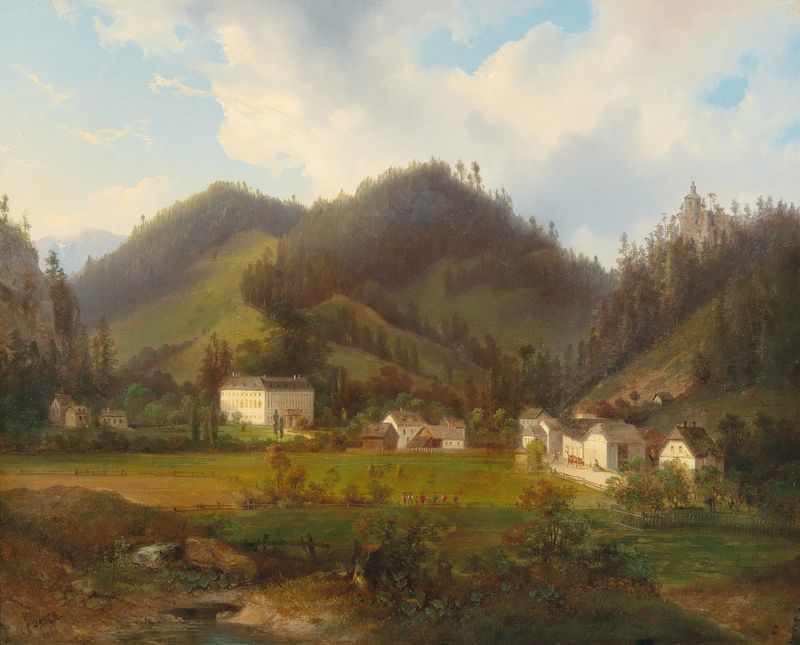
View of Schloss Gutenstein
Carl Hasch
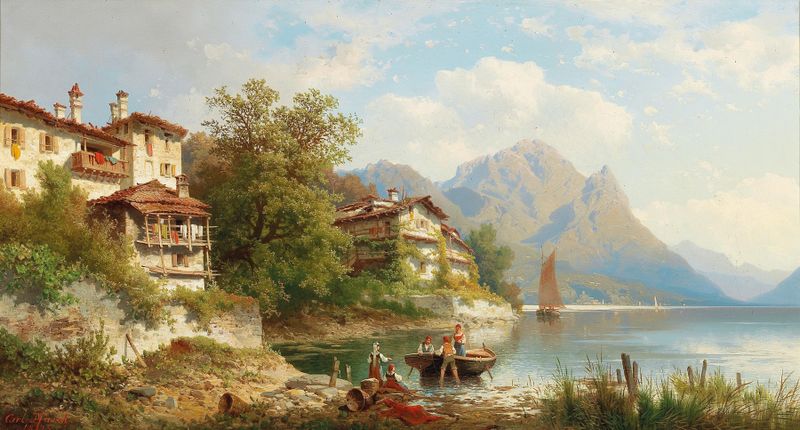
Motiv aus Gandria am Lago di Lugano
Carl Hasch

Waterfall
Carl Hasch

Am Seebach in Prag
Carl Hasch
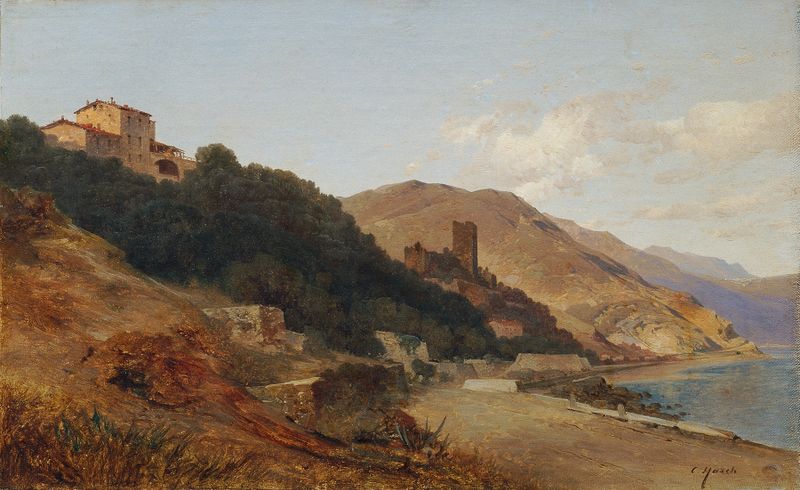
Italienische Abendlandschaft
Carl Hasch
Landschaft mit Sägemühle
Carl Hasch
Luzerner See
Carl Hasch





