
Der Labrafos bei Kongsberg — History & Facts
Can beauty exist without sorrow? In Der Labrafos bei Kongsberg, a tumultuous scene unfolds, rich in emotional complexity and chaos, yet simultaneously infused with a striking aesthetic appeal. Look to the center of the canvas where the swirling mists of the Norwegian landscape collide with jagged rocks, creating an unsettling yet captivating balance. The artist employs a muted palette of blues and grays, punctuated by flashes of luminescent white that evoke a sense of otherworldliness. The turbulent waters suggest both movement and tumult, while the chaotic arrangement of elements draws the viewer’s eye around the scene, inviting a deeper exploration of its emotional undertones. Amidst the chaos, hints of tranquility emerge; the distant mountains stand resolute against the storm, symbolizing resilience in the face of nature's fury.
The interplay of light and shadow is not merely decorative; it reflects the duality of existence, a dance between hope and despair. The vibrant yet turbulent energy of the water conveys raw emotion, making it an embodiment of the artist’s struggle to express the human condition amidst the chaos of life. Created in 1850, this work marks a significant period for the artist, who was deeply influenced by the Romantic movement's fascination with nature. Living in Kongsberg, Norway, at a time when the industrial revolution was reshaping landscapes and societies, the artist sought to capture the tension between civilization’s encroachments and the enduring beauty of the natural world.
This piece reflects Saal’s introspective journey, as he explored the tumult of his era while striving to find beauty amidst the chaos.
More Artworks by Georg Eduard Otto Saal
Browse all →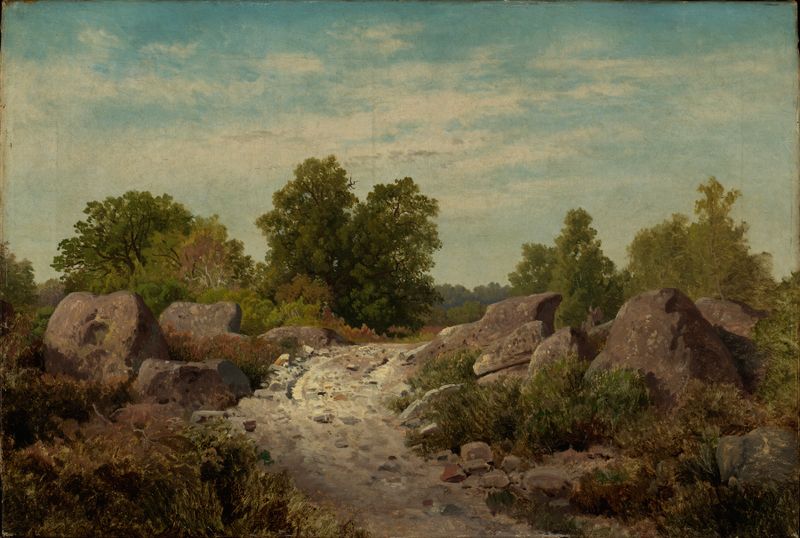
Weg bei Fontainebleau
Georg Eduard Otto Saal
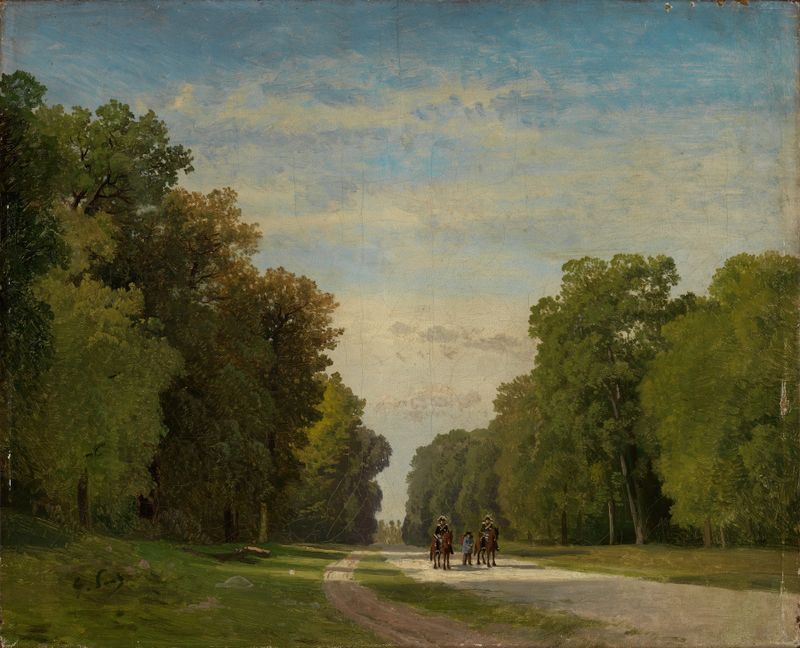
Allee bei Fontainebleau
Georg Eduard Otto Saal
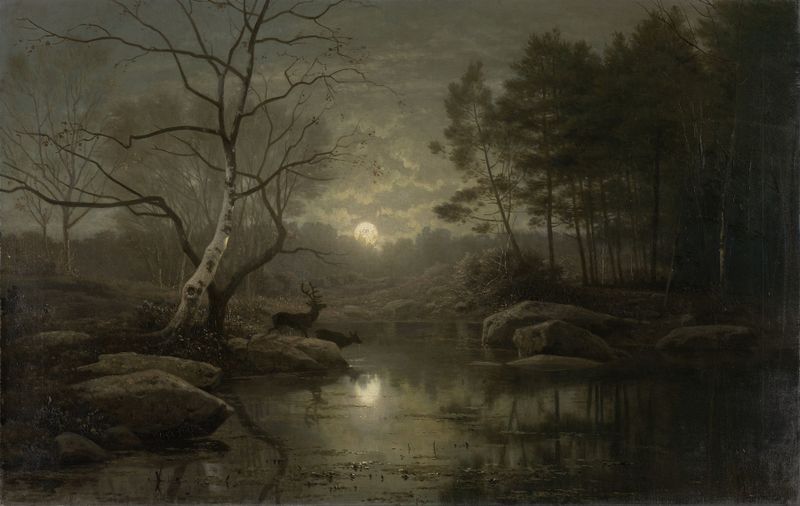
Forest Landscape in the Moonlight
Georg Eduard Otto Saal
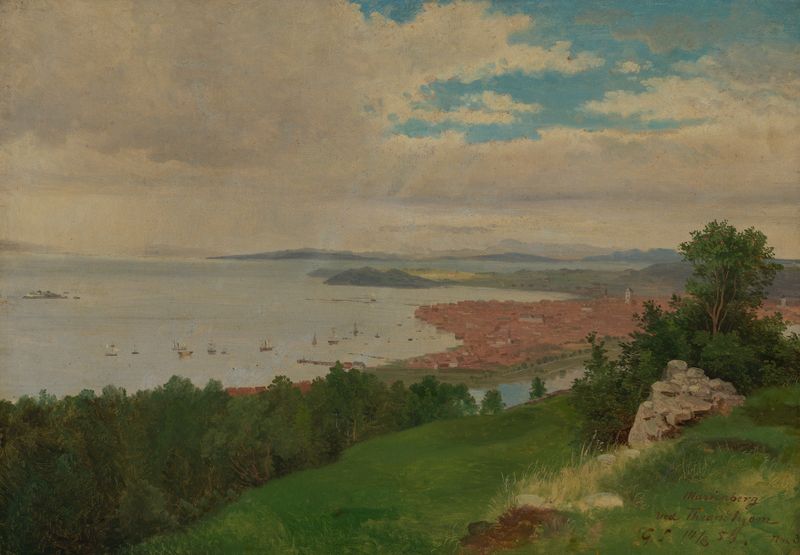
Blick auf Trondhjem
Georg Eduard Otto Saal
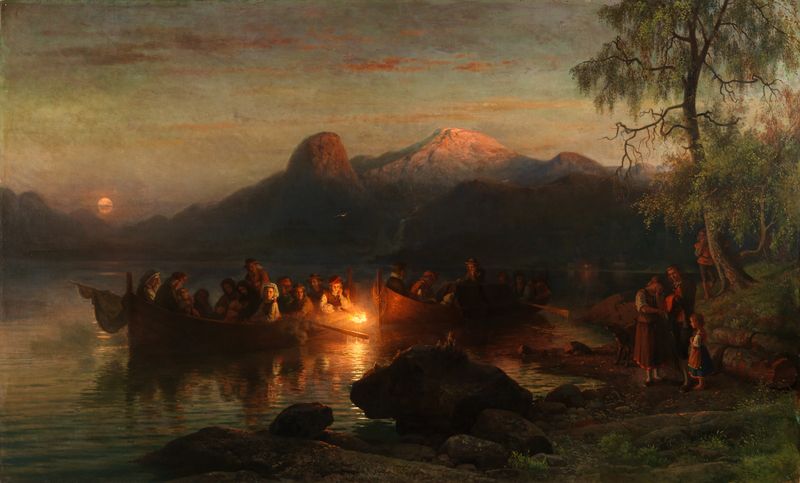
Norwegisches Fischerbegräbnis
Georg Eduard Otto Saal
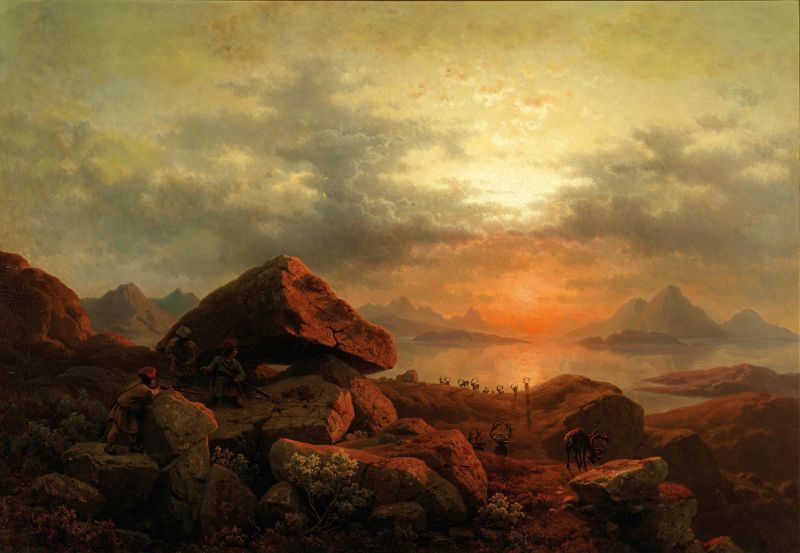
Hunting Reindeer in the Far North
Georg Eduard Otto Saal
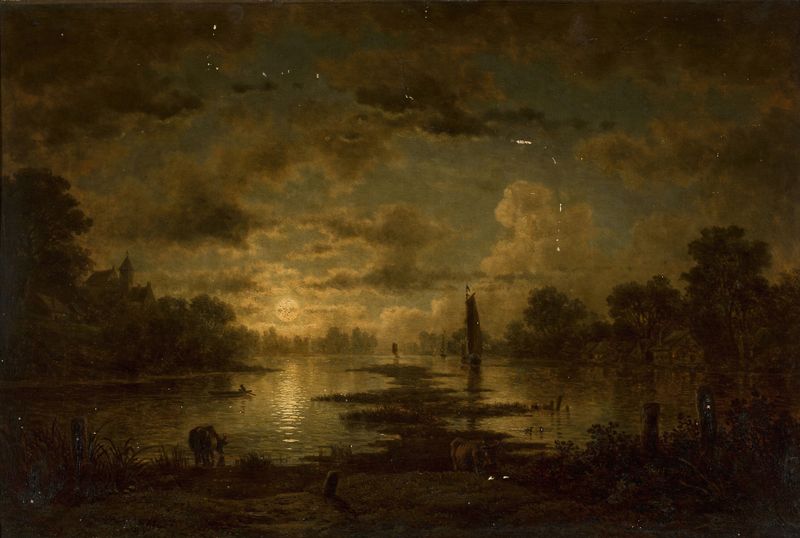
Moonlit night at the lake
Georg Eduard Otto Saal





