
Forest Landscape in the Moonlight — History & Facts
Could a single brushstroke hold eternity? In the stillness of a moonlit forest, serenity drapes the landscape like a whispered secret, inviting us to pause and reflect. Look to the right at the luminous moon, its silvery glow spilling down through the canopy, illuminating the delicate interplay of shadow and light on the forest floor. Each stroke of the brush captures the intricate textures of leaves and bark, rendering the scene both inviting and ethereal. The cool palette of blues and greens contrasts starkly with hints of warm yellow, guiding the eye towards the quiet path that beckons deeper into the woods, hinting at both exploration and solitude. In this tranquil yet haunting composition, silence reigns supreme, underscoring the tension between the familiar and the unknown.
The absence of human presence elicits a feeling of contemplation; the viewer becomes acutely aware of their own heartbeat amidst nature’s stillness. The subtle variations in light suggest a dynamic between the eternal and the ephemeral, as moments in the forest seem to stretch infinitely, even as shadows dance and shift. Georg Eduard Otto Saal painted Forest Landscape in the Moonlight in 1861 during a period marked by shifting artistic movements across Europe. At this time, Romanticism was giving way to Impressionism, celebrating the beauty of nature while exploring emotional depths.
Saal was inspired by the interplay of light and nature, often reflecting the inner world through the lens of the natural one. His work subtly encapsulates the broader transitions in art, while grounding itself firmly in the enchanting and timeless experience of the moonlit forest.
More Artworks by Georg Eduard Otto Saal
Browse all →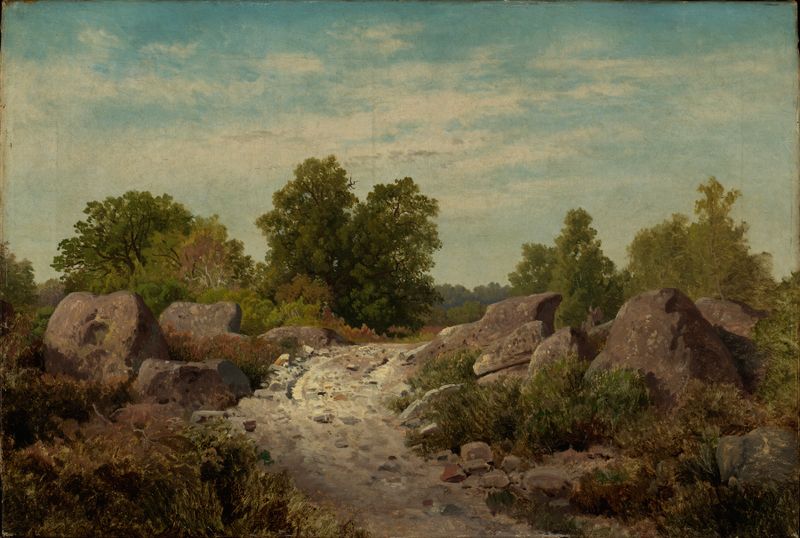
Weg bei Fontainebleau
Georg Eduard Otto Saal
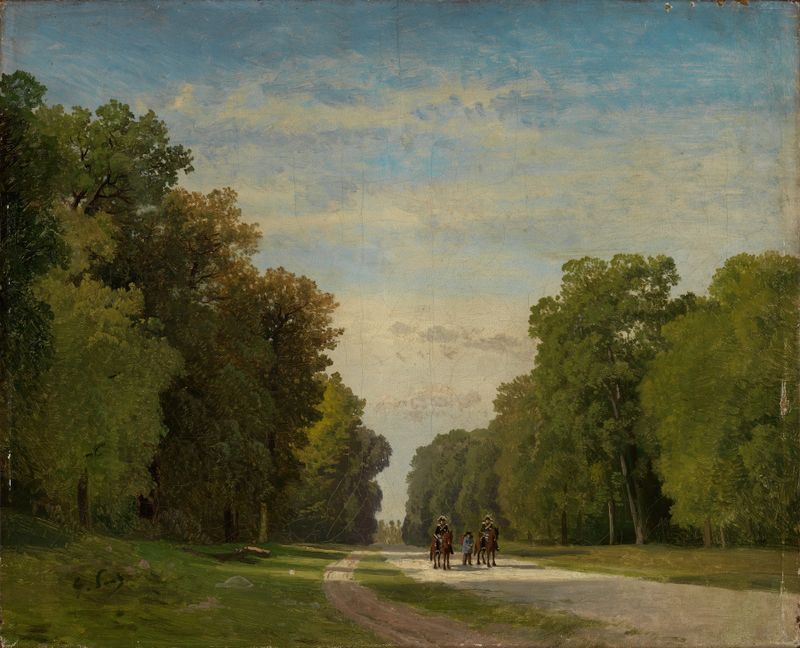
Allee bei Fontainebleau
Georg Eduard Otto Saal
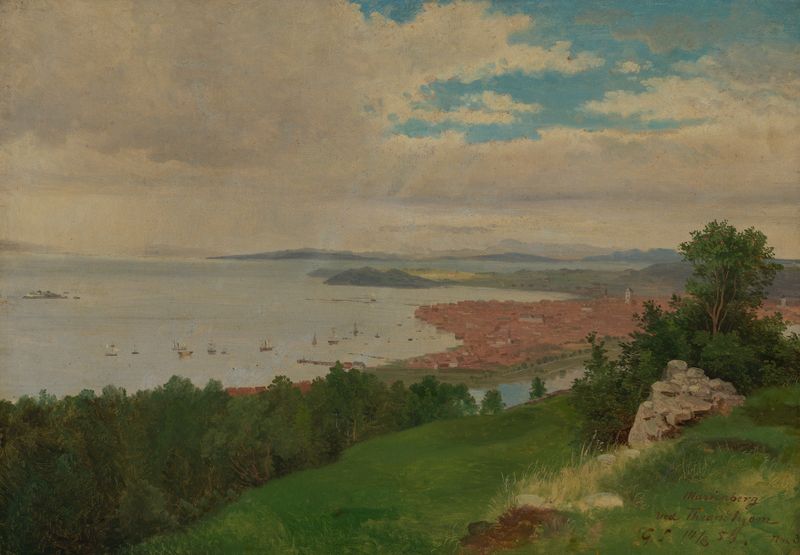
Blick auf Trondhjem
Georg Eduard Otto Saal
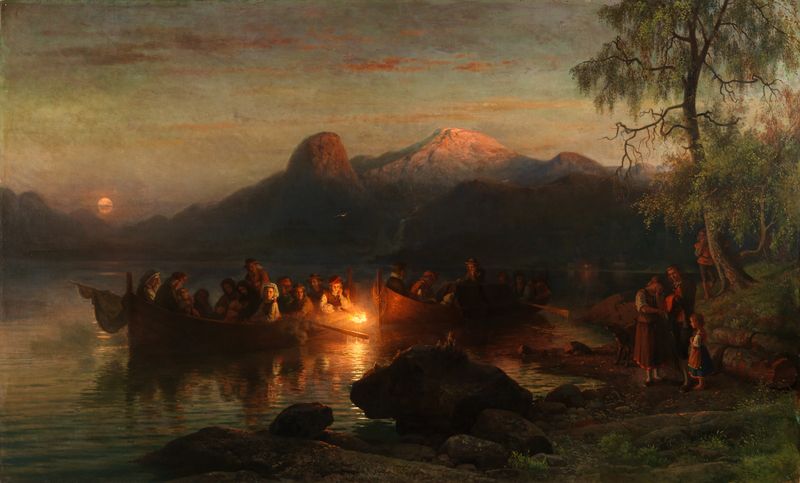
Norwegisches Fischerbegräbnis
Georg Eduard Otto Saal
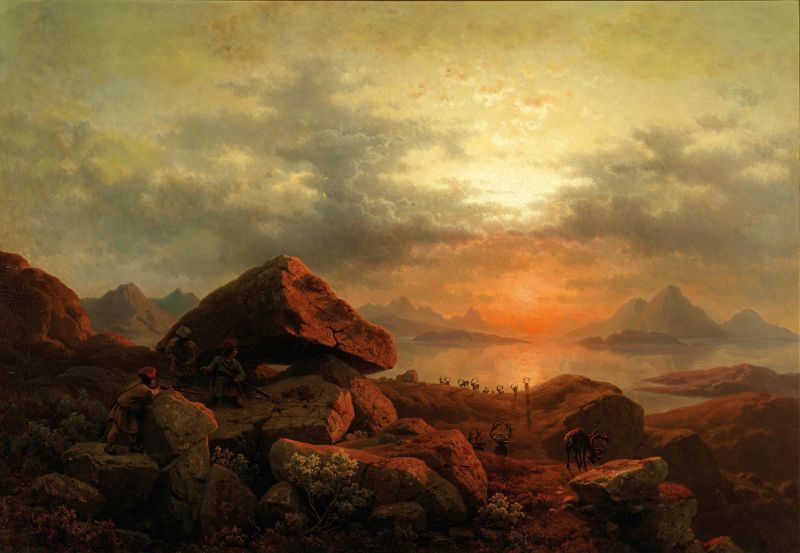
Hunting Reindeer in the Far North
Georg Eduard Otto Saal
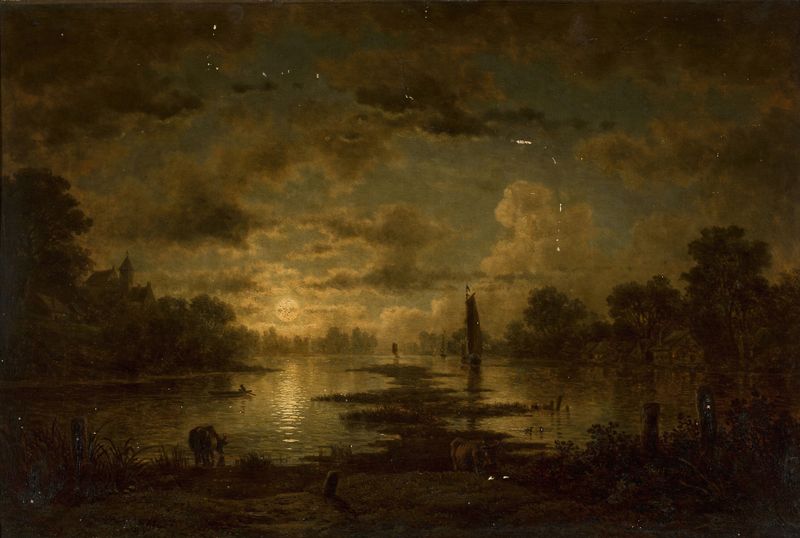
Moonlit night at the lake
Georg Eduard Otto Saal

Der Labrafos bei Kongsberg
Georg Eduard Otto Saal





