
Norwegisches Fischerbegräbnis — History & Facts
Could a single brushstroke hold eternity? In the vast expanse of time, every stroke of the brush captures a fleeting moment, inviting the viewer to reflect on the permanence of loss and memory. Look to the center of the canvas, where the somber hues blend harmoniously, drawing your attention to the figures gathered in mourning. The muted palette of deep greens and browns envelops the scene, mirroring the solemnity of the occasion. Notice how the gentle curves of the mountains cradle the horizon, providing a stark contrast to the straight lines of the wooden boats, anchoring the composition in both nature and human endeavor.
A sliver of light breaks through the clouds, illuminating the faces of the mourners, revealing the shared sorrow and resilience that connects them. The emotional tension is palpable, as the juxtaposition of life and death unfolds within the artwork. Each figure is rendered with a soft precision, their expressions conveying a mixture of grief and acceptance. The foreground, filled with solemnity, speaks to the fragility of existence, while the distant mountains suggest an eternal presence, hinting at the cyclical nature of life and the inevitability of loss.
Here, time stands still, yet flows like the tides, creating an atmosphere where past and present converge. Created in 1848, this work emerged during a period of political and social upheaval in Europe, as revolutions sparked the fervor for change. Saal, a German artist residing in Norway, was deeply influenced by the natural landscape and the culture of the fishermen, drawing upon their stories and struggles. His choice to depict such a poignant moment reflects not only personal themes of mortality but also a broader commentary on the human condition amidst the shifting tides of history.
More Artworks by Georg Eduard Otto Saal
Browse all →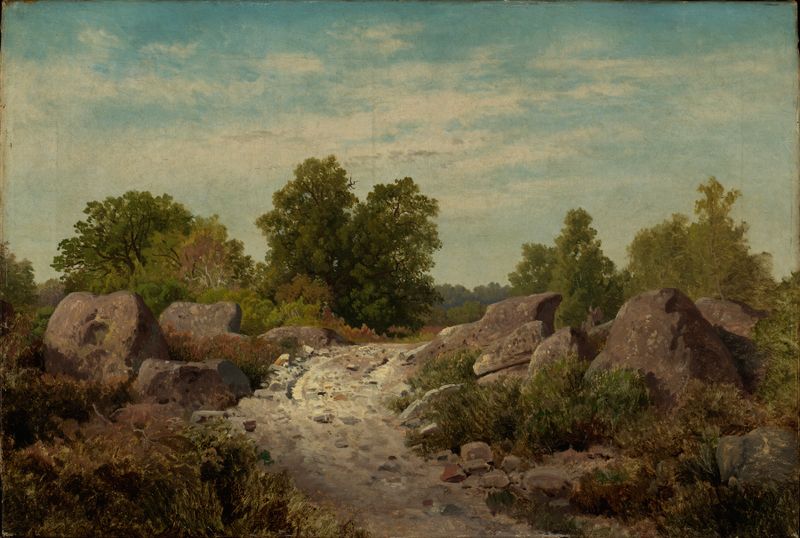
Weg bei Fontainebleau
Georg Eduard Otto Saal
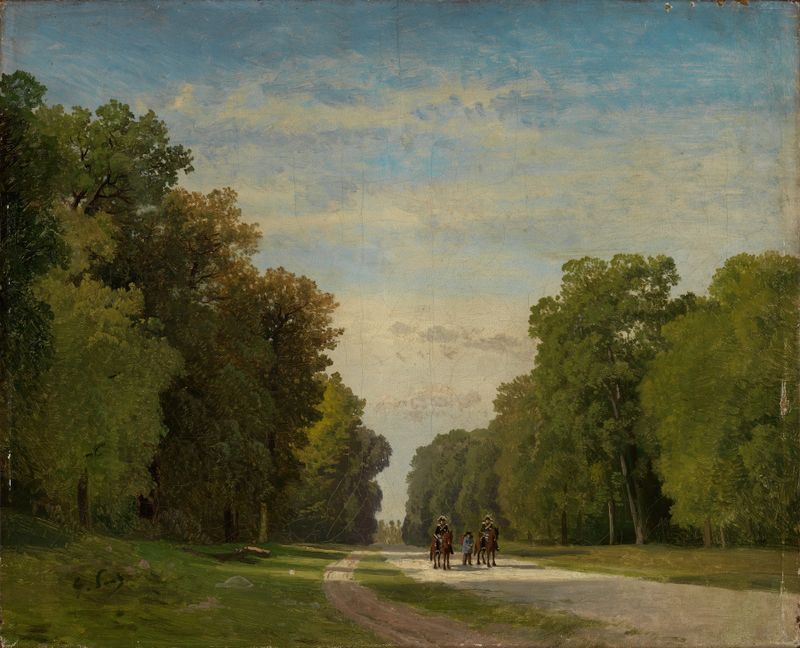
Allee bei Fontainebleau
Georg Eduard Otto Saal
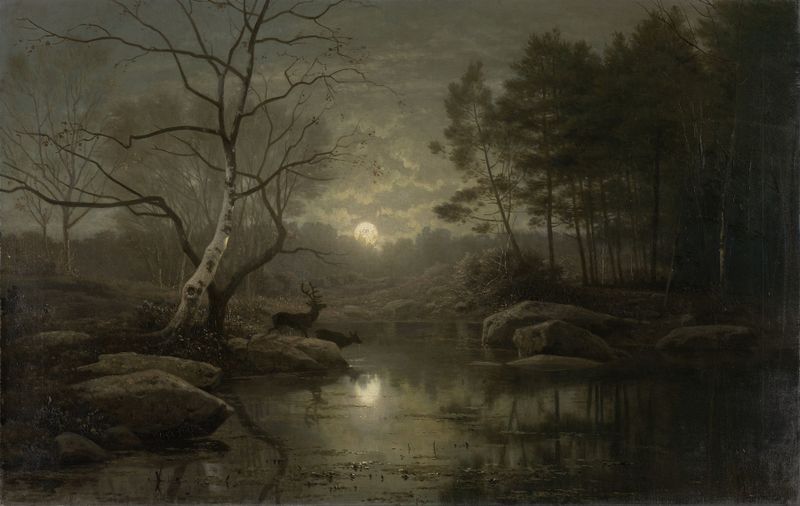
Forest Landscape in the Moonlight
Georg Eduard Otto Saal
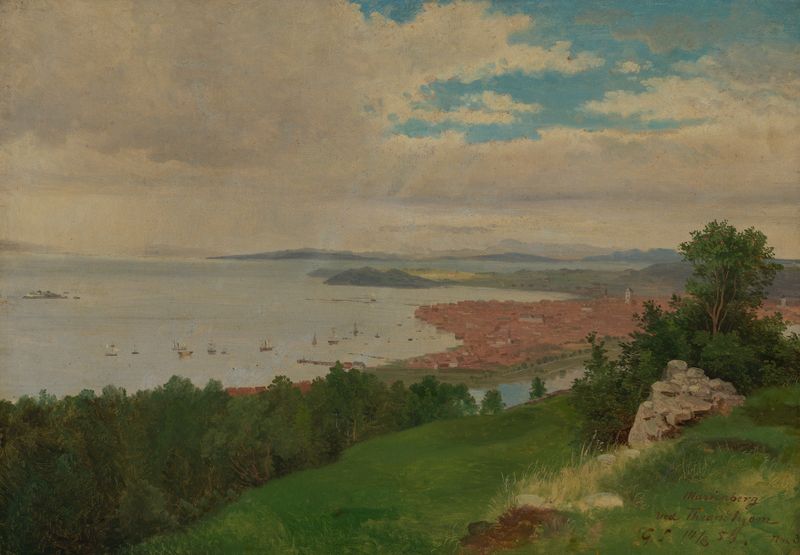
Blick auf Trondhjem
Georg Eduard Otto Saal
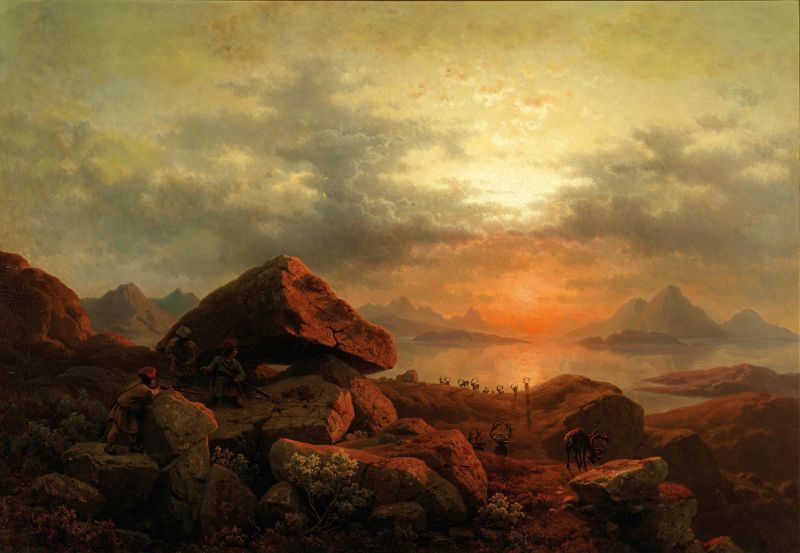
Hunting Reindeer in the Far North
Georg Eduard Otto Saal
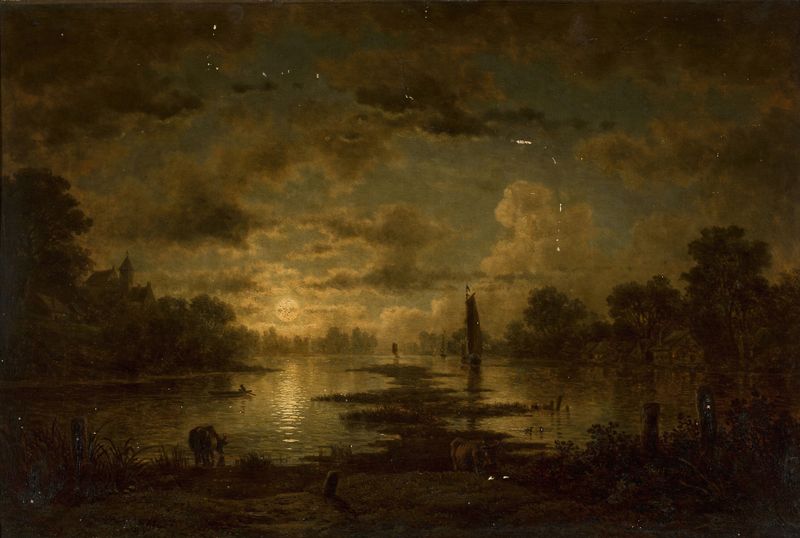
Moonlit night at the lake
Georg Eduard Otto Saal

Der Labrafos bei Kongsberg
Georg Eduard Otto Saal
More Historical Art
Browse all →
The Night Watch Militia Company of District II under the Command of Captain Frans Banninck Cocq
Rembrandt van Rijn
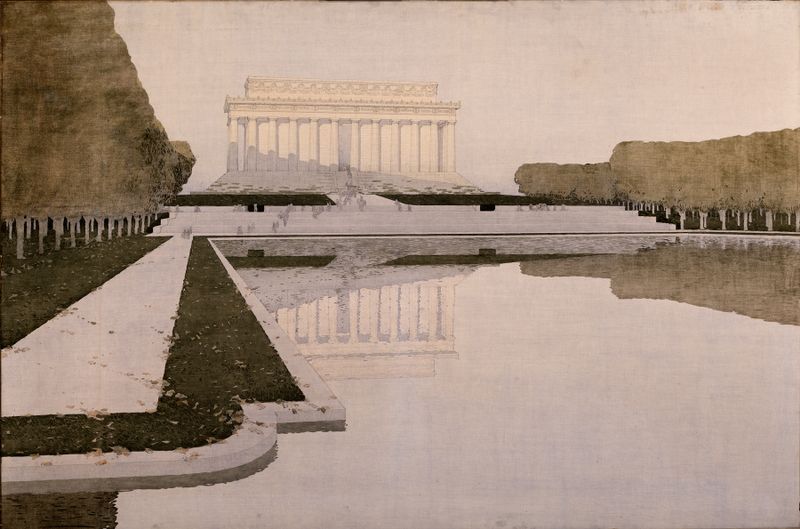
Lincoln Memorial
Henry Bacon
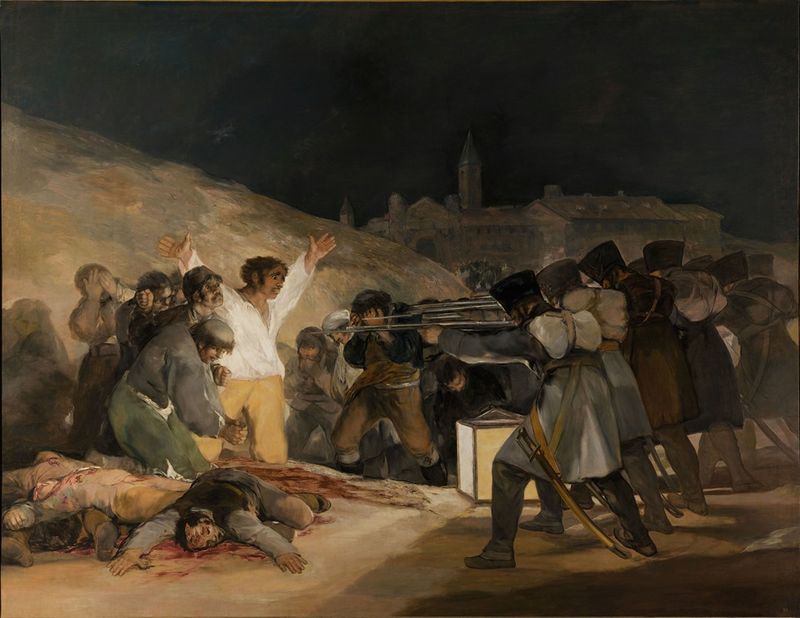
The Third of May 1808
Francisco de Goya

Isaac and Rebecca, Known as ‘The Jewish Bride’
Rembrandt van Rijn
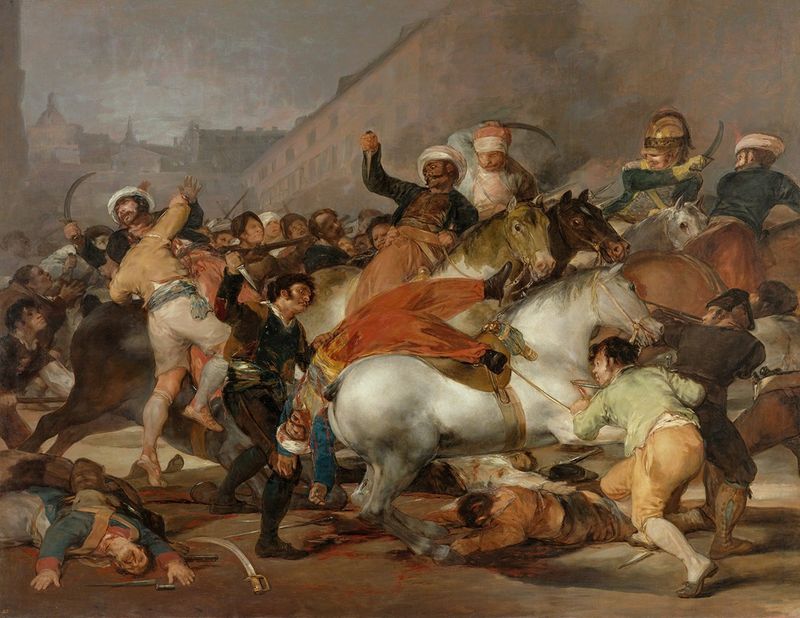
The Charge of the Mamelukes (1814)
Francisco de Goya

De vier ruiters van de apocalyps
Albrecht Dürer