
Hunting Reindeer in the Far North — History & Facts
Could a single brushstroke hold eternity? In Hunting Reindeer in the Far North, Saal captures not just a moment in time, but the profound transformation of nature as it intertwines with human endeavor. The scene invites contemplation of survival, culture, and the transient beauty of life in the Arctic wilderness. Look to the left at the figures wrapped in fur, their forms stark against the icy backdrop. Notice the subtle palette of whites and grays, infused with the warm tones of ochre that breathe life into the hunters’ clothing.
The way the light glints off the snow creates an almost ethereal glow, guiding your gaze to the reindeer, poised and alert, embodying both grace and vulnerability. The composition balances tension and harmony, a moment caught between predator and prey. Deeper reflections emerge through the contrasting elements of the painting. The hunters, though fierce in pursuit, appear almost reverent in their connection to the land, suggesting a symbiotic relationship rather than mere dominance.
The reindeers' watchful eyes resonate with the spirit of the wild, evoking themes of respect and adaptability in the harsh climate. Each detail, from the meticulous brushwork of the snowflakes to the sinewy forms of the animals, speaks to the delicate balance of life and death in this unforgiving environment. In 1859, Saal painted this work during a tumultuous period in Europe, where Romanticism was shifting towards a greater focus on realism and the natural world. Living in Germany, he was inspired by the landscapes and peoples he encountered, reflecting an era that was beginning to embrace the complexities of human interaction with nature.
This painting stands as a testament to that transformation — a bridge between aesthetic beauty and the harsh realities of life in the Far North.
More Artworks by Georg Eduard Otto Saal
Browse all →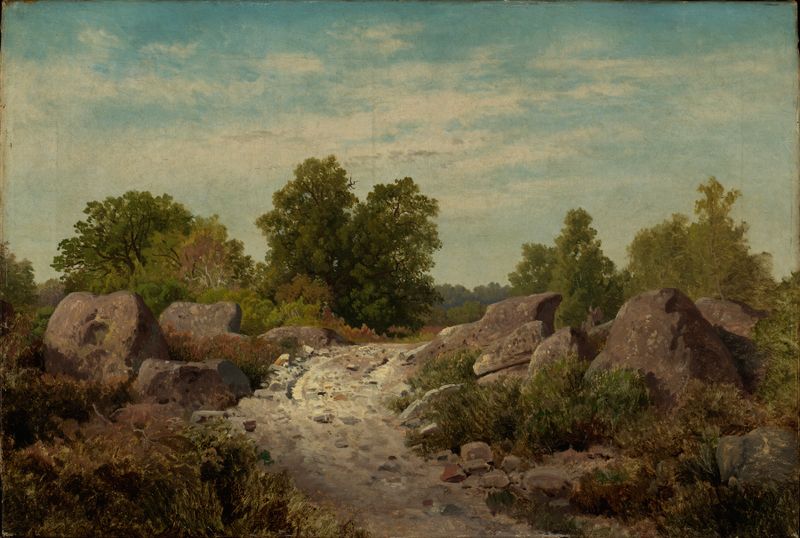
Weg bei Fontainebleau
Georg Eduard Otto Saal
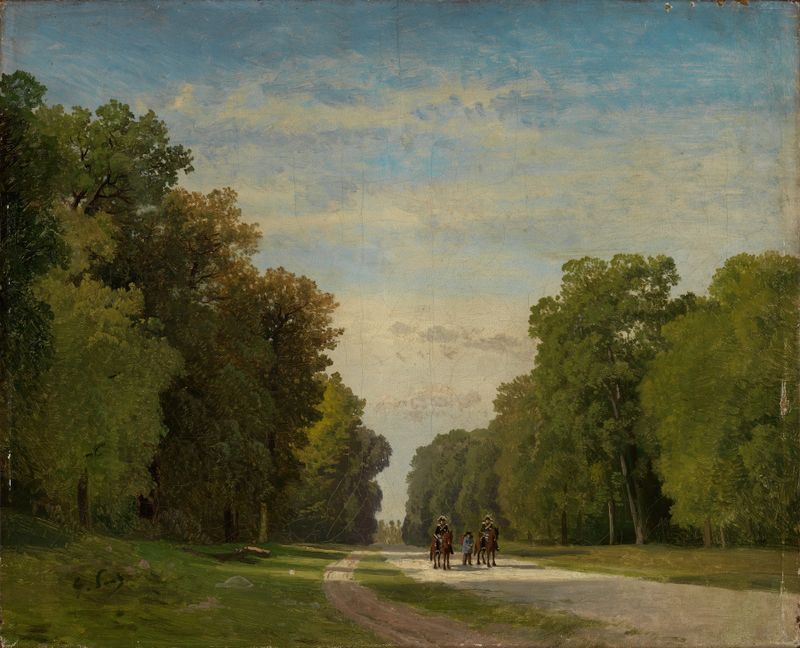
Allee bei Fontainebleau
Georg Eduard Otto Saal
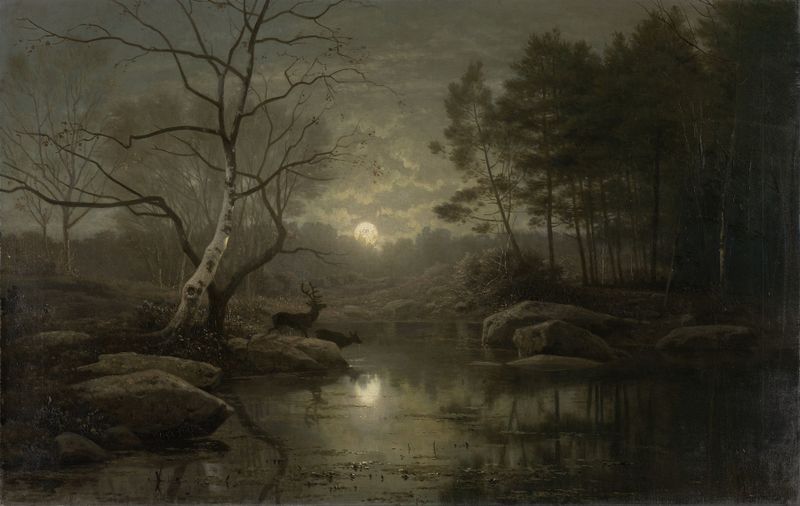
Forest Landscape in the Moonlight
Georg Eduard Otto Saal
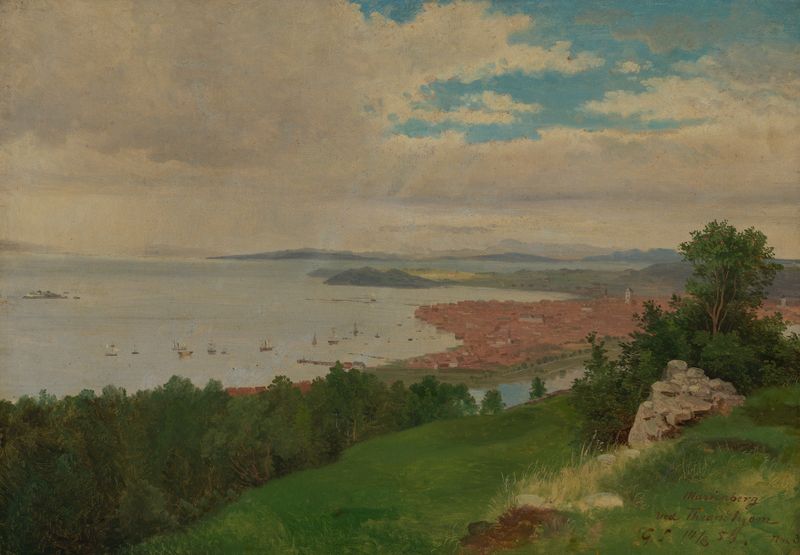
Blick auf Trondhjem
Georg Eduard Otto Saal
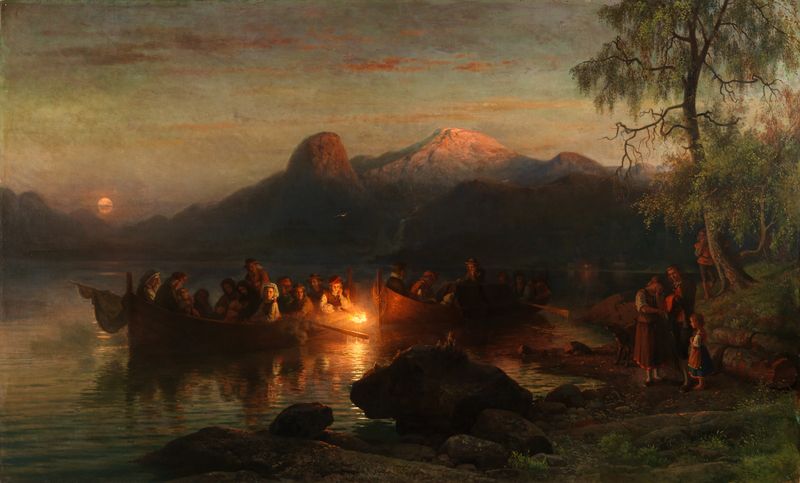
Norwegisches Fischerbegräbnis
Georg Eduard Otto Saal
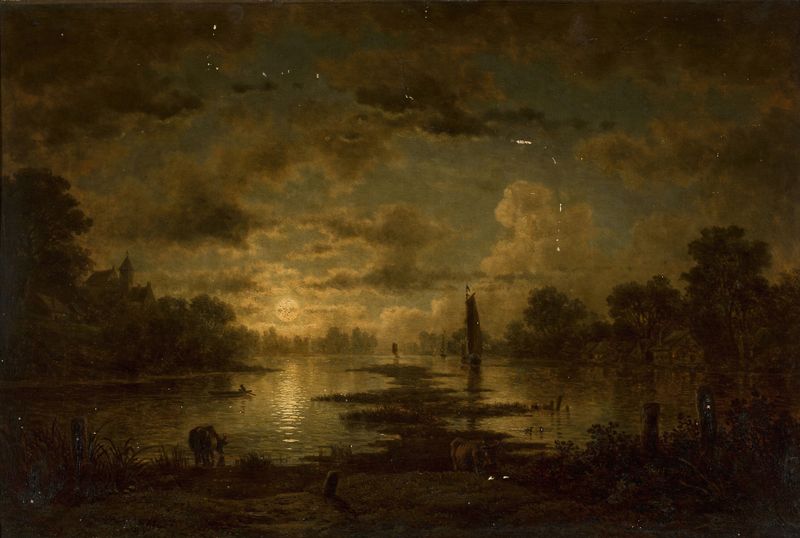
Moonlit night at the lake
Georg Eduard Otto Saal

Der Labrafos bei Kongsberg
Georg Eduard Otto Saal





