
Weg bei Fontainebleau — History & Facts
Did the painter know this moment would outlive them? In a world where every fleeting instant passes unrecorded, Weg bei Fontainebleau captures a journey carved into eternity, inviting us into a dialogue with destiny. Look to the left, where a well-trodden path meanders gracefully through the lush undergrowth, dappled light flickering across its surface. Notice how the soft greens and earthy browns blend seamlessly, leading the eye deeper into the tranquil woods. The interplay of light and shadow envelops the scene, creating a sense of depth that draws the viewer into a tranquil moment suspended in time, as if to whisper the secrets of the forest. The juxtaposition of the serene landscape and the winding path evokes a sense of exploration and introspection.
Each brushstroke reveals the artist’s intent to fuse nature's beauty with the human experience—our quest for purpose against the vast, unchanging backdrop of the world. The solitary figure, small and contemplative, reflects the tension between individuality and the greater universe, suggesting that every journey, no matter how personal, is part of a larger narrative. Painted in 1858, at a time when Romanticism was shaping the art world, the artist found himself in Fontainebleau, a favored retreat for many painters. The rise of plein air painting encouraged a direct engagement with nature, and Saal's work emerged during a period when artists sought to capture the sublime beauty of the natural world.
In this context, the painting represents not just a scene, but a philosophical meditation on existence—inviting us to consider our place within the unfolding story of life.
More Artworks by Georg Eduard Otto Saal
Browse all →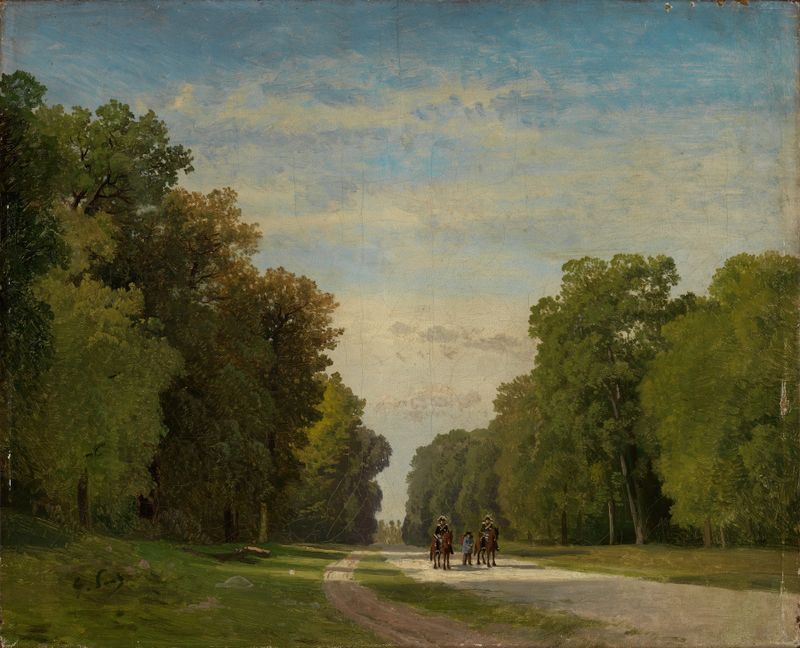
Allee bei Fontainebleau
Georg Eduard Otto Saal
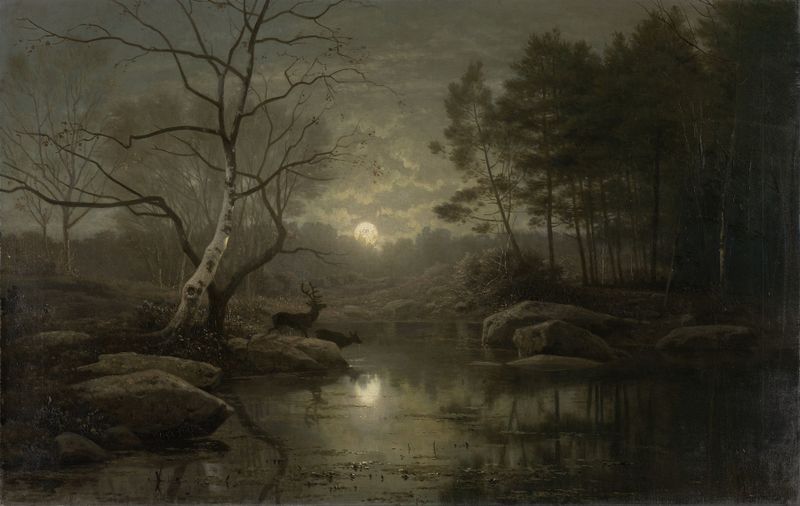
Forest Landscape in the Moonlight
Georg Eduard Otto Saal
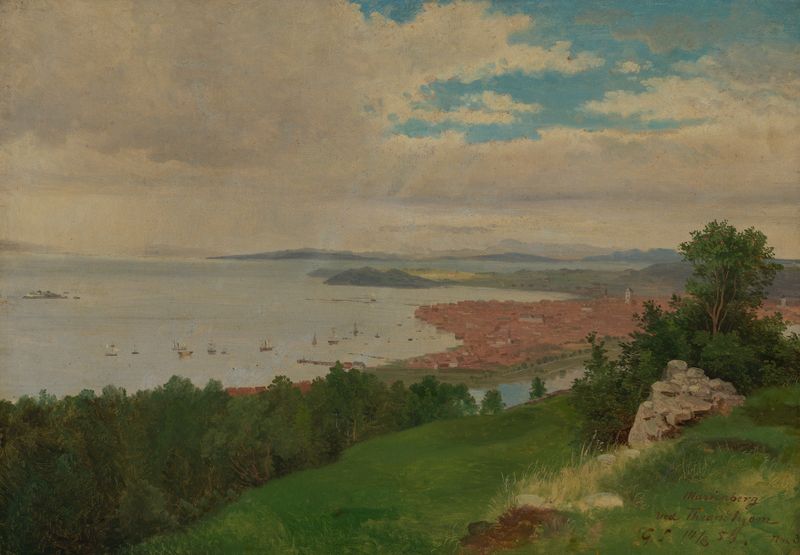
Blick auf Trondhjem
Georg Eduard Otto Saal
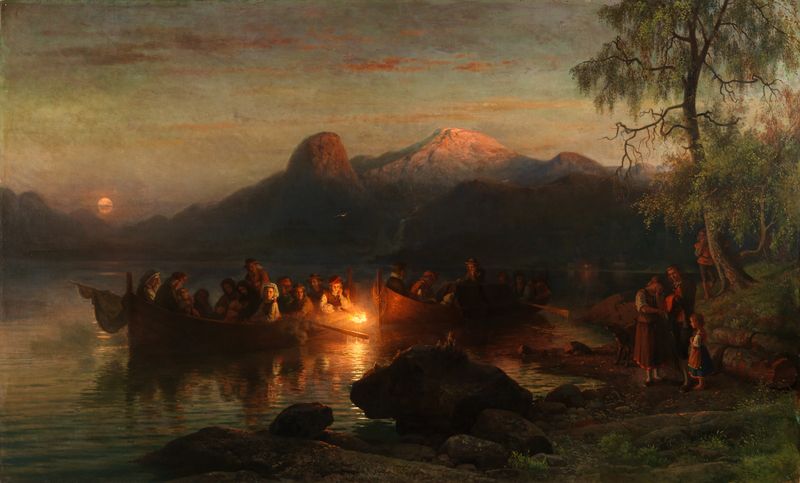
Norwegisches Fischerbegräbnis
Georg Eduard Otto Saal
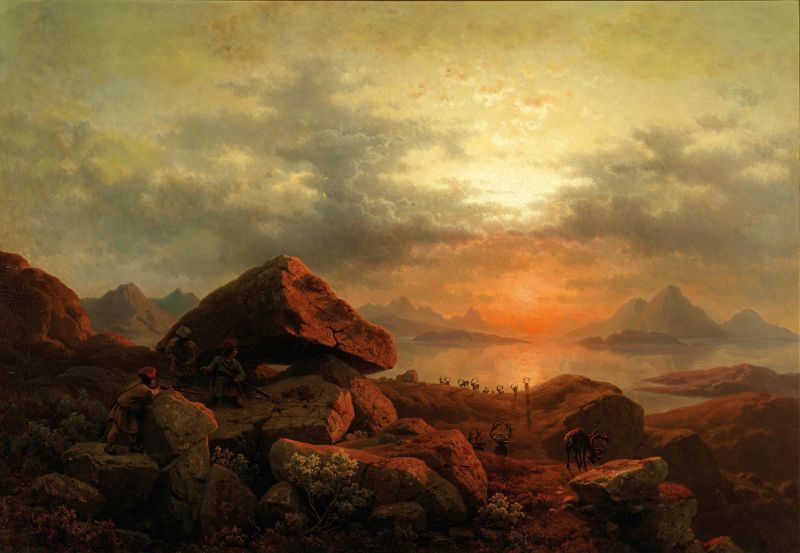
Hunting Reindeer in the Far North
Georg Eduard Otto Saal
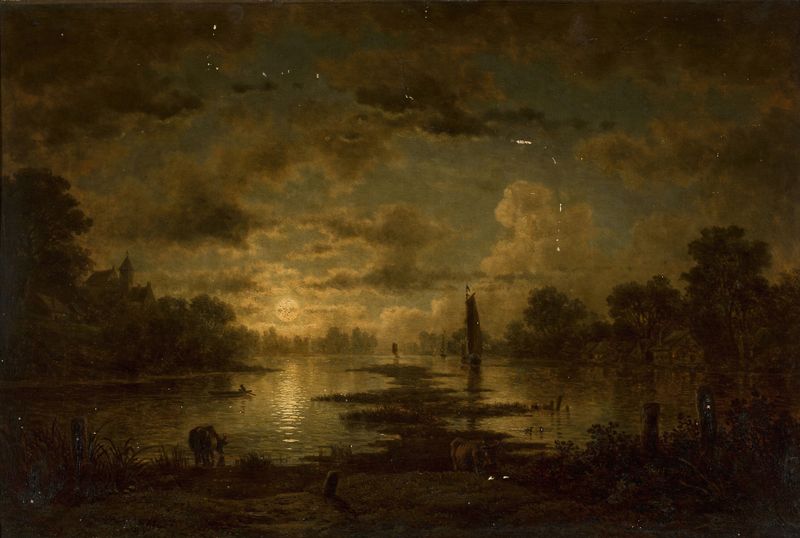
Moonlit night at the lake
Georg Eduard Otto Saal

Der Labrafos bei Kongsberg
Georg Eduard Otto Saal





