
Desert — History & Facts
In the expanse of a desert, truth lies hidden beneath the shimmering surface, waiting for those daring enough to seek it. It poses a question: what is revealed when the distractions of the world are stripped away? Look to the center of Desert, where a solitary figure stands against an endless backdrop of ochre and gold. The artist’s brushwork deftly captures the ripples of the sand, inviting the viewer to trace the lines that lead to the horizon.
Notice how the light shifts, bathing the figure in a halo of warmth, while the stark shadows hint at the profound isolation of this landscape. Each stroke communicates the stillness and the weight of solitude; the color palette vibrates with both brilliance and desolation. Yet beyond its vastness lies a tension, as the figure’s position suggests both resilience and vulnerability. The boundless terrain speaks to the overwhelming nature of existence, while the solitary presence embodies the human struggle for meaning.
Here, the artist juxtaposes life’s relentless drive against the backdrop of nature's indifference — a dance between ambition and despair. Every grain of sand seems to echo with stories of those who have traversed this desolate beauty, seeking solace or enlightenment. Painted in 1904 during a time of personal exploration for Jan Ciągliński, Desert reflects his experiences as he journeyed through themes of solitude and truth. Living in Paris after moving from Poland, he was influenced by both Symbolism and emerging modernist ideas, looking to express deeper emotional truths through vivid landscapes.
This piece serves as a poignant commentary on the human condition, resonating with the quiet voice of a restless spirit.
More Artworks by Jan Ciągliński
Browse all →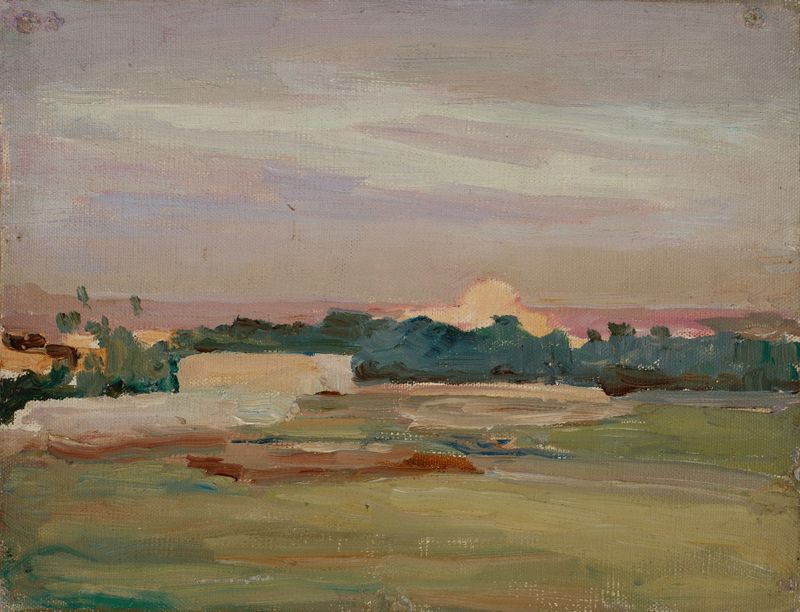
The Sirocco
Jan Ciągliński
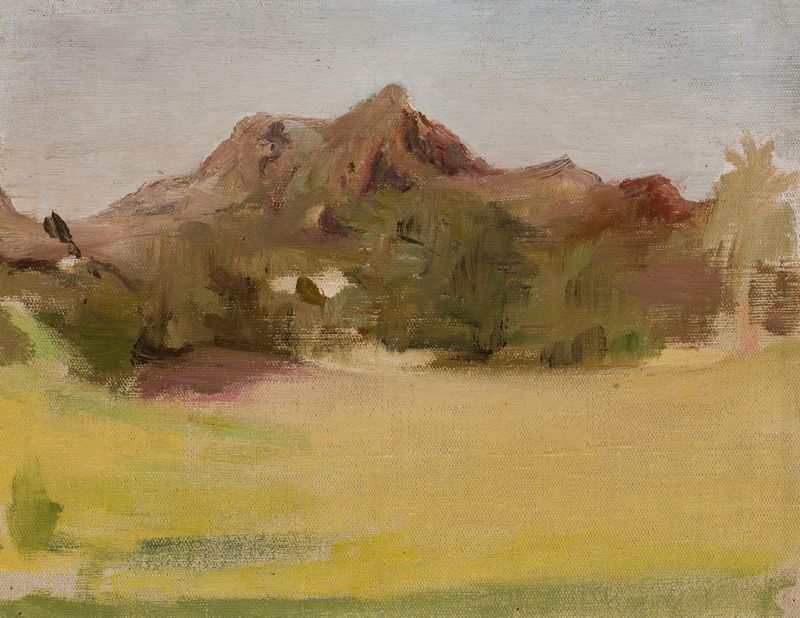
Mountain landscape. From the journey to India
Jan Ciągliński
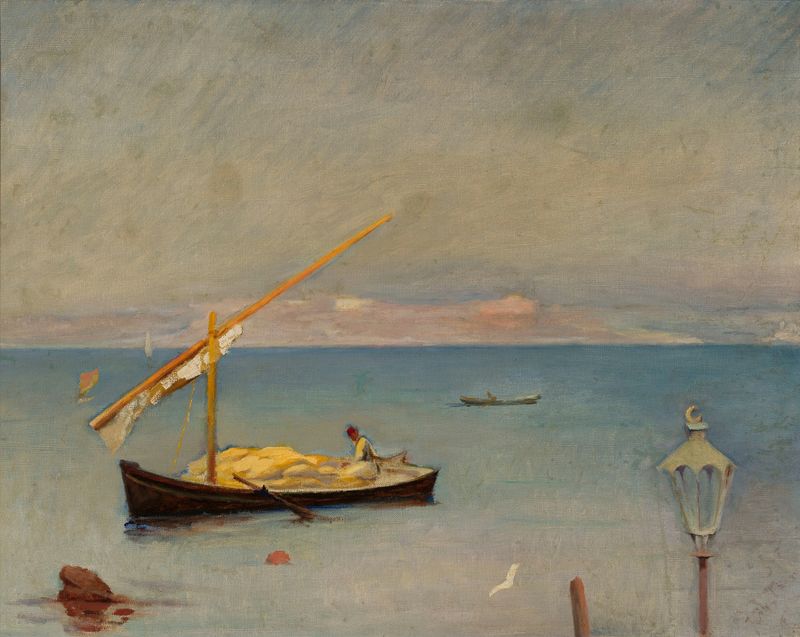
At Bosporus
Jan Ciągliński
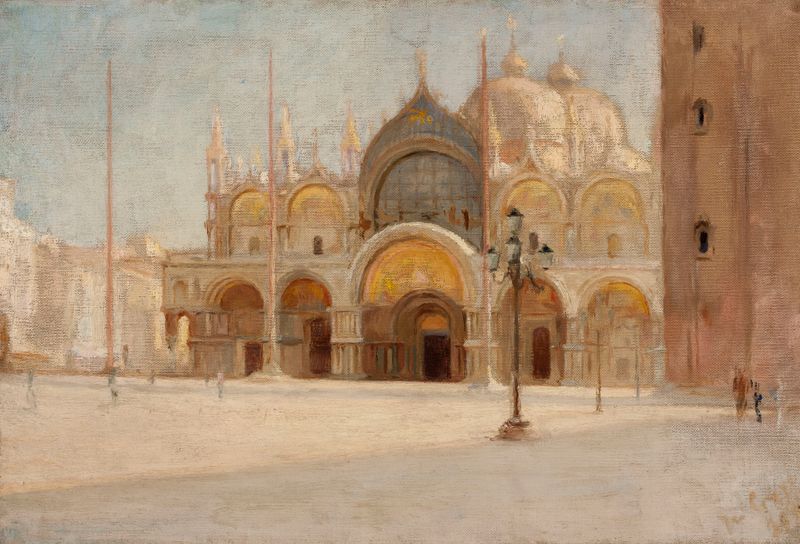
St Mark’s Square in Venice
Jan Ciągliński
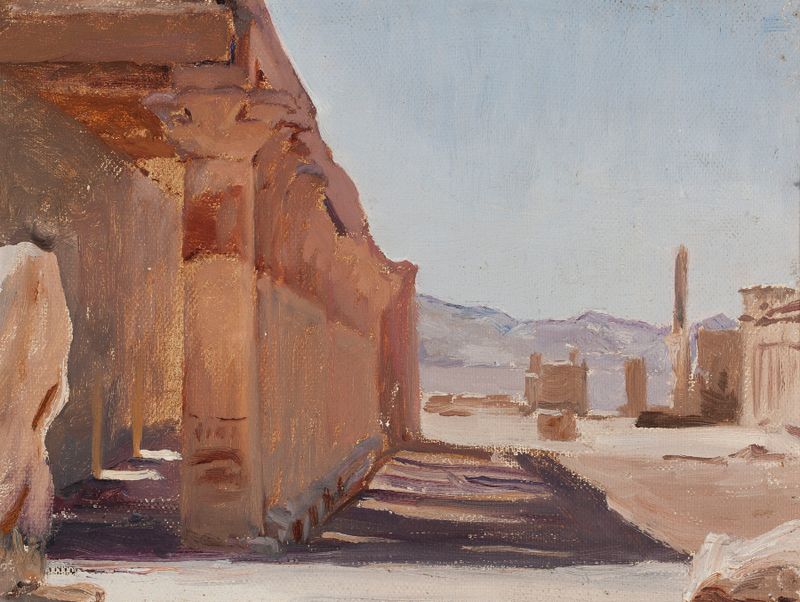
Temple. From the journey to Egypt
Jan Ciągliński
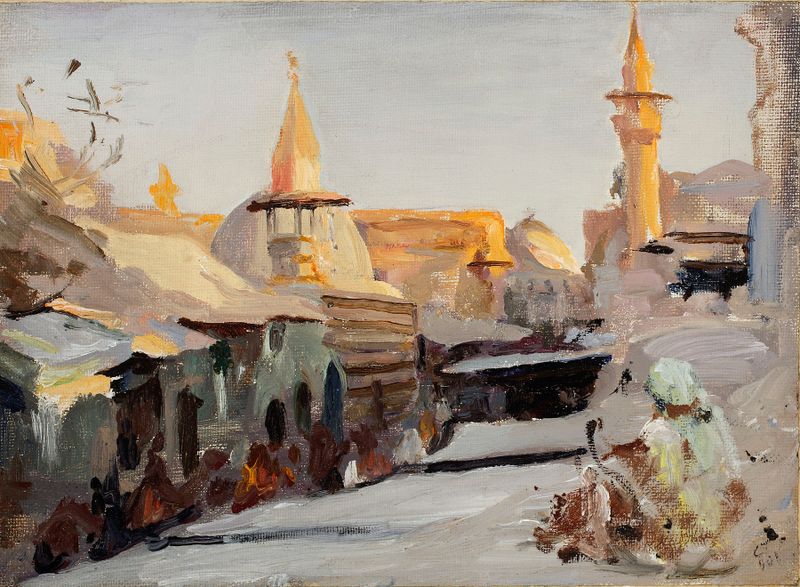
Street in Damascus. From the journey to Palestine
Jan Ciągliński
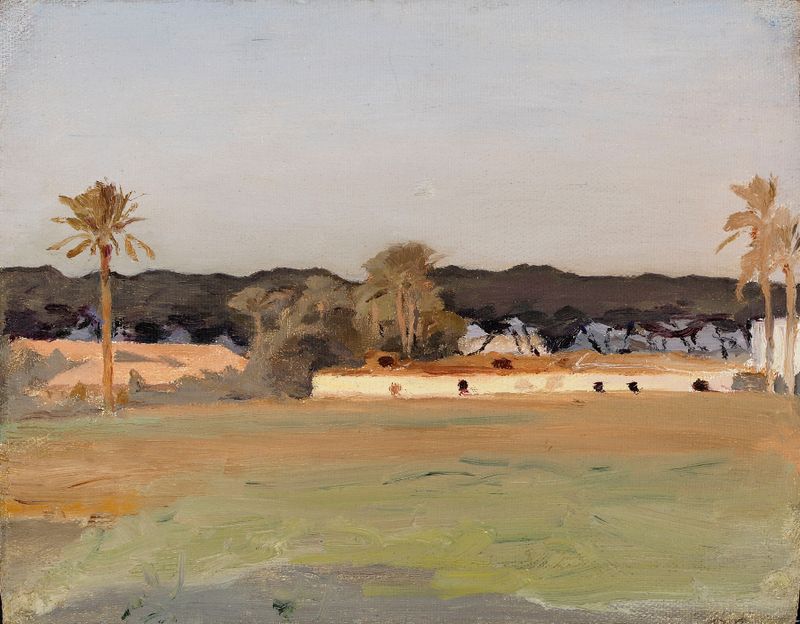
Evening. From the journey to Egypt
Jan Ciągliński
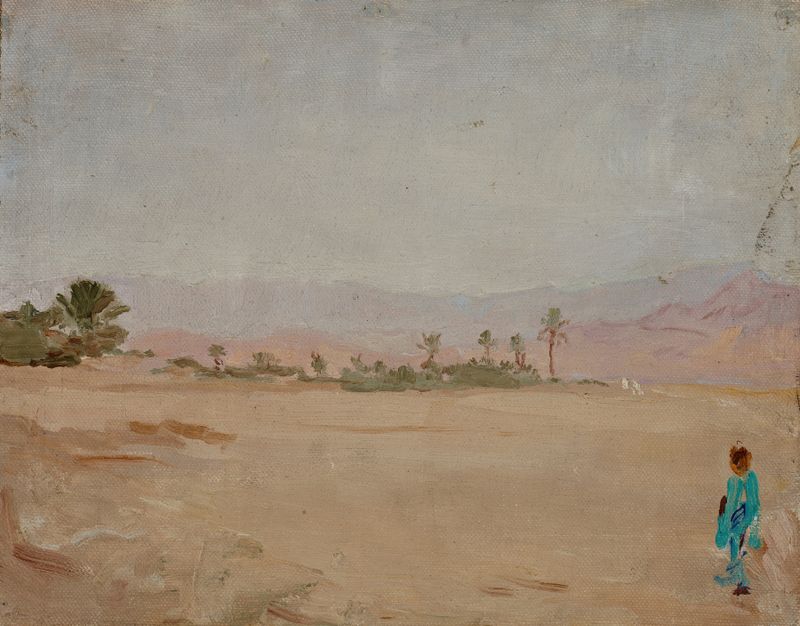
Sahara (Desert)
Jan Ciągliński
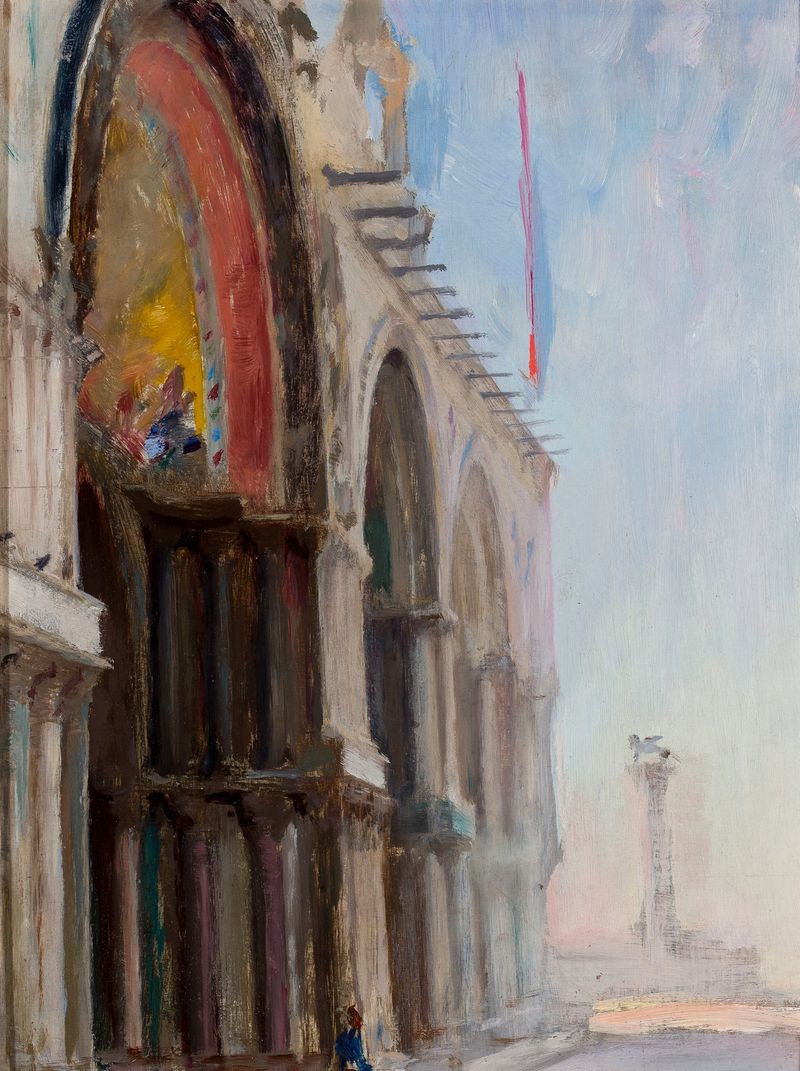
Venice – San Marco. From the journey to Italy
Jan Ciągliński
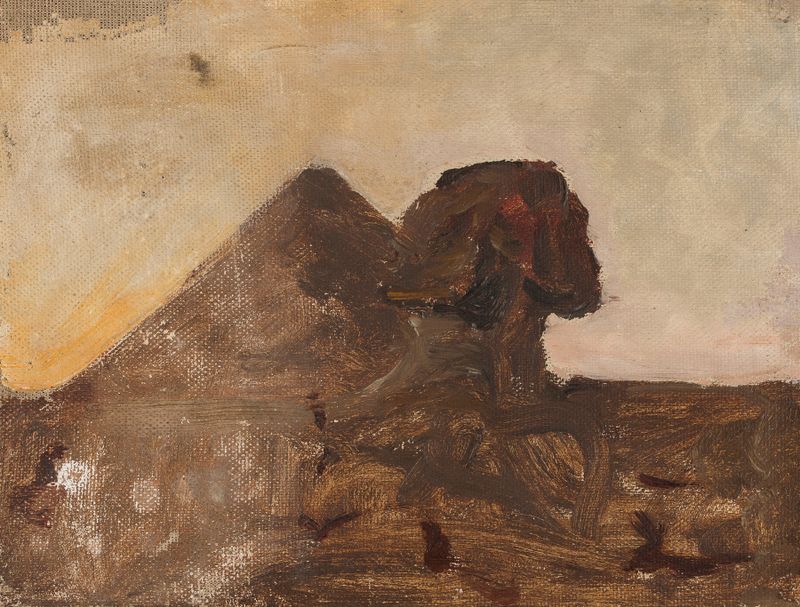
Evening in the desert – Sphinx and pyramid. From the journey to Egypt
Jan Ciągliński





