
Deserted Mill — History & Facts
Can beauty exist without sorrow? The abandoned structure stands resolute against the backdrop of a fading day, whispering tales of its former glory while its desolation hints at the passage of time. Look to the left at the delicate interplay of light and shadow, where the sun’s golden rays cascade over the weathered wood of the mill. The artist employs a muted palette of earthy browns and soft grays, emphasizing the quiet resilience of the dilapidated building. Notice how the approaching dusk bathes the scene in a warm glow, creating an atmosphere that is both nostalgic and melancholic, inviting the viewer to linger in this transient moment. In the foreground, the sparse grass clings to life, accentuating the contrast between vitality and decay.
Every creak of the mill seems to echo lost laughter and the gentle hum of activity that once filled the air. This duality—beauty intertwined with abandonment—evokes an emotional tension, reminding us of life’s impermanence and the complex balance between thriving and desolation. Created in 1924, this piece emerged during a time when Haskell was exploring the interplay of light and landscape, drawing from his experiences in rural America. The art world was shifting toward modernist expressions, yet he remained focused on capturing the poignant stillness of forgotten places.
The mill, as a subject, reflects both personal and universal themes of loss and memory, resonating deeply with the era's evolving artistic narrative.
More Artworks by Ernest Haskell
Browse all →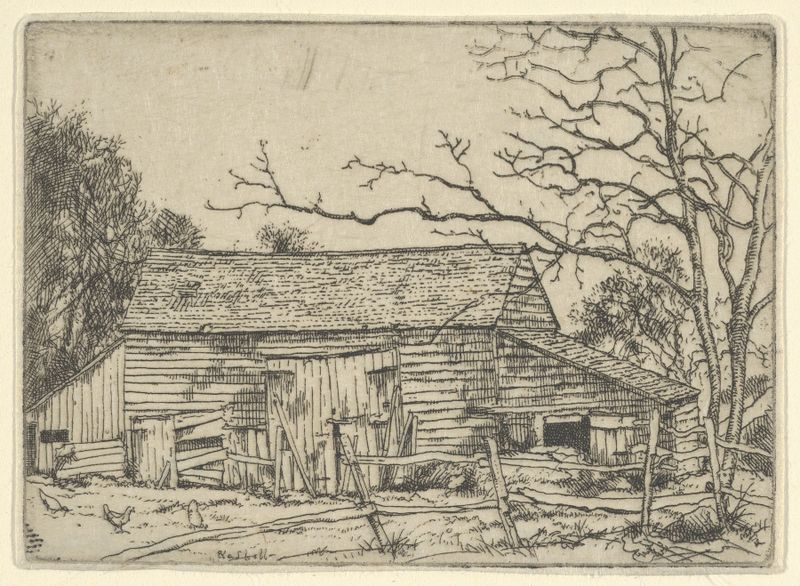
The Barn–Staten Island, N.Y.
Ernest Haskell

Four Live Oaks
Ernest Haskell
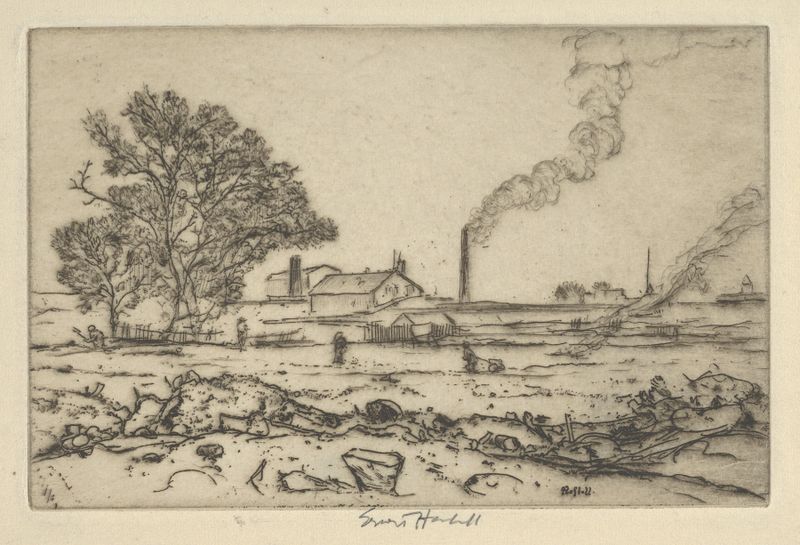
Outskirts of Boston
Ernest Haskell
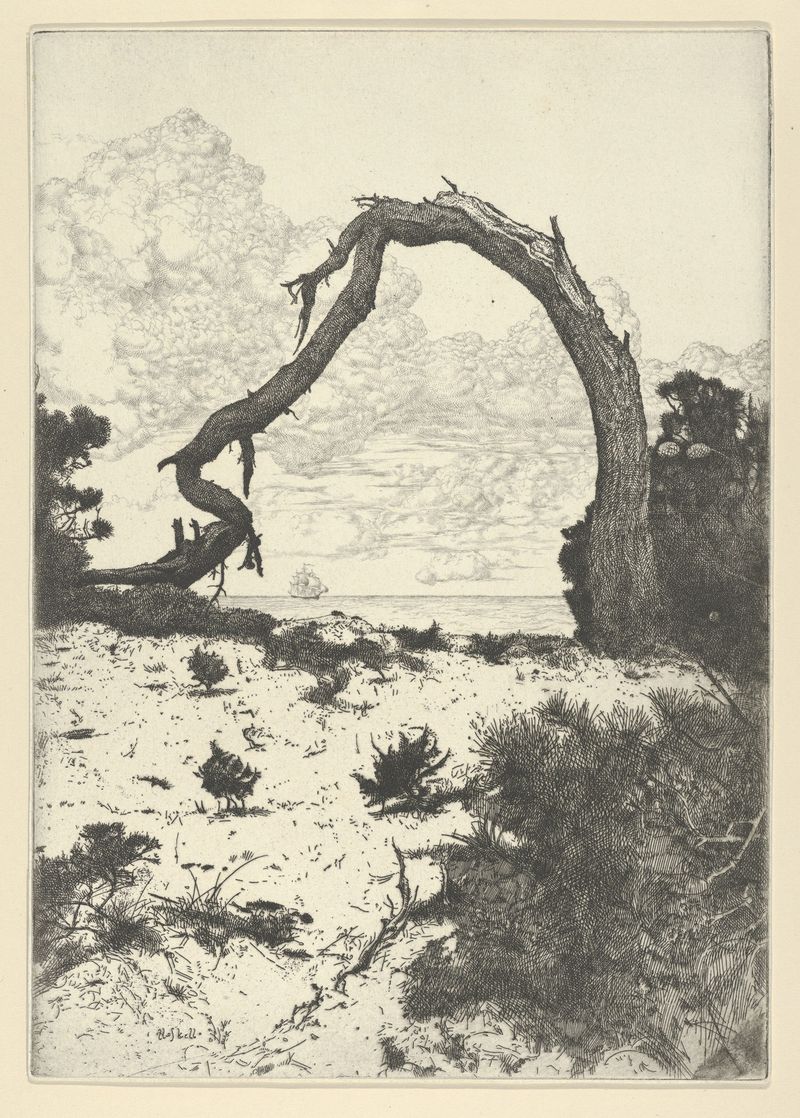
Pine Arch
Ernest Haskell

General Sherman
Ernest Haskell
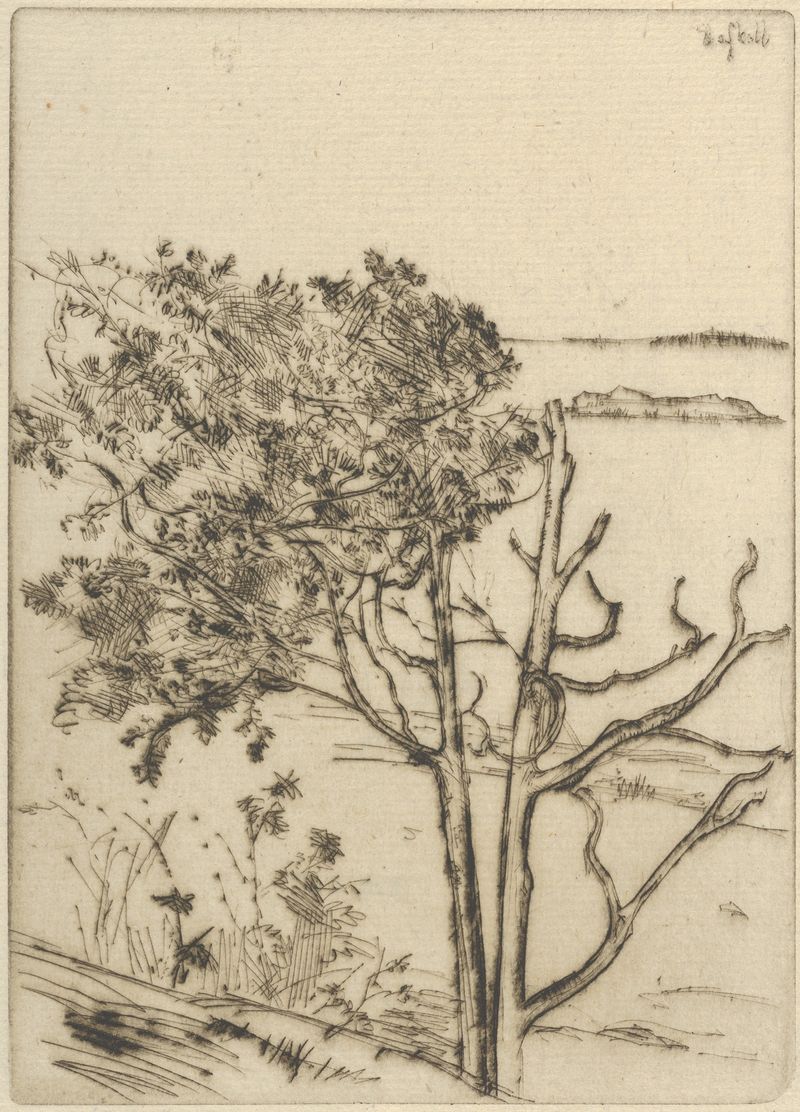
Ragged Tree – Maine
Ernest Haskell

Tide Mill
Ernest Haskell

Ship Building
Ernest Haskell
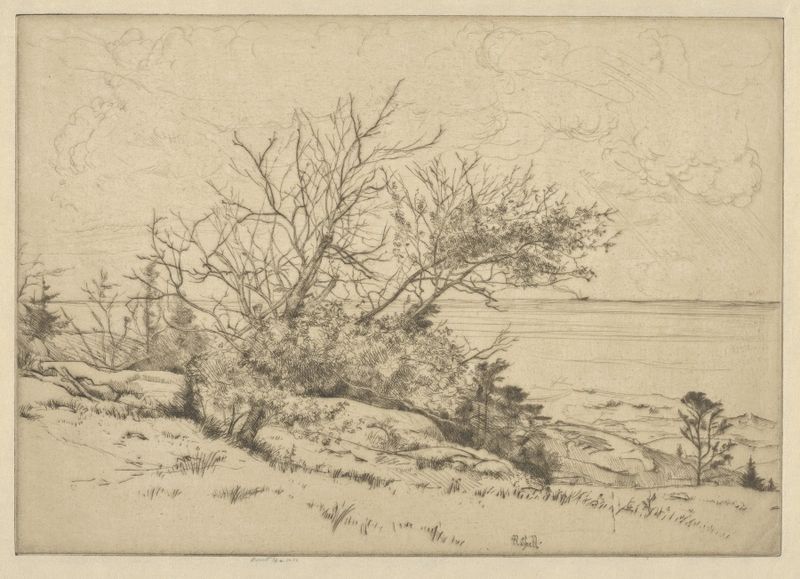
To the Southward – Ragged Island, Me.
Ernest Haskell
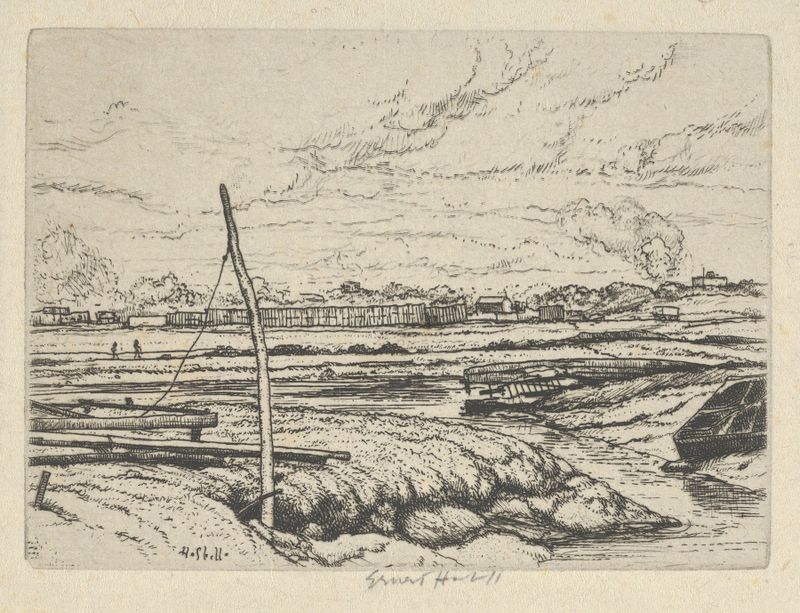
Long Island Marshes
Ernest Haskell





