
Devil’s Bridge on the St Gotthard Road — History & Facts
When did color learn to lie? It’s a question that resonates in the depths of the soul, echoing the tensions between reality and perception. In a world cloaked in the whispers of optimism and shadows of doubt, this painting unveils a landscape that invites both wonder and contemplation. Look to the center, where the bridge arcs gracefully over the rushing water below. Notice how the artist captures the delicate interplay of light and shadow, with soft blues and greens harmonizing against the warm earthy tones of the stone structure.
The intricate detailing of the bridge's architecture draws the eye, leading it effortlessly across the canvas and inviting the viewer to follow its path into the distant mountains. The sky appears alive, a symphony of pastel hues that contrast sharply with the darker undercurrents below, evoking a sense of both tranquility and tension. Yet, beneath this serene facade lies an emotional complexity. The bridge symbolizes a crossing from one realm to another—a journey filled with both hope and uncertainty.
The tumultuous waters below mirror the unpredictability of life, hinting at the struggles that often accompany progress. The tranquil mountains in the background stand as silent witnesses, reinforcing the dichotomy of aspiration against the challenges one must brave. Christian Georg Schütz the elder created this work in 1781, immersed in the burgeoning Romantic movement that sought to evoke emotion through nature's beauty. At that time, Switzerland was navigating the currents of political change and social transformation.
The artist's focus on the sublime power of landscape reflects both his personal journey and the wider artistic ambition of his era, capturing the duality of hope and despair in a picturesque setting.
More Artworks by Christian Georg Schütz the elder
Browse all →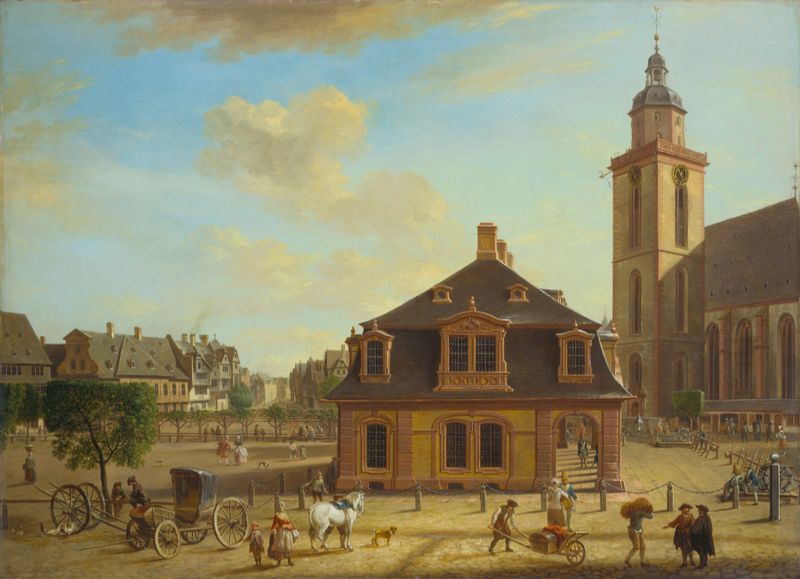
The Rossmarkt in Frankfurt
Christian Georg Schütz the elder
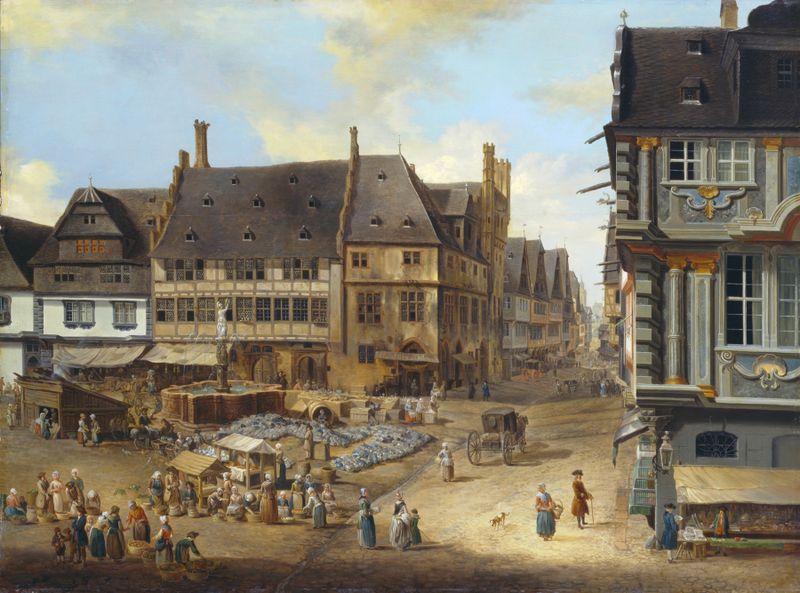
The Liebfrauenberg in Frankfurt
Christian Georg Schütz the elder
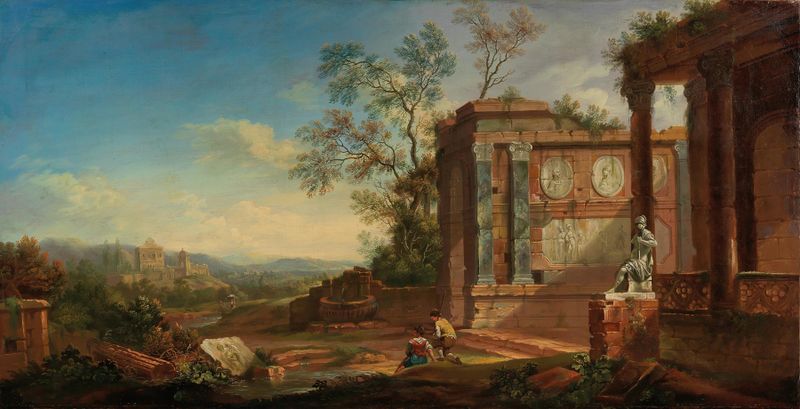
Gebirgige Flusslandschaft
Christian Georg Schütz the elder
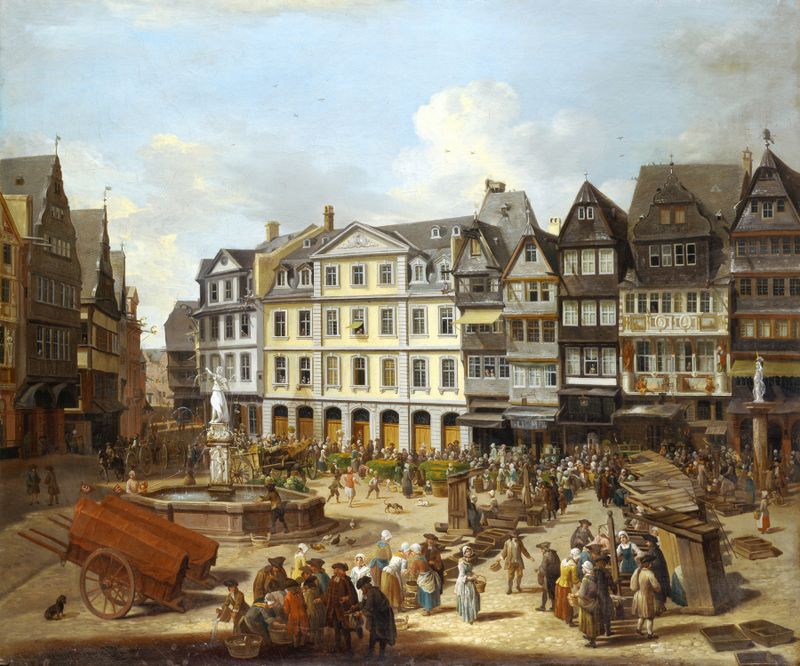
A Market on the Römerberg in Frankfurt
Christian Georg Schütz the elder
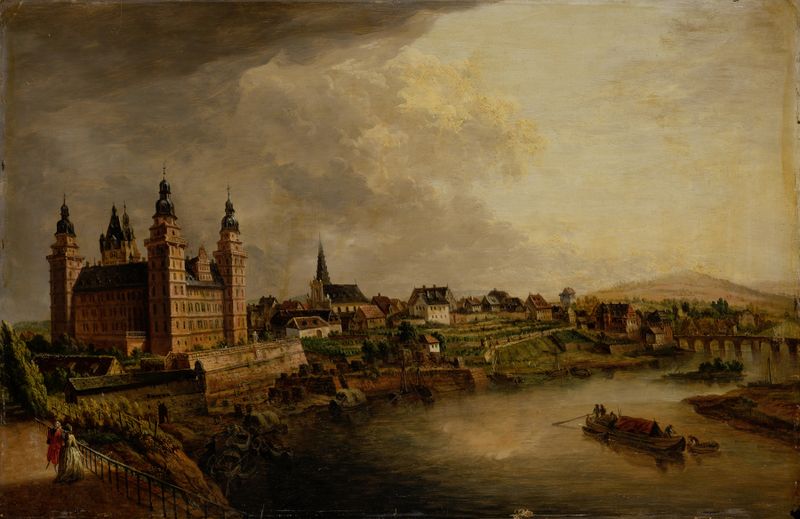
View of Aschaffenburg
Christian Georg Schütz the elder

Landscape with River.
Christian Georg Schütz the elder

River Landscape in the Morning Light
Christian Georg Schütz the elder

A Rhine landscape with a ferry, near Bonn with the Rolandsbogen, Drachenfels and the island of Nonnenwerth beyond
Christian Georg Schütz the elder
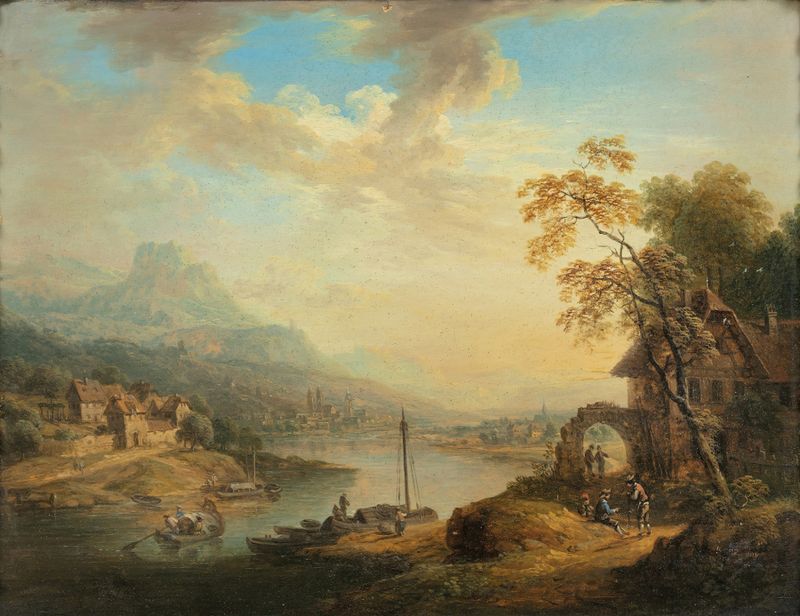
River Landscape
Christian Georg Schütz the elder

Flooded Woodlands near Oberrad
Christian Georg Schütz the elder





