
Gebirgige Flusslandschaft — History & Facts
In the quiet solitude of creation, every stroke becomes a bridge between fleeting moments and the transformative power of art. Look to the center of Gebirgige Flusslandschaft, where a serene river winds its way through a rugged landscape. The soft blues and greens of the water contrast beautifully with the warm earth tones of the distant hills, inviting the viewer to trace the fluidity of the river’s path. Notice how the delicate brushwork captures the interplay of light and shadow, evoking a gentle breeze that seems to rustle the leaves, while the clouds above hint at a deeper, more tumultuous sky. Within this tranquil scene lies a poignant tension — the juxtaposition of nature's timeless beauty with its ever-changing essence.
The flowing water symbolizes transformation, a reminder that life is in constant motion, while the imposing mountains stand as steadfast guardians of memory. Each peak and valley holds stories untold, a testament to the cycle of creation and decay, beckoning deeper reflection on our own journeys through change. In 1752, Christian Georg Schütz the elder was immersed in the rich artistic culture of Germany, a time when landscape painting was evolving to express more than mere representation. He sought to capture the emotional resonance of nature, navigating personal challenges and the broader shifts in the art world.
As he painted in the shadows of the Alps, he embraced the delicate balance between memory and transformation, forever encapsulated in this mesmerizing landscape.
More Artworks by Christian Georg Schütz the elder
Browse all →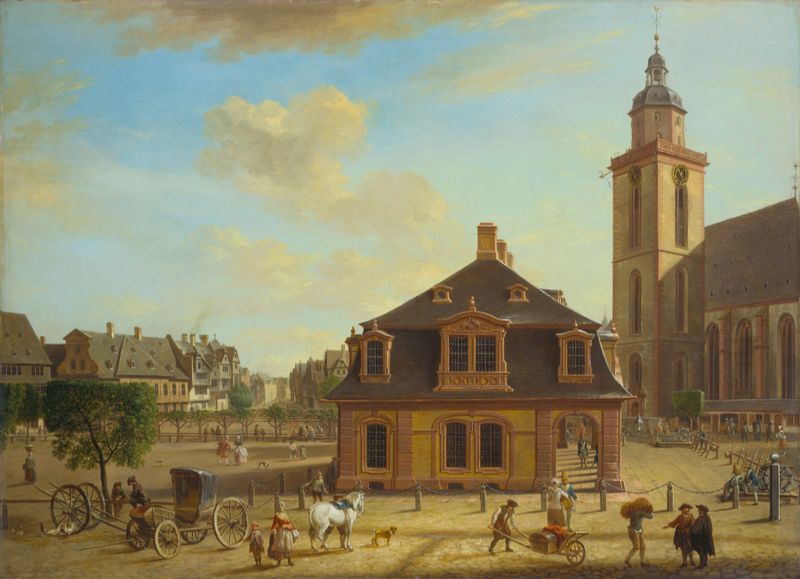
The Rossmarkt in Frankfurt
Christian Georg Schütz the elder
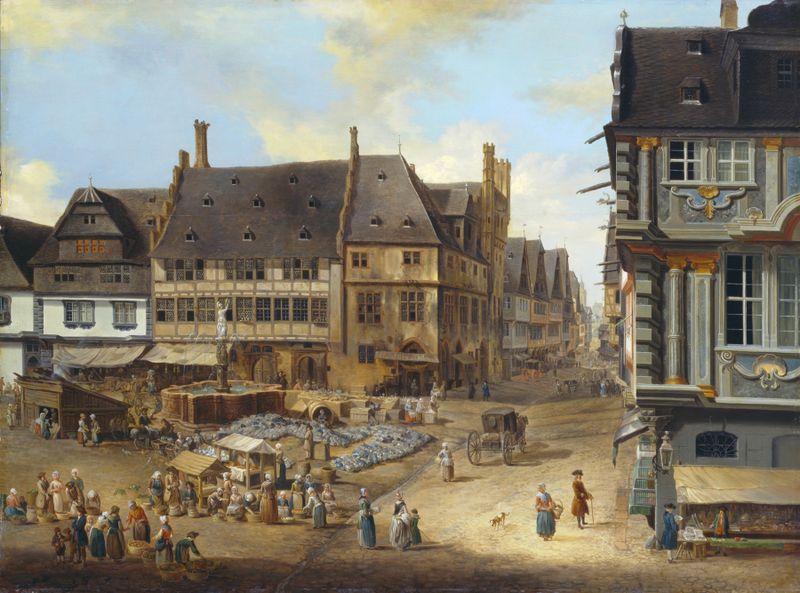
The Liebfrauenberg in Frankfurt
Christian Georg Schütz the elder
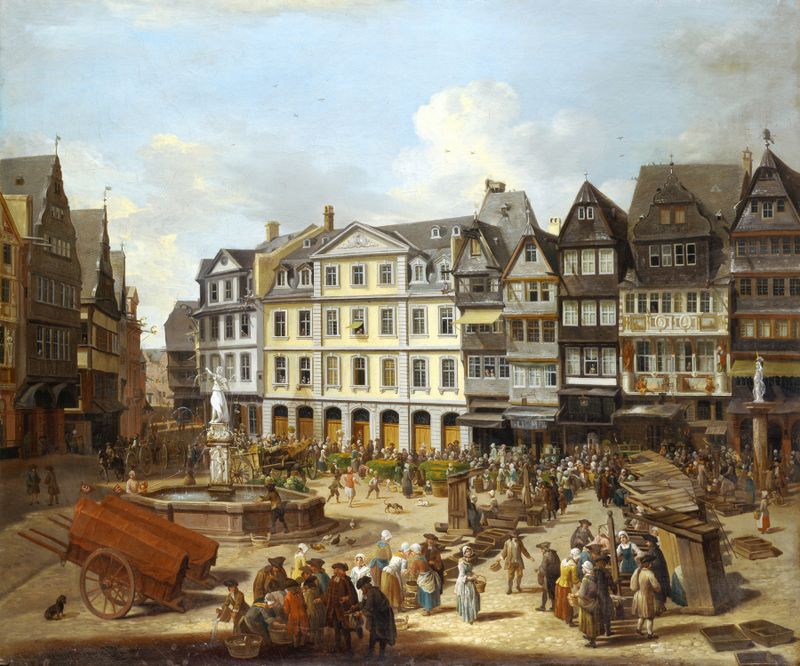
A Market on the Römerberg in Frankfurt
Christian Georg Schütz the elder
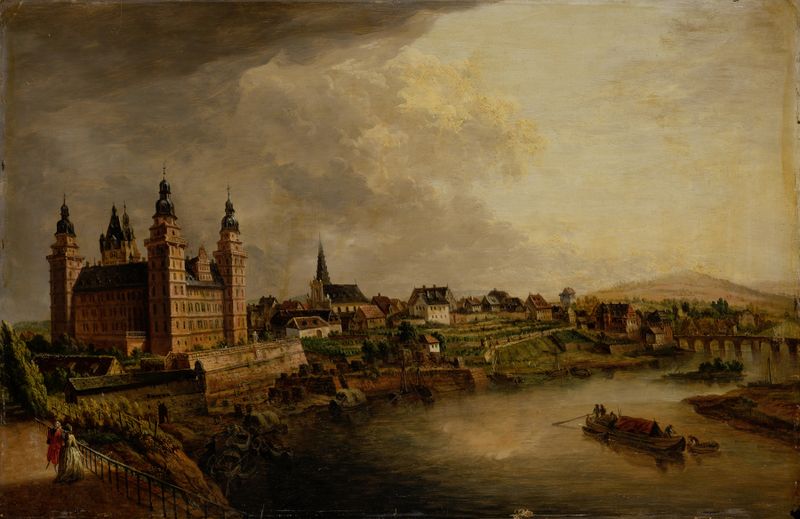
View of Aschaffenburg
Christian Georg Schütz the elder

Landscape with River.
Christian Georg Schütz the elder

River Landscape in the Morning Light
Christian Georg Schütz the elder

A Rhine landscape with a ferry, near Bonn with the Rolandsbogen, Drachenfels and the island of Nonnenwerth beyond
Christian Georg Schütz the elder
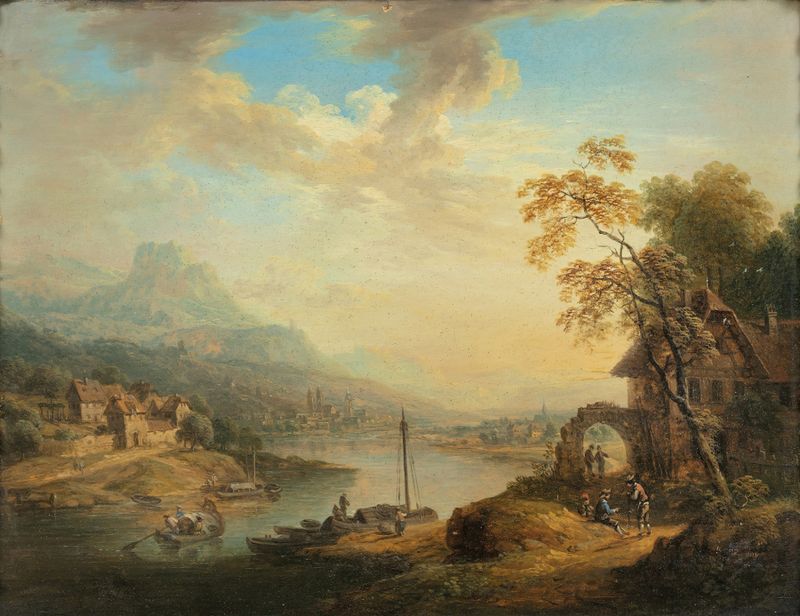
River Landscape
Christian Georg Schütz the elder

Flooded Woodlands near Oberrad
Christian Georg Schütz the elder
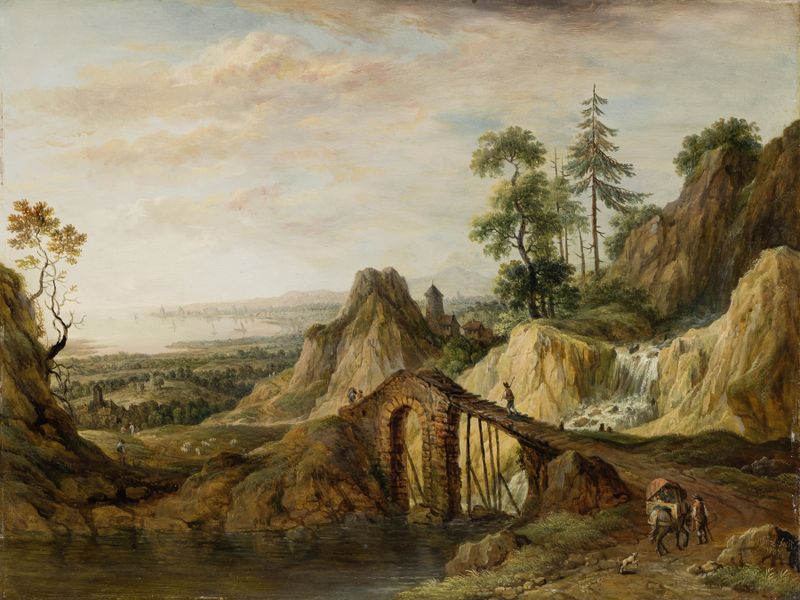
Landscape with a Bridge
Christian Georg Schütz the elder





