
Flooded Woodlands near Oberrad — History & Facts
In the stillness of nature, emptiness can resonate louder than noise, filling the spaces between shapes and colors with whispers of longing. This delicate balance evokes a sense of introspection and contemplation. Focus first on the soft, muted palette of greens and browns that envelops the scene, inviting you to explore the intricacies of the flooded woodlands. Notice how the gentle brushstrokes create a textured surface, mimicking the dappled light filtering through the canopy above.
The foreground, where reflections shimmer on the water, beckons one to trace the outlines of fallen branches and submerged roots, creating a visual narrative of decay and renewal. Yet there is an emotional tension here, where desolation meets beauty. The flooded terrain suggests a moment caught between destruction and rebirth, hinting at the cycle of life and the inevitability of change. Look closely beneath the water's surface—the submerged elements signify loss, while the vibrant greenery hints at resilience.
This duality serves as a poignant reminder of nature's unyielding ability to adapt amidst adversity. During the period of 1760 to 1770, Christian Georg Schütz the elder was immersing himself in the landscapes of Germany, a time when artists were increasingly drawn to the beauty of natural scenes. The Enlightenment had taken hold, prompting a shift in artistic focus toward the sublime and the natural world. Schütz's work, particularly this piece, reflects both the Romantic yearning for nature and the emerging appreciation for its quiet, haunting beauty amidst the chaos of life.
More Artworks by Christian Georg Schütz the elder
Browse all →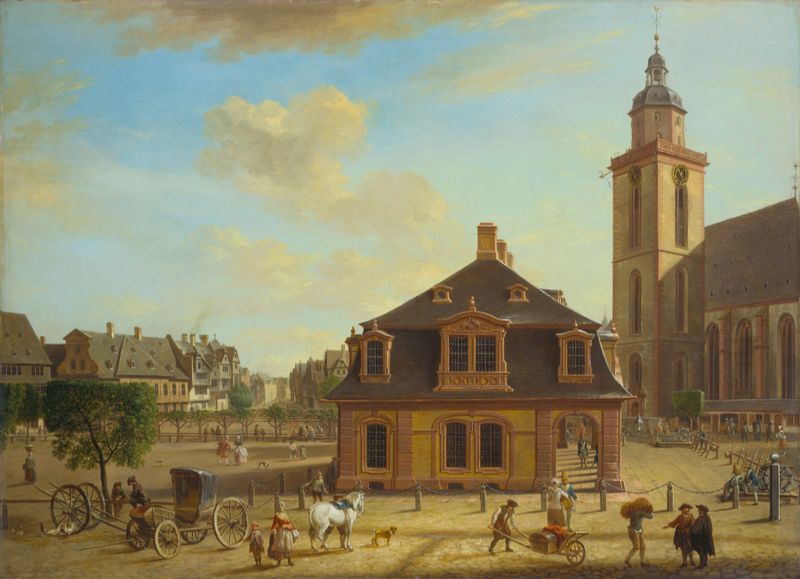
The Rossmarkt in Frankfurt
Christian Georg Schütz the elder
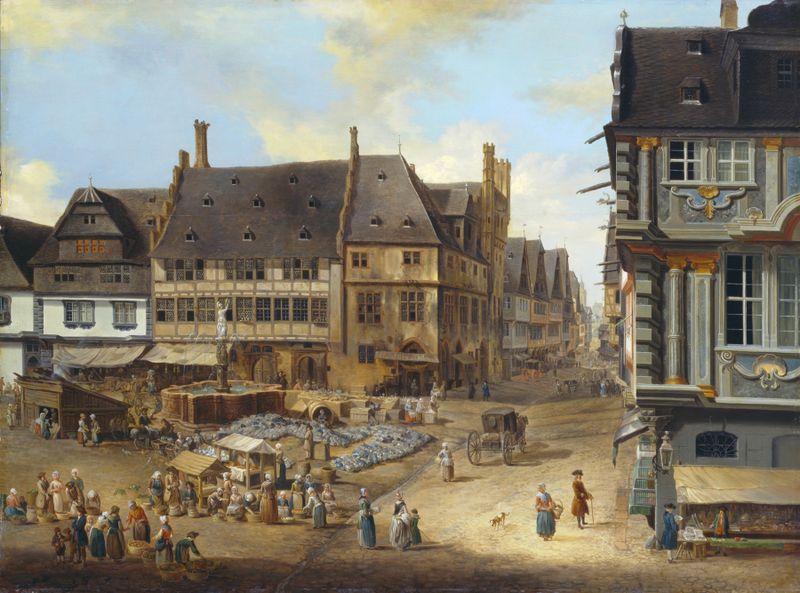
The Liebfrauenberg in Frankfurt
Christian Georg Schütz the elder
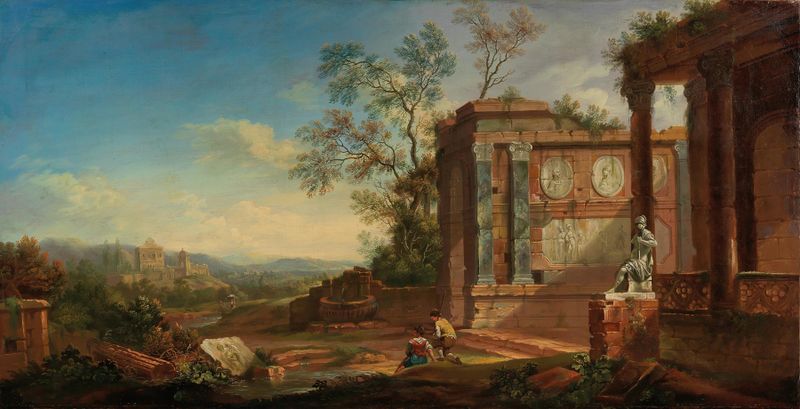
Gebirgige Flusslandschaft
Christian Georg Schütz the elder
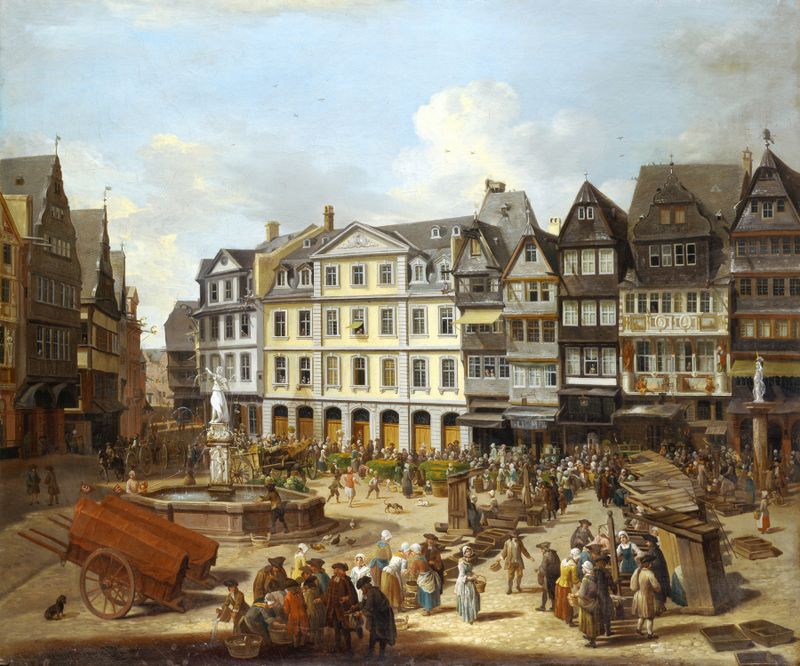
A Market on the Römerberg in Frankfurt
Christian Georg Schütz the elder
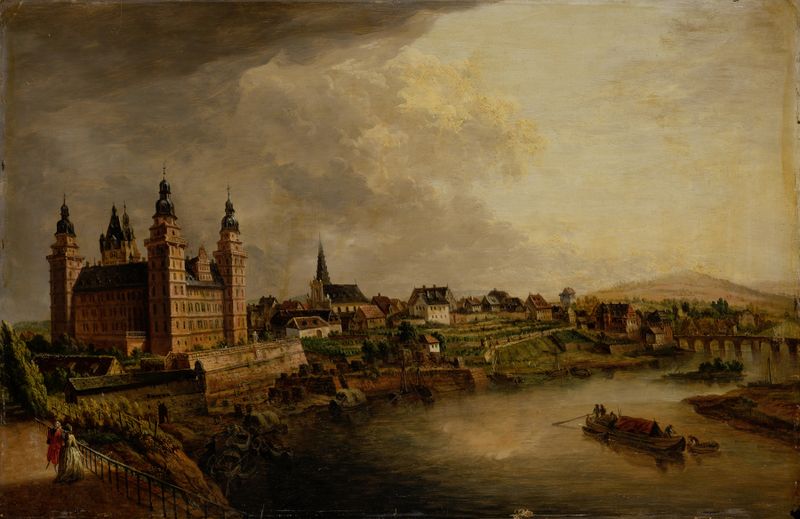
View of Aschaffenburg
Christian Georg Schütz the elder

Landscape with River.
Christian Georg Schütz the elder

River Landscape in the Morning Light
Christian Georg Schütz the elder

A Rhine landscape with a ferry, near Bonn with the Rolandsbogen, Drachenfels and the island of Nonnenwerth beyond
Christian Georg Schütz the elder
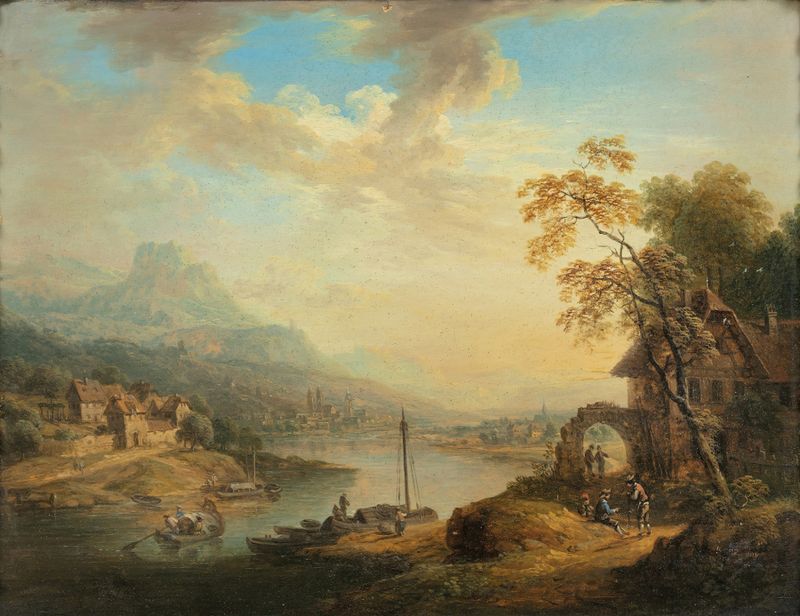
River Landscape
Christian Georg Schütz the elder
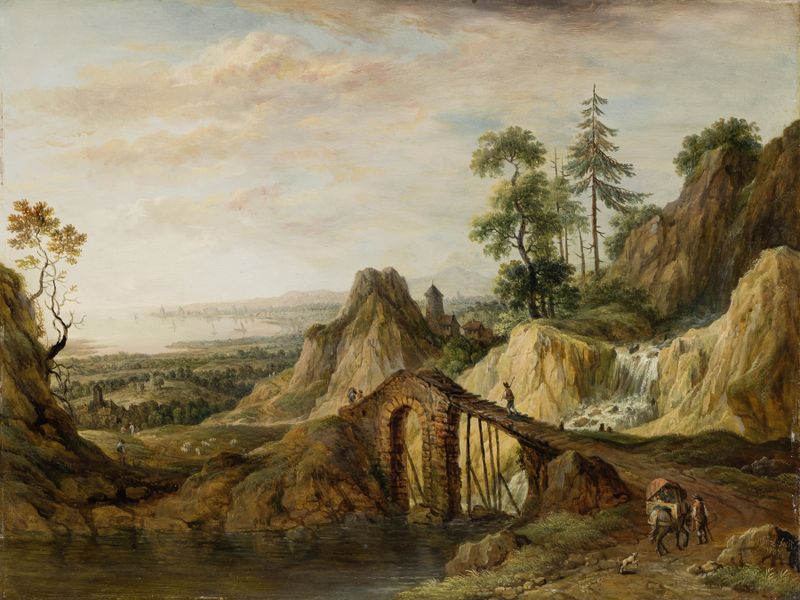
Landscape with a Bridge
Christian Georg Schütz the elder





