
River Landscape in the Morning Light — History & Facts
Could beauty survive in a century of chaos? In the delicate interplay of light and water, River Landscape in the Morning Light captures a serene moment, inviting contemplation amidst the tumult of its time. Look to the foreground, where gentle ripples dance on the river's surface, reflecting the golden hues of dawn. The artist employs a soft palette of pastels, guiding your gaze from the shimmering water to the lush greenery on the banks. Notice how the light falls upon the tree branches, each leaf kissed by the sun, while the distant hills cradle the horizon, offering a sense of depth and tranquility.
The composition harmoniously combines nature's splendor with a peaceful solitude that envelops the viewer. Within this idyllic scene lies a tension between the serenity of the landscape and the chaotic realities of the 18th century. The placid river signifies continuity, a natural order in contrast to the human struggles of the era. Hidden beneath the surface, the delicate brushstrokes echo the fragility of beauty itself, suggesting that such moments of peace are fleeting, yet profoundly important.
The juxtaposition of vibrant life against the looming uncertainties of change emphasizes the resilience of nature's grace. Created between 1760 and 1770, this piece reflects Christian Georg Schütz the elder's engagement with the trends of the Rococo movement, which celebrated lightness and charm. During this time, Europe was grappling with political upheaval, and artists sought solace in the depiction of serene landscapes. Schütz’s work serves as a reminder that amid chaos, art can create a refuge, capturing moments of beauty that resonate through time.
More Artworks by Christian Georg Schütz the elder
Browse all →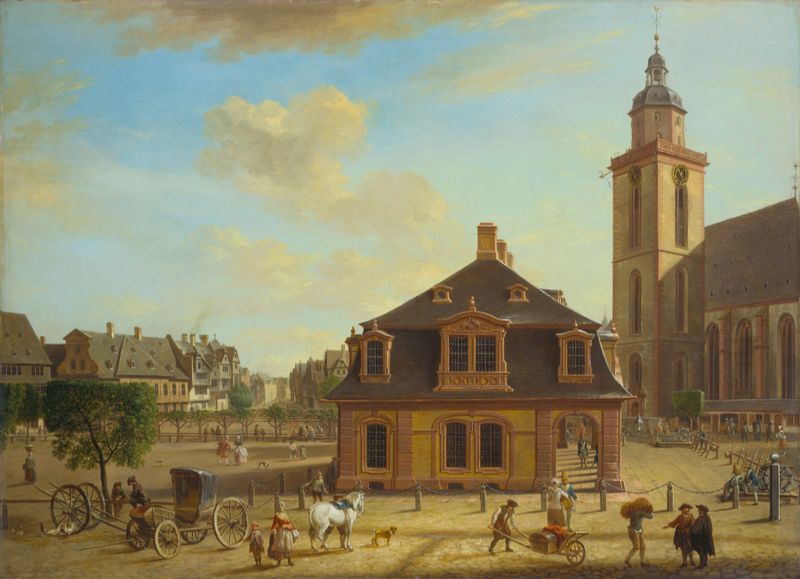
The Rossmarkt in Frankfurt
Christian Georg Schütz the elder
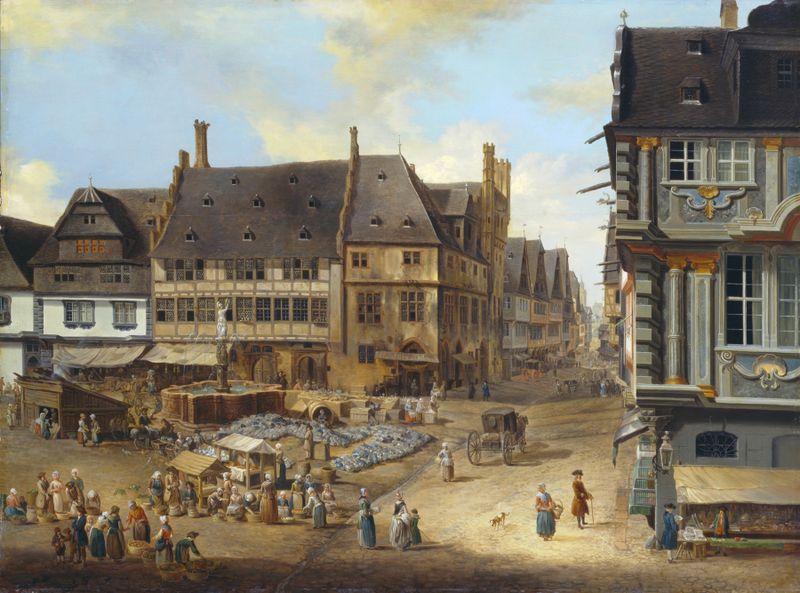
The Liebfrauenberg in Frankfurt
Christian Georg Schütz the elder
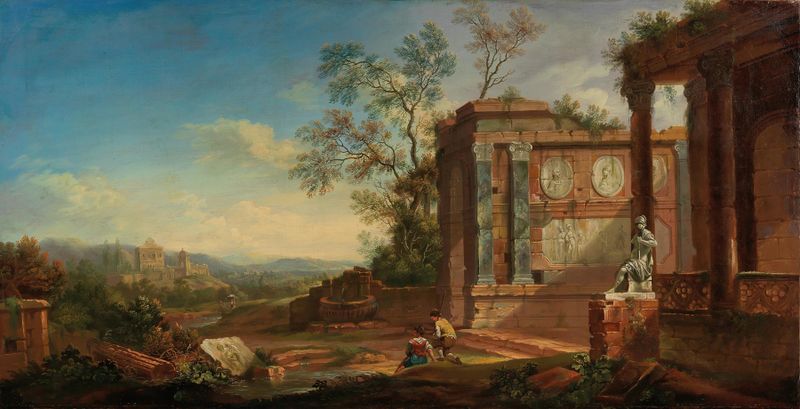
Gebirgige Flusslandschaft
Christian Georg Schütz the elder
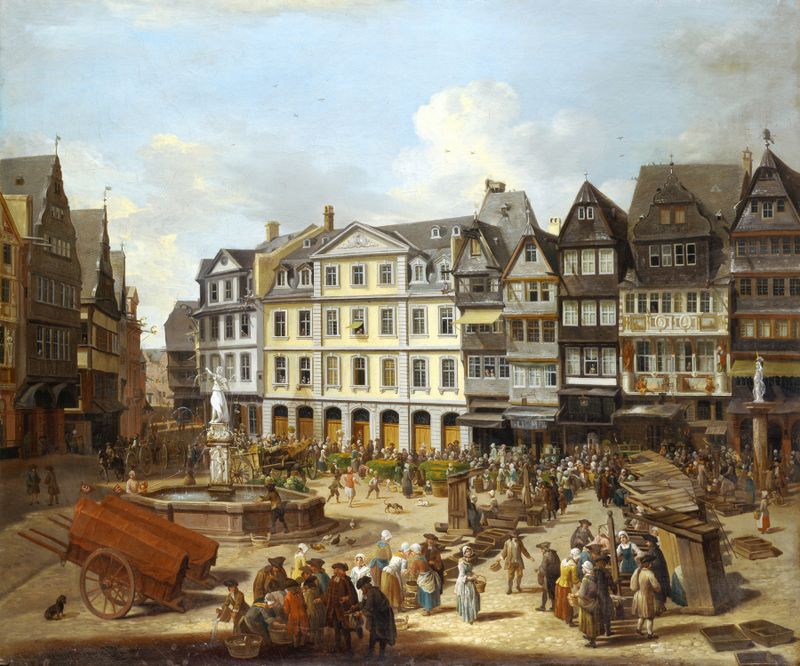
A Market on the Römerberg in Frankfurt
Christian Georg Schütz the elder
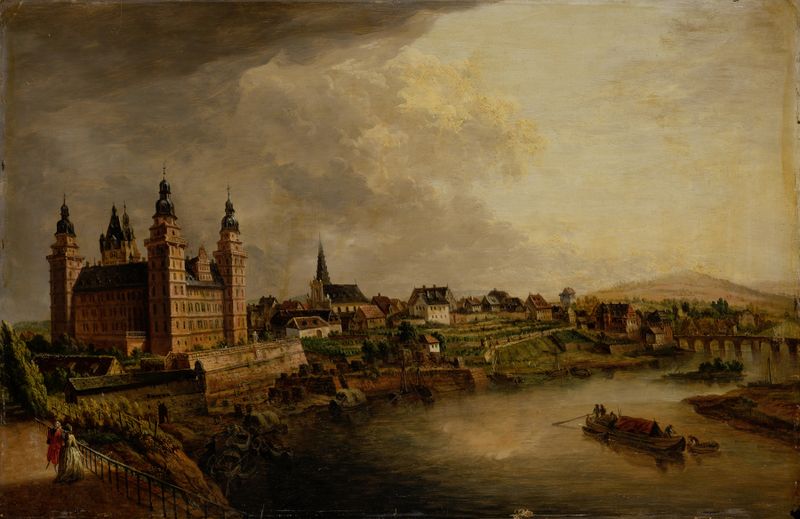
View of Aschaffenburg
Christian Georg Schütz the elder

Landscape with River.
Christian Georg Schütz the elder

A Rhine landscape with a ferry, near Bonn with the Rolandsbogen, Drachenfels and the island of Nonnenwerth beyond
Christian Georg Schütz the elder
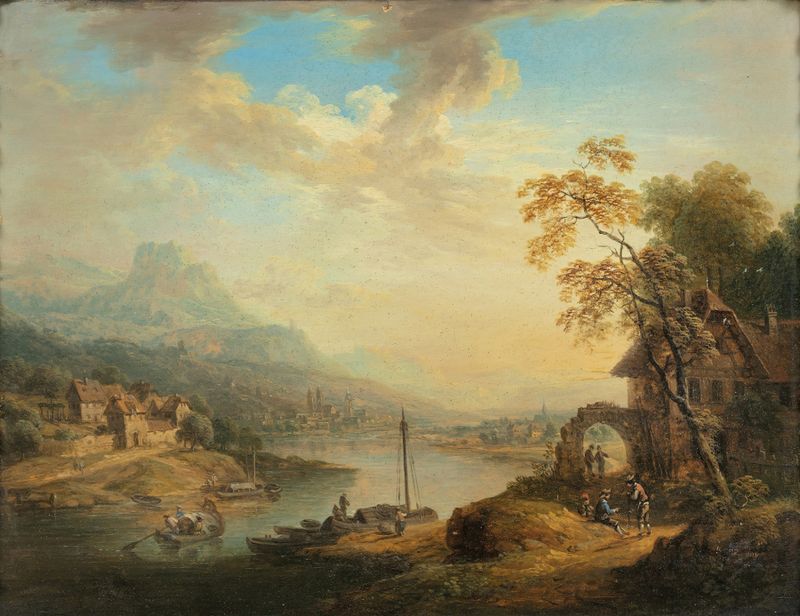
River Landscape
Christian Georg Schütz the elder

Flooded Woodlands near Oberrad
Christian Georg Schütz the elder
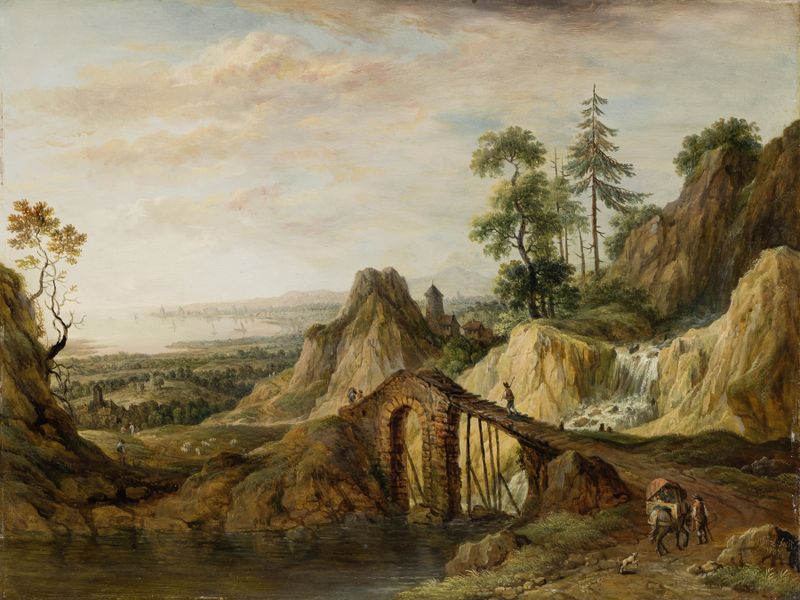
Landscape with a Bridge
Christian Georg Schütz the elder





