
The Liebfrauenberg in Frankfurt — History & Facts
In the quiet corners of our existence, grief often resides, waiting to be acknowledged. Look closely at the gentle strokes that outline the trees and buildings in the background of this evocative piece. Notice how the soft hues of green and beige blend seamlessly, creating a serene atmosphere that fills the canvas. The composition draws your eye toward a distant hill, where delicate figures wander, their movements infused with a sense of longing, as if each step echoes an unspoken sorrow.
The subtle interplay of light and shadow adds depth, inviting contemplation as you navigate this tranquil yet poignant landscape. Delve deeper into the nuances of the scene, and you’ll find whispers of loss and reminiscence. The way the trees stand tall yet isolated reflects a profound solitude, while the distant figures, almost ghostlike, evoke memories of those once present but now absent. Here, the beauty of the environment contrasts with an underlying melancholic tension, as if the landscape itself mourns the passage of time and the weight of unfulfilled connections. Christian Georg Schütz the elder created this piece during a period when emotional expression in landscape painting was gaining prominence.
Though the exact date remains uncertain, it is likely that he painted it in the late 18th century in Germany, where a burgeoning appreciation for the natural world was intertwined with the personal struggles of the era. The artistic community was evolving, embracing themes that resonated with the human experience, and this work stands as a quiet testament to those explorations.
More Artworks by Christian Georg Schütz the elder
Browse all →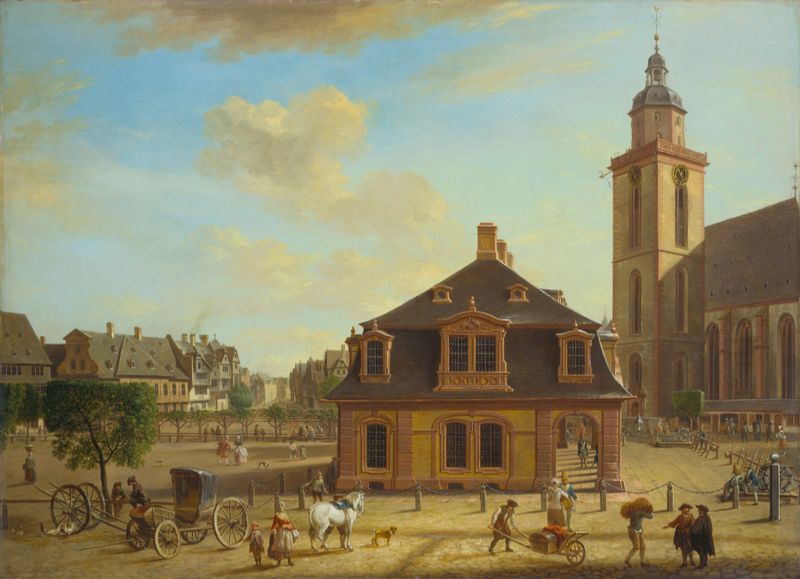
The Rossmarkt in Frankfurt
Christian Georg Schütz the elder
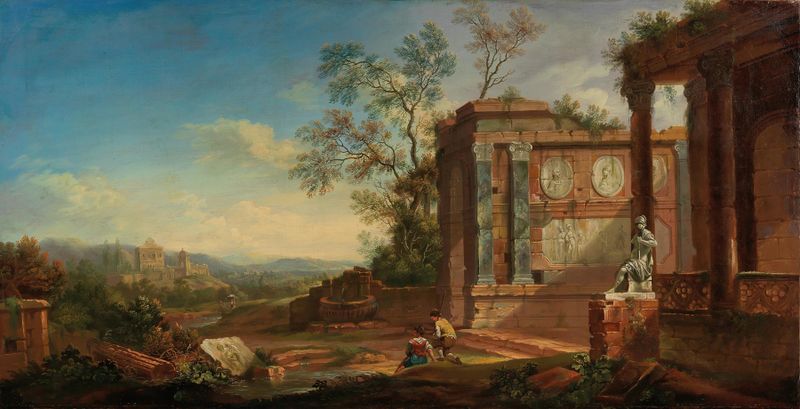
Gebirgige Flusslandschaft
Christian Georg Schütz the elder
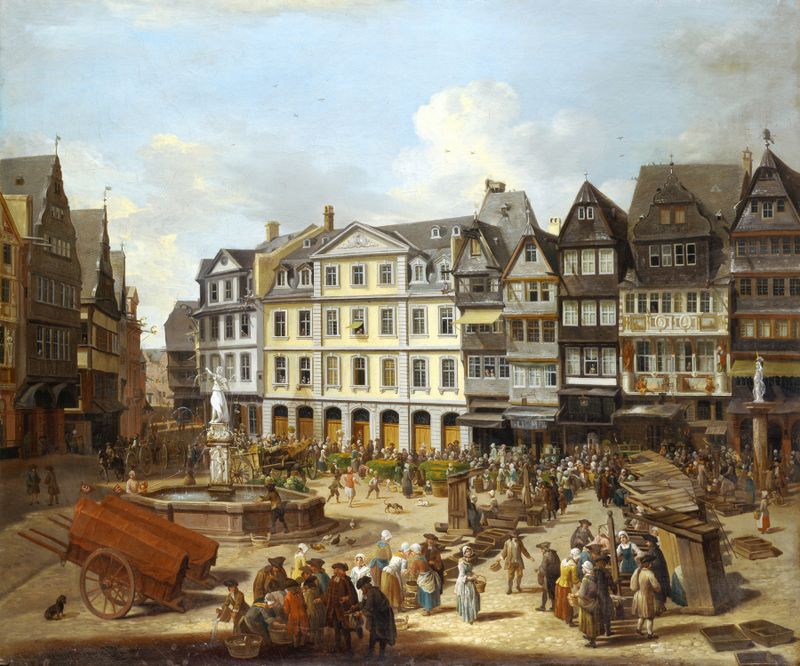
A Market on the Römerberg in Frankfurt
Christian Georg Schütz the elder
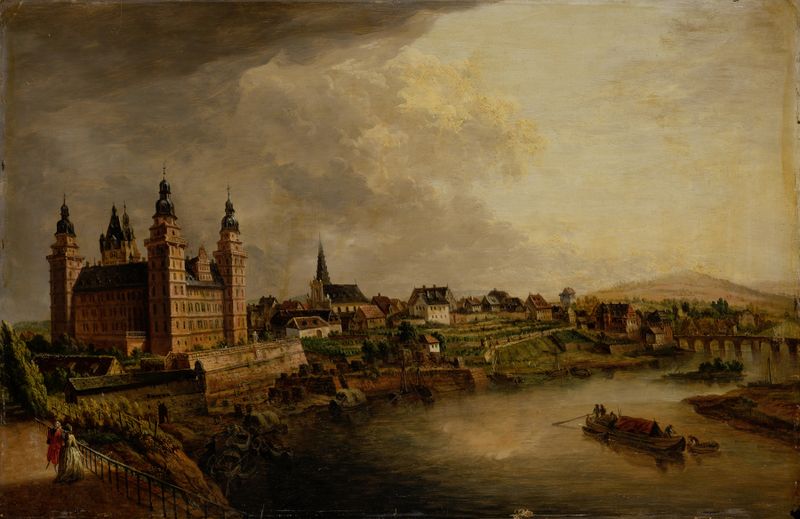
View of Aschaffenburg
Christian Georg Schütz the elder

Landscape with River.
Christian Georg Schütz the elder

River Landscape in the Morning Light
Christian Georg Schütz the elder

A Rhine landscape with a ferry, near Bonn with the Rolandsbogen, Drachenfels and the island of Nonnenwerth beyond
Christian Georg Schütz the elder
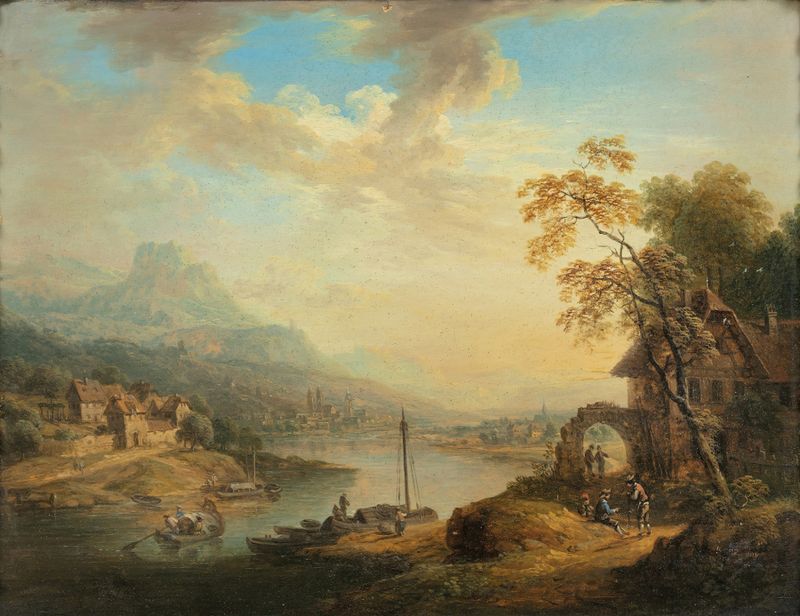
River Landscape
Christian Georg Schütz the elder

Flooded Woodlands near Oberrad
Christian Georg Schütz the elder
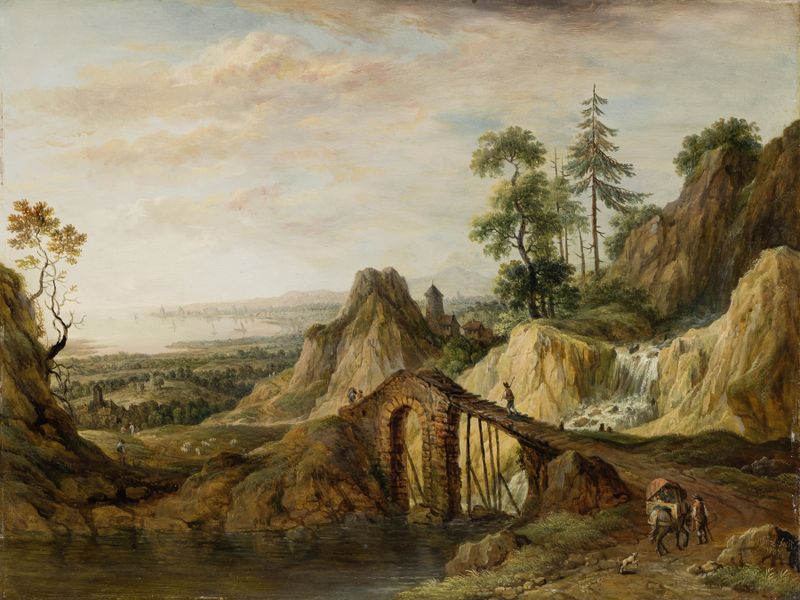
Landscape with a Bridge
Christian Georg Schütz the elder





