Devil’s Gate, California — History & Facts
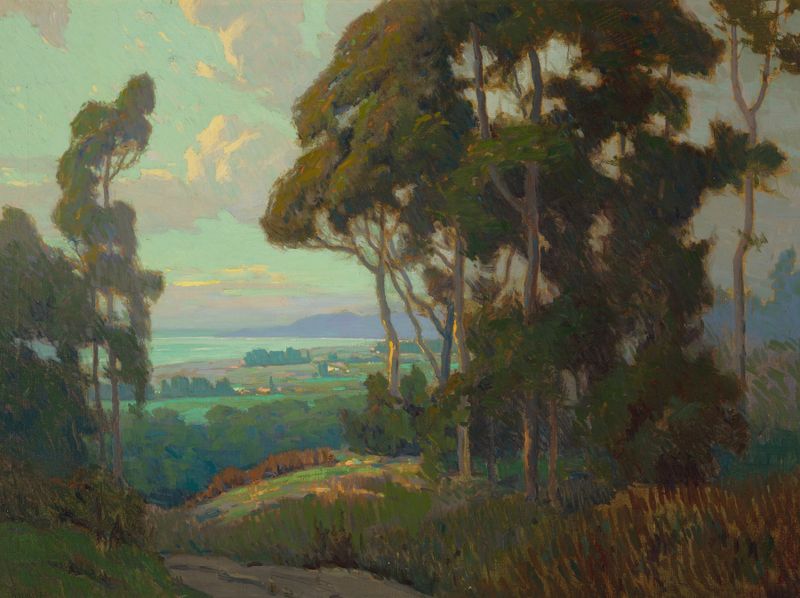
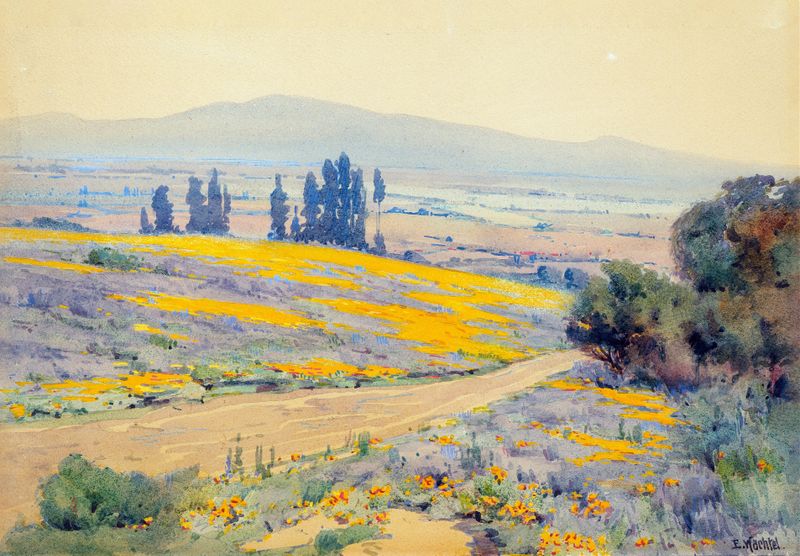
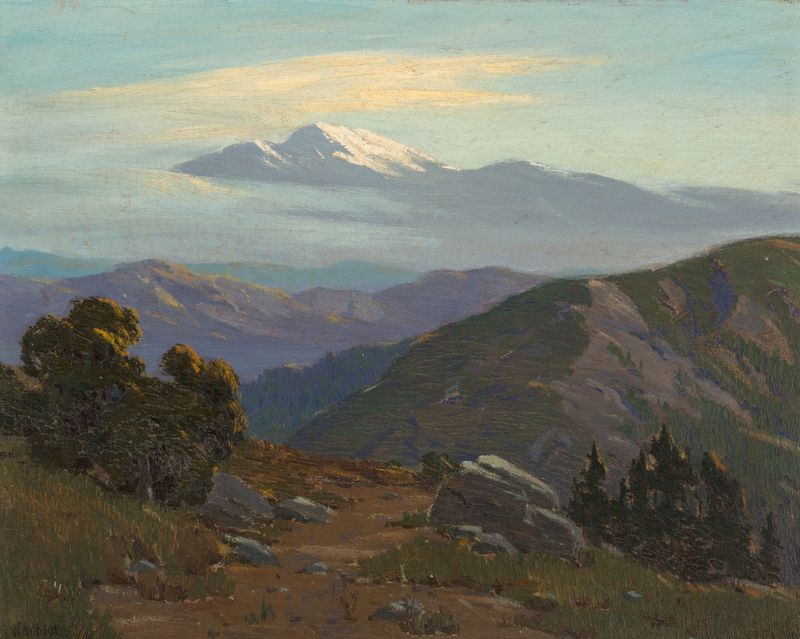
What secret hides in the quiet of the canvas? A moment frozen in time speaks volumes about innocence and the natural world’s embrace. Look to the left at the towering cliffs, their jagged outlines softened by a gentle haze. Notice how the verdant greens contrast against the rocky browns, creating a symphony of color that invites the eye to wander deeper into the scene. The light filters through the foliage, dappling the ground, where the shadows play a delicate dance.
Each brushstroke conveys a sense of tranquility, yet hints at the unseen life thriving in the underbrush, capturing the essence of a secluded paradise. In this serene landscape, the juxtaposition of light and shadow reveals a deeper narrative. The cliffs, stoic and unyielding, symbolize the weight of nature's timelessness, while the vibrant flora beneath speaks to the fragility of life. The subtle hints of sunlight breaking through the leaves suggest a moment of hopeful innocence, as if nature itself cradles the purity of existence.
Every detail, from the blossoms on the ground to the looming presence of the rocks, tells a story of balance between strength and vulnerability. Elmer Wachtel painted this piece during the early 20th century in California, a time when the American art scene was shifting towards Impressionism. In the midst of evolving artistic trends, Wachtel found inspiration in the natural landscapes that surrounded him. This painting reflects his commitment to capturing the raw beauty of the environment, as he sought to infuse the canvas with a sense of peace and wonder, allowing viewers to experience the innocence of nature through his eyes.