Discover insights about this artwork
Diana And Callisto — History & Facts
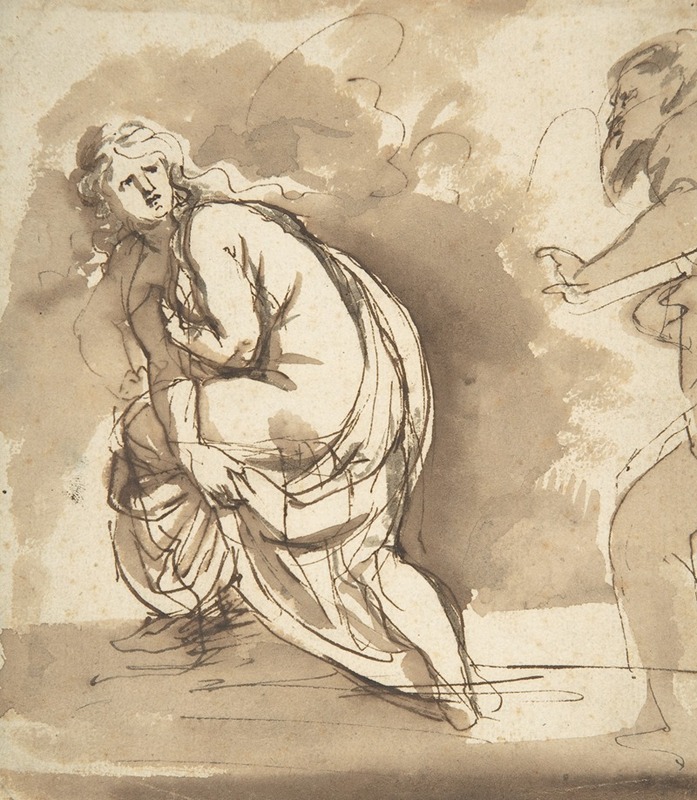
Diana and Callisto shows the goddess Diana surrounded by her nymphs as she discovers her friend Callisto. Callisto, who is partially draped, appears surprised and distressed. The colors are rich, with deep greens and warm skin tones that bring life to the figures.
The background features lush trees and a soft sky that adds to the scene's beauty. Notice how the expressions on the faces of the characters convey a range of emotions, from shock to concern. The fabric of Callisto's drapery is painted with great attention to detail, showing delicate folds and highlights. The figures are arranged in a dynamic composition, drawing your eye around the painting.
Look for the subtle play of light and shadow that adds depth to the scene. Peter Paul Rubens was a leading artist of the Baroque period, known for his vibrant colors and dramatic compositions. He painted this work during the early 1620s, a time when he was exploring themes of mythology and human emotion. Rubens often collaborated with other artists and was influenced by the works of the Italian Renaissance.
An interesting fact is that this painting is part of a series depicting the story of Diana and Callisto, showcasing Rubens' interest in classical mythology.
More Artworks by Peter Paul Rubens
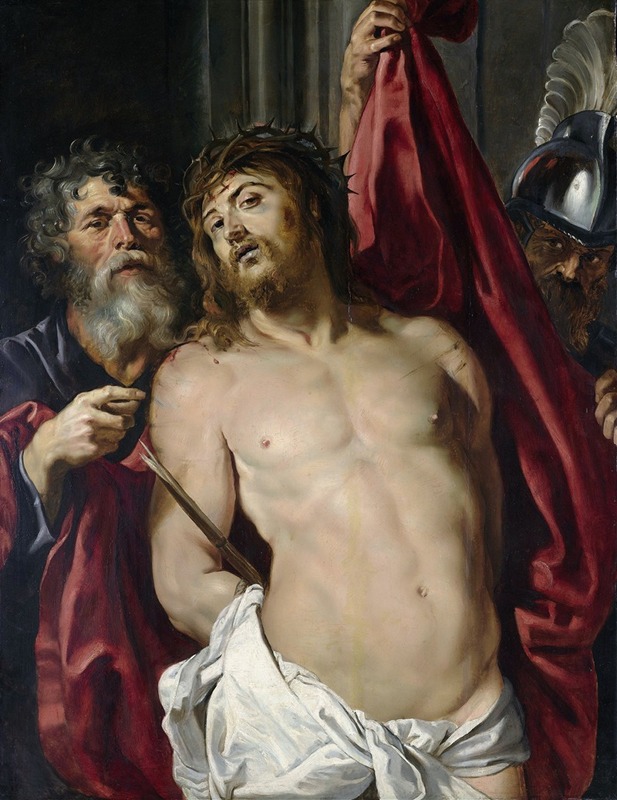
Ecce homo
Peter Paul Rubens
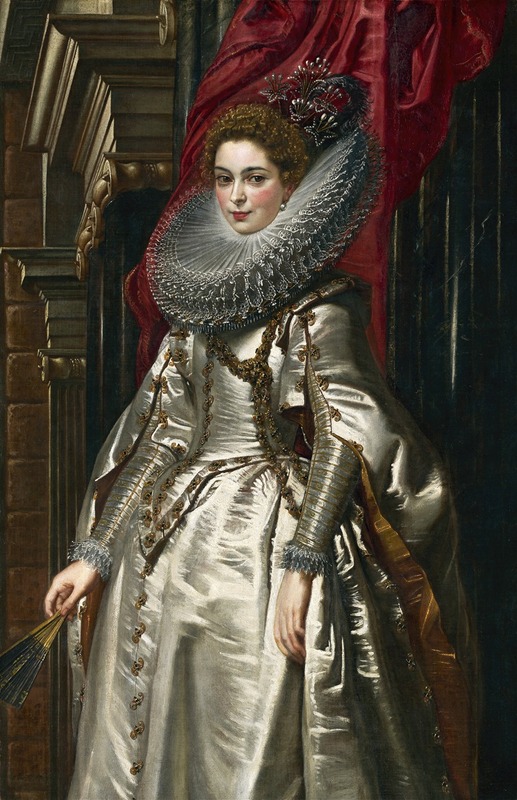
Marchesa Brigida Spinola Doria
Peter Paul Rubens
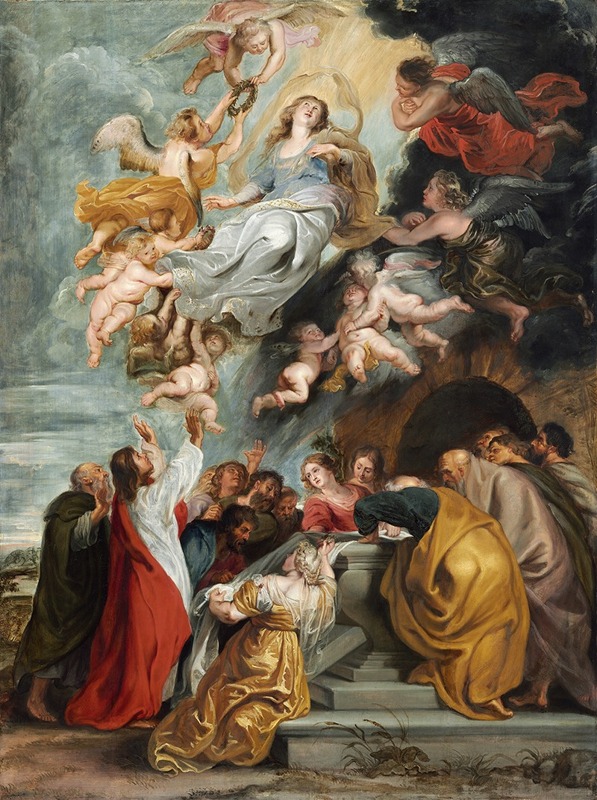
The Assumption of the Virgin
Peter Paul Rubens

Saint Teresa of Ávila Interceding for Souls in Purgatory
Peter Paul Rubens
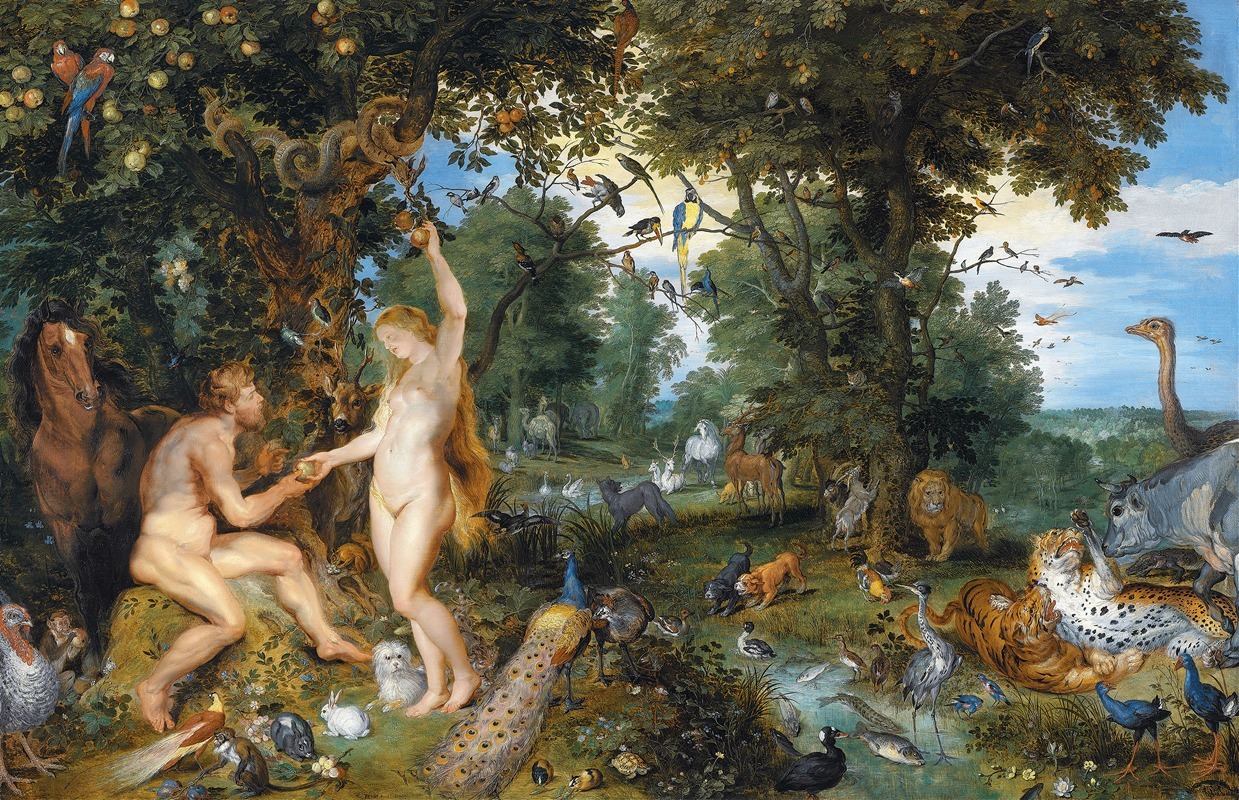
The Garden of Eden with the Fall of Man
Peter Paul Rubens
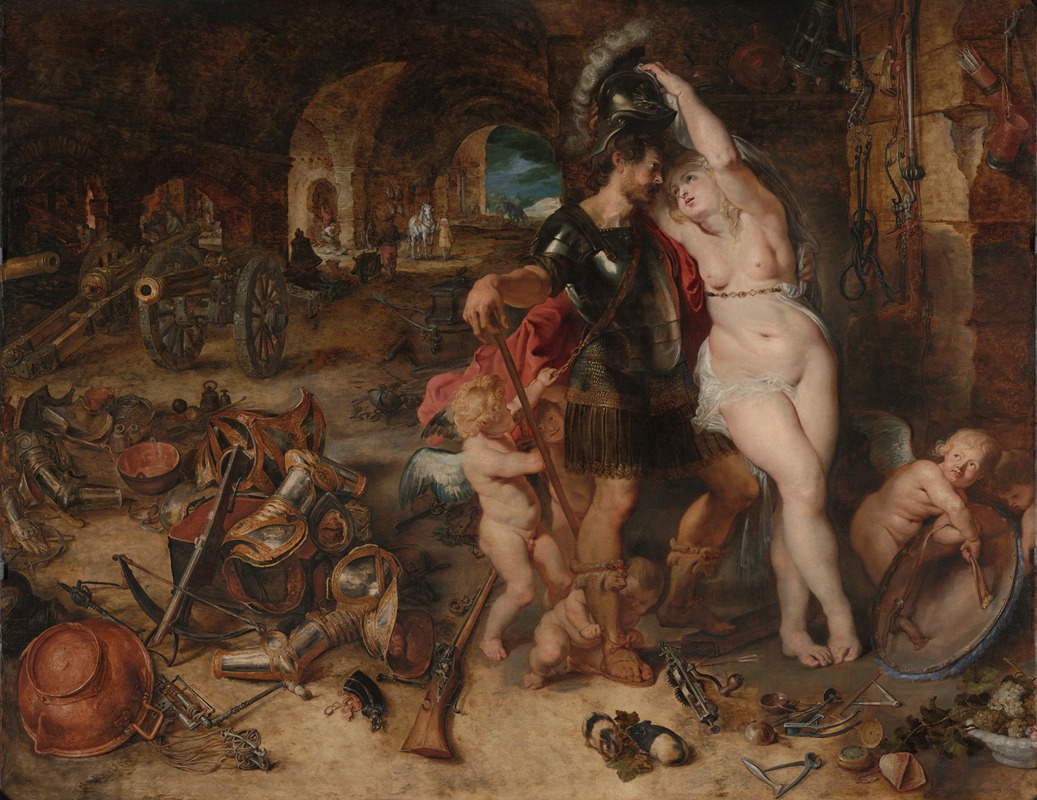
The Return From War,Mars Disarmed By Venus
Peter Paul Rubens
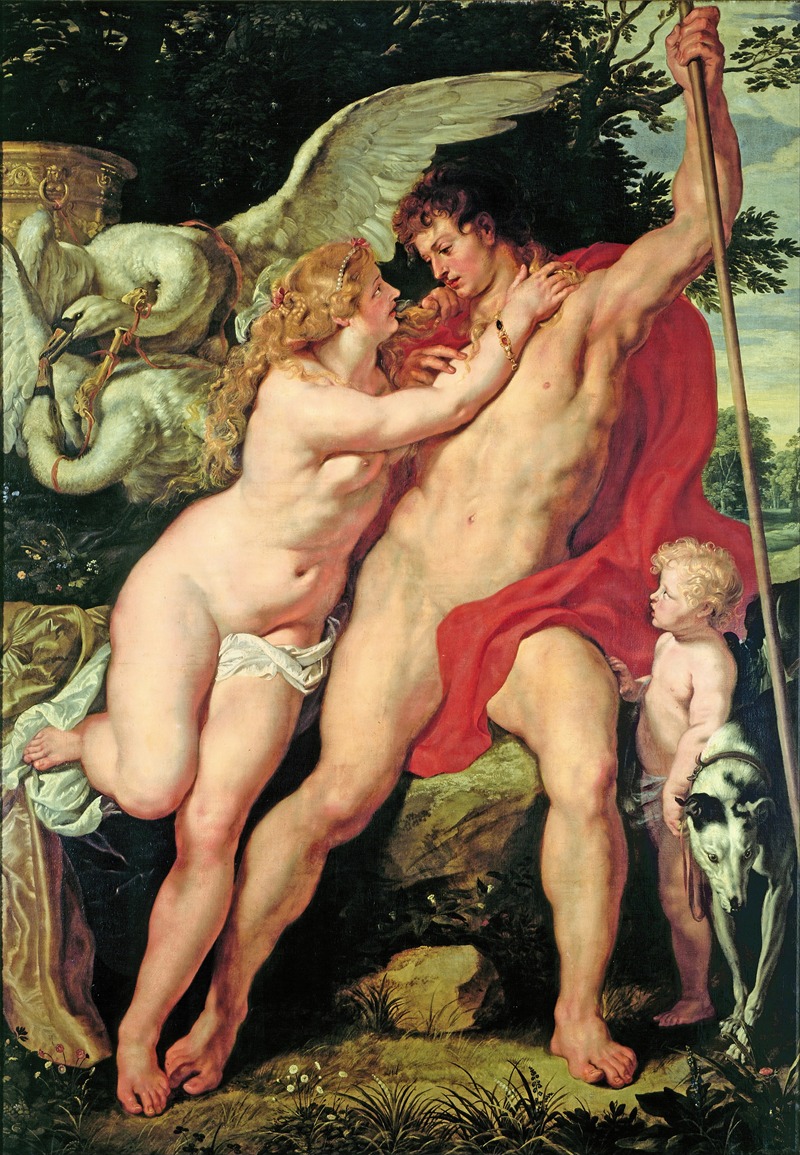
Venus and Adonis
Peter Paul Rubens
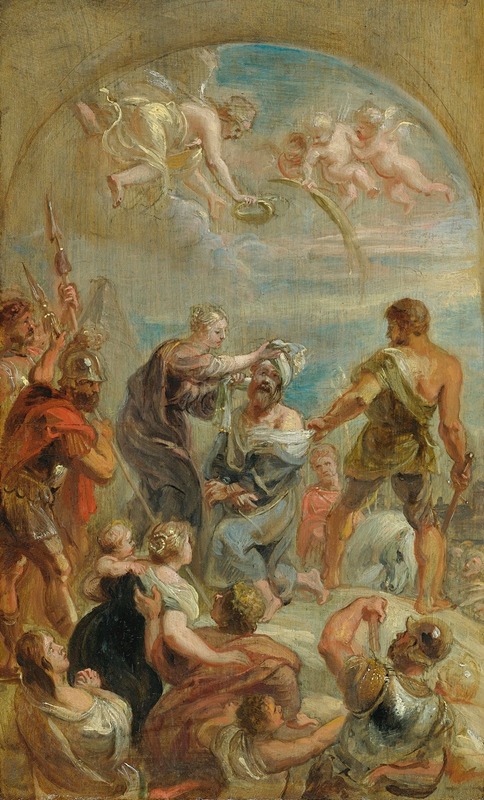
The Martyrdom Of Saint Paul
Peter Paul Rubens
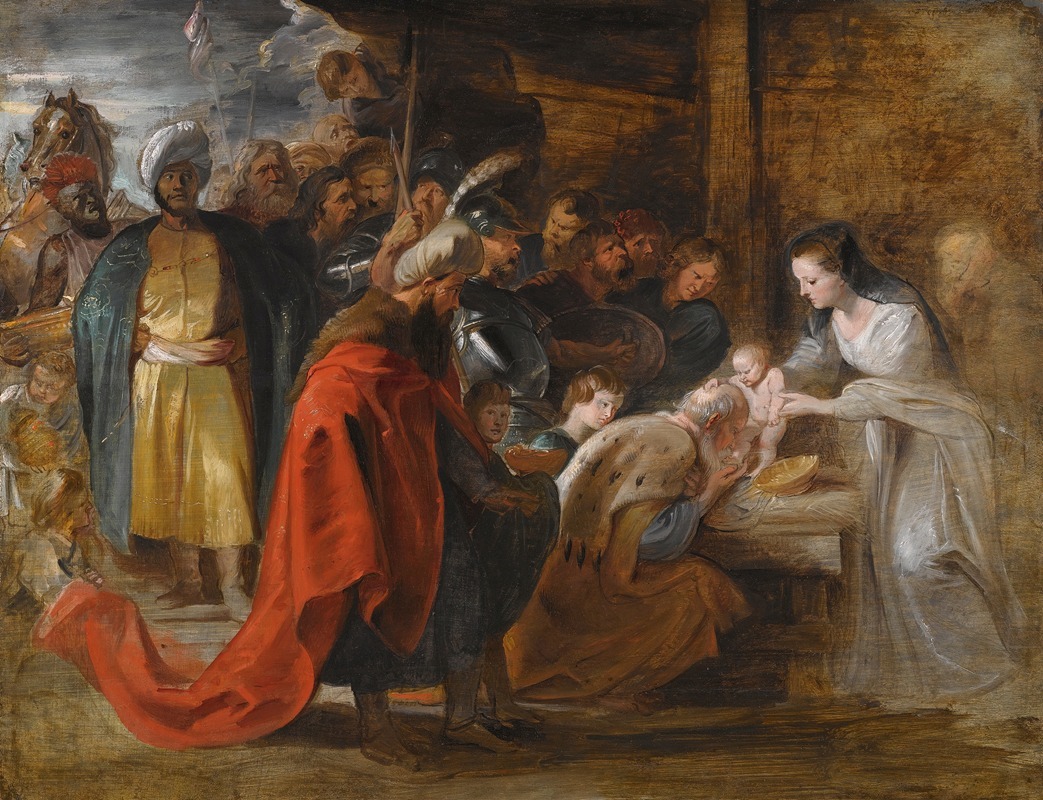
The Adoration Of The Magi
Peter Paul Rubens
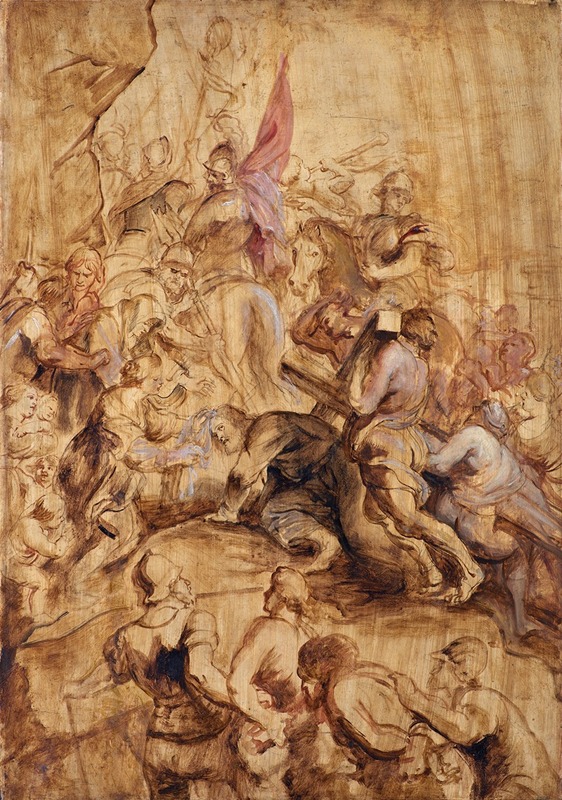
The Ascent to Calvary. The Bearing of the Cross
Peter Paul Rubens