
Die Birke — History & Facts
In the realm of dreams, where reality blurs and imagination reigns, one can find a harmony that transcends the ordinary. Focus on the luminous birch tree at the painting's center, its white bark illuminated by a soft, ethereal light. The delicate interplay of greens and browns surrounding it invites the eye to explore the layers of foliage that cradle this solitary figure. Notice how the brushstrokes blend seamlessly, evoking a sense of peaceful serenity that envelops both tree and viewer.
The composition draws you inward, as if the forest itself breathes gently, urging you to linger in this tranquil sanctuary. Beneath the surface beauty lies a poignant contrast: the vibrant life of the birch against the muted backdrop suggests resilience in solitude. The gentle curves of the branches and the whisper of the leaves convey a silent longing that resonates deeply. This painting speaks to the interplay of light and shadow, symbolizing the duality of existence—joy entwined with quiet reflection.
The dreamlike quality invites contemplation on the fragility of nature and the emotional currents that flow within a seemingly serene landscape. Created in 1904, this work emerged during a period when the artist was exploring the themes of nature and spirituality, seeking to capture the essence of German Romanticism. Thoma, entrenched in the vibrant artistic dialogues of his time, sought to bridge the gap between the tangible world and the ethereal, reflecting both personal and societal transformations. The birch stands as a testament to his vision—a natural icon evoking the deeper connections between humanity and the environment amidst a changing world.
More Artworks by Hans Thoma
Browse all →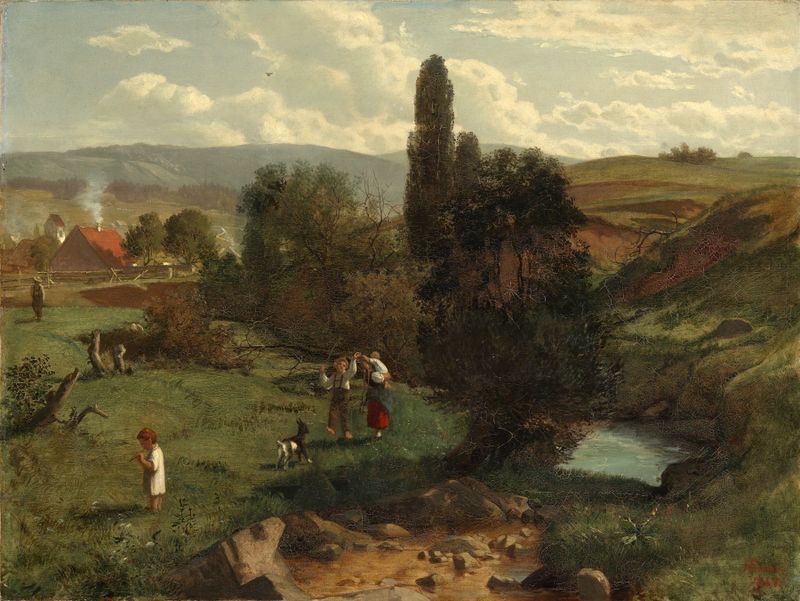
Schwarzwaldlandschaft
Hans Thoma
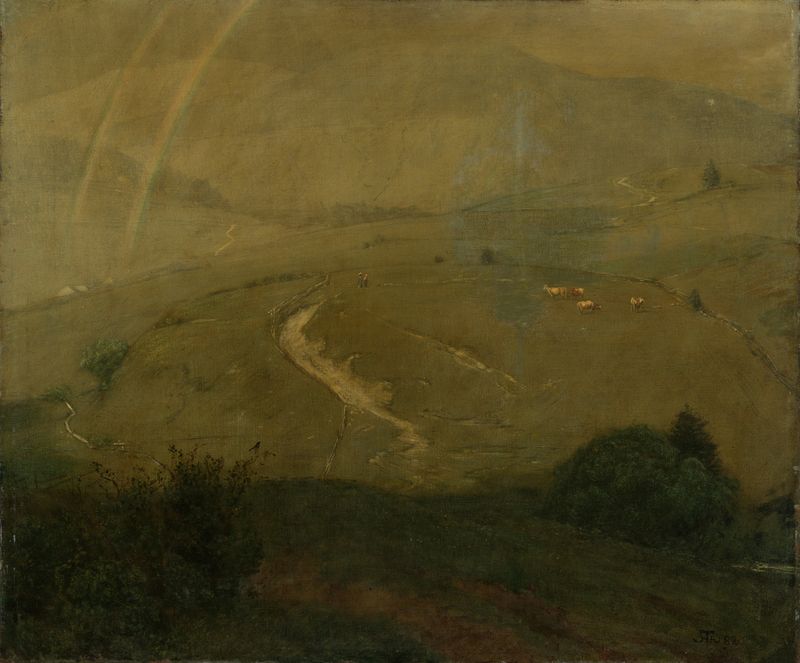
Regen im Schwarzwald
Hans Thoma
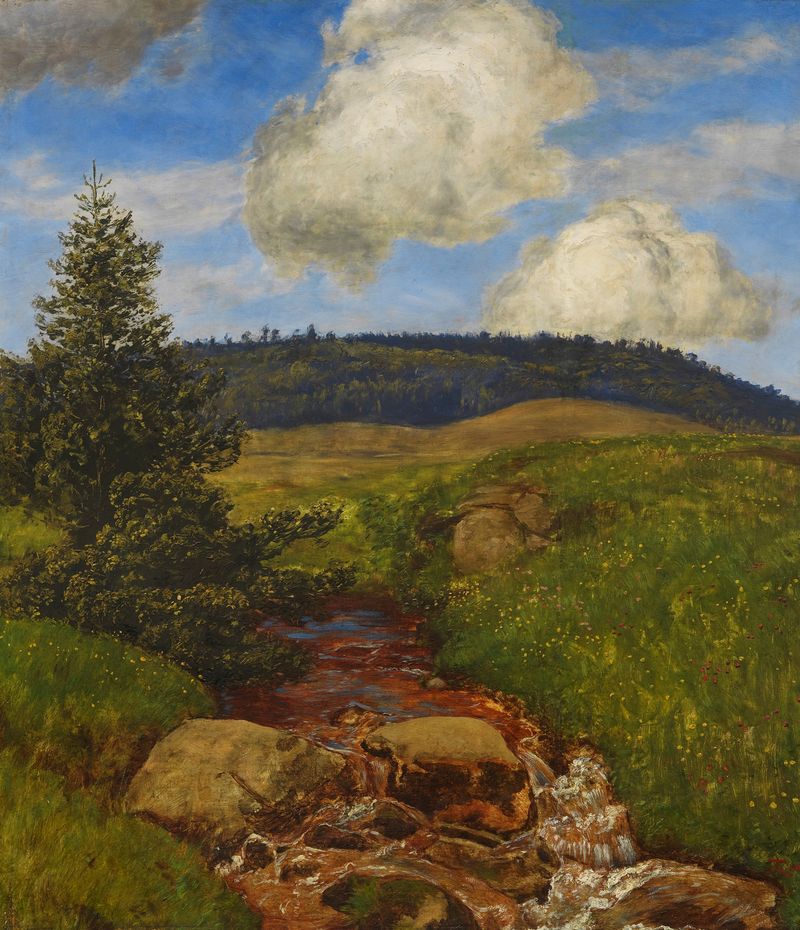
Schwarzwaldbach
Hans Thoma
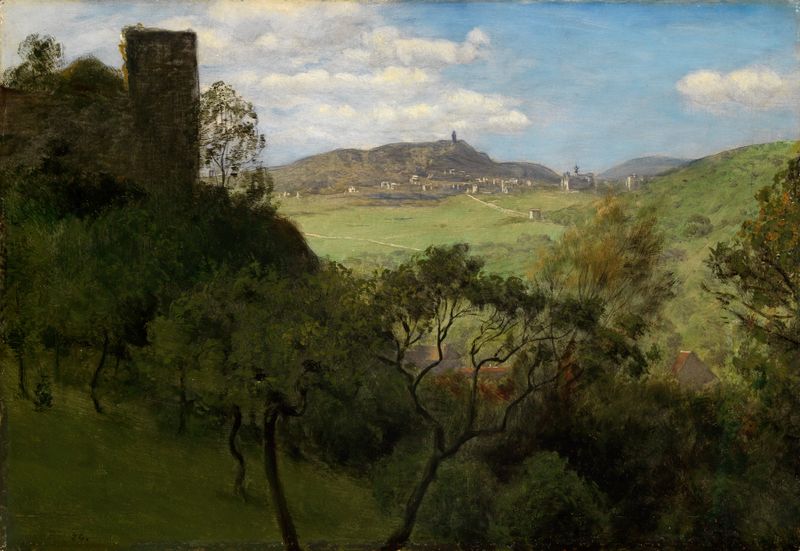
Blick auf Falkenstein im Taunus
Hans Thoma
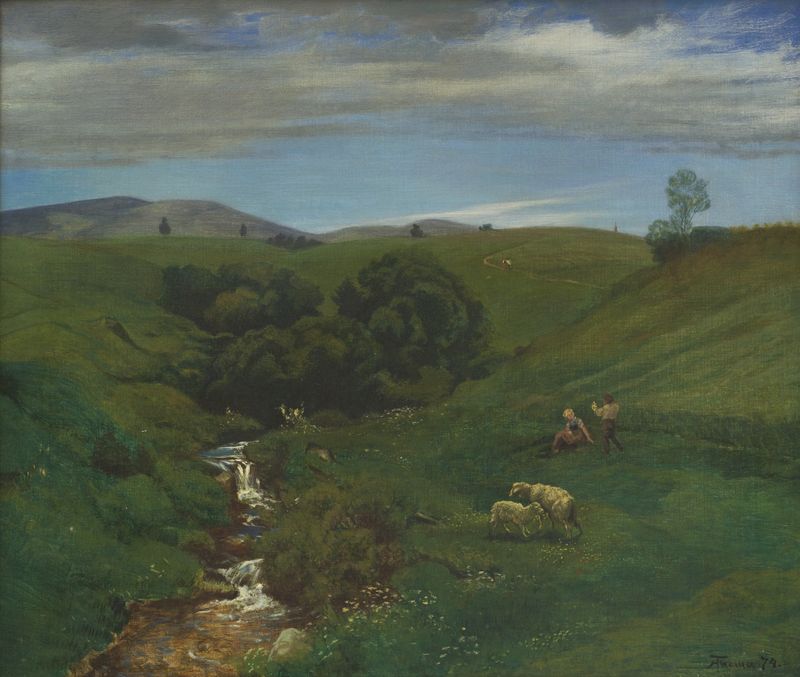
Black Forest Meadow near Bernau
Hans Thoma
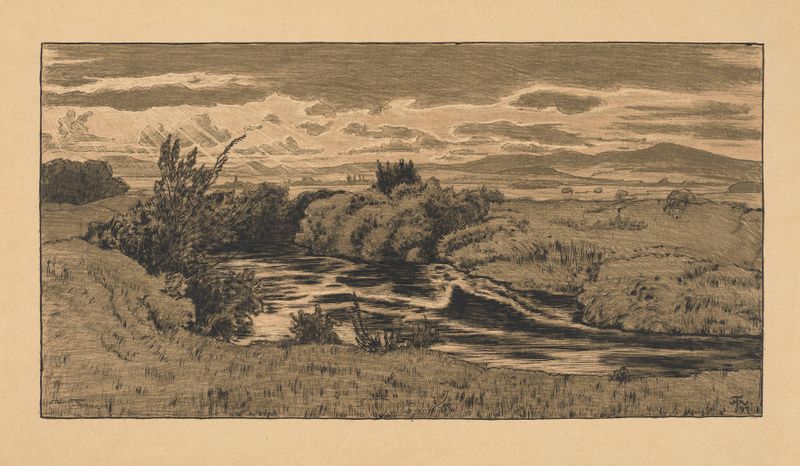
Evening by the Nidda River
Hans Thoma
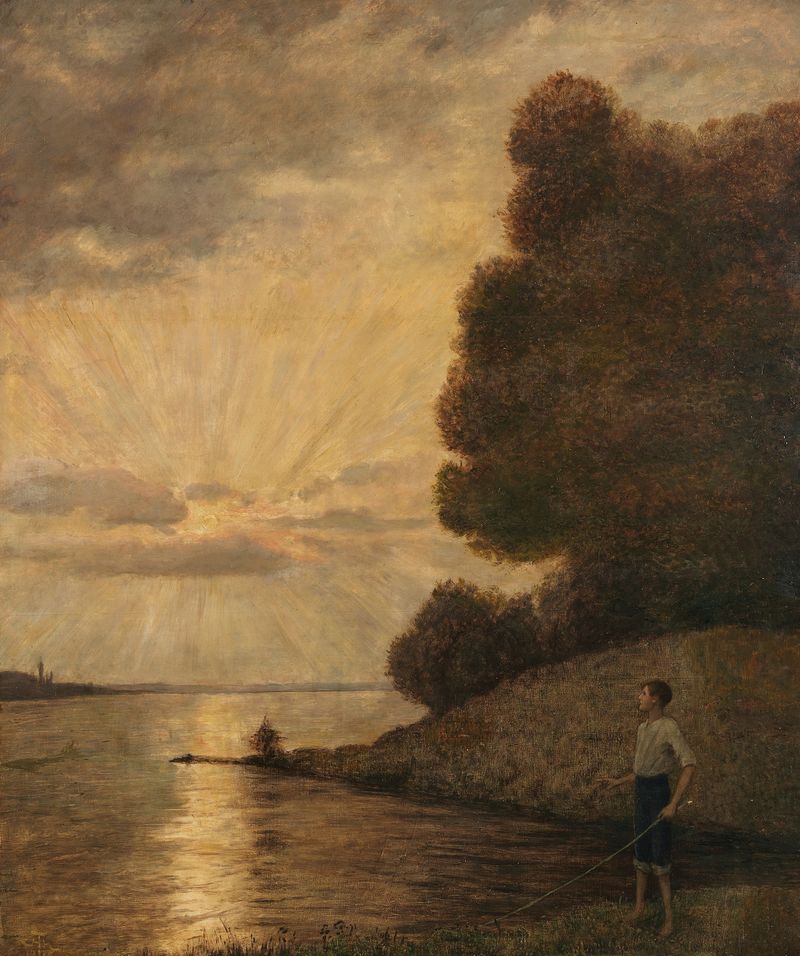
Sonnenuntergang am Oberrhein
Hans Thoma
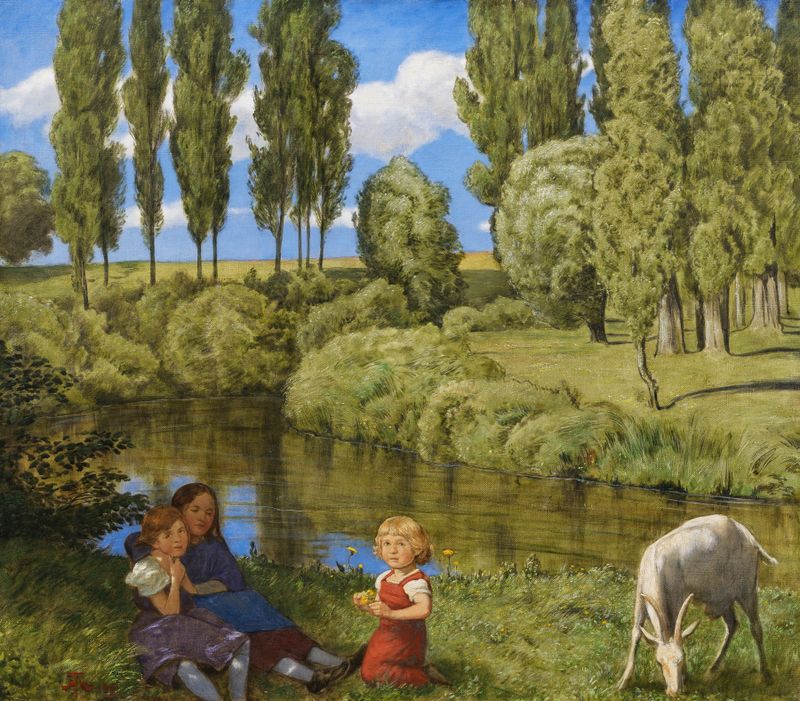
Am Stillen Bach
Hans Thoma
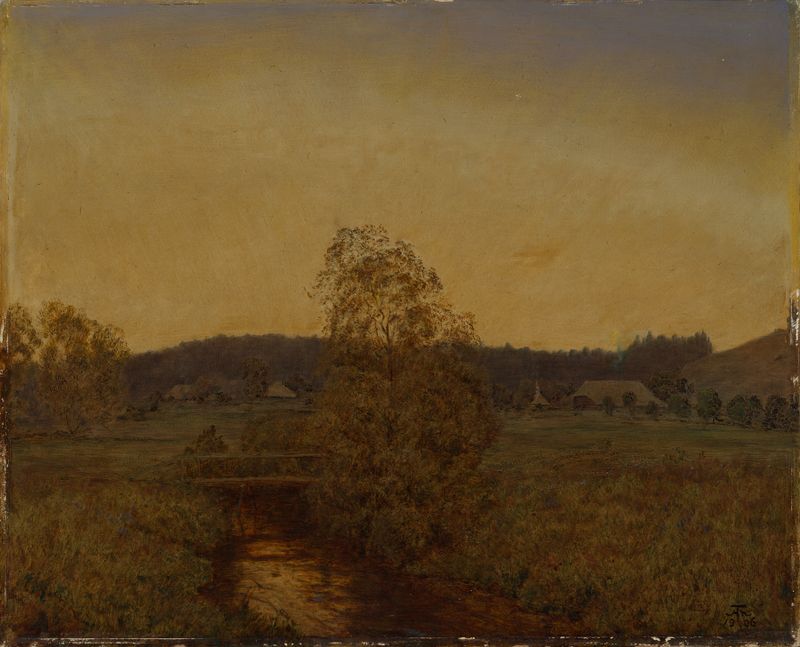
Der Abendstern
Hans Thoma
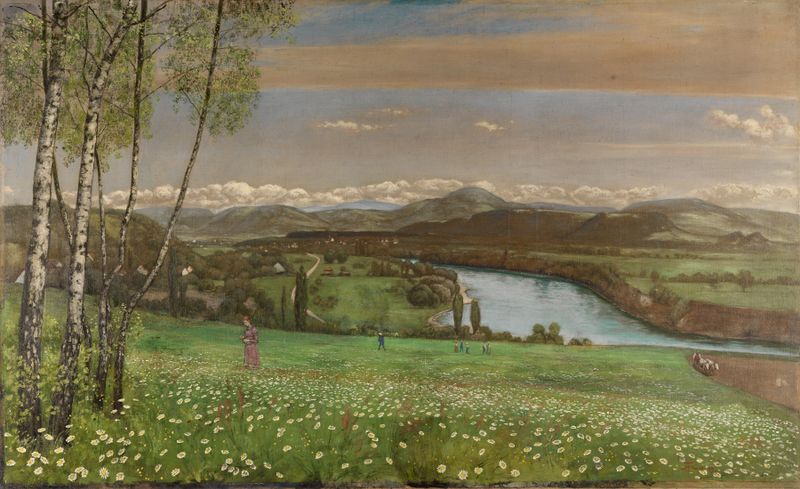
Das Rheintal bei Säckingen
Hans Thoma





