
‘Die Öd’ Blick auf den Holzhausenpark — History & Facts
In the quiet embrace of transformation, a landscape reveals its secrets, whispering the stories of its past and the promise of renewal. Look to the left, where the vibrant greens of the trees create a lush canopy, inviting your gaze to wander deeper into the heart of the scene. The gentle interplay of light and shadow dances across the ground, rendering a soft, dappled effect that draws attention to the path meandering through the vegetation. Notice the delicate brushstrokes that blend earthy tones with hints of golden light, achieving a depth that mimics the harmony of nature's own palette.
Thoma’s masterful technique invites viewers to linger, ensuring that every element feels both grounded and transcendental. As you explore further, consider the juxtaposition of the wild foliage against the cultivated elements of the park, symbolizing the tension between nature’s untamed spirit and human intervention. The contrast between light and dark evokes a sense of ephemeral beauty — the fleeting moments of serenity found within the chaos of life. Hidden figures within the landscape might represent memory and history, suggesting that transformation is not merely seasonal but a continuous cycle of rebirth and decay. Created in 1883, this work emerged during a period of personal and artistic evolution for its creator.
Thoma, influenced by both Romanticism and the emerging Impressionist movement, was exploring themes of nature and emotion while living in Germany, where the cultural landscape was rapidly changing. This painting reflects his deep appreciation for the natural world and his desire to capture its transitory beauty during a time when artists were redefining their relationship with the environment.
More Artworks by Hans Thoma
Browse all →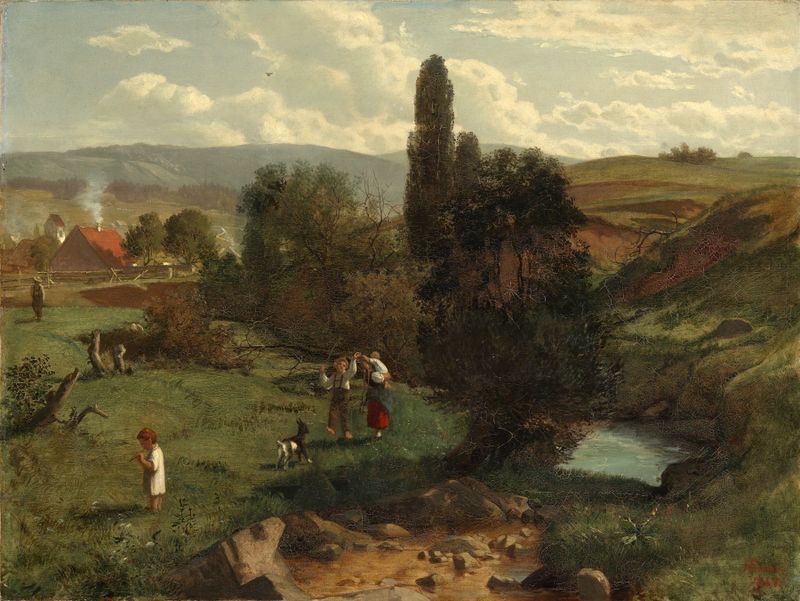
Schwarzwaldlandschaft
Hans Thoma
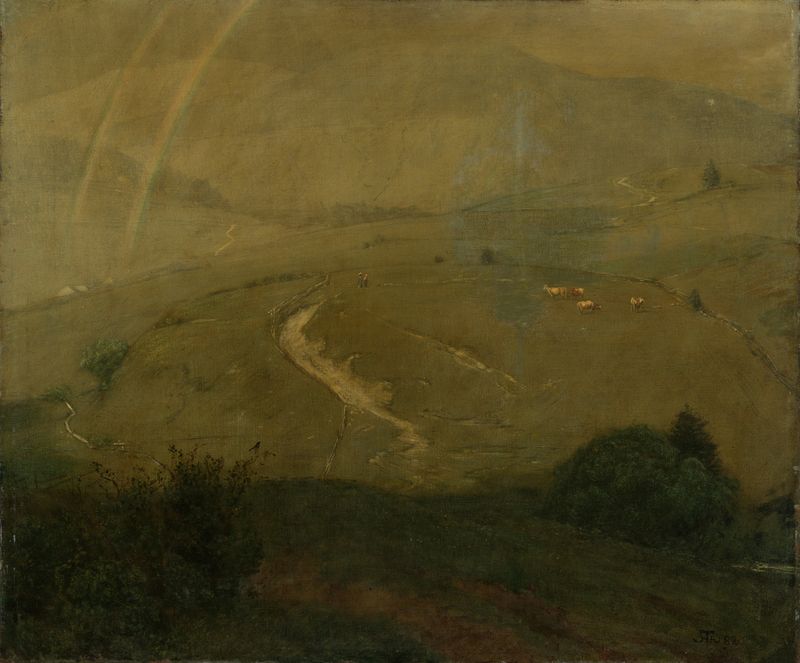
Regen im Schwarzwald
Hans Thoma
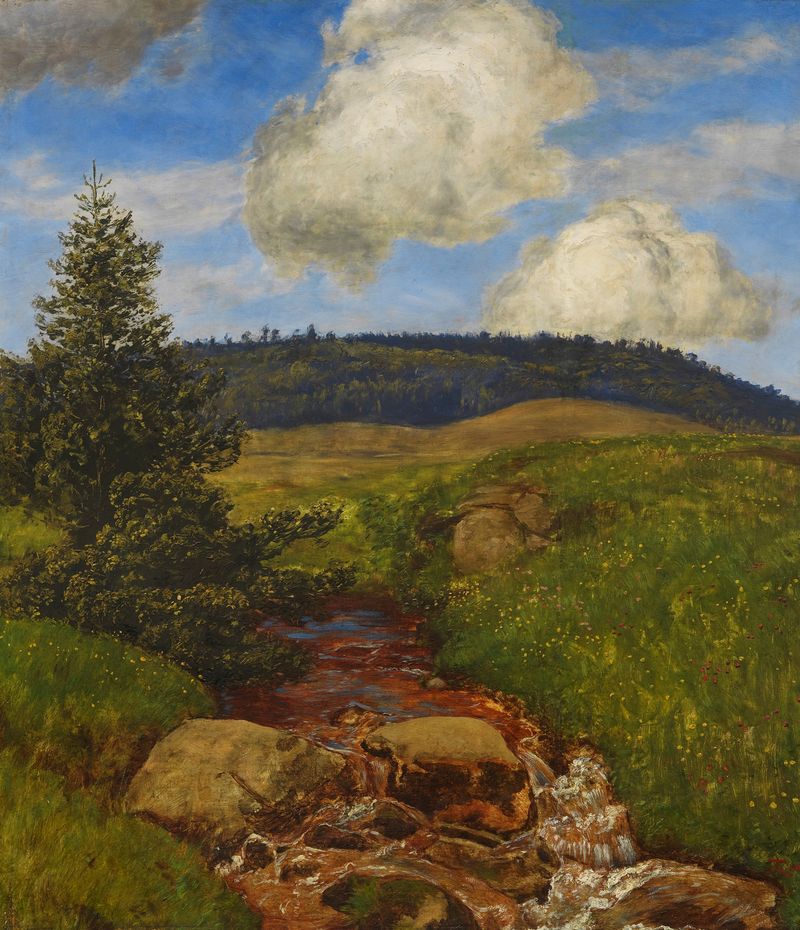
Schwarzwaldbach
Hans Thoma
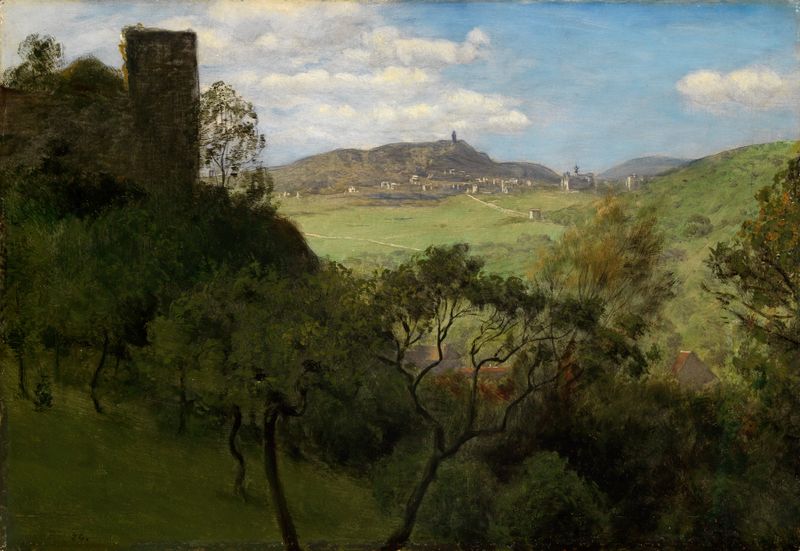
Blick auf Falkenstein im Taunus
Hans Thoma
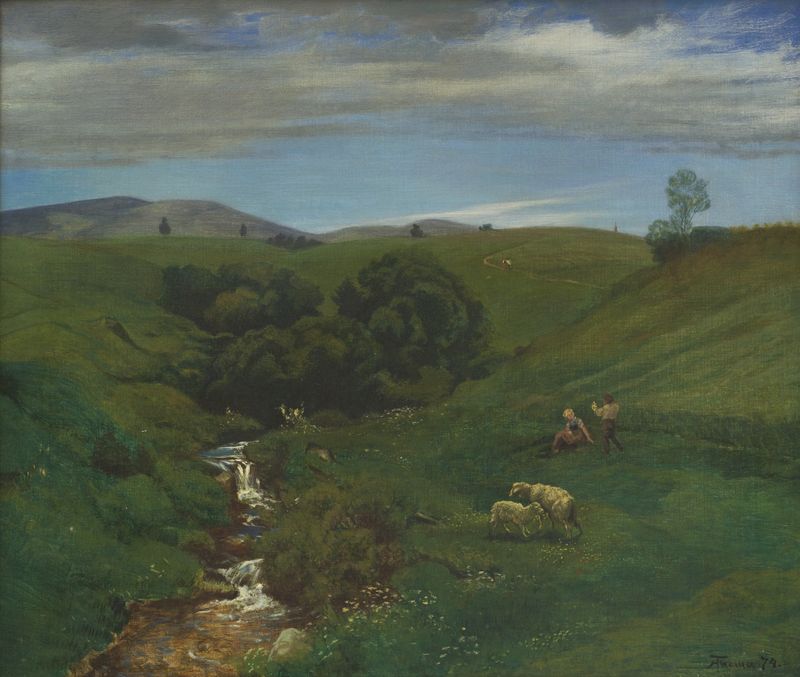
Black Forest Meadow near Bernau
Hans Thoma
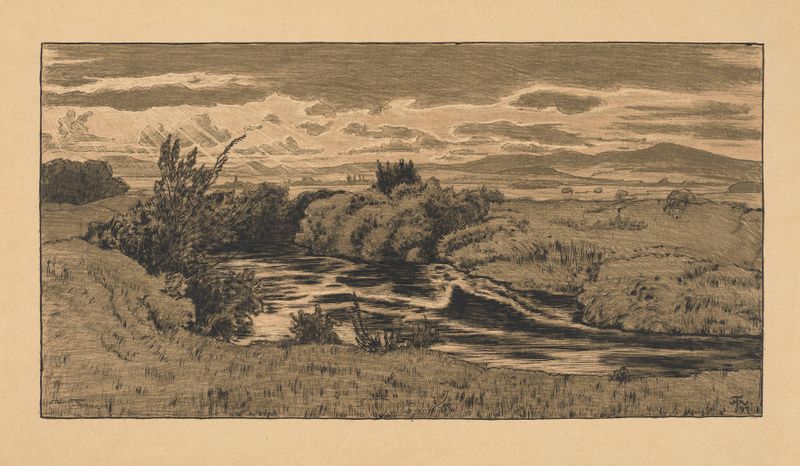
Evening by the Nidda River
Hans Thoma
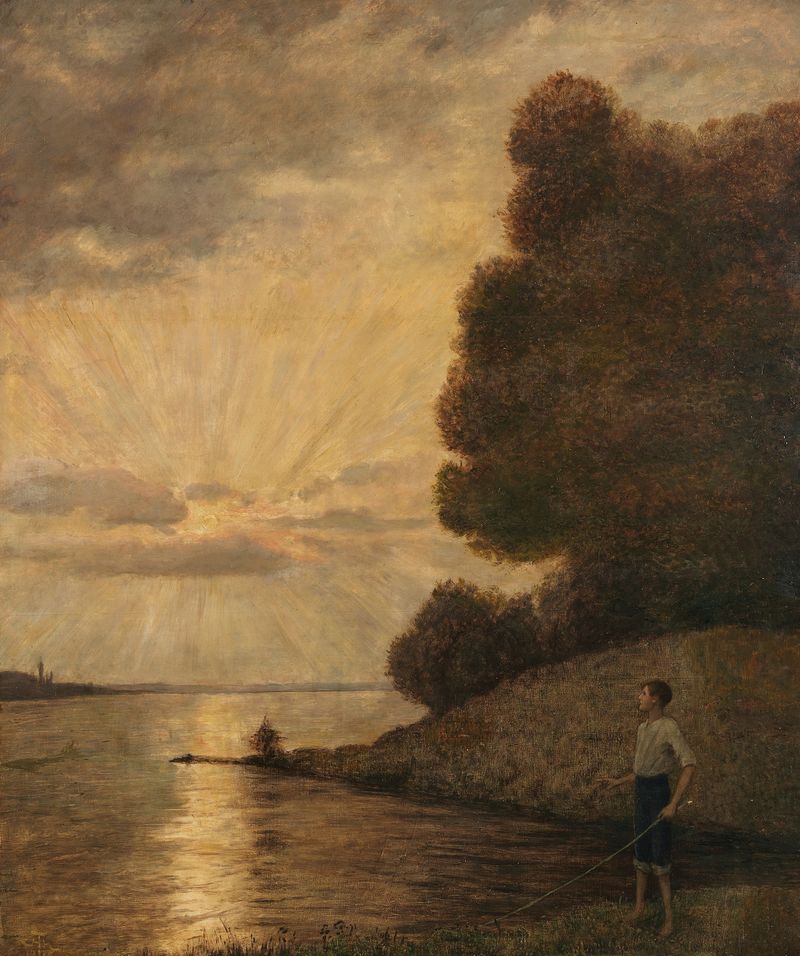
Sonnenuntergang am Oberrhein
Hans Thoma
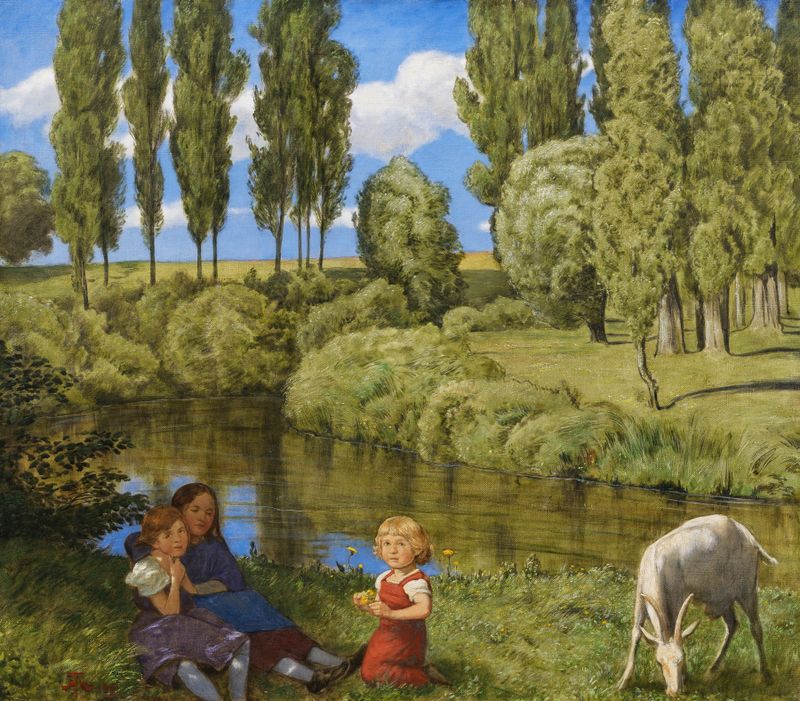
Am Stillen Bach
Hans Thoma
Der Abendstern
Hans Thoma
Das Rheintal bei Säckingen
Hans Thoma





