
Die Faraglioni-Felsen vor der Küste von Capri — History & Facts
Is this a mirror — or a memory? The cliffs rise majestically from the ocean, each craggy edge whispering tales of transformation, inviting viewers to lose themselves in the serene embrace of nature’s grandeur. Look to the left at the radiant blues that blend seamlessly with the sky, a testament to the artist's masterful technique. The lustrous waves lap gently at the base of the Faraglioni rocks, their textures rendered with such precision that one can almost feel the cool mist of the sea. Notice how the sunlight dances across the rocky surfaces, casting delicate shadows that reveal the rugged beauty of this iconic landscape.
The composition strikes a balance between the solid permanence of the cliffs and the ephemeral nature of the water, showcasing the interplay of light and form. Within these captivating forms lies a deeper narrative. The juxtaposition of the steadfast rocks against the fluidity of the sea speaks to the eternal struggle between permanence and change. Each wave, capturing fleeting moments of transformation, suggests that even the most solid structures are subject to the forces of time.
The colors—deep greens, rich browns, and bright whites—evoke a sense of tranquility but also hint at a turbulent past, inviting contemplation of how nature evolves while remaining timeless. In the summer of 1874, Compton found himself in Capri, a period marked by a burgeoning interest in plein air painting. Influenced by the Romantic movement and the picturesque landscapes of Italy, the artist sought to capture the enchanting quality of the coastal scenery. During this time, he was exploring how light interacts with forms, laying the groundwork for a rich career that would bridge the worlds of realism and impressionism in landscape art.
More Artworks by Edward Theodore Compton
Browse all →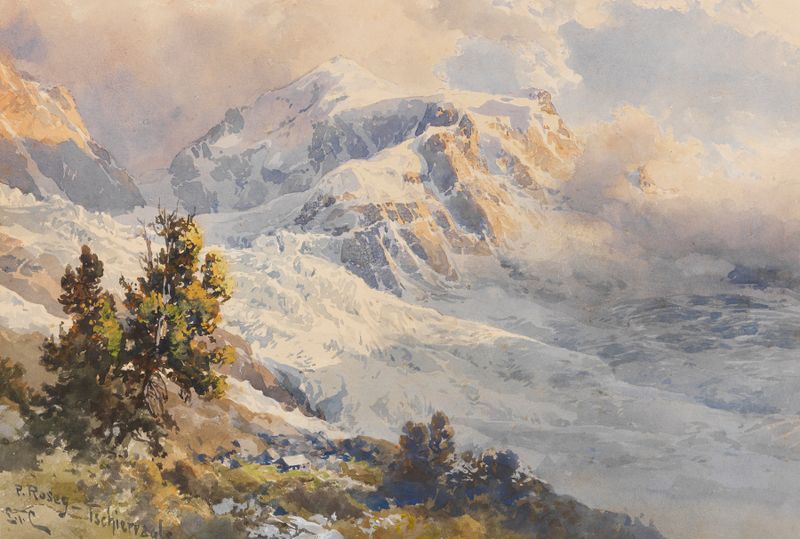
Piz Roseg – Tschiervagletscher
Edward Theodore Compton
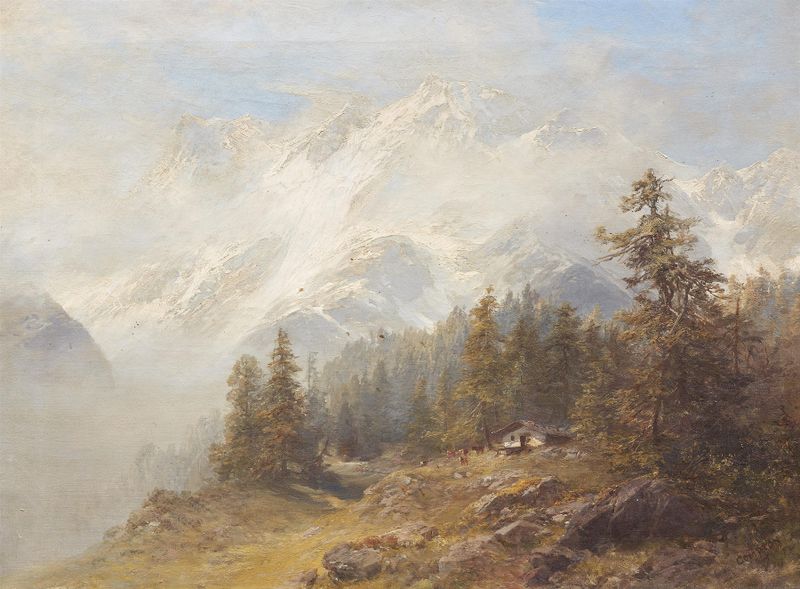
Alpenlandschaft vor schneebedecktem Massiv
Edward Theodore Compton
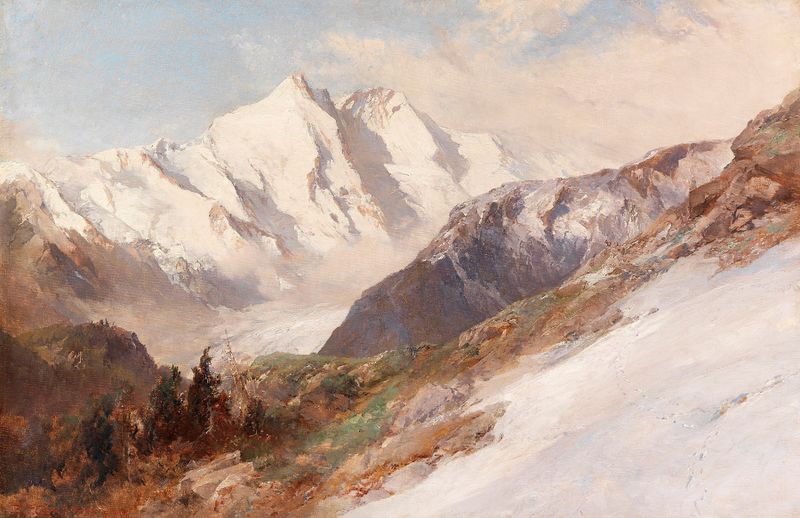
Blick auf die Nordseite des Großglockners
Edward Theodore Compton
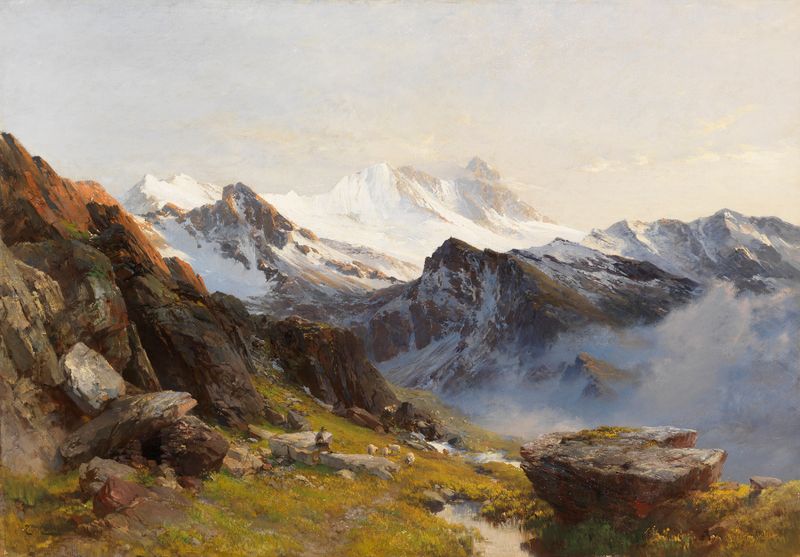
Großglockner von der Prager Hütte aus, früh
Edward Theodore Compton
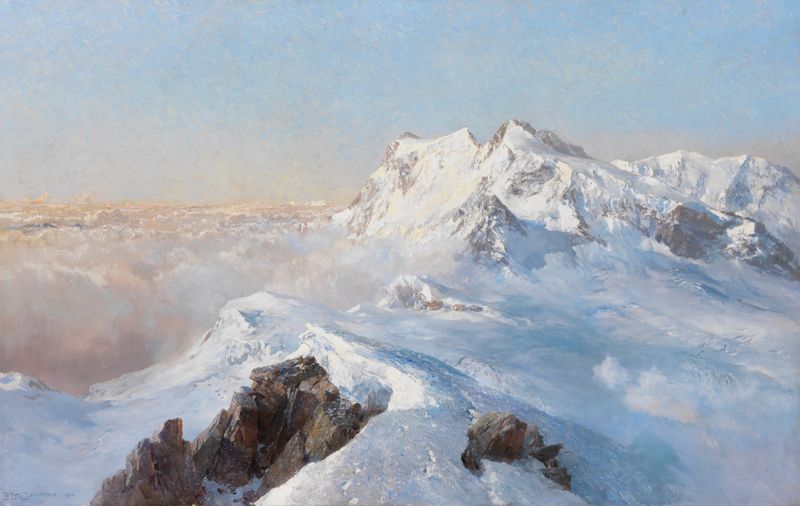
Über dem Nebelmeer (Monte Rosa vom Rimpfischhorn)
Edward Theodore Compton
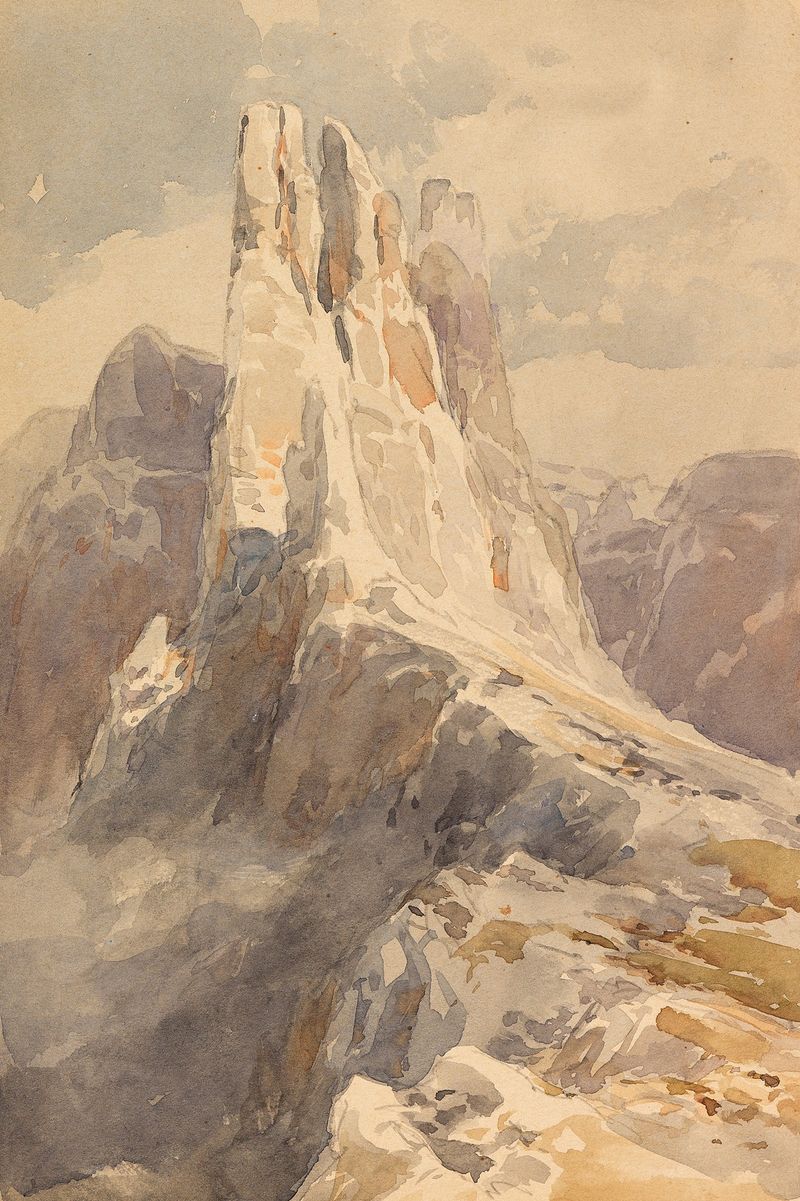
Blick auf die Vajolet-Türme in den Dolomiten
Edward Theodore Compton
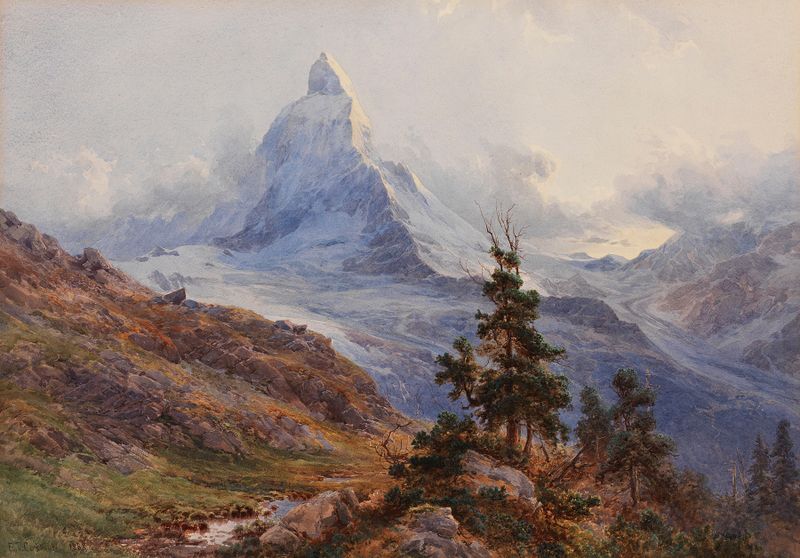
View of the Matterhorn
Edward Theodore Compton
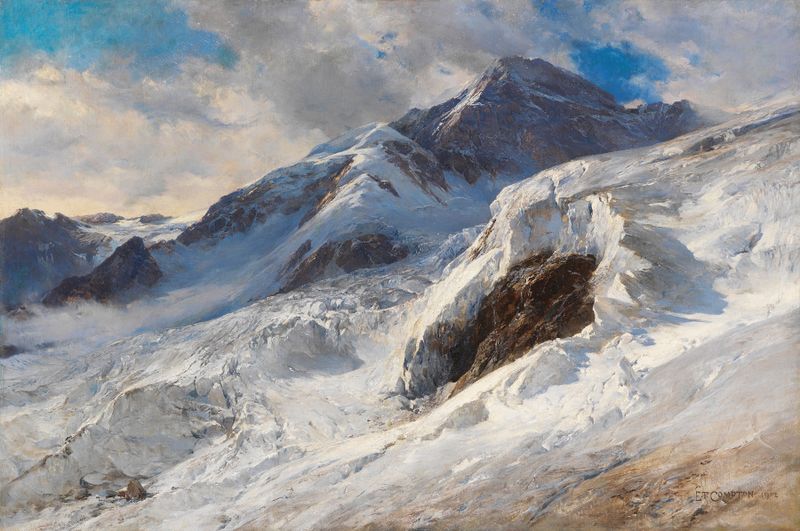
Lyskamm (Monte-Rosa)
Edward Theodore Compton
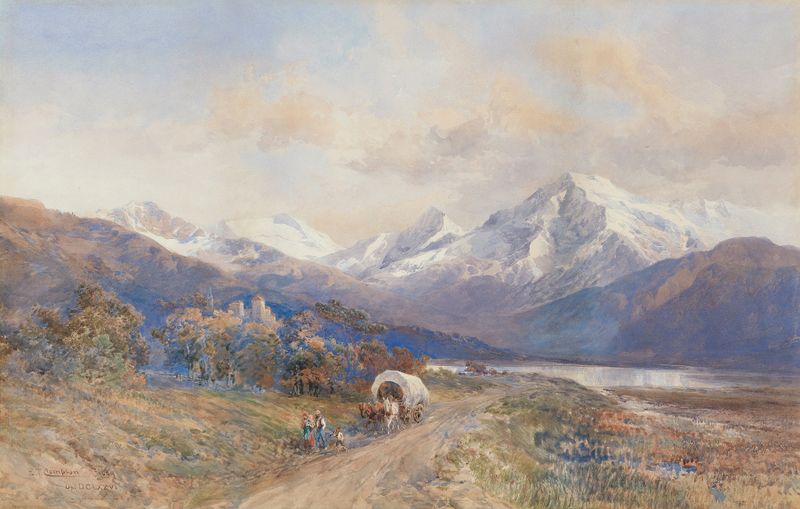
Blick auf den Ortler von St. Valentin
Edward Theodore Compton
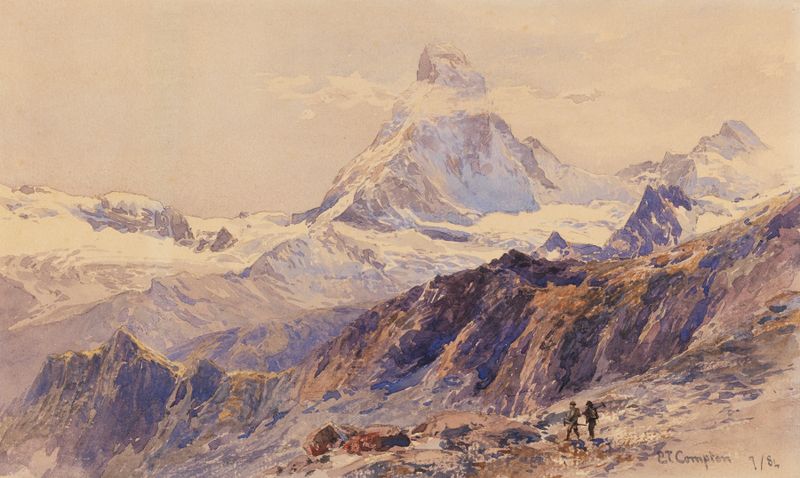
Das Matterhorn von der Triftkumme
Edward Theodore Compton





