Discover insights about this artwork
Die Jungfrau (The Virgin) — History & Facts
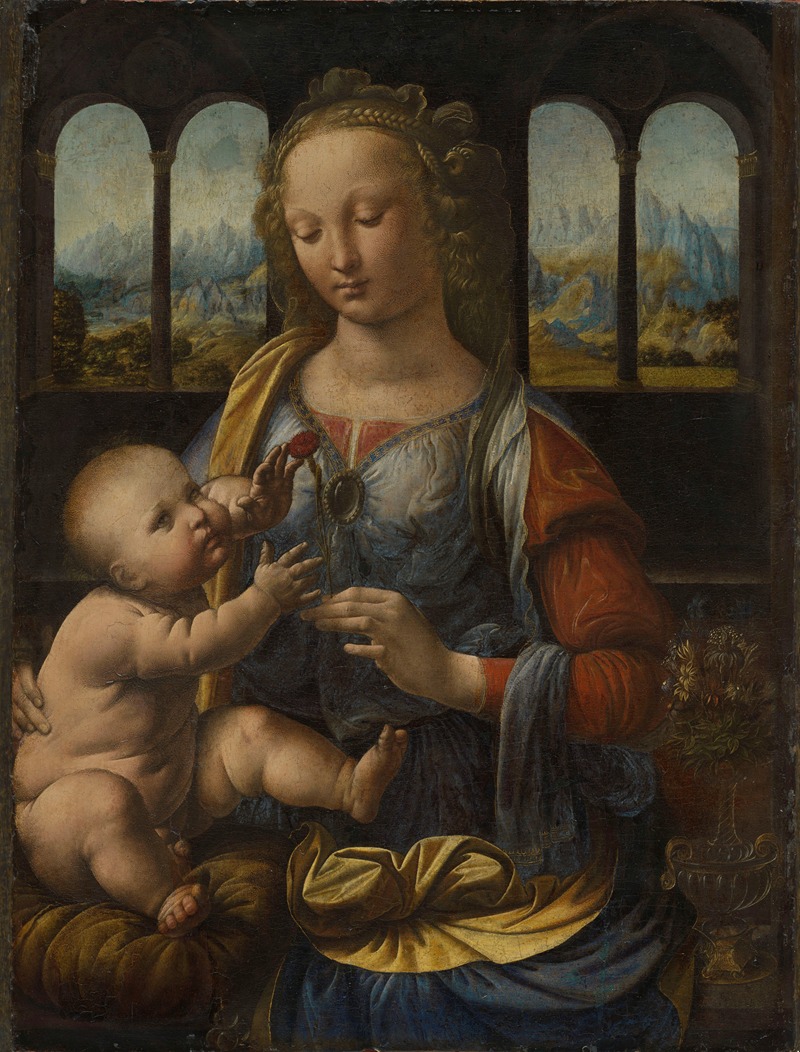
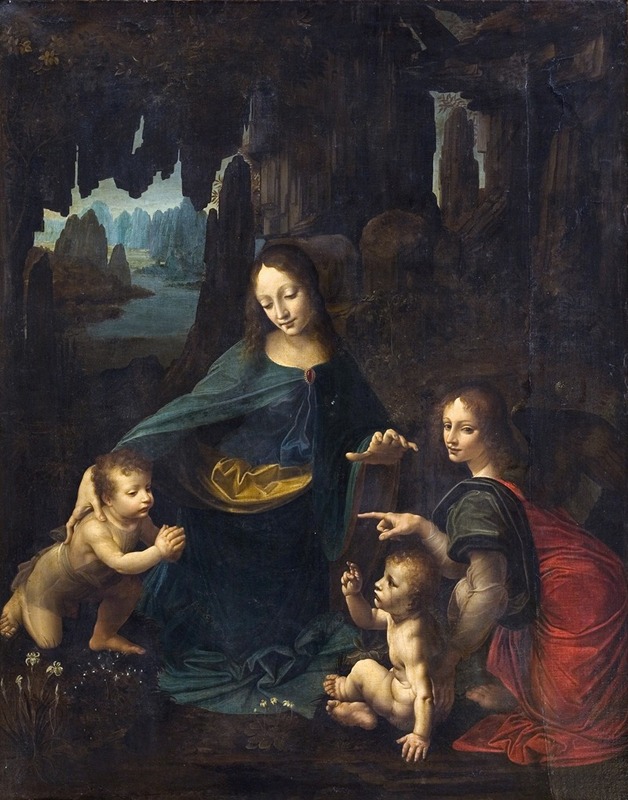
In Die Jungfrau, Gustav Klimt presents a serene depiction of the Virgin Mary. The painting features soft, muted colors, primarily gold and pastel shades. Mary is portrayed with a gentle expression, surrounded by a halo of light.
The background is adorned with intricate patterns, typical of Klimt's style, enhancing the spiritual atmosphere. This artwork is created using oil on canvas, a medium that allows for rich texture and depth. Klimt's signature use of gold leaf is evident, adding a luminous quality to the piece. The dimensions are approximately 100 x 120 cm, making it a substantial work that draws the viewer in.
The intricate details invite closer inspection, revealing Klimt's meticulous technique. Gustav Klimt was a prominent figure in the Vienna Secession movement, known for his unique style that blends symbolism and decorative art. Die Jungfrau reflects his fascination with spirituality and femininity, common themes in his oeuvre. An interesting fact about this work is that it was created during a period when Klimt was exploring more religious subjects, marking a shift in his artistic focus.
This painting is housed in the Belvedere Museum in Vienna, Austria.
More Artworks by Gustav Klimt
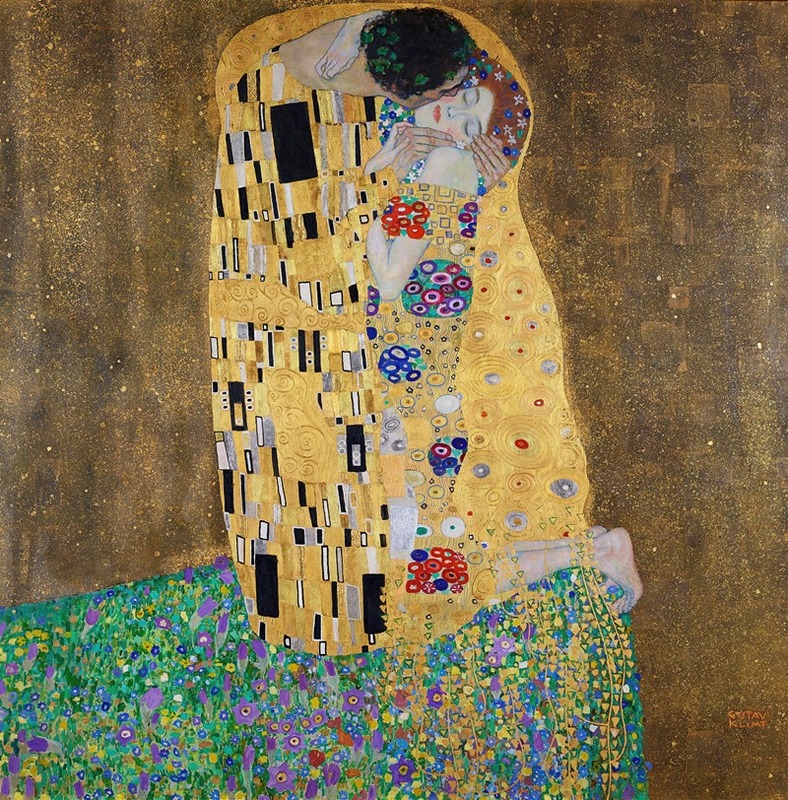
The kiss
Gustav Klimt
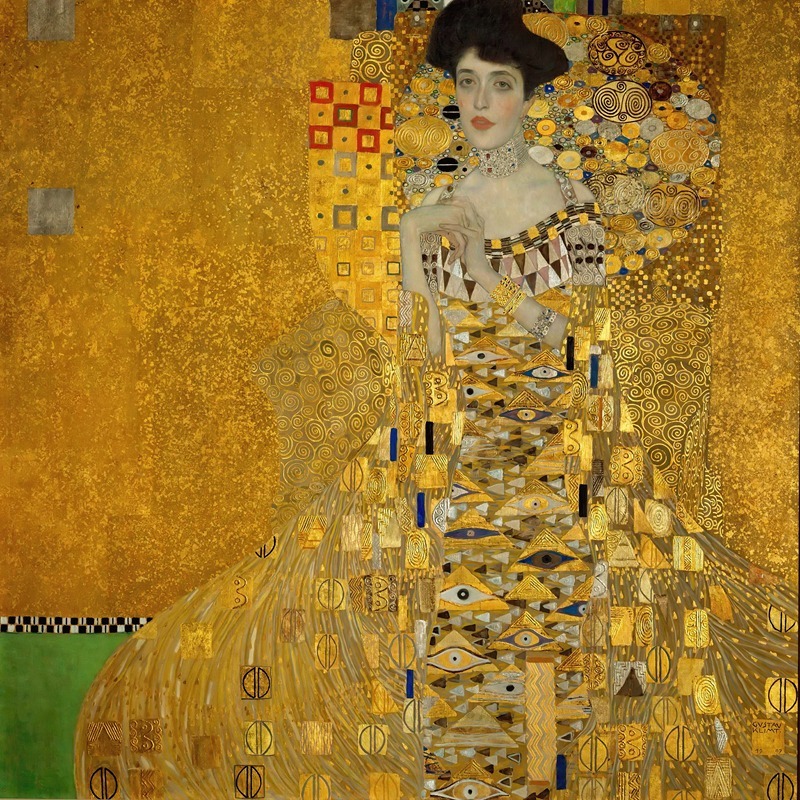
Portrait of Adele Bloch-Bauer I
Gustav Klimt
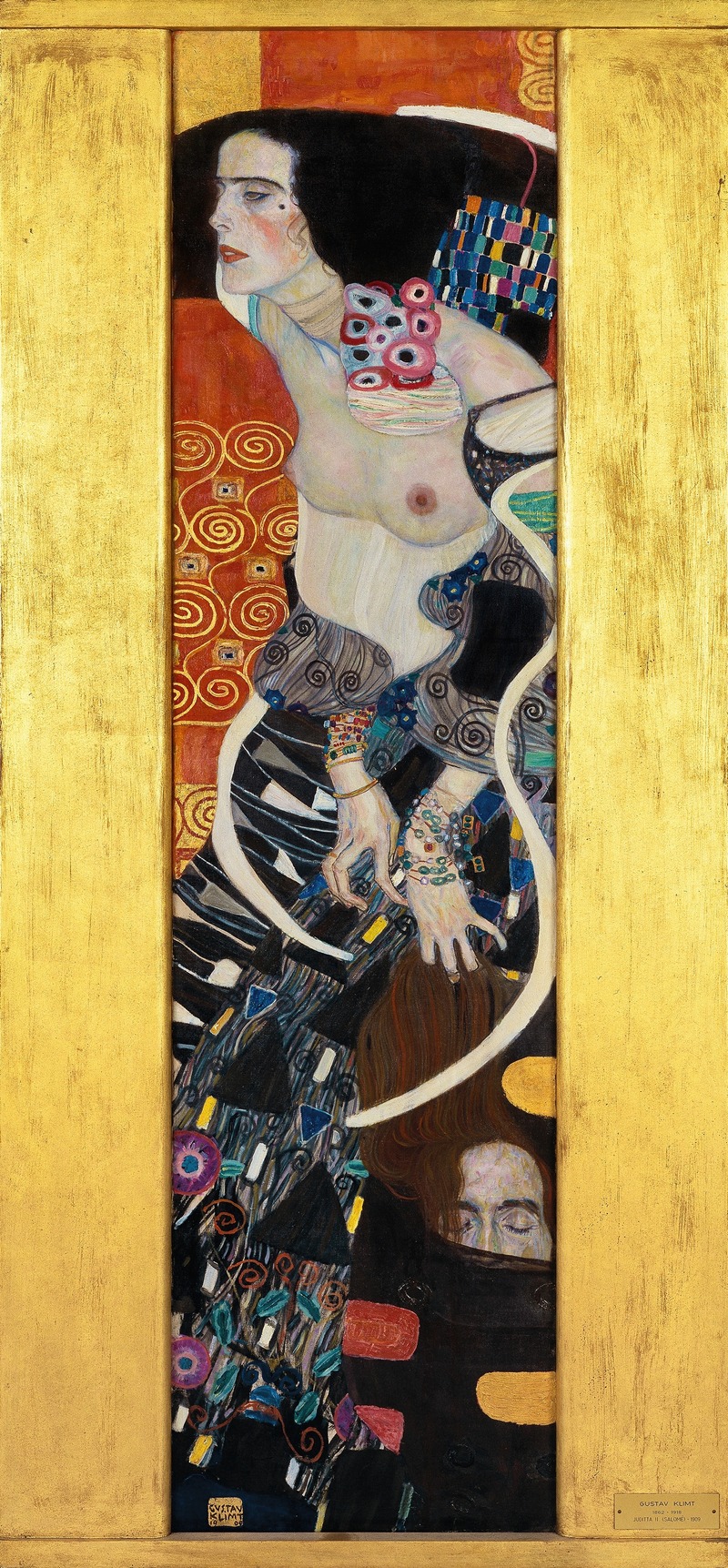
Judith II (Salome)
Gustav Klimt
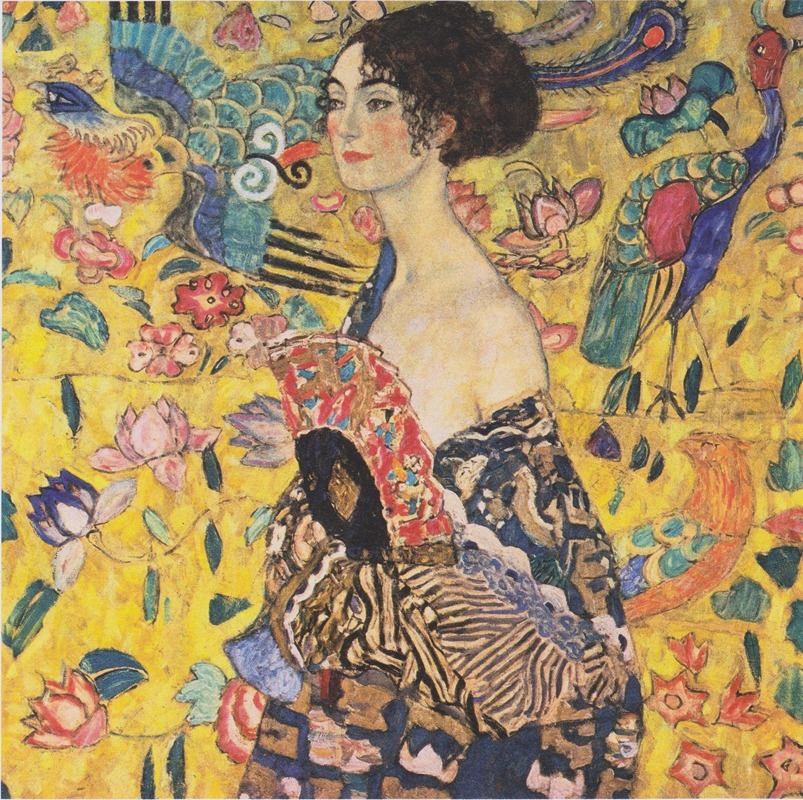
Woman with fan
Gustav Klimt
The kiss (lovers)
Gustav Klimt
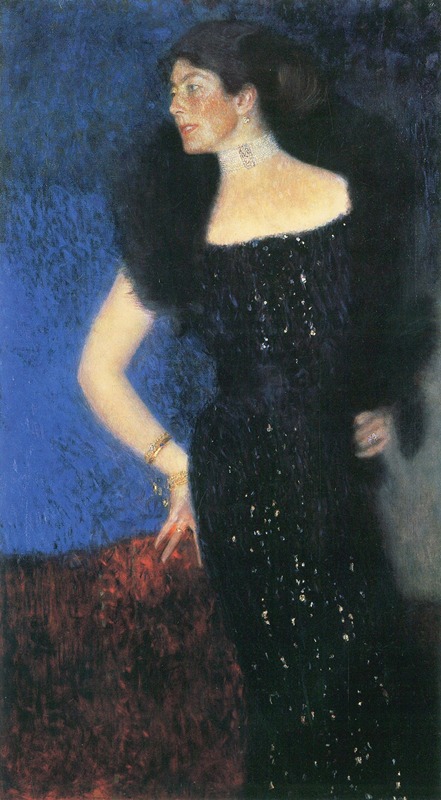
Portrait of Rose von Rosthorn-Friedmann
Gustav Klimt
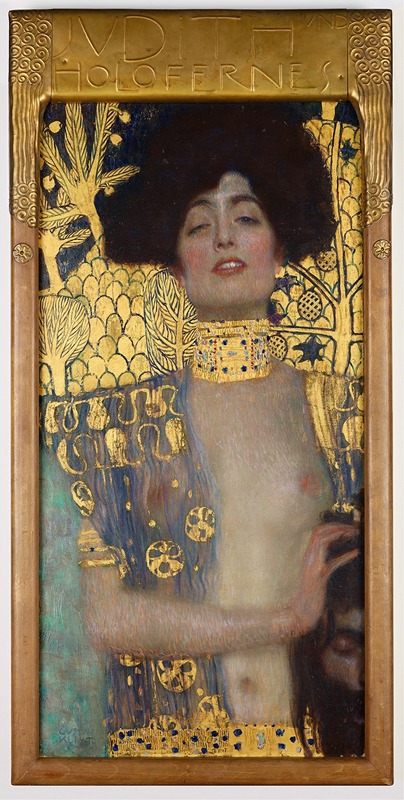
Judith
Gustav Klimt
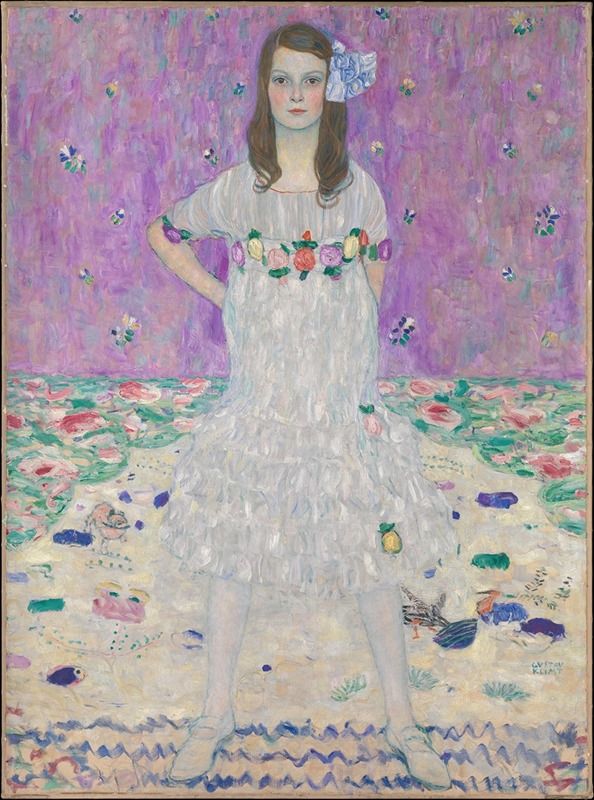
Mäda Primavesi
Gustav Klimt
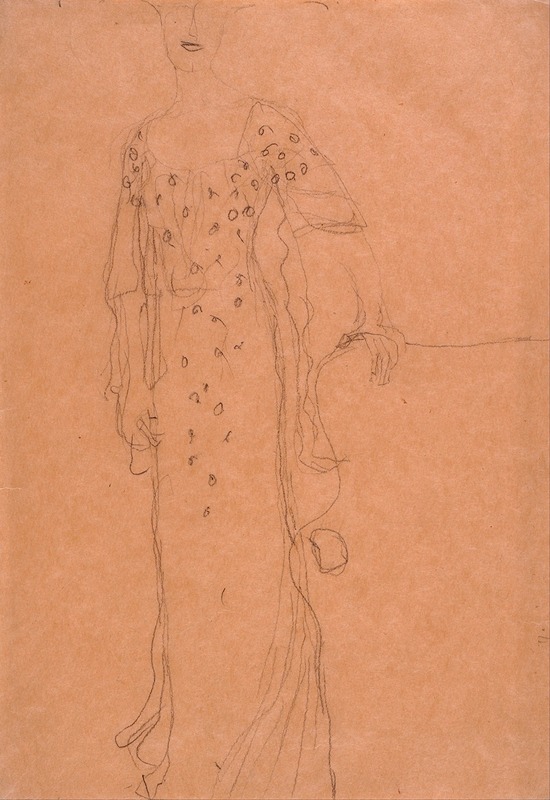
Study for Portrait of Adele Bloch-Bauer I
Gustav Klimt
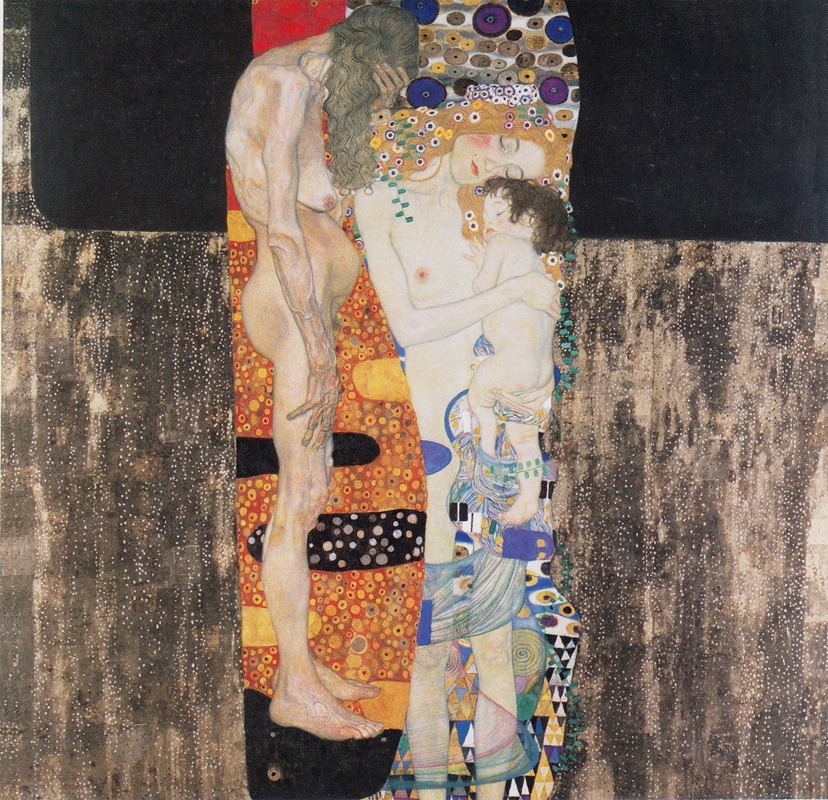
The Three Ages of the Woman
Gustav Klimt