
Discover insights about this artwork
Die Leiden der schwachen Menschen — History & Facts
In Die Leiden der schwachen Menschen, Gustav Klimt employs a rich palette of deep colors, primarily golds and browns, to evoke a sense of emotional weight. The figures depicted are often intertwined, suggesting a connection among those who suffer. The setting appears abstract, emphasizing the emotional rather than the physical space.
This composition draws the viewer into a world of vulnerability and despair. The painting showcases Klimt's characteristic use of decorative patterns and intricate details, particularly in the clothing of the figures. The layering of gold leaf and the use of oil on canvas create a luminous quality that enhances the emotional depth of the work. Viewers can notice the contrast between the delicate patterns and the somber expressions of the figures.
This juxtaposition highlights the tension between beauty and suffering. Die Leiden der schwachen Menschen was created during a period when Klimt was deeply influenced by Symbolism and the exploration of human emotions. This work reflects his interest in the themes of suffering and the human condition, which are prevalent in his later pieces. An interesting fact about this painting is that it was not widely recognized during Klimt's lifetime but has since gained appreciation for its emotional depth and complexity.
Today, it stands as a significant example of his early explorations in art.
More Artworks by Gustav Klimt
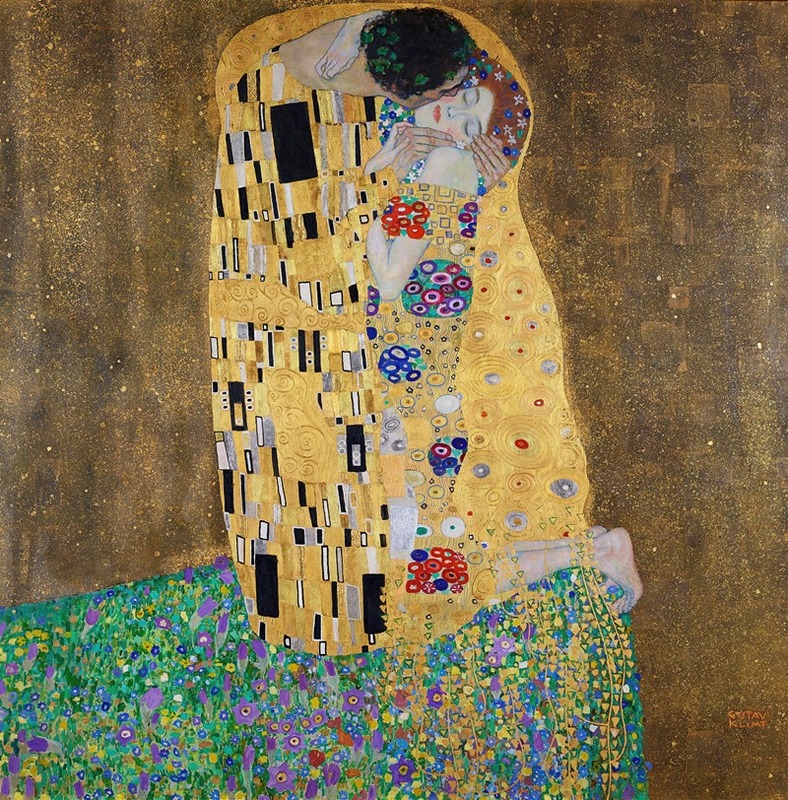
The kiss
Gustav Klimt
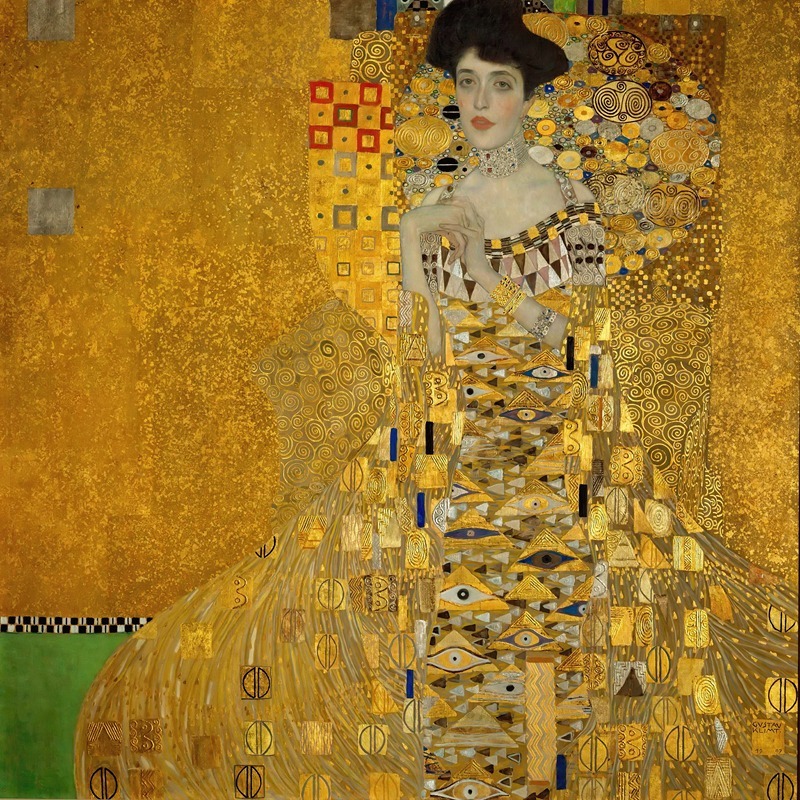
Portrait of Adele Bloch-Bauer I
Gustav Klimt
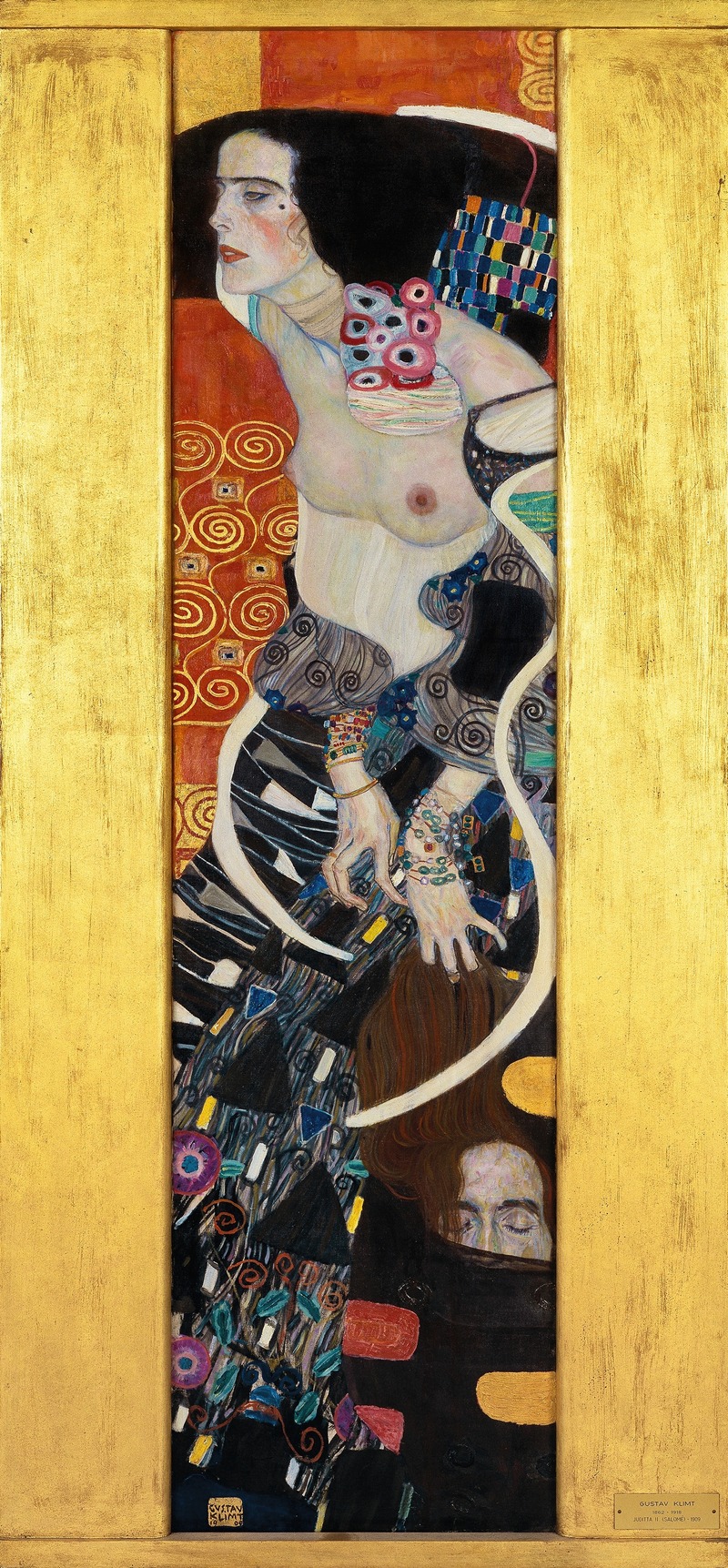
Judith II (Salome)
Gustav Klimt
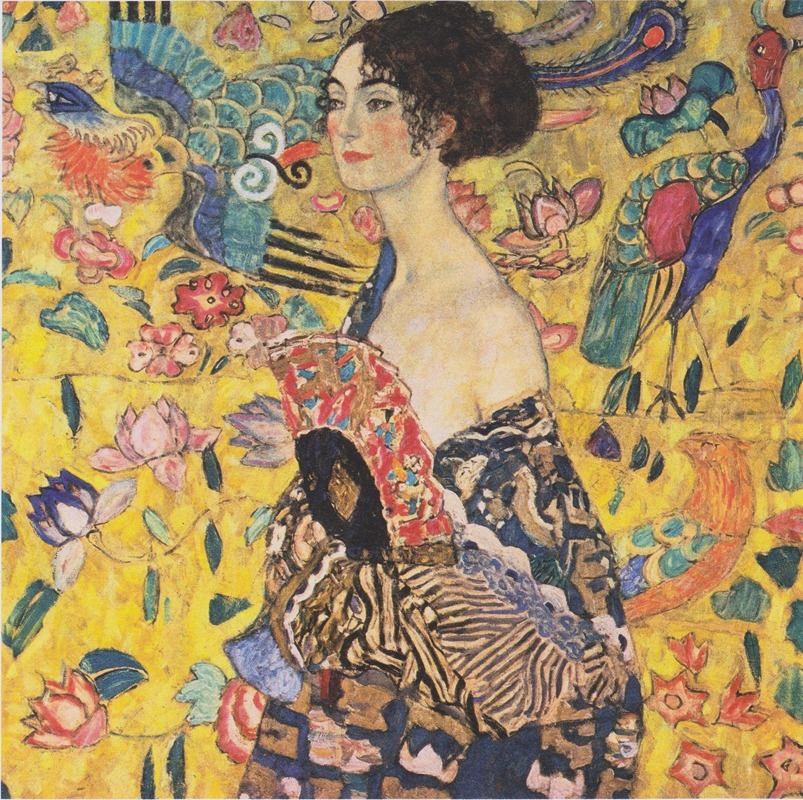
Woman with fan
Gustav Klimt
The kiss (lovers)
Gustav Klimt
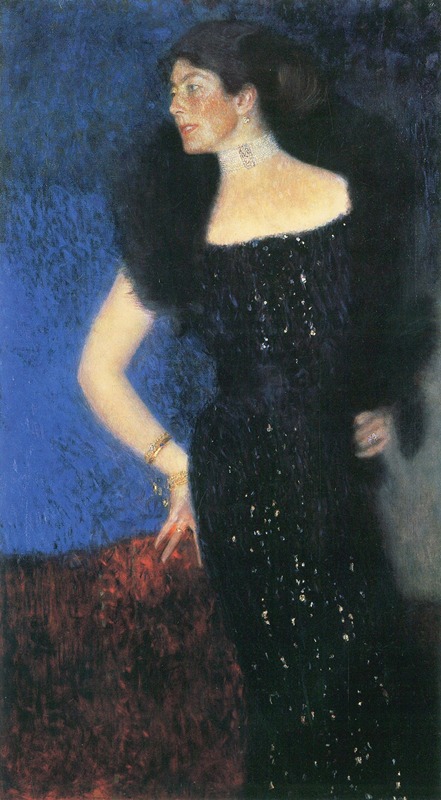
Portrait of Rose von Rosthorn-Friedmann
Gustav Klimt
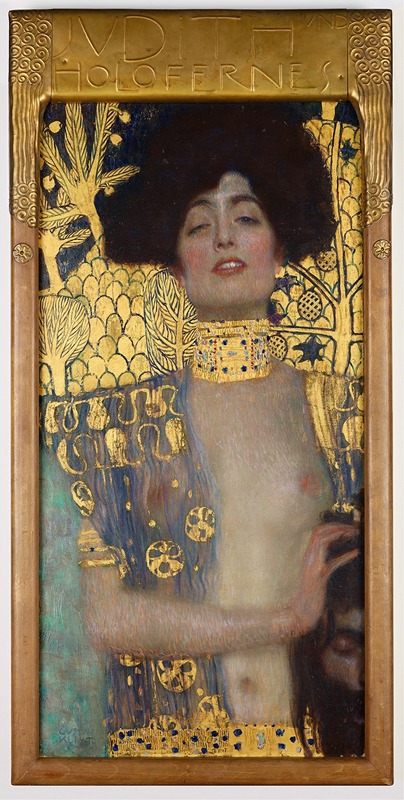
Judith
Gustav Klimt
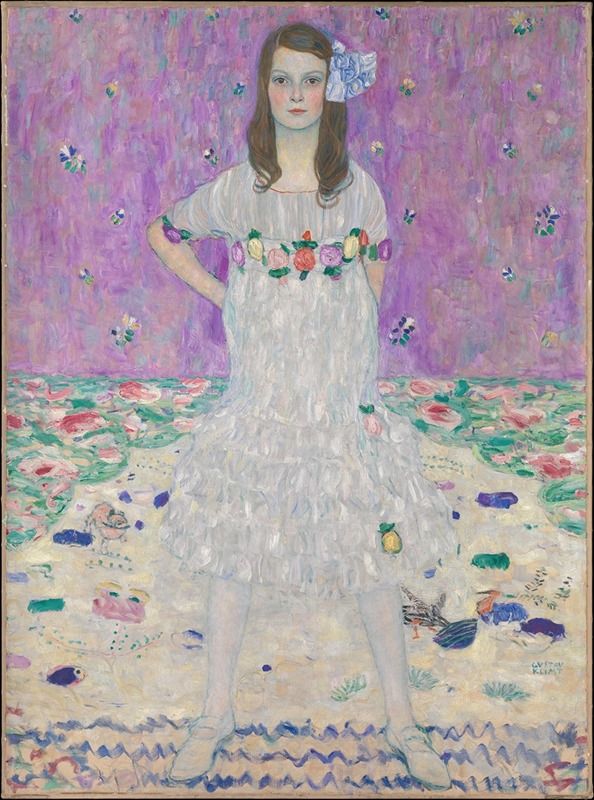
Mäda Primavesi
Gustav Klimt
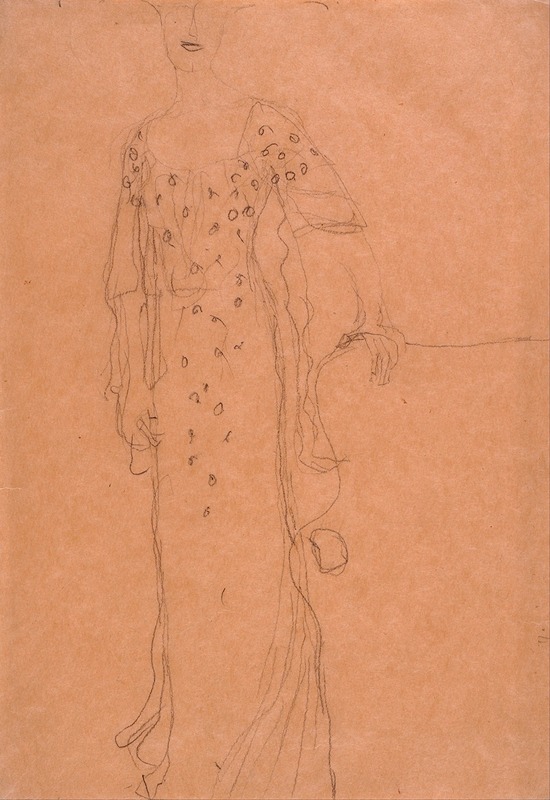
Study for Portrait of Adele Bloch-Bauer I
Gustav Klimt
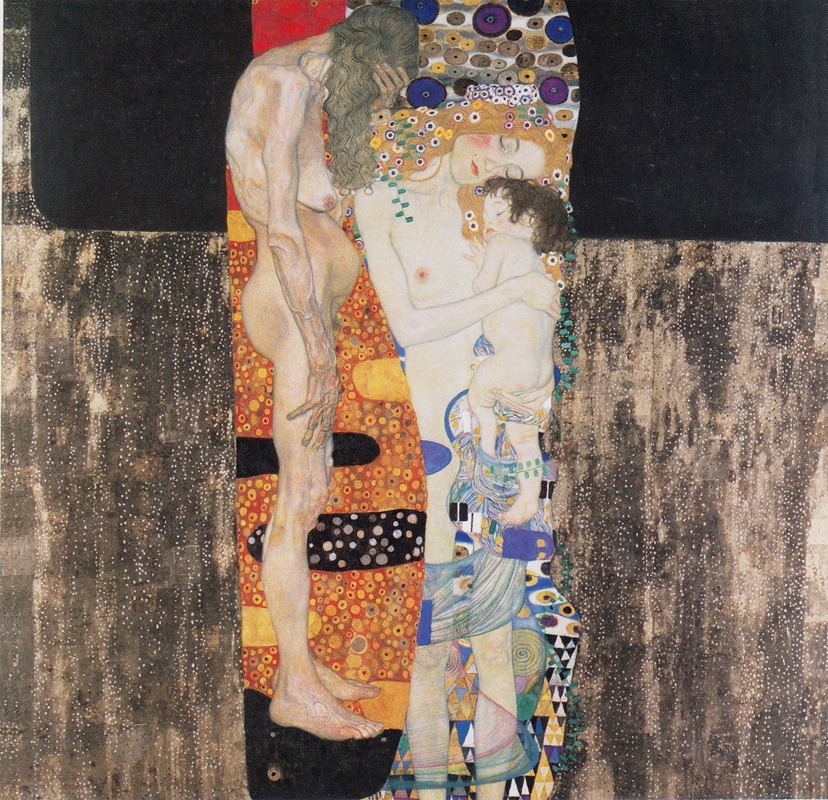
The Three Ages of the Woman
Gustav Klimt
More Allegory Art
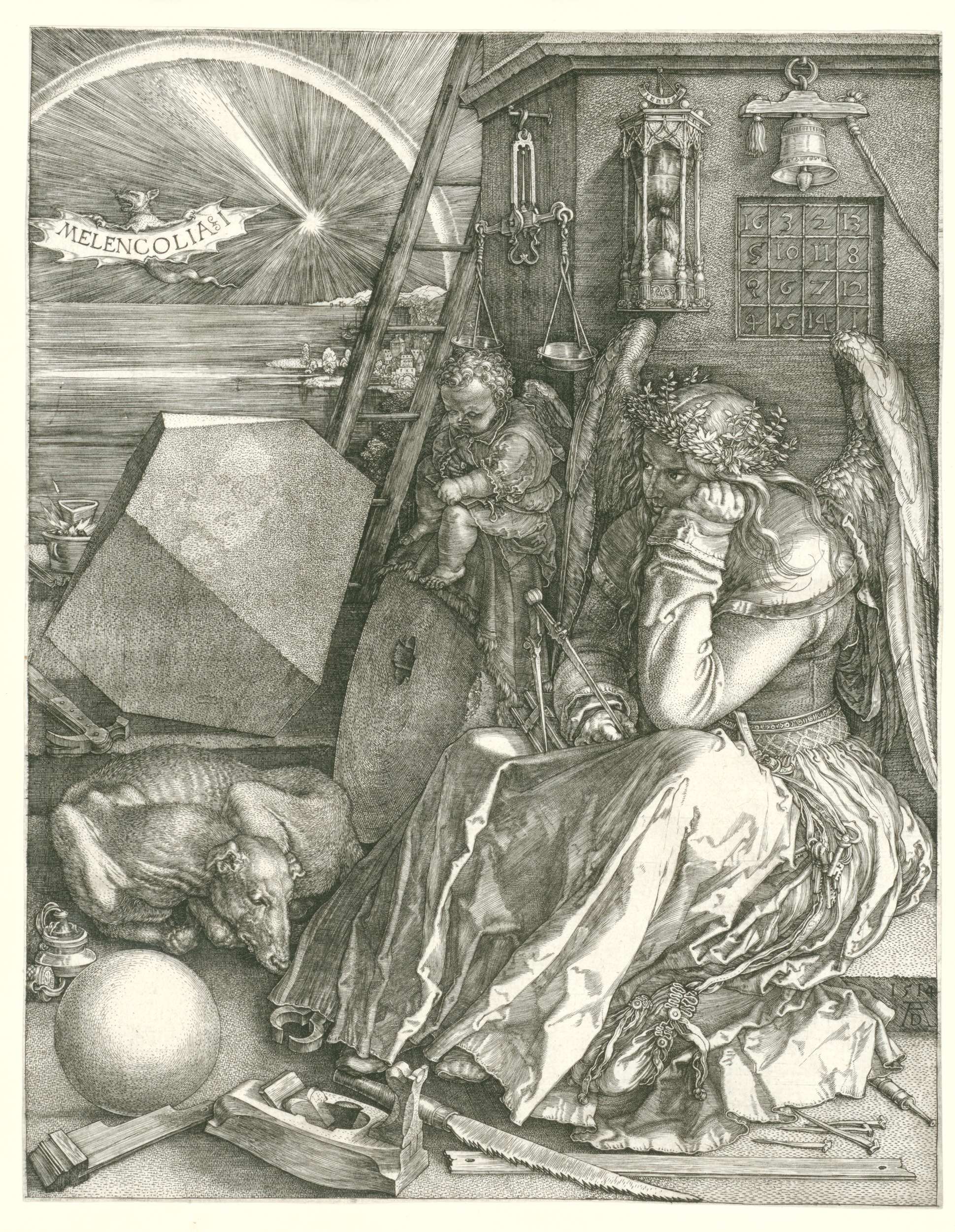
Melancholia
Albrecht Dürer
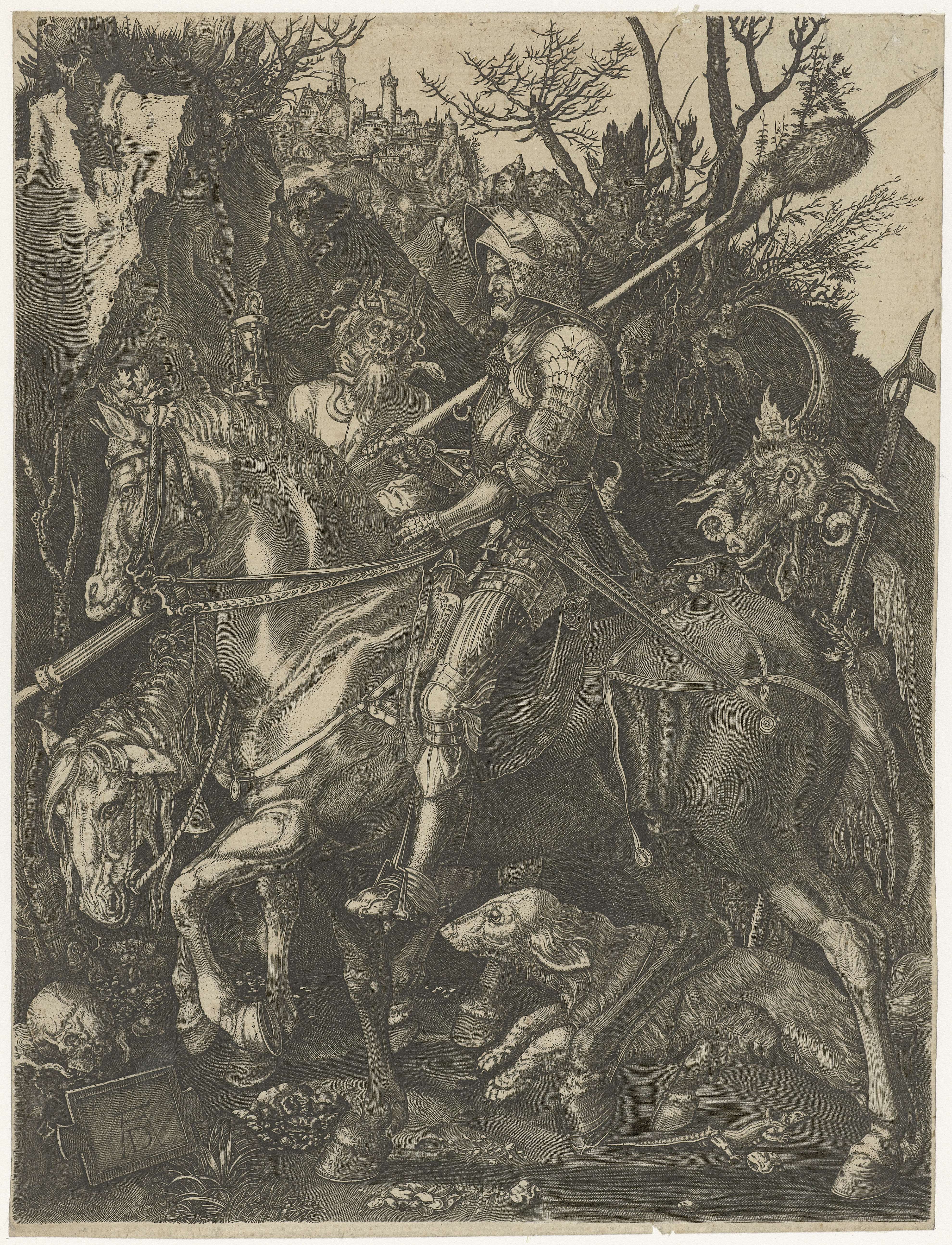
Ridder, Dood en Duivel
Unknown Artist
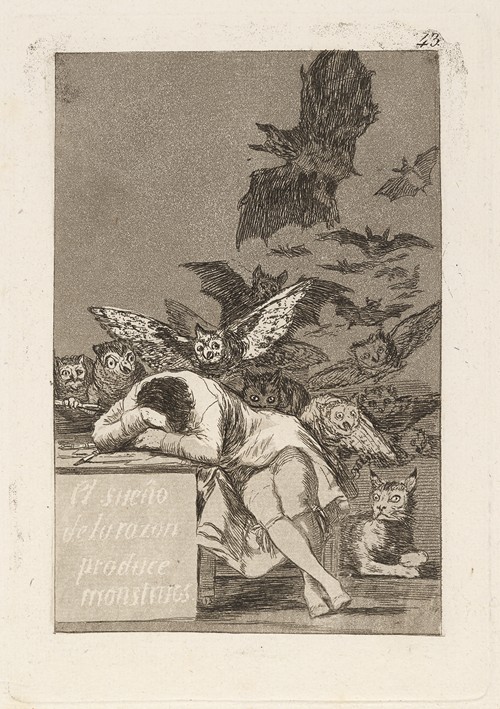
El sueño de la razon produce monstruos. (The sleep of reason produces monsters.)
Francisco de Goya
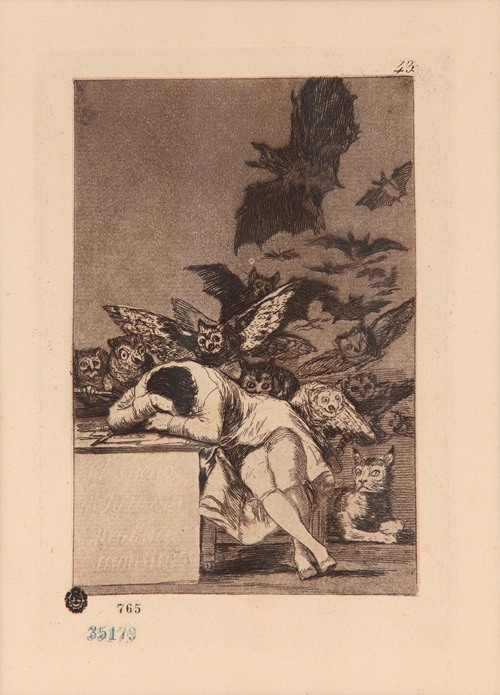
El sueño de la razon produce moustruos (Serie Caprichos)
Francisco de Goya
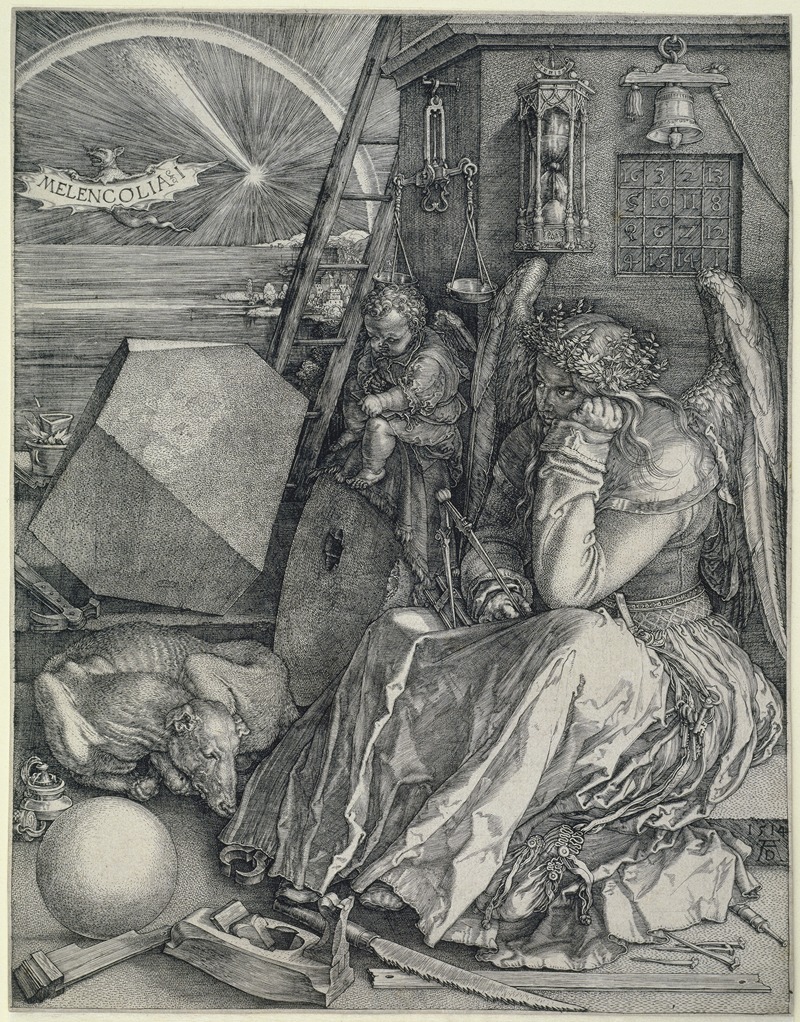
Melencolia I (The Melancholy)
Albrecht Dürer
The Three Ages of the Woman
Gustav Klimt