
Die libysche Wüste [The Libyan desert] — History & Facts
Could a single brushstroke hold eternity? In the vastness of Die libysche Wüste, hope shimmers like heat on a distant horizon, inviting the viewer to explore the depths of emotion that lie within the arid landscape. Focus on the warm ochres and sandy beiges that dominate the canvas, evoking the sun-drenched expanse of the desert. Notice how the artist uses broad strokes to create an almost tactile texture, drawing the eye across the undulating dunes that seem to rise and fall beneath an infinite sky. The subtle gradations of color capture the interplay of light and shadow, illuminating the wilderness while hinting at the desolation that can also be found here. Within this stark beauty lies a profound duality.
The endless stretches of sand symbolize both the harshness of survival and the resilience of the human spirit. Each sweeping curve of the dune holds the promise of discovery, a whisper of life amid the solitude, while the vastness overhead suggests both freedom and isolation. This tension between hope and despair resonates deeply, reminding us of the complexities inherent in any journey. Carl Hasch painted this piece during a period of growing interest in Orientalism, capturing the allure of far-off lands.
Although the precise date remains unknown, it is believed to have been created in the late 19th century, a time when Western artists were captivated by the romance of the exotic. Amidst personal and societal shifts, Hasch's artistic exploration reflects his desire to find beauty and meaning in landscapes that seemed both foreign and familiar.
More Artworks by Carl Hasch
Browse all →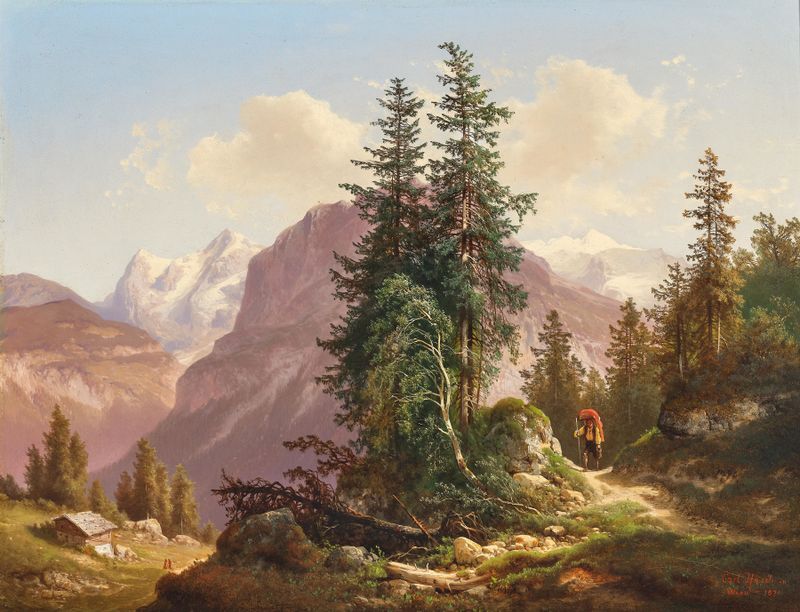
Der Eiger, der Mönch und der Silberhorn in der Schweiz
Carl Hasch

Gebirgsbach in der Ramsau
Carl Hasch

Jäger im Hochgebirge
Carl Hasch
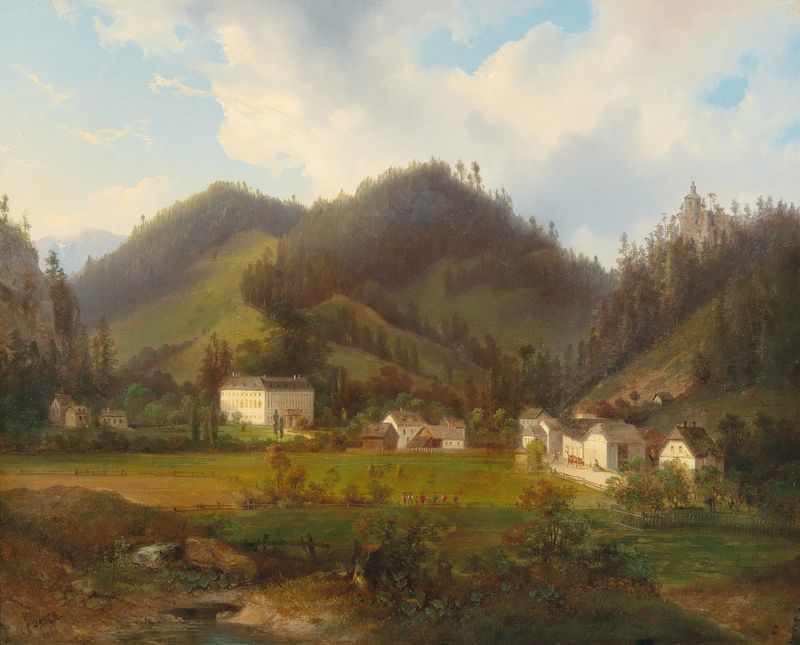
View of Schloss Gutenstein
Carl Hasch
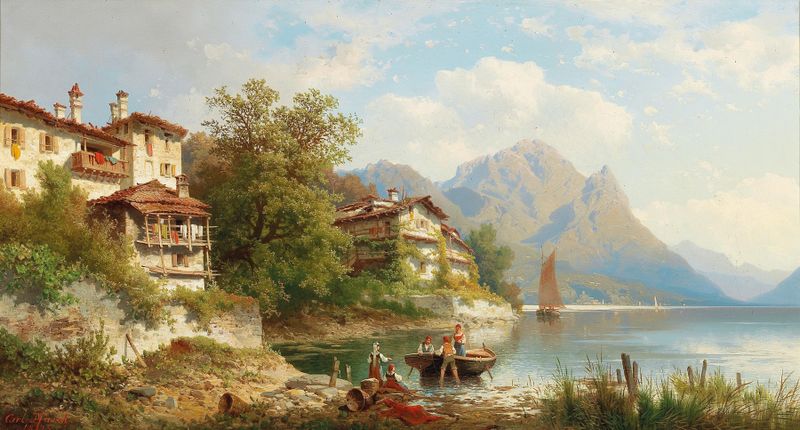
Motiv aus Gandria am Lago di Lugano
Carl Hasch

Waldmühle bei Windischgarsten
Carl Hasch

Waterfall
Carl Hasch

Am Seebach in Prag
Carl Hasch
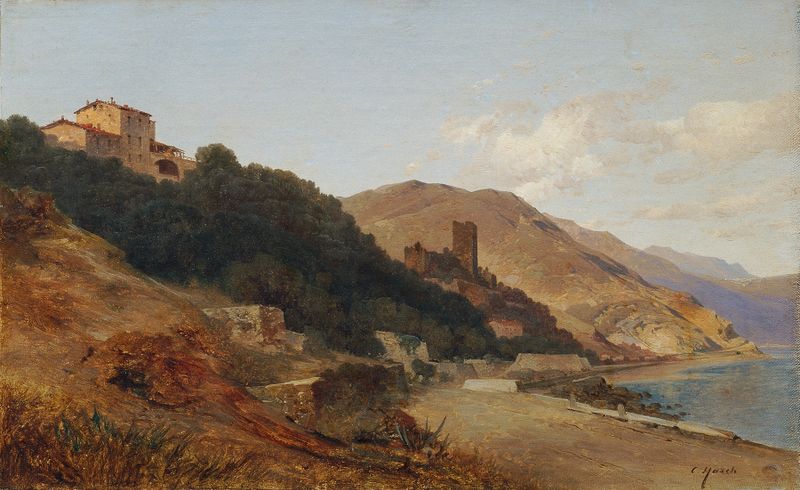
Italienische Abendlandschaft
Carl Hasch
Landschaft mit Sägemühle
Carl Hasch





