
Die Porta Valbona in Urbino — History & Facts
Could a single brushstroke hold eternity? In Die Porta Valbona in Urbino, the tension between beauty and violence unfurls, presenting a landscape that both captivates and disturbs. Look to the right at the stark lines of a city wall, its aged stones carved by time and conflict. The light spills warmly over the scene, illuminating the ochres and umbers that recall both sunset and decay. Notice how the architecture is rendered with sharp precision, creating an almost claustrophobic embrace around the viewer, while the delicate strokes of foliage contrast the harshness of the stone, whispering stories of resilience amidst erosion. As you delve deeper, observe the subtle interplay of light and shadow that hints at a narrative just beneath the surface.
The gentle bends of the trees cradle secrets, while the hardness of the wall suggests a history laden with struggles. The painting captures a moment of stillness, yet the way it frames the urban landscape evokes an underlying violence, as if the city itself is at odds with its natural surroundings, forever caught in a cycle of creation and destruction. Hermann Lismann painted this piece in 1924 while living in Italy, a time when the world was reeling from the aftermath of World War I. This tumultuous period in European history was marked by introspection and exploration, influencing Lismann's work as he sought to find harmony in the juxtaposition of war-torn landscapes and serene beauty.
As he captured the essence of Urbino, he intertwined the remnants of conflict with the enduring spirit of the place, creating a dialogue that resonates through the canvas.
More Artworks by Hermann Lismann
Browse all →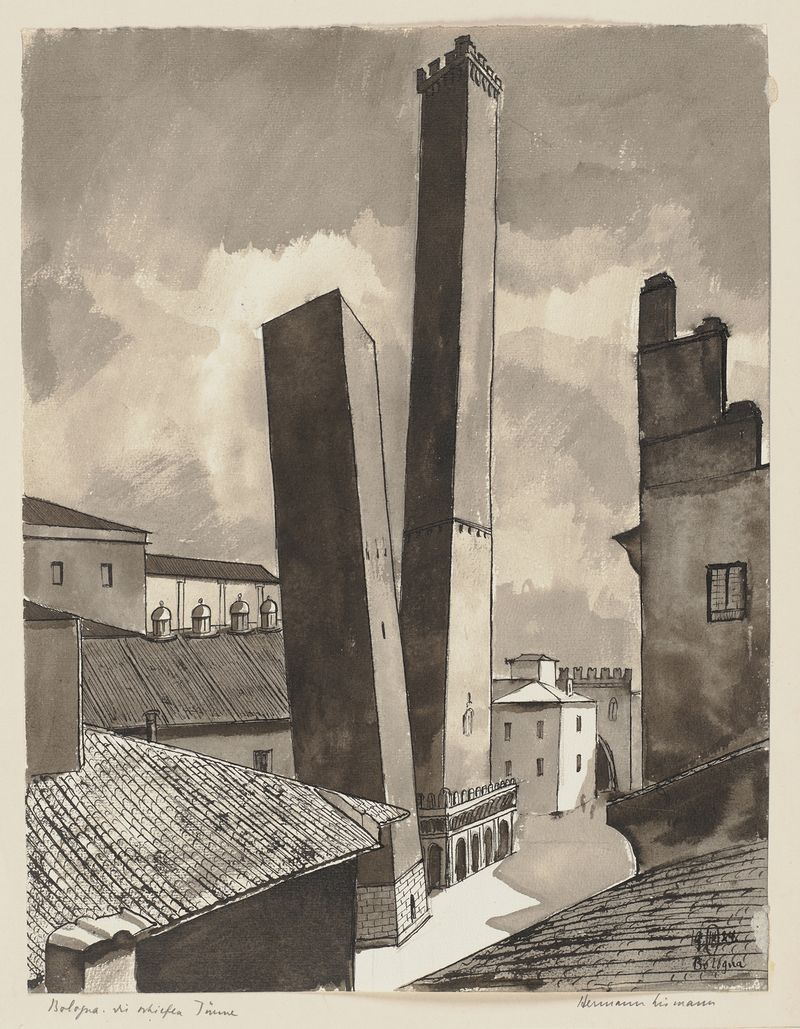
Die beiden Türme Garisenda und Asinelli in Bologna
Hermann Lismann
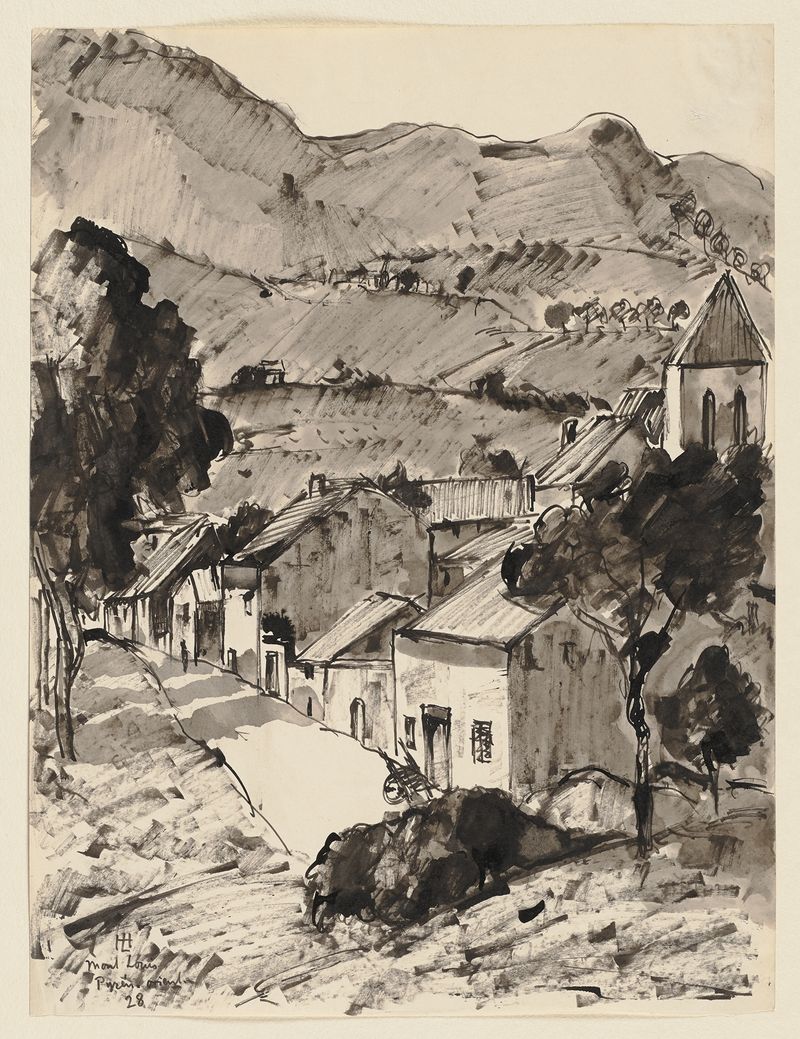
Mont-Louis
Hermann Lismann
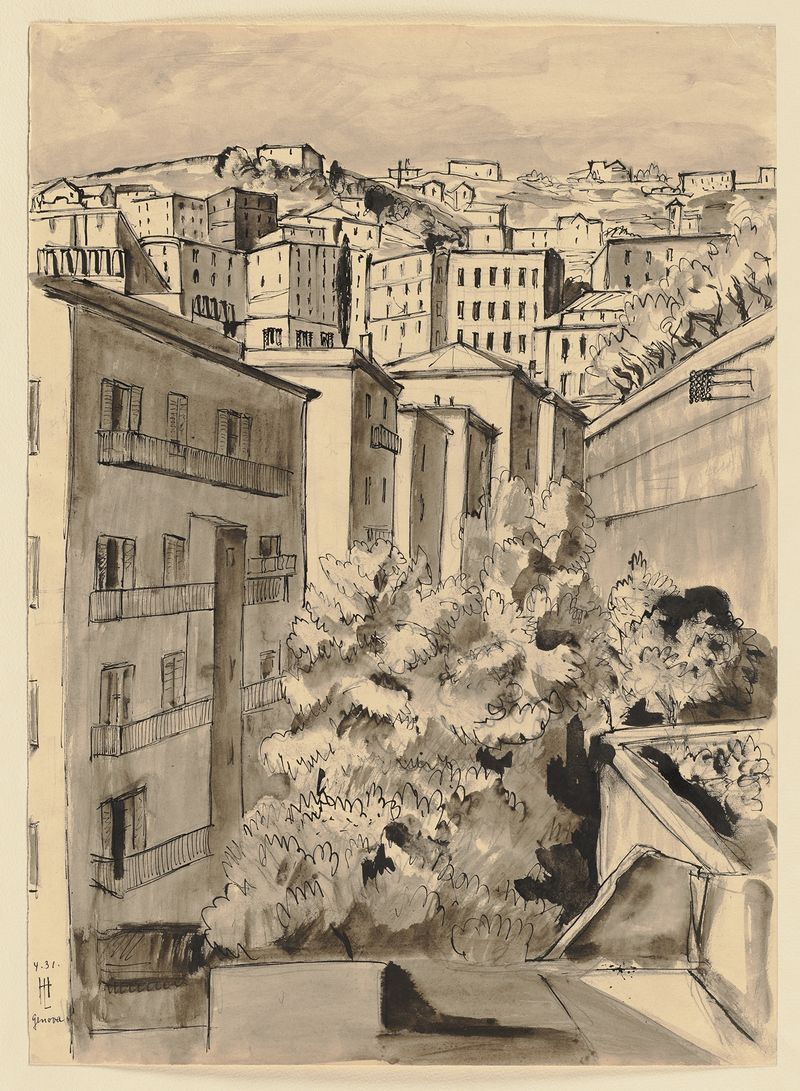
View of Genoa
Hermann Lismann
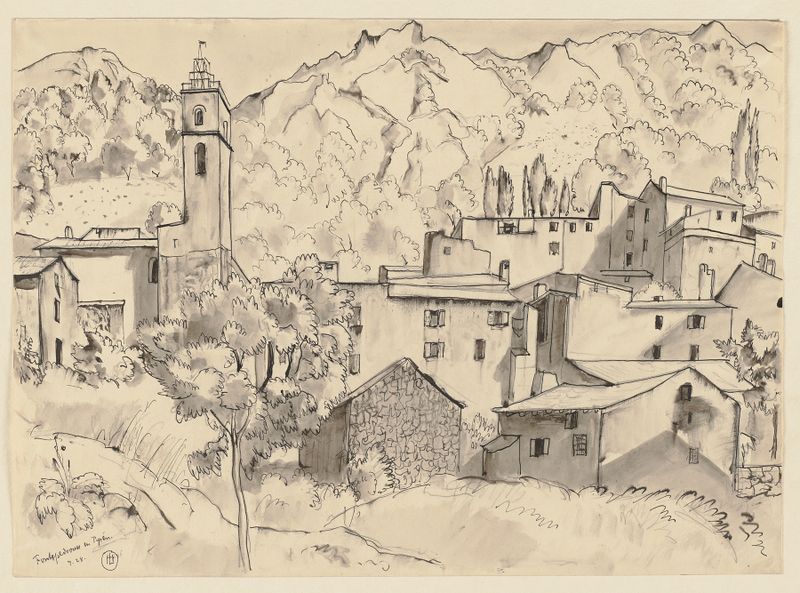
Fontpédrouse en Pyrénées
Hermann Lismann
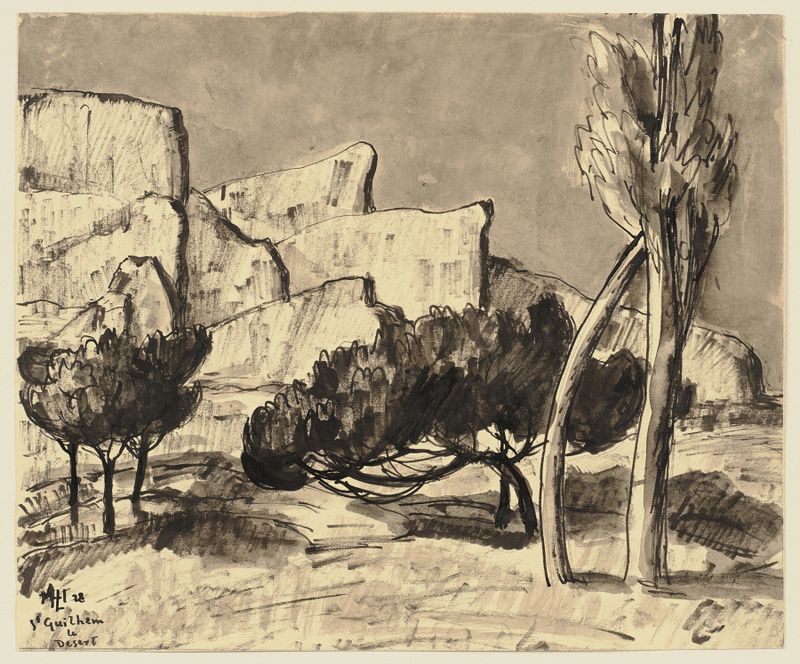
Saint-Guilhem-le-Désert
Hermann Lismann
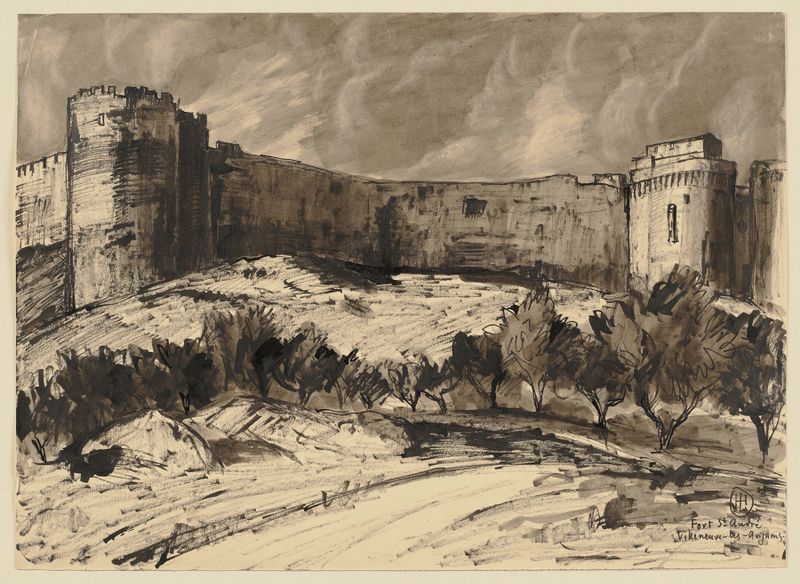
Fort Saint-André in Villeneuve-les-Avignon
Hermann Lismann
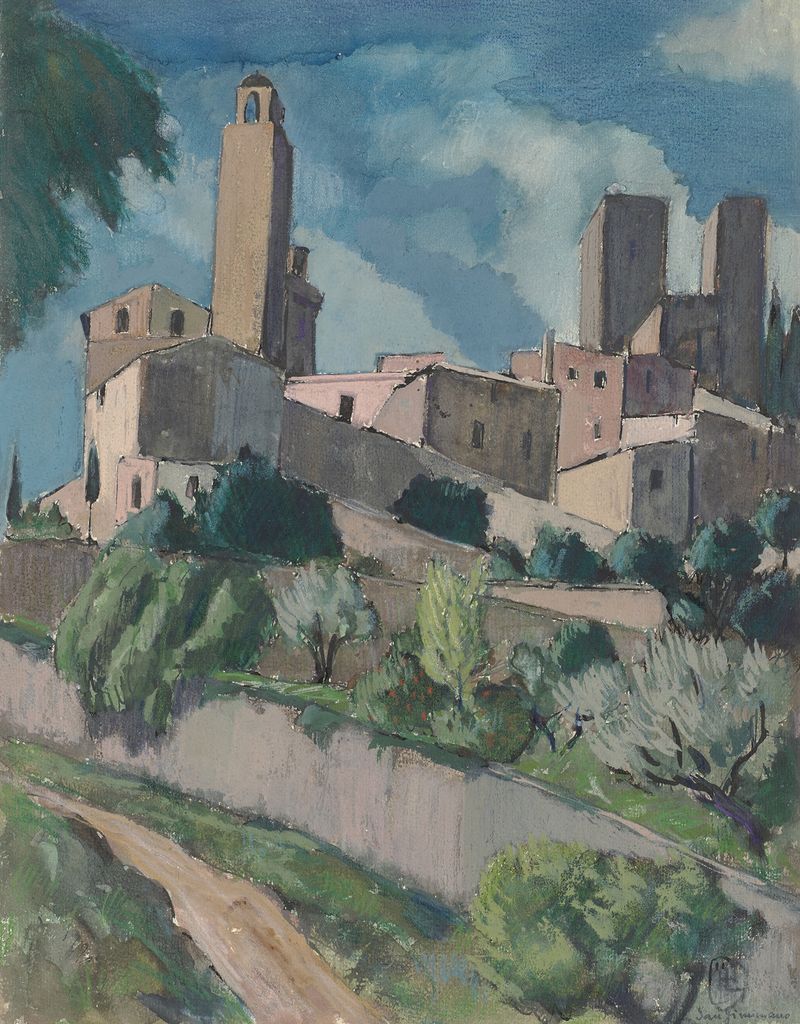
San Gimignano
Hermann Lismann
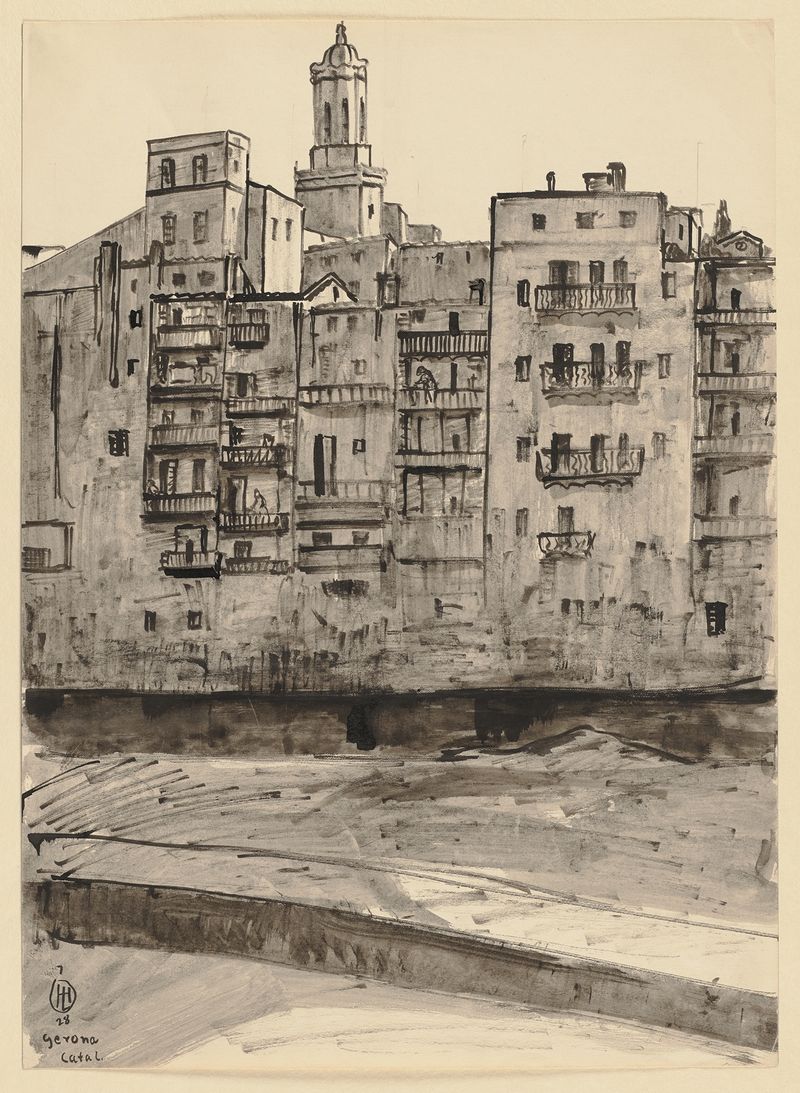
Girona vom Fluss aus gesehen, im Hintergrund der Turm der Kathedrale
Hermann Lismann
Saint Thomas, Pyrénées
Hermann Lismann
Collioure
Hermann Lismann





