
Die reciproken Tänzerinnen (Reciprocal Dancers) — History & Facts
In Reciprocal Dancers, vibrant colors dominate the composition, with swirling forms of dancers creating a sense of movement. The figures are adorned in flowing garments that blend harmoniously with the background. The setting appears abstract, emphasizing the fluidity of the dance rather than a specific location.
Overall, the painting captures a lively and dynamic atmosphere. The painting is characterized by its use of bold colors and intricate patterns typical of Art Nouveau. Moser employs a combination of organic shapes and stylized forms to create a rhythmic visual experience. The brushwork is fluid, enhancing the sense of motion among the dancers.
Viewers can appreciate the meticulous attention to detail in the dancers' costumes and the surrounding elements. Koloman Moser was a prominent figure in the Vienna Secession movement, known for his innovative designs and contributions to various art forms. Reciprocal Dancers reflects his fascination with the interplay of movement and decorative arts. An interesting fact about this work is that it exemplifies Moser's ability to merge fine art with applied arts, showcasing his versatility as an artist.
More Artworks by Koloman Moser

Butterfly
Koloman Moser
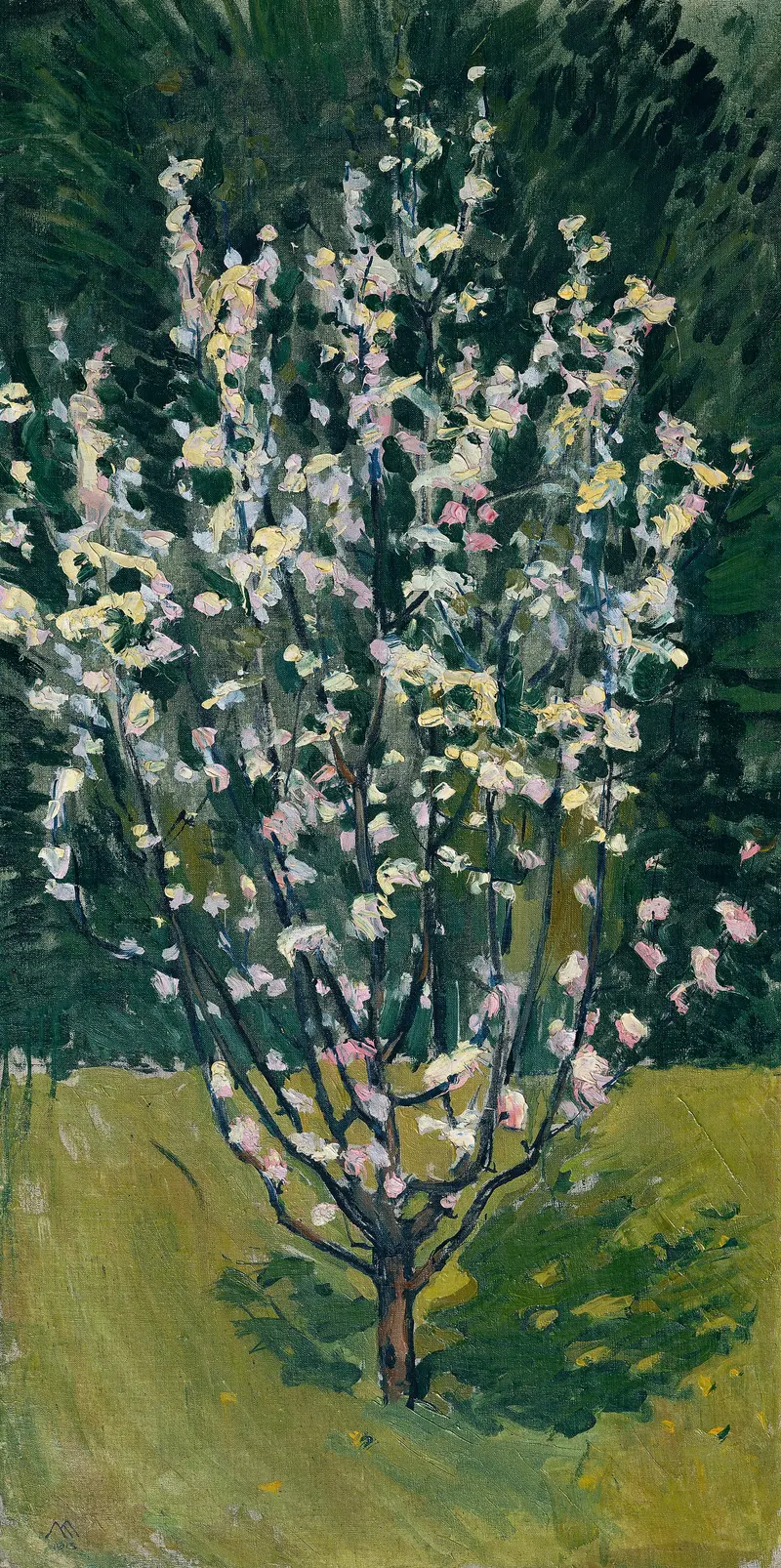
Blühendes Bäumchen
Koloman Moser
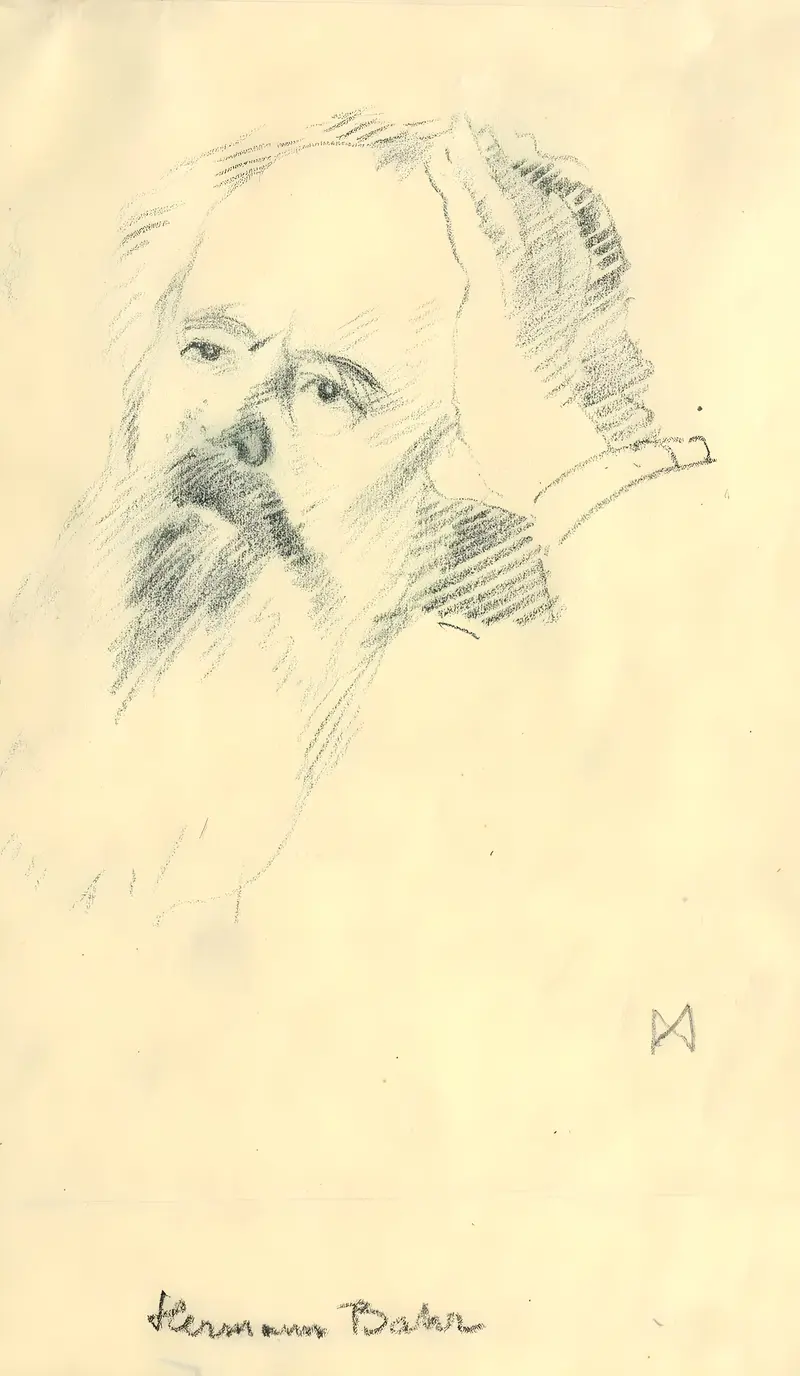
Porträt Hermann Bahr
Koloman Moser

Lesendes Mädchen
Koloman Moser

Liebespaar
Koloman Moser
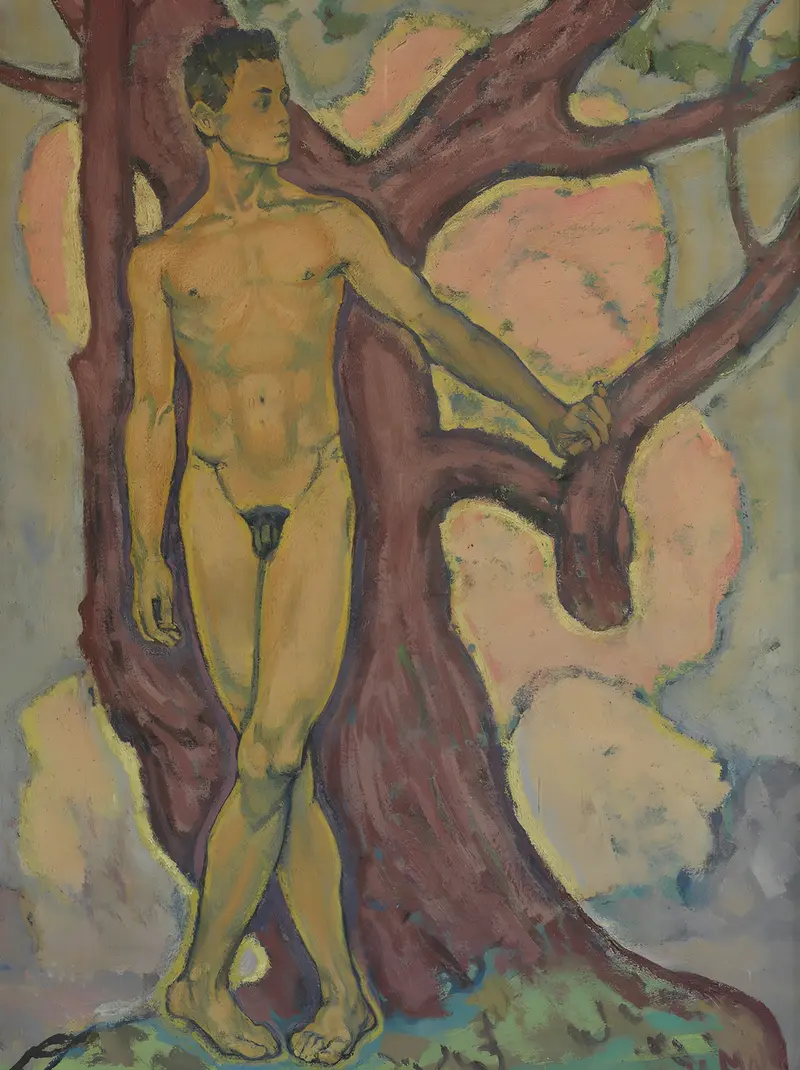
Allegorie Jüngling
Koloman Moser
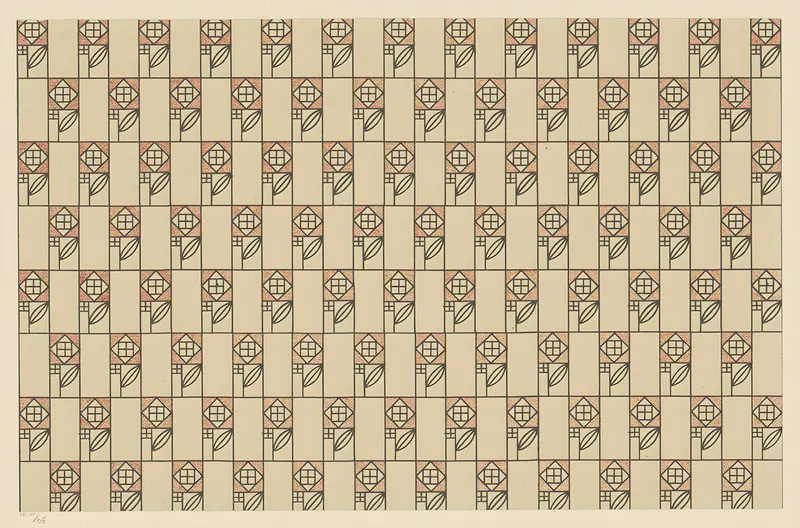
Einwickelpapier der Wiener Werkstätte mit Rosenmarke
Koloman Moser
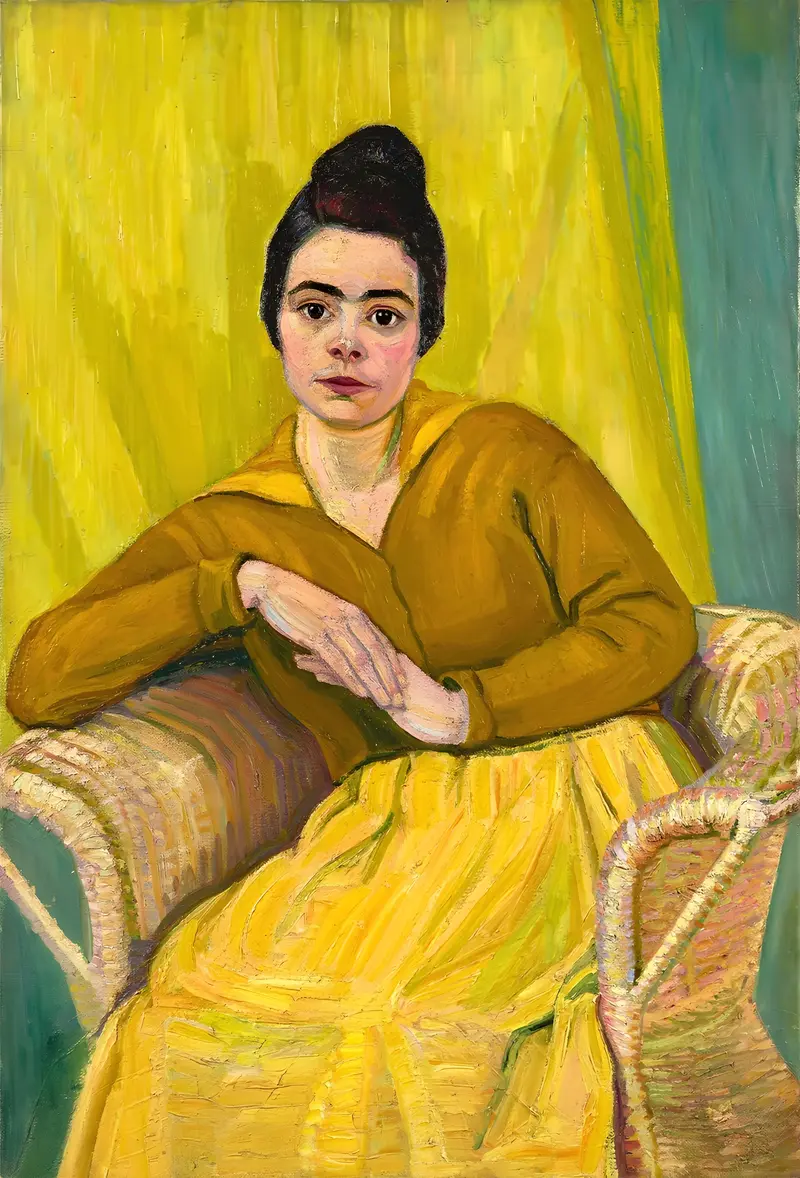
Sitzende Dame im Korbstuhl
Koloman Moser
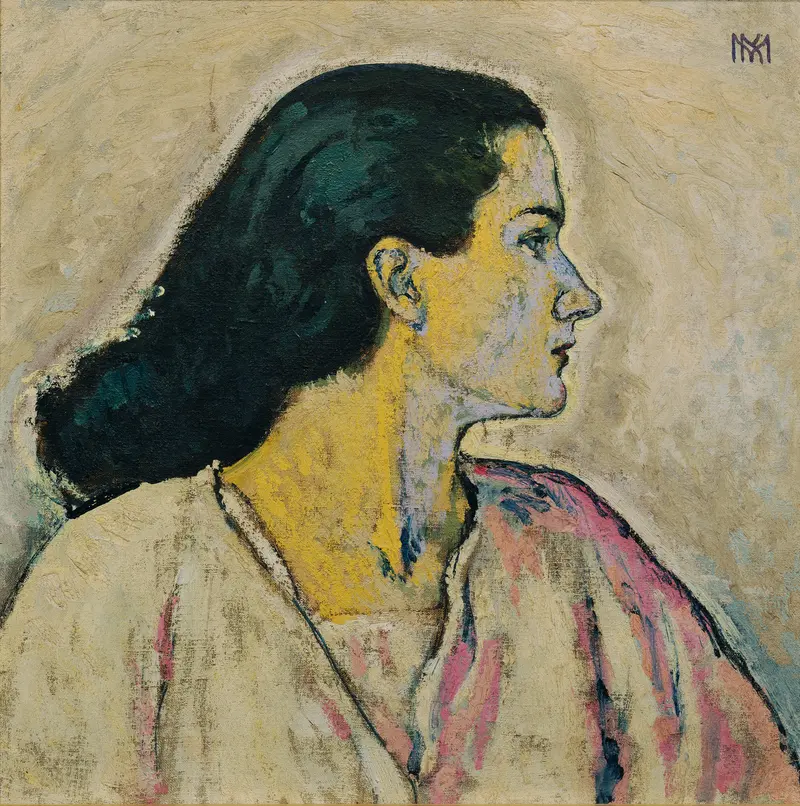
Frauenbildnis im Profil
Koloman Moser
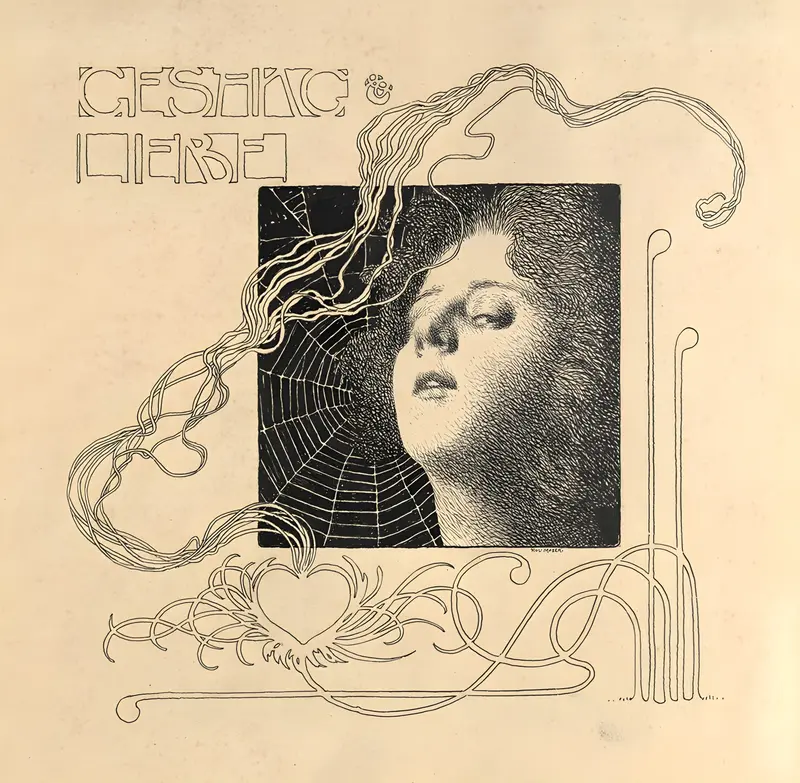
Gesang – Liebe
Koloman Moser



