
Die Singerstrasse — History & Facts
Is this a mirror — or a memory? In Die Singerstrasse, a melancholic reflection on loss and nostalgia unfolds, beckoning the viewer to delve into the layers of memory intertwined with the passage of time. Look to the left at the muted colors of the buildings, where soft earth tones meet the hazy sky, suggesting a world that has grown distant. The narrow street, flanked by weary facades, draws your eye toward the melancholic figure of a woman, her posture and expression saturated with longing. Notice how the gentle strokes of light seem to seep through the canvas, illuminating fragments of the scene while casting deeper shadows, creating a poignant contrast that evokes both comfort and sorrow. The haunting stillness surrounding the lone figure speaks volumes about isolation and the weight of unspoken grief.
The empty street suggests abandonment, while the delicate interplay of light suggests moments of introspection and reminiscence. Each brushstroke encapsulates a fleeting memory, capturing the essence of a life once vibrant now fading into the background of history. The emotional tension lies not only in the woman’s solitude but also in the ethereal quality of the cityscape, reminiscent of dreams that hover just beyond reach. Carl Moll painted Die Singerstrasse in 1900 during a time when the Vienna Secession movement was gaining momentum, championing individuality and emotional expression.
At this point in his career, Moll was exploring the intersection of modernity and tradition, reflecting personal themes of memory and loss against the backdrop of a rapidly changing society. The painting encapsulates a moment of introspection during a time of artistic liberation, revealing the depth of personal and collective experience that defines human existence.
More Artworks by Carl Moll
Browse all →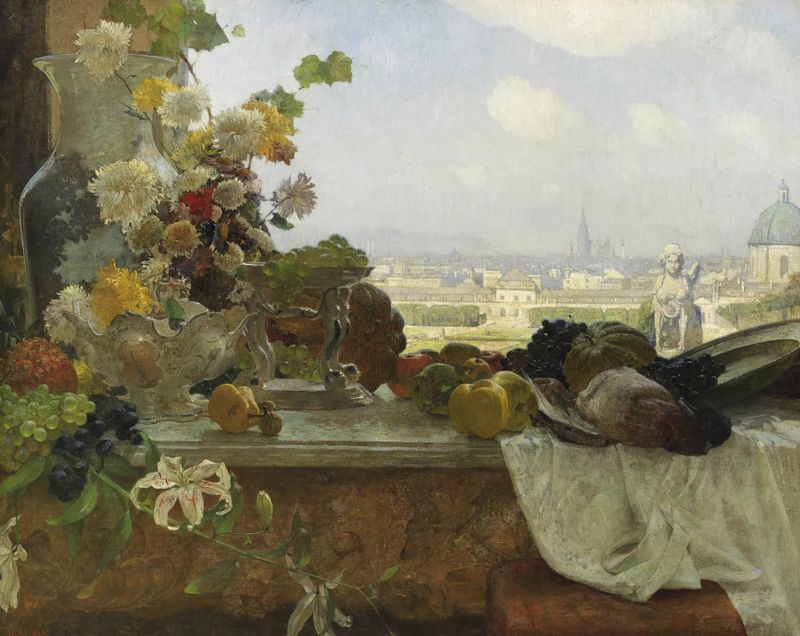
Blick vom Belvedere auf die Innere Stadt
Carl Moll

Garten in Döbling (Garden in Döbling, Vienna)
Carl Moll
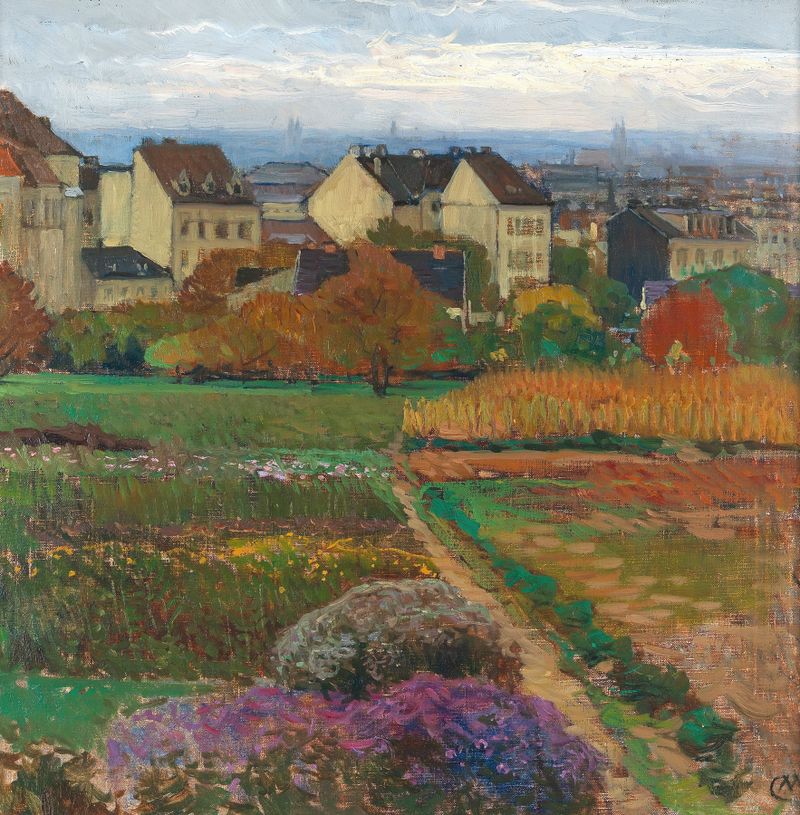
Döbling Wien
Carl Moll

Motiv aus dem Schloßpark in Jevisovice
Carl Moll
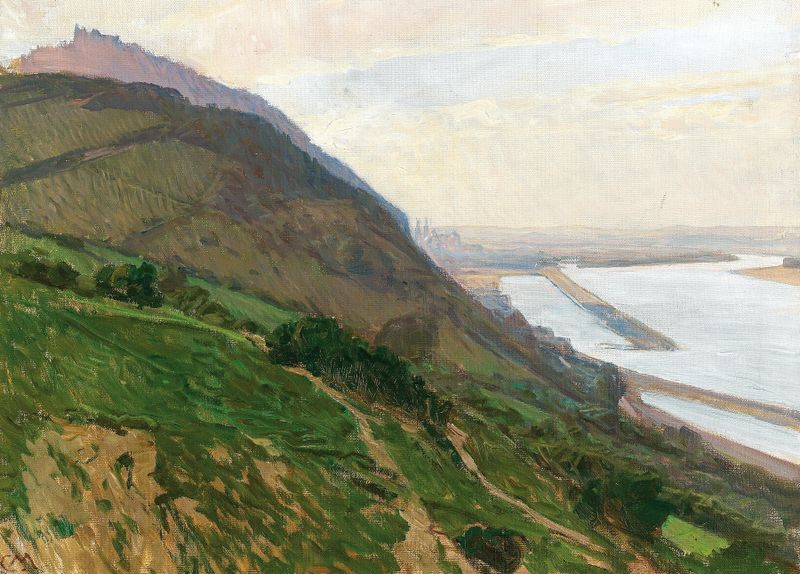
Donauansicht
Carl Moll
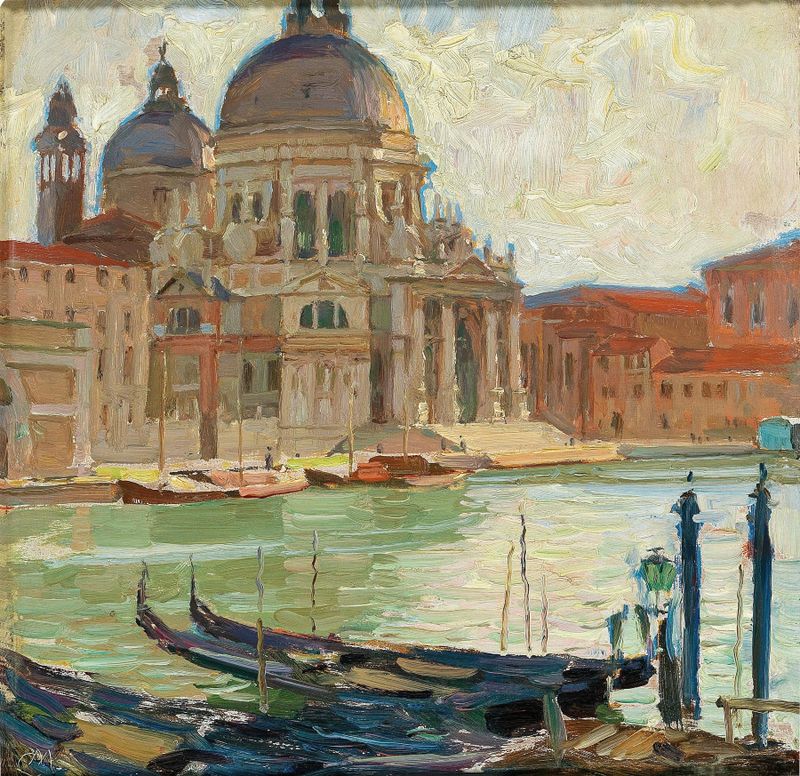
Kirche in Venedig
Carl Moll

Wassermühle in Goisern (nach Emil Jakob Schindler)
Carl Moll

Winter at Hohe Warte, Rothschild Gardens
Carl Moll

Römische Ruine in Schönbrunn
Carl Moll

Kirche St Michael in Heiligenstadt
Carl Moll





