
Die Wümme — History & Facts
Can paint confess what words never could? In Die Wümme, the delicate interplay of nature and emotion reveals the fragility of existence, encapsulating a moment that whispers of deeper truths. Look to the left at the soft curve of the river, its surface shimmering under a pale, contemplative light. The gentle greens of the meadows blend seamlessly into the azure sky, while wispy clouds mirror the water’s fluidity. Notice how Modersohn employs soft brushstrokes to convey a sense of tranquility, drawing your eye along the meandering path of the river.
The warm tones of the earth ground the scene, inviting you to sink into the lush atmosphere that surrounds this quiet tableau. Yet, beneath the serene surface lies a poignant sensitivity. The winding river, both beautiful and unpredictable, hints at life’s transience—its fragility accentuated by the subtle contrasts between the vibrant landscape and the stark stillness of the water. Hidden within the gentle ripples is a reminder of the emotions and stories that flow beneath the visible world, reflecting the artist's own contemplations on the cycles of life and nature. Created in 1911 while living in Worpswede, Modersohn was deeply influenced by the German Impressionist movement.
This period marked a significant shift towards capturing the essence of nature with emotional depth, as artists sought to portray their personal experiences and feelings. As the world approached the tumult of the First World War, the themes of fragility and beauty became increasingly profound, shaping not only his work but the collective consciousness of an era on the brink of change.
More Artworks by Otto Modersohn
Browse all →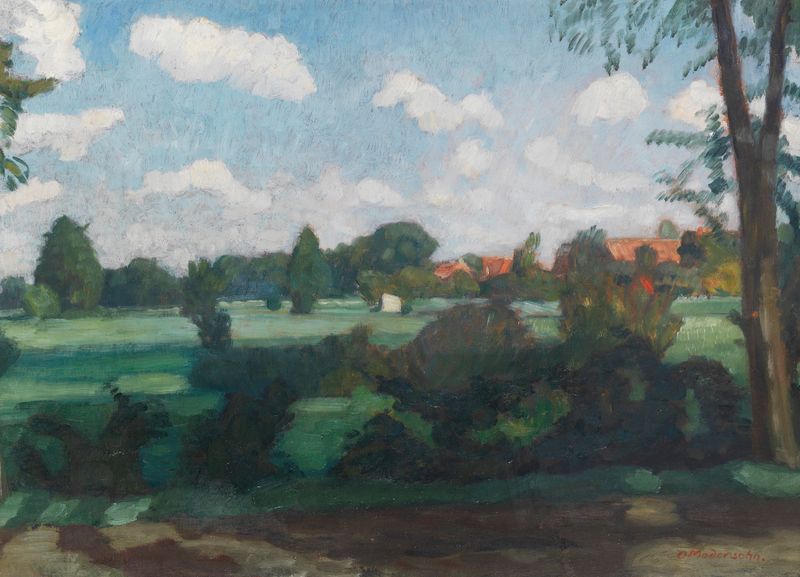
Sommerliche Wiesen bei Fischerhude
Otto Modersohn
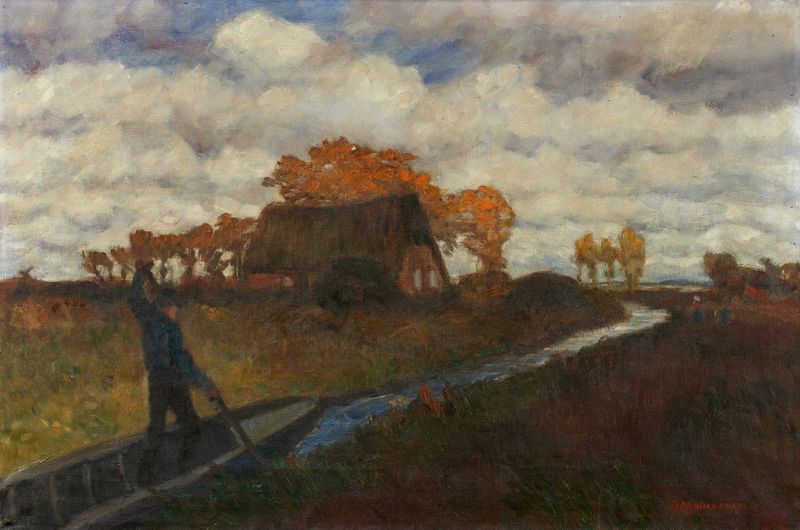
Herbstwetter
Otto Modersohn
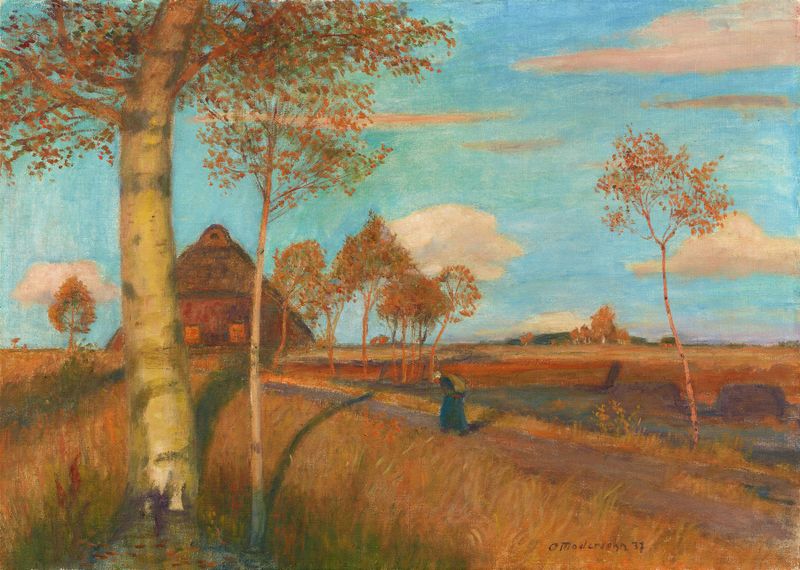
Abendsonne im Moor
Otto Modersohn
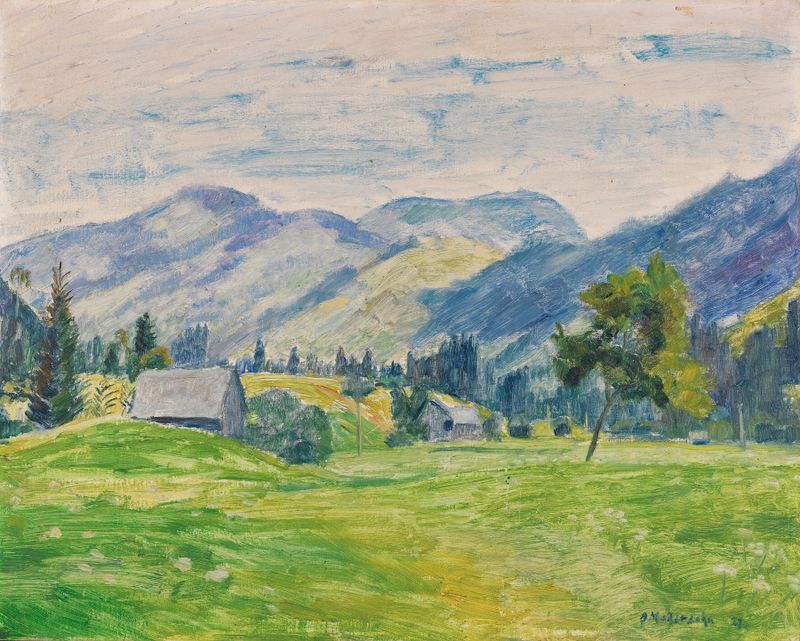
Lichter Sommertag im Allgäu (Unterjoch bei Hindelang)
Otto Modersohn
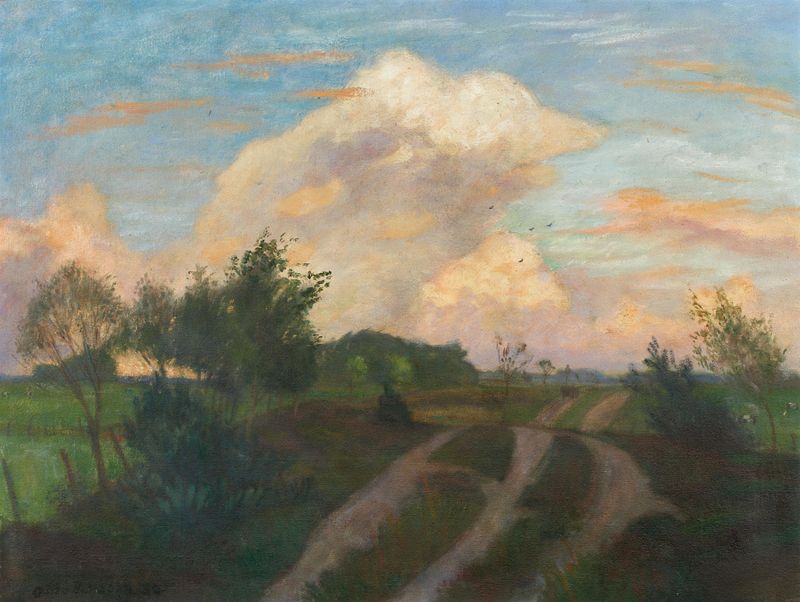
Sommerabend in der Surheide
Otto Modersohn
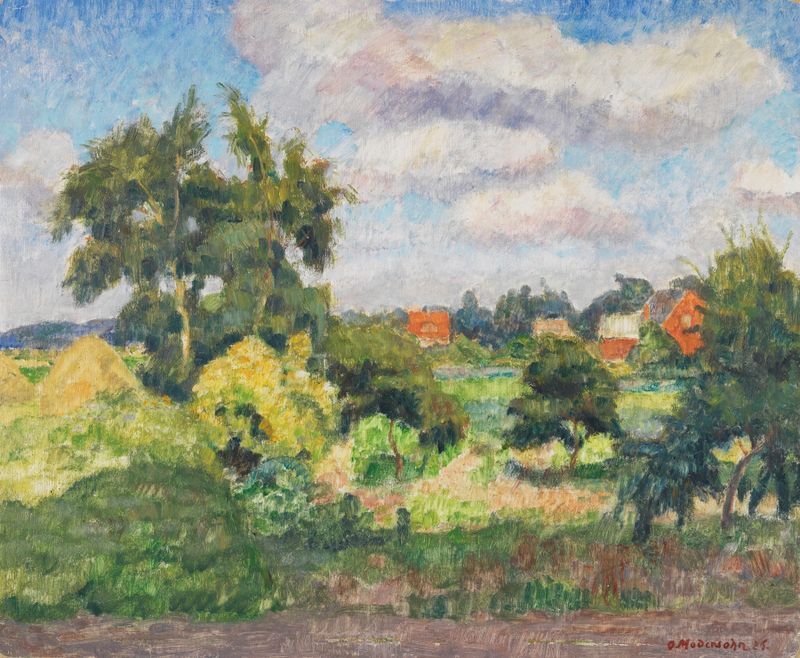
Sommertag in den Feldern bei Fischerhude
Otto Modersohn
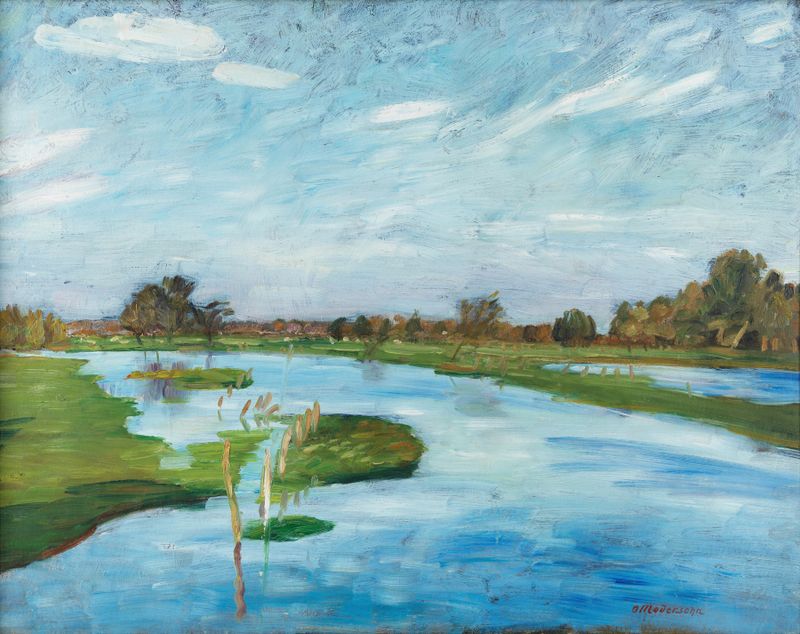
Überschwemmte Wümmewiesen
Otto Modersohn
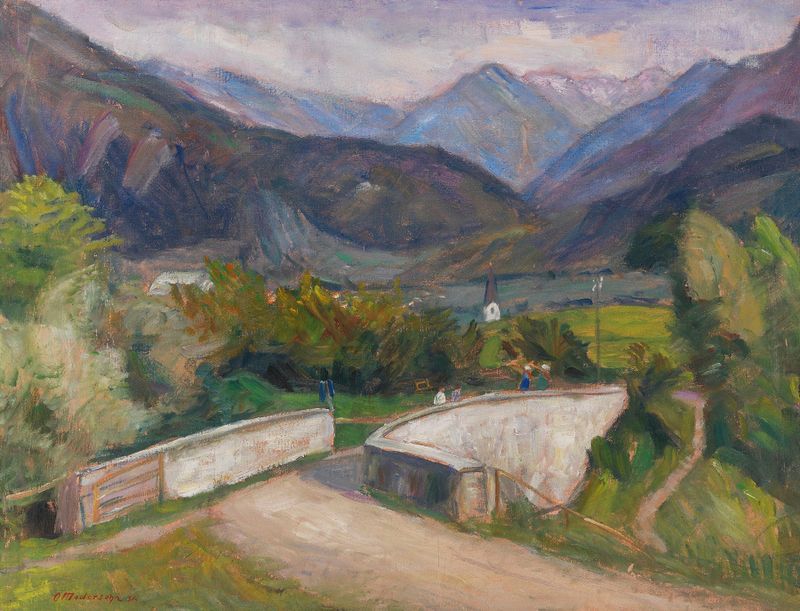
Zillenbachbrücke (Weg nach Gailenberg oberhalb von Hindelang im Allgäu)
Otto Modersohn
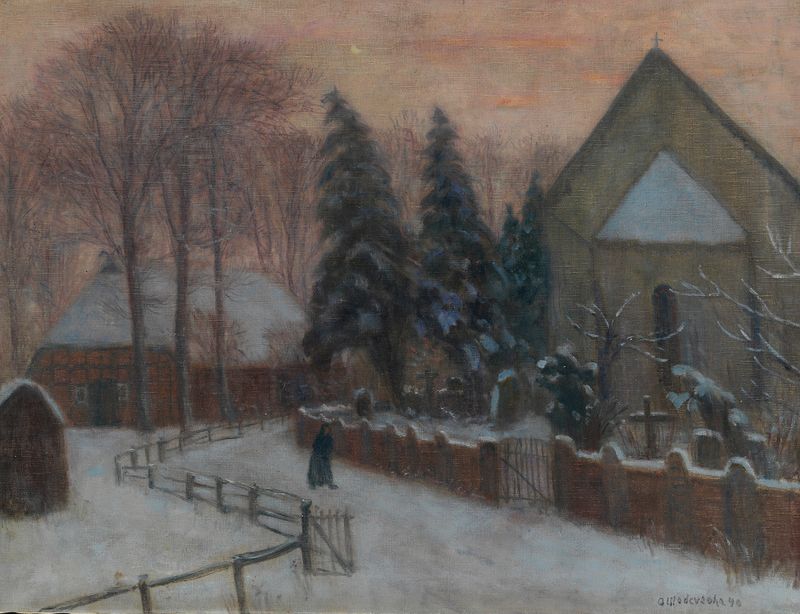
Winterabend, Fischerhuder Kirche mit Heimathaus
Otto Modersohn

Frühling
Otto Modersohn





