
Dijkstraat te Amsterdam — History & Facts
In the heart of a bustling city, the quietude of a street scene whispers secrets only the observant can uncover. Each shadow and light play reveals a moment of stillness amid the whirlwind of life — an awakening of both place and spirit. Look to the left, where the soft glow of lamplight spills onto the cobblestone path, illuminating a solitary figure lost in thought. The muted color palette enhances the atmosphere, blending earthy tones with glimmers of light, beckoning the viewer to linger.
Notice how the subtle brushstrokes create texture in the buildings, each facade a testament to time, while the receding lines pull your gaze down the street, inviting exploration into this intimate urban landscape. The contrasts in this piece are striking. There’s a juxtaposition between solitude and the implied presence of a world bustling just beyond the frame — a reminder of the duality of city life. The figure, standing in stillness, embodies contemplation, while the architecture seems to echo with the stories of countless lives lived within its walls.
This moment transcends mere observation; it captures the essence of being awake in one’s surroundings, attuned to the vibrancy and vibrancy of existence. Willem Wenckebach painted this piece in the early 20th century during a period of artistic innovation in the Netherlands. Emerging from a backdrop of urban change, Wenckebach's work reflects a deep engagement with the intricacies of modern life, as he sought to explore the tension between the individual and the bustling environment. His focus on urban landscapes positioned him as a key figure in the evolution of Dutch art during a transformative era, capturing moments that resonate with the timeless human experience.
More Artworks by Willem Wenckebach
Browse all →
Bakkersgang te Amsterdam
Willem Wenckebach

Oude huizen aan het Markenplein te Amsterdam
Willem Wenckebach

Oude huizen aan het Waterlooplein te Amsterdam
Willem Wenckebach
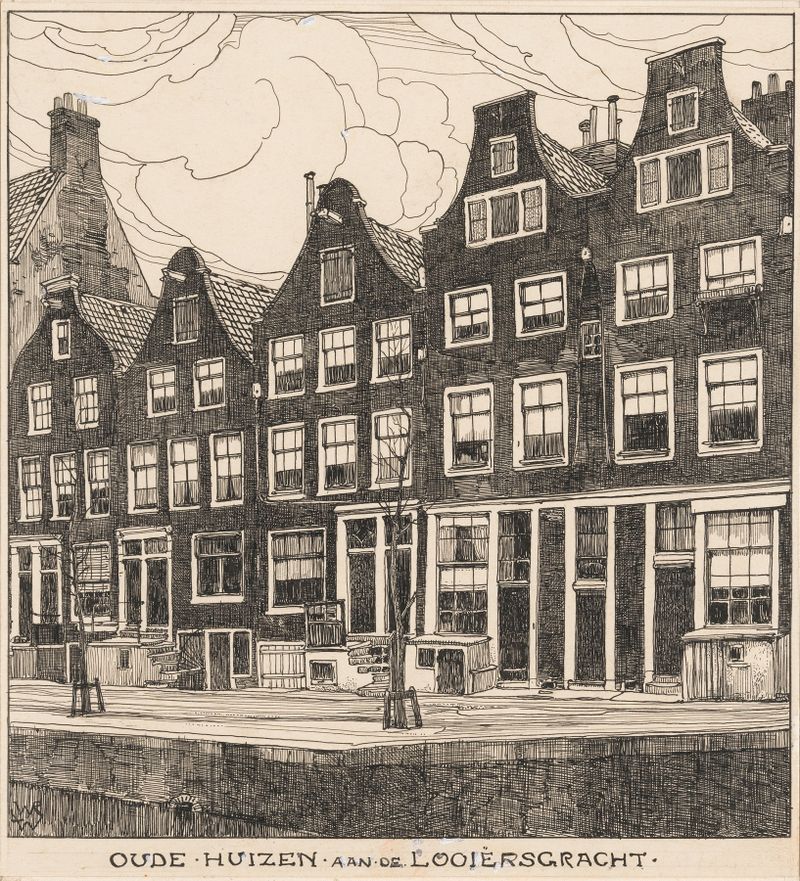
Oude huizen aan de Looiersgracht te Amsterdam
Willem Wenckebach
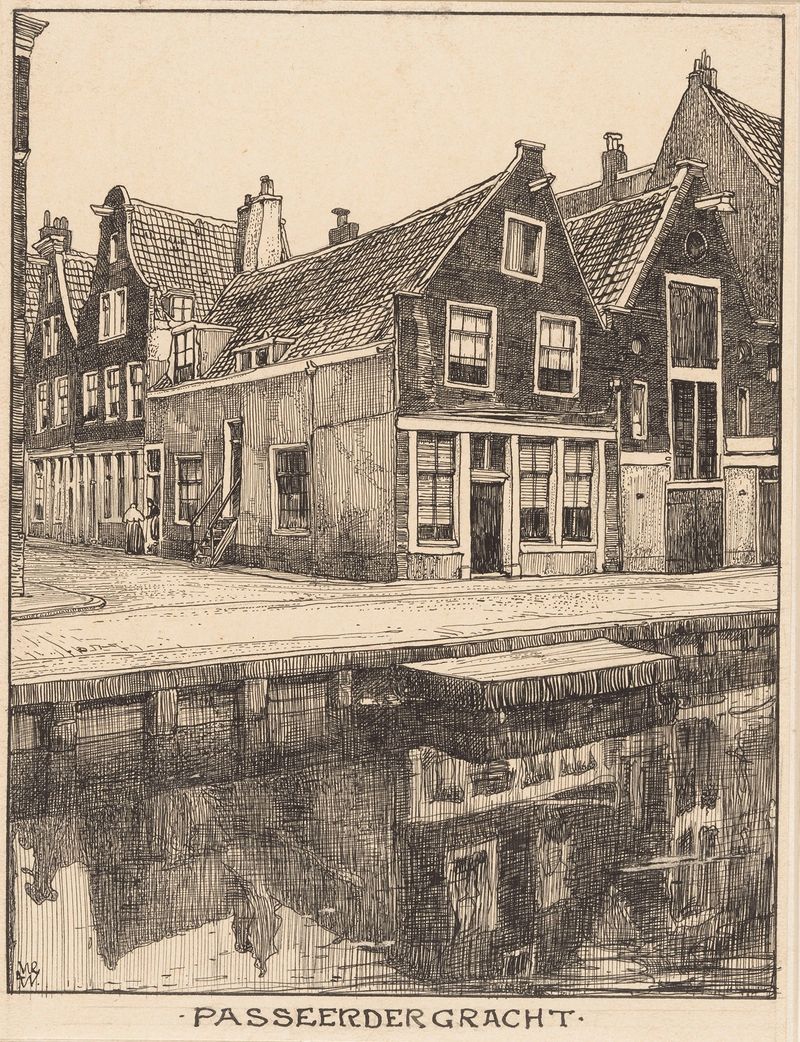
Passeerder Gracht te Amsterdam
Willem Wenckebach
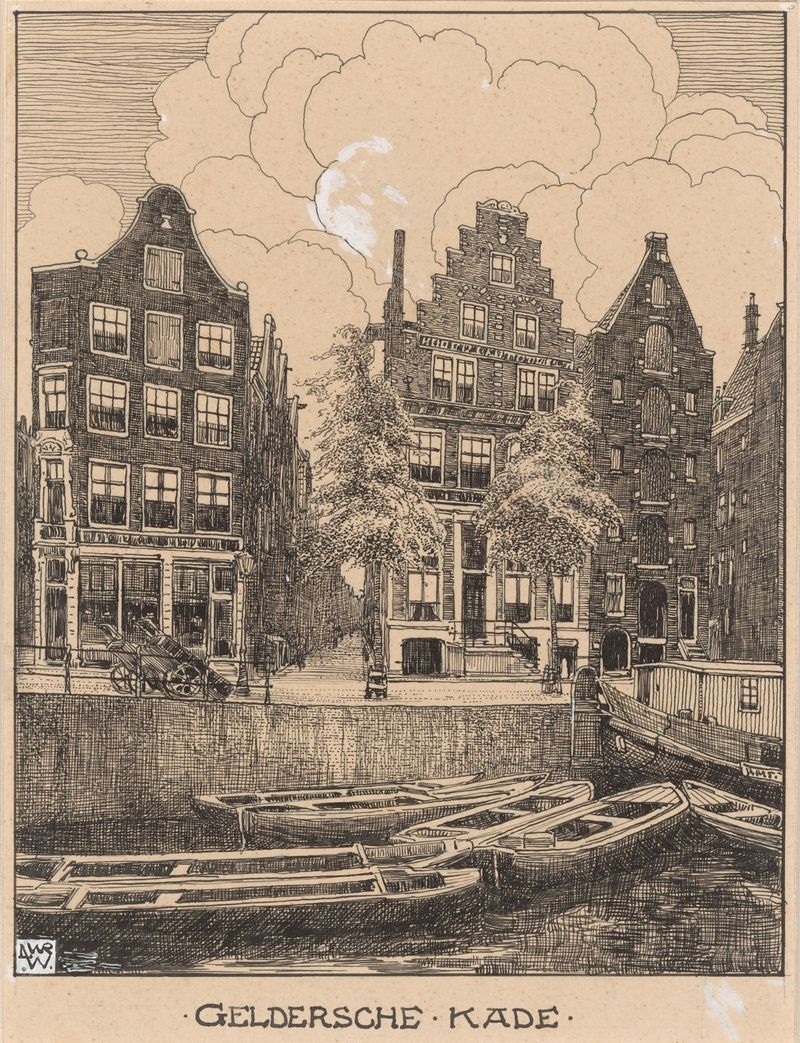
De Gelderse Kade te Amsterdam
Willem Wenckebach
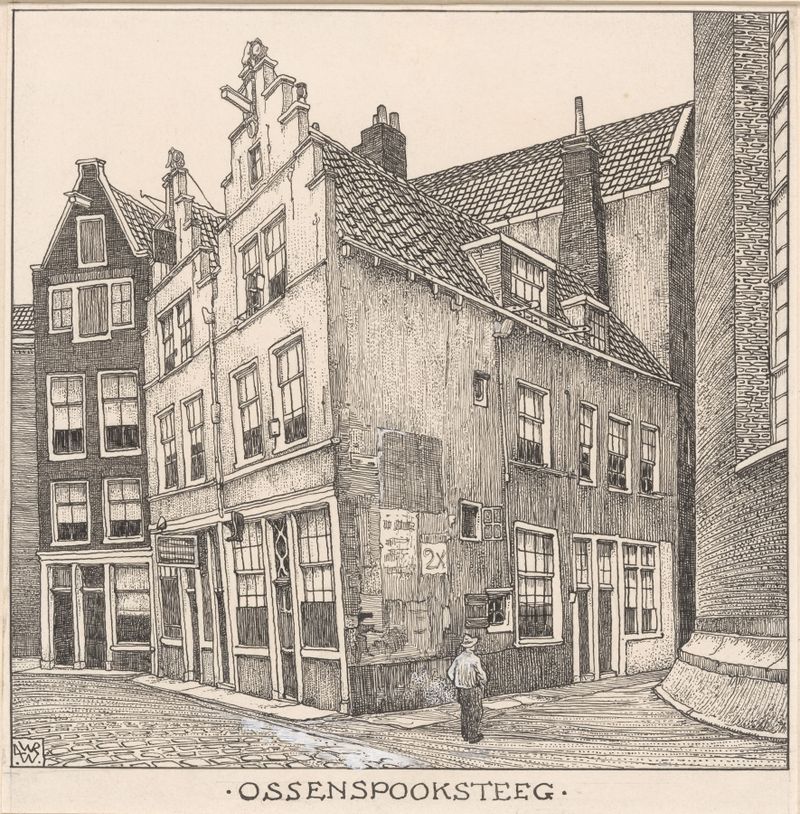
De Ossenspooksteeg te Amsterdam
Willem Wenckebach

Het Beurspleintje te Amsterdam
Willem Wenckebach
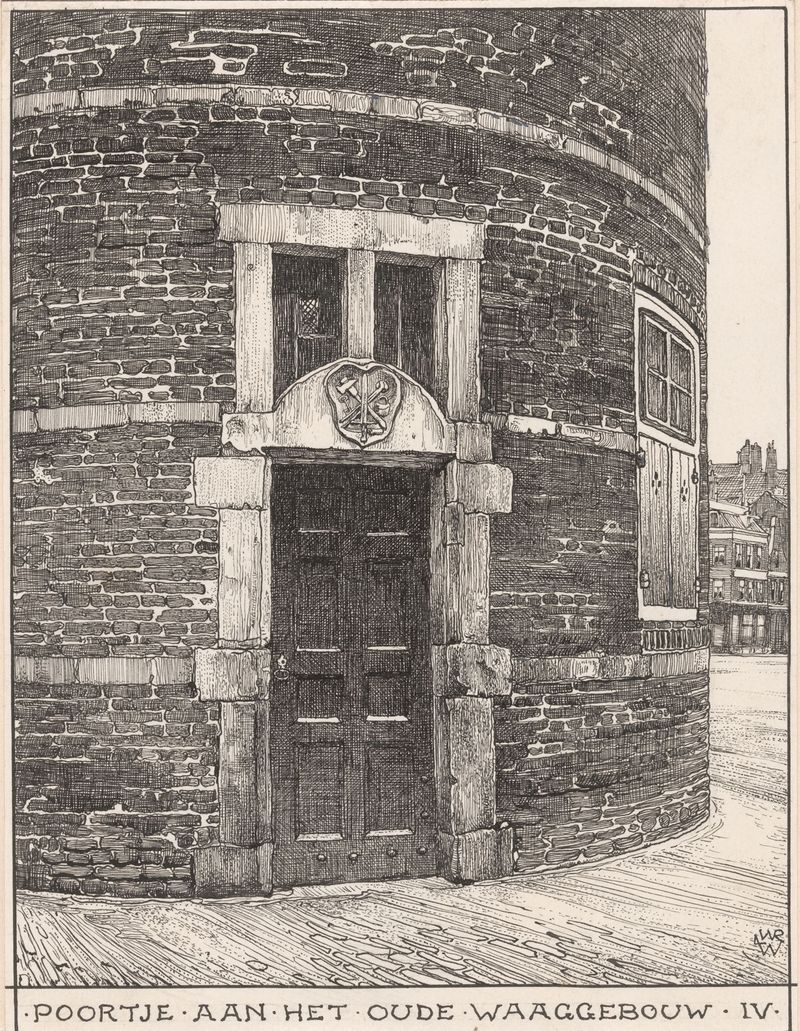
Poortje aan het oude Waaggebouw te Amsterdam
Willem Wenckebach

Torensluis te Amsterdam
Willem Wenckebach





