
Discover insights about this artwork
Diogenes Looking for an Honest Man — History & Facts
In Diogenes Looking for an Honest Man, Peter Paul Rubens presents a striking scene filled with rich colors. The painting features Diogenes, a philosopher, holding a lantern as he searches for an honest man in broad daylight. The background is lively, with figures and architecture that suggest a bustling city.
Rubens uses warm tones to create a sense of urgency and movement in the composition. The painting is executed in oil on canvas, a common medium for Rubens, allowing for vibrant colors and intricate details. The dimensions are approximately 120 x 160 cm, making it a substantial work that draws the viewer's attention. Rubens' characteristic brushwork is evident, with dynamic lines and textures that enhance the figures' expressions.
The composition is carefully arranged, guiding the viewer's eye through the scene. Created during the Baroque period, this painting reflects Rubens' interest in classical themes and human emotion. Diogenes, a figure from ancient philosophy, symbolizes the search for truth and integrity. An interesting fact about this work is that it combines humor and critique, as Diogenes' quest is both serious and absurd.
This duality is a hallmark of Rubens' style, blending the dramatic with the playful.
More Artworks by Peter Paul Rubens
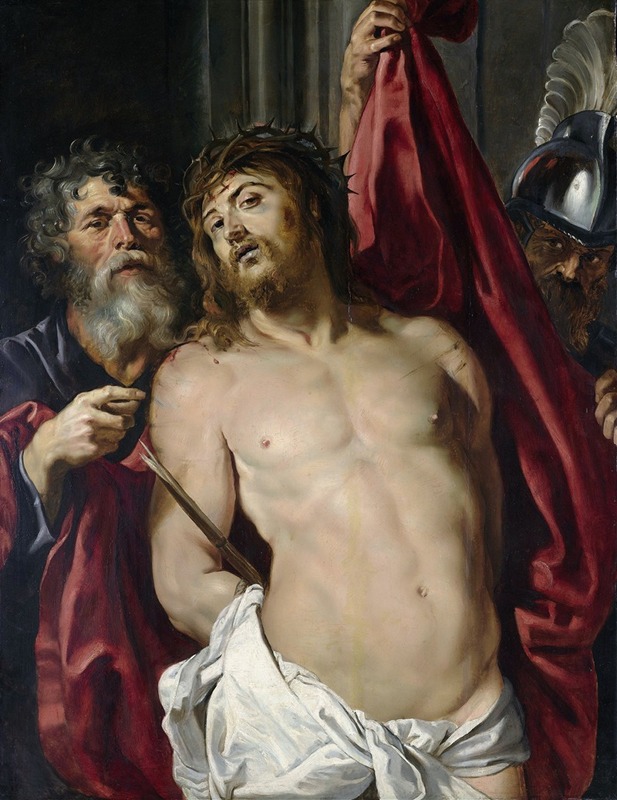
Ecce homo
Peter Paul Rubens
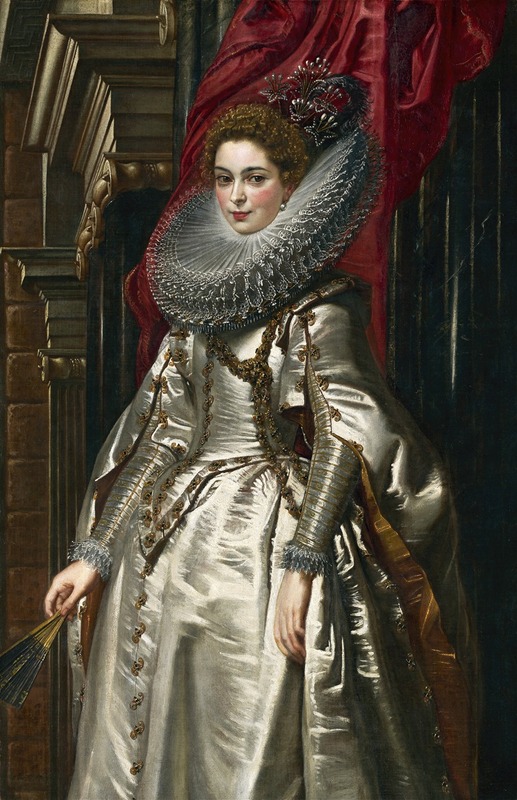
Marchesa Brigida Spinola Doria
Peter Paul Rubens
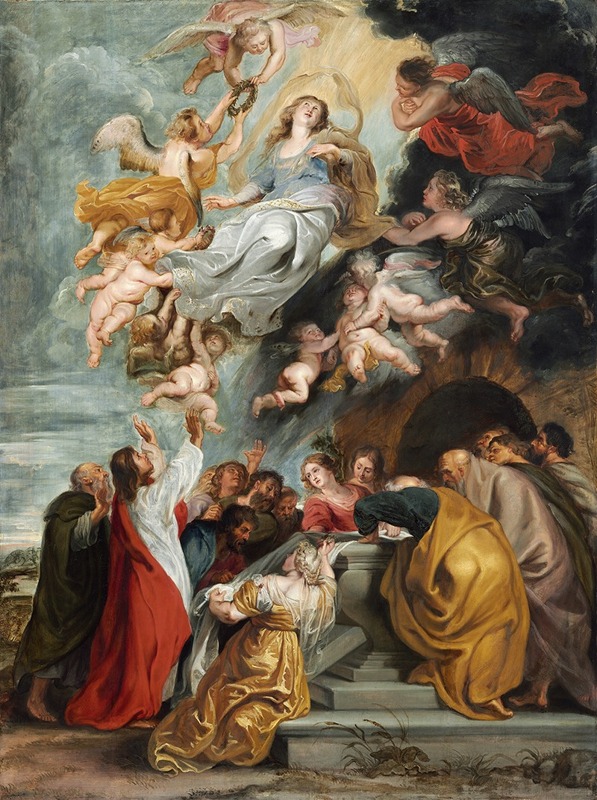
The Assumption of the Virgin
Peter Paul Rubens

Saint Teresa of Ávila Interceding for Souls in Purgatory
Peter Paul Rubens
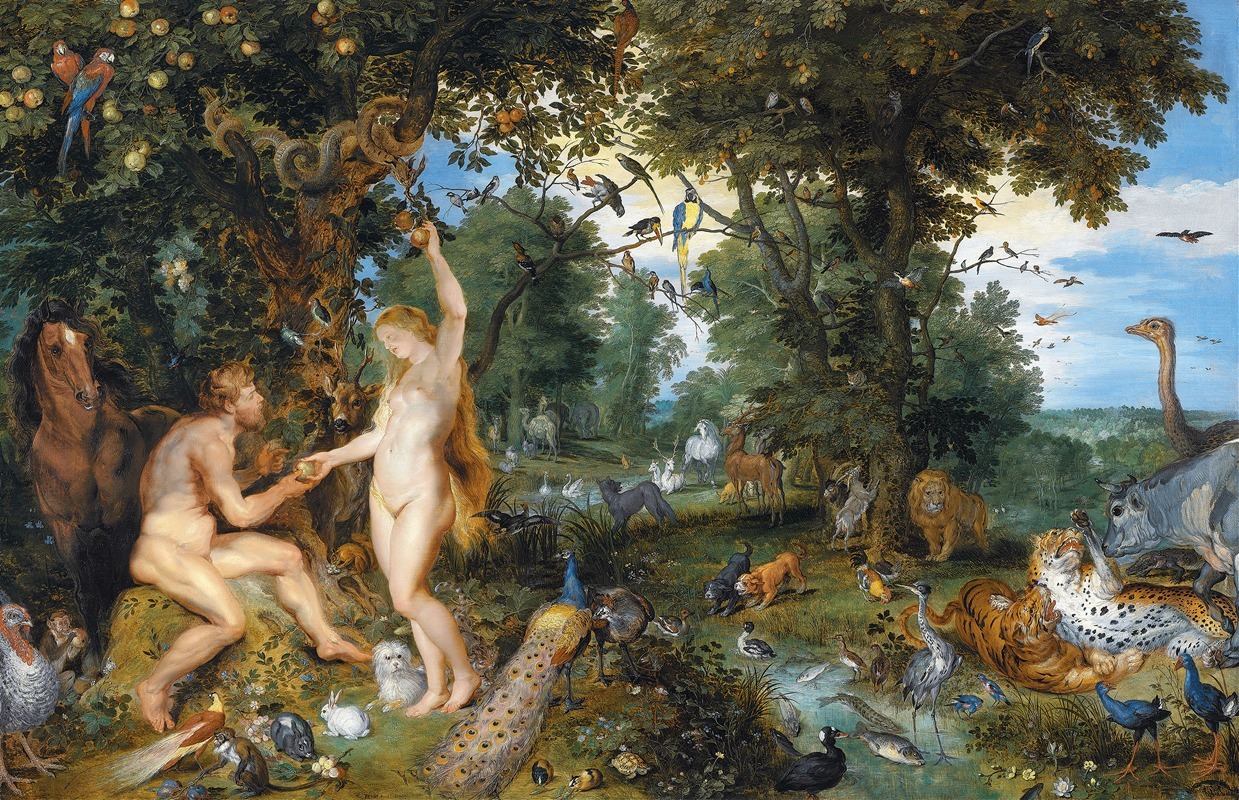
The Garden of Eden with the Fall of Man
Peter Paul Rubens
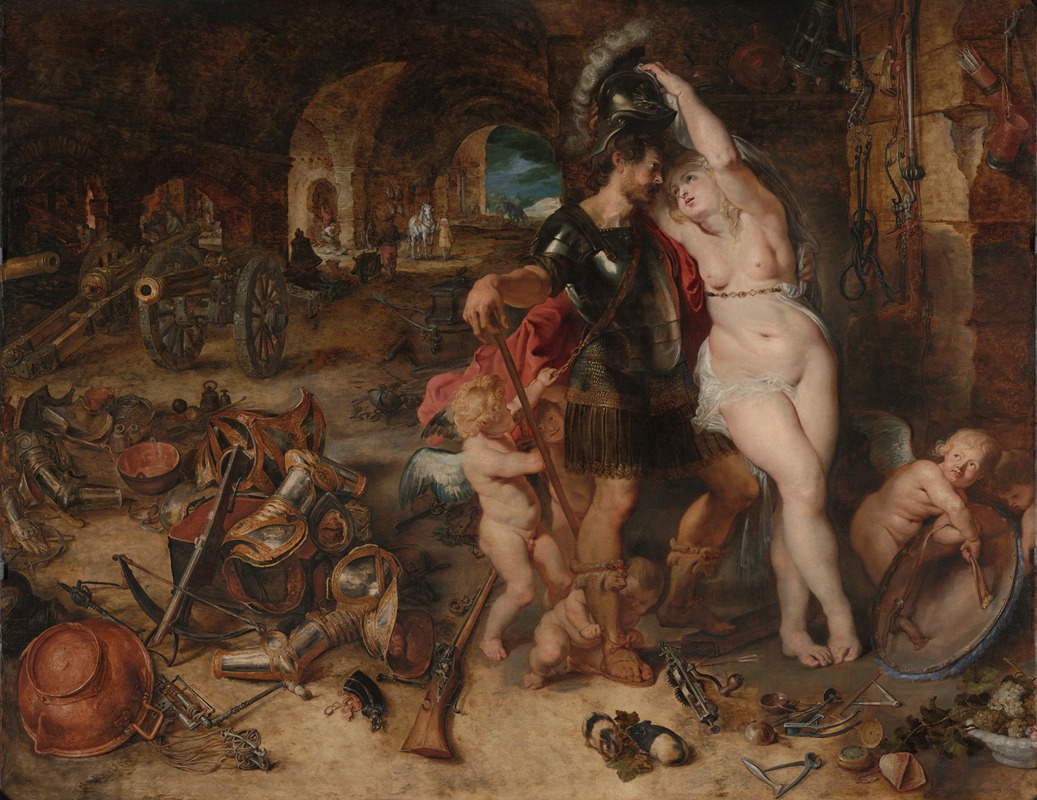
The Return From War,Mars Disarmed By Venus
Peter Paul Rubens
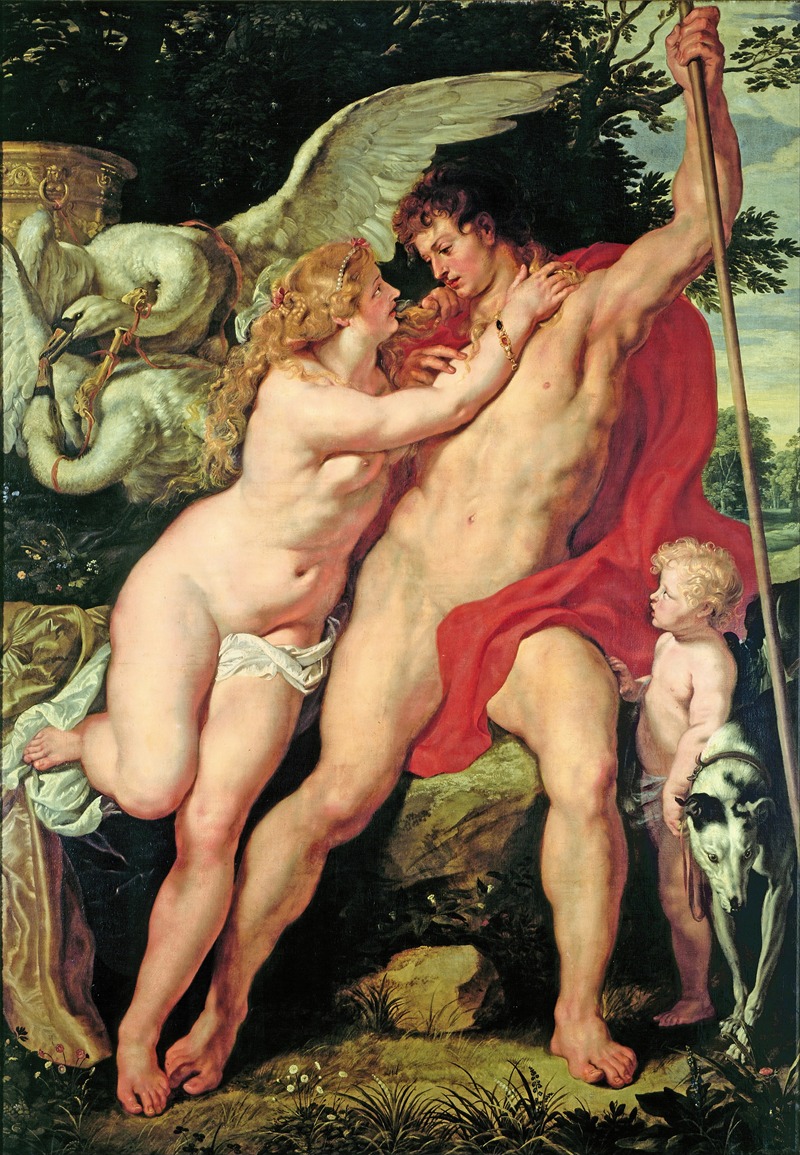
Venus and Adonis
Peter Paul Rubens
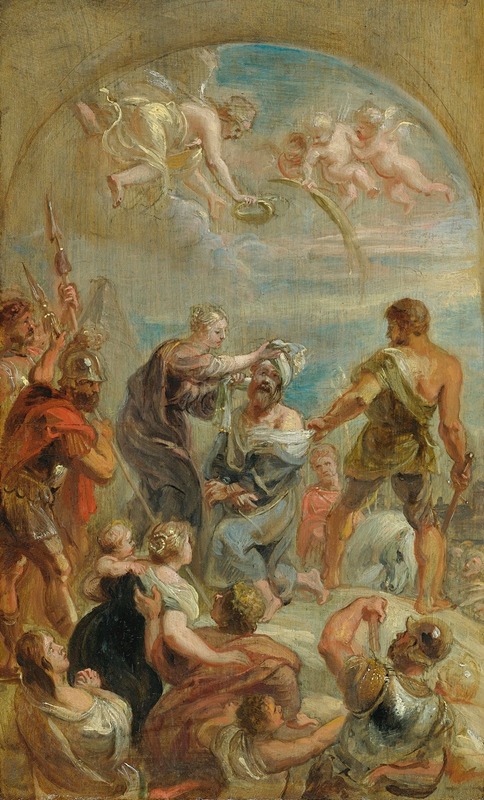
The Martyrdom Of Saint Paul
Peter Paul Rubens
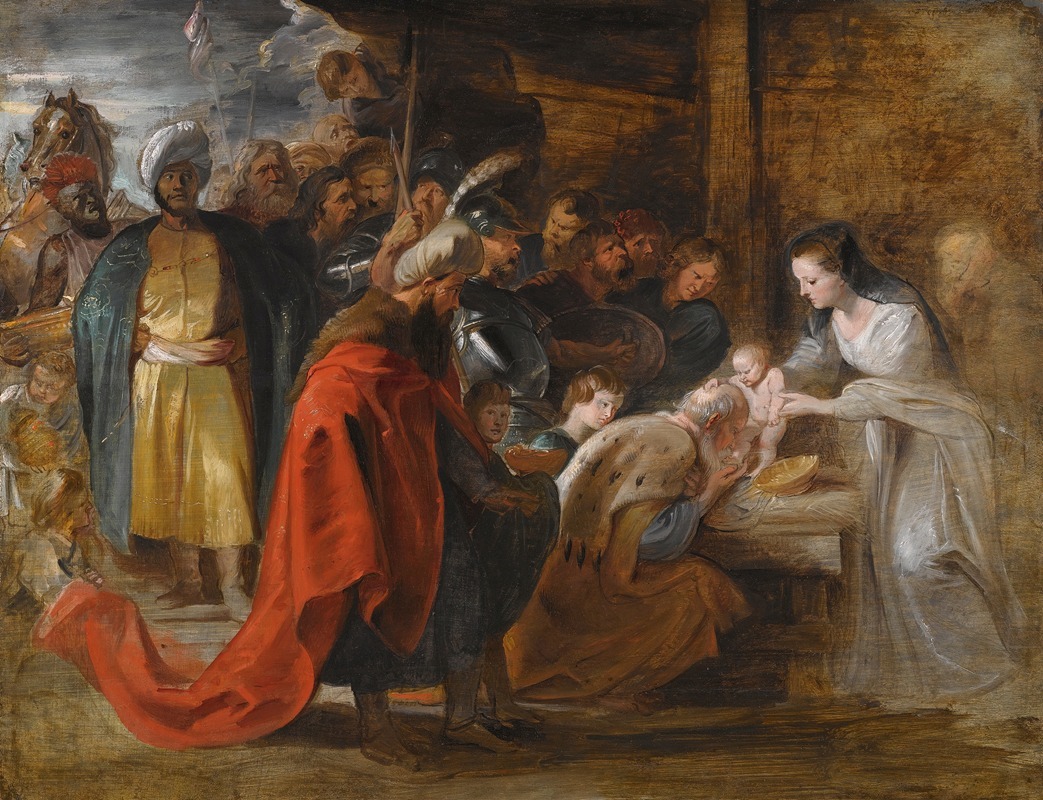
The Adoration Of The Magi
Peter Paul Rubens
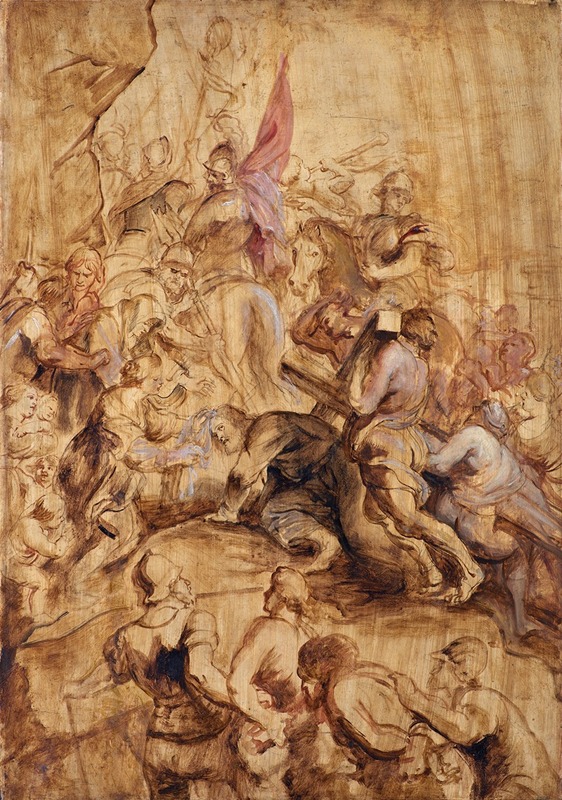
The Ascent to Calvary. The Bearing of the Cross
Peter Paul Rubens
More Allegory Art
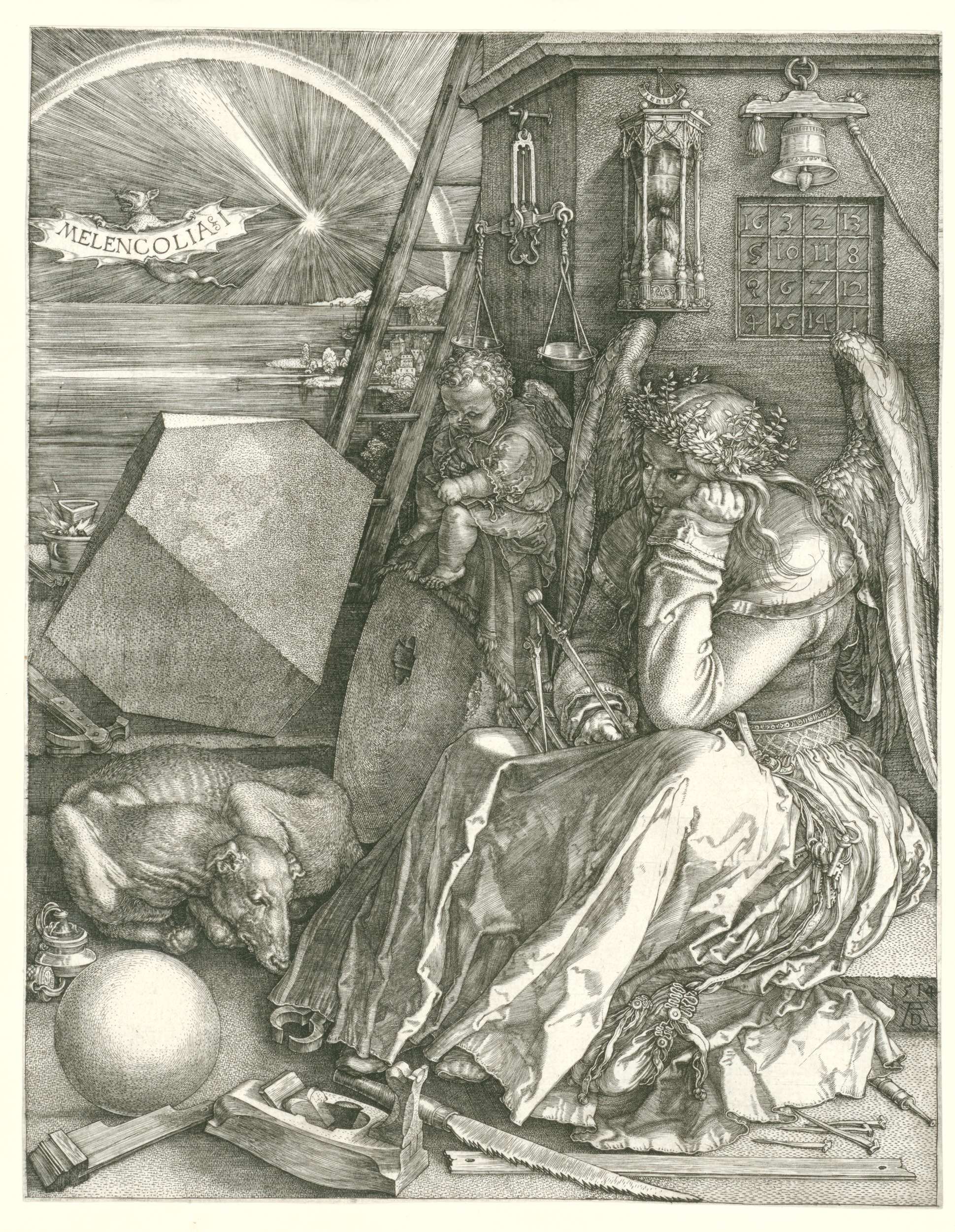
Melancholia
Albrecht Dürer
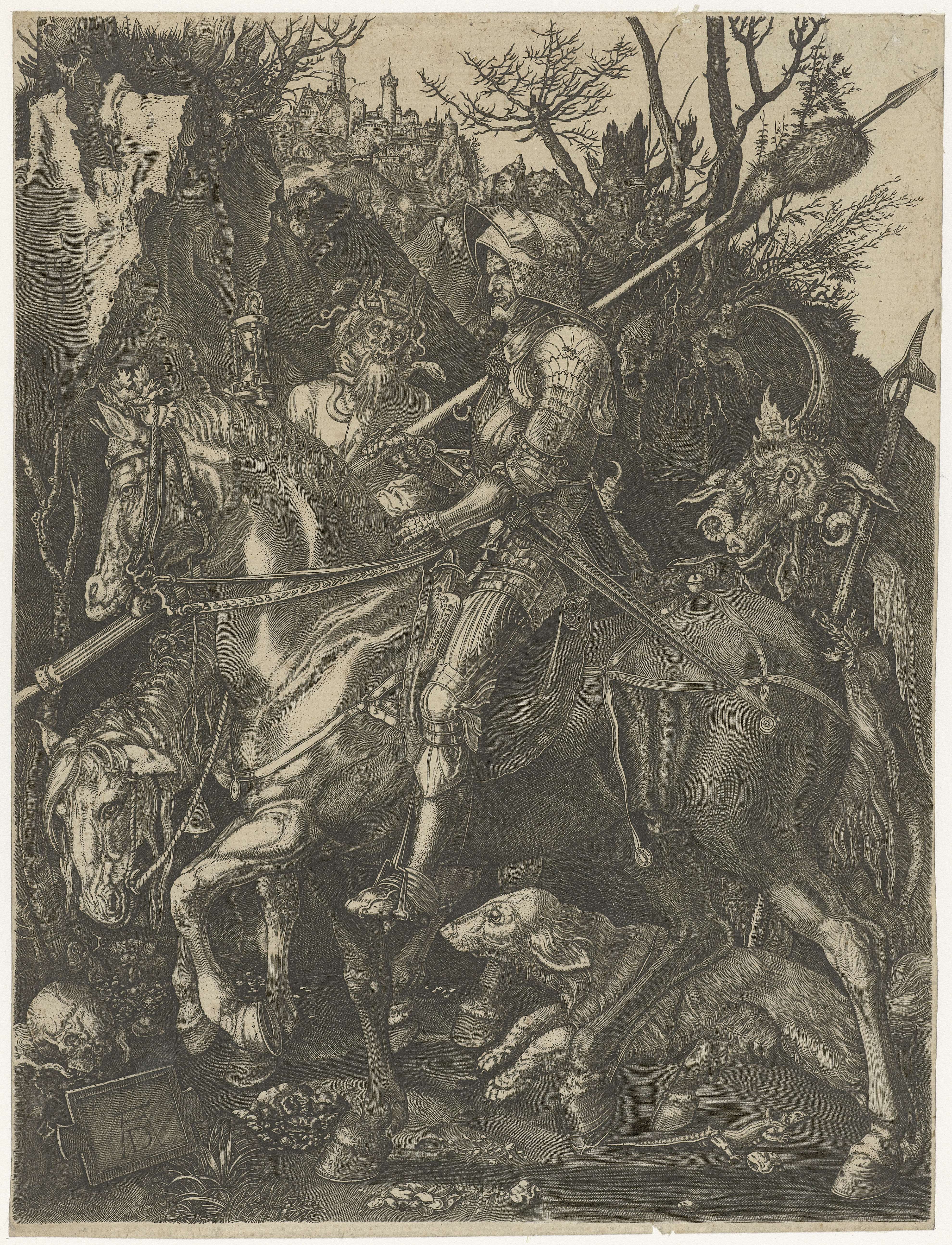
Ridder, Dood en Duivel
Unknown Artist
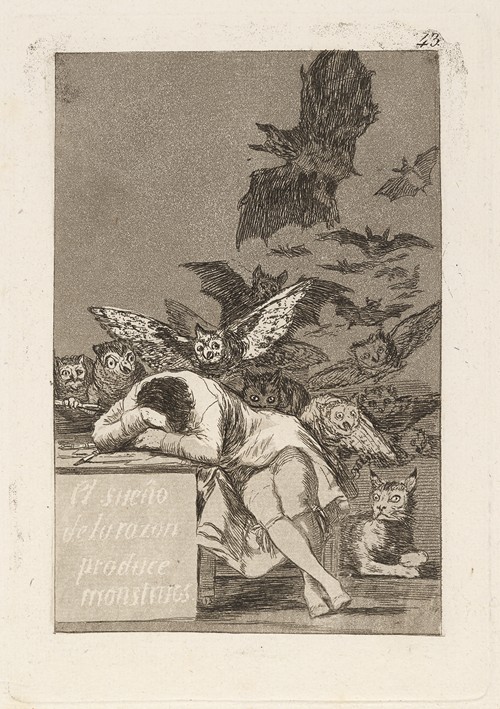
El sueño de la razon produce monstruos. (The sleep of reason produces monsters.)
Francisco de Goya
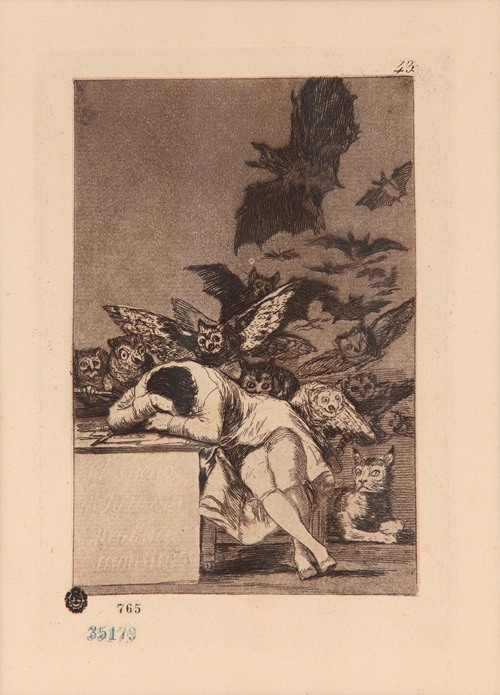
El sueño de la razon produce moustruos (Serie Caprichos)
Francisco de Goya
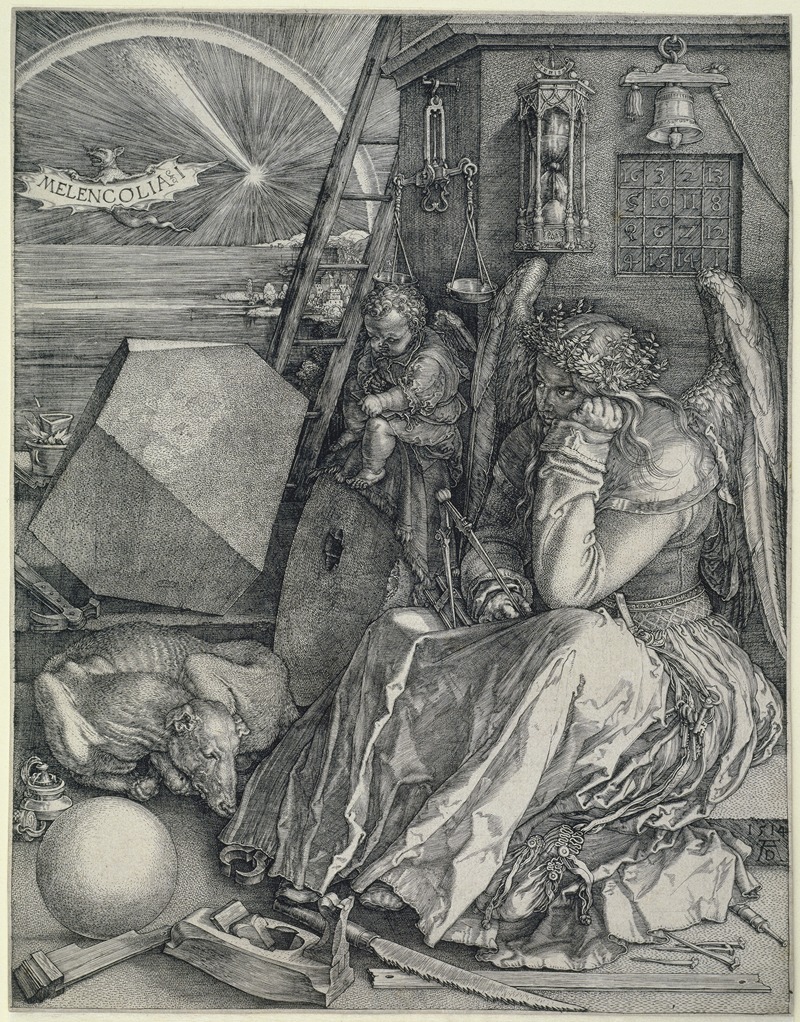
Melencolia I (The Melancholy)
Albrecht Dürer
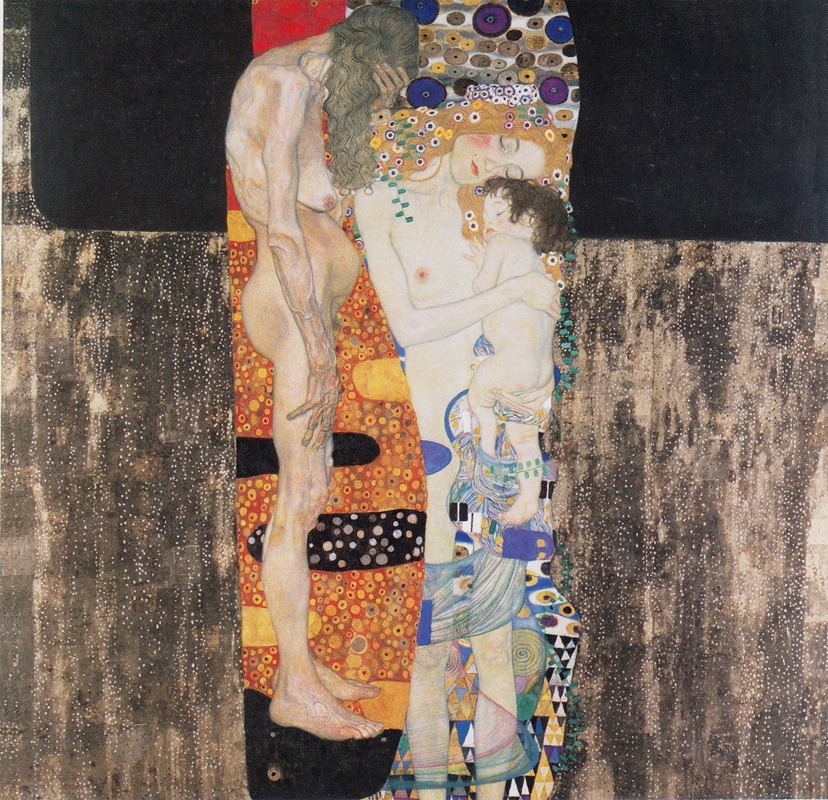
The Three Ages of the Woman
Gustav Klimt