
Dix Island — History & Facts
Could a single brushstroke hold eternity? In Dix Island, the essence of divinity unfolds across the canvas, inviting us into a tranquil yet profound contemplation of nature’s beauty. Look to the left at the vibrant greenery, where Haskell's deft brushwork captures the lush foliage in vivid greens that dance with light. Notice how the shoreline unfolds gracefully in soft blues and whites, hinting at the gentle caress of the water. The horizon, a delicate blending of sky and sea, evokes a sense of serenity that invites the eye to roam freely.
Each stroke seems deliberate, a meditation on the interplay of color and form, creating a landscape that feels both familiar and ethereal. Delve deeper into the layers of this artwork, where contrasts emerge—a harmonious balance between the vibrant earth and the tranquil, almost spiritual light above. The hidden details, like the subtle ripples in the water and the whisper of the wind through the trees, evoke a sense of timelessness and reflection. This sacred space suggests that nature is not merely a backdrop but a living entity, infusing the scene with a divine presence that resonates beyond the physical. Ernest Haskell painted Dix Island in 1923, during a period of personal exploration and artistic evolution.
Living in Maine, he found inspiration in the natural beauty surrounding him, as well as in the broader context of American Impressionism. At this time, art was becoming more expressive, and Haskell’s work reflects the growing movement that sought to capture the spirit of place and the sublime experience of nature.
More Artworks by Ernest Haskell
Browse all →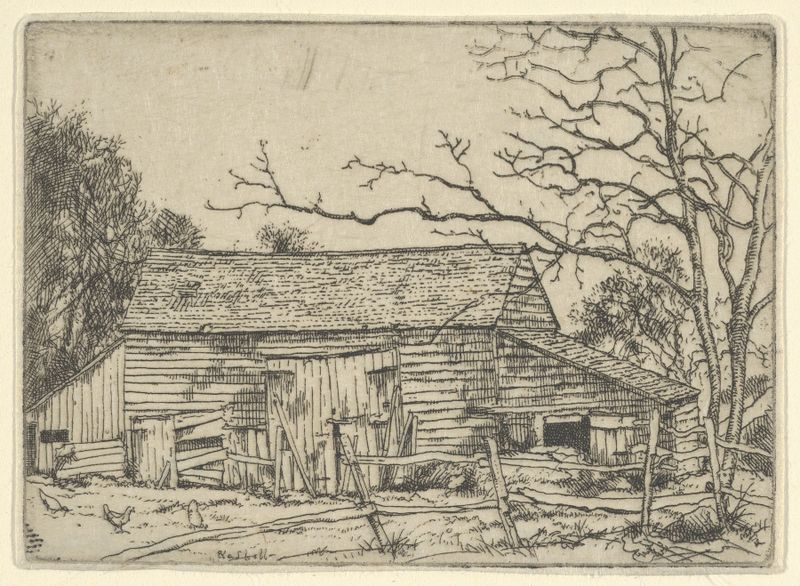
The Barn–Staten Island, N.Y.
Ernest Haskell

Four Live Oaks
Ernest Haskell
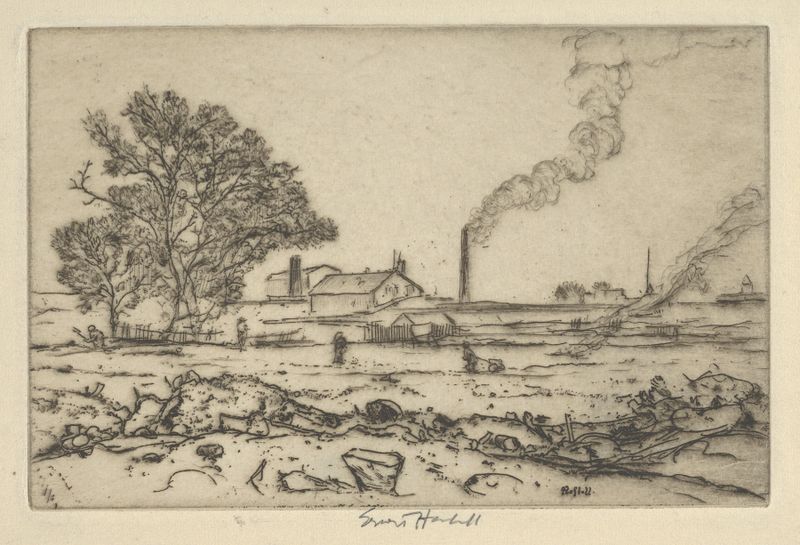
Outskirts of Boston
Ernest Haskell
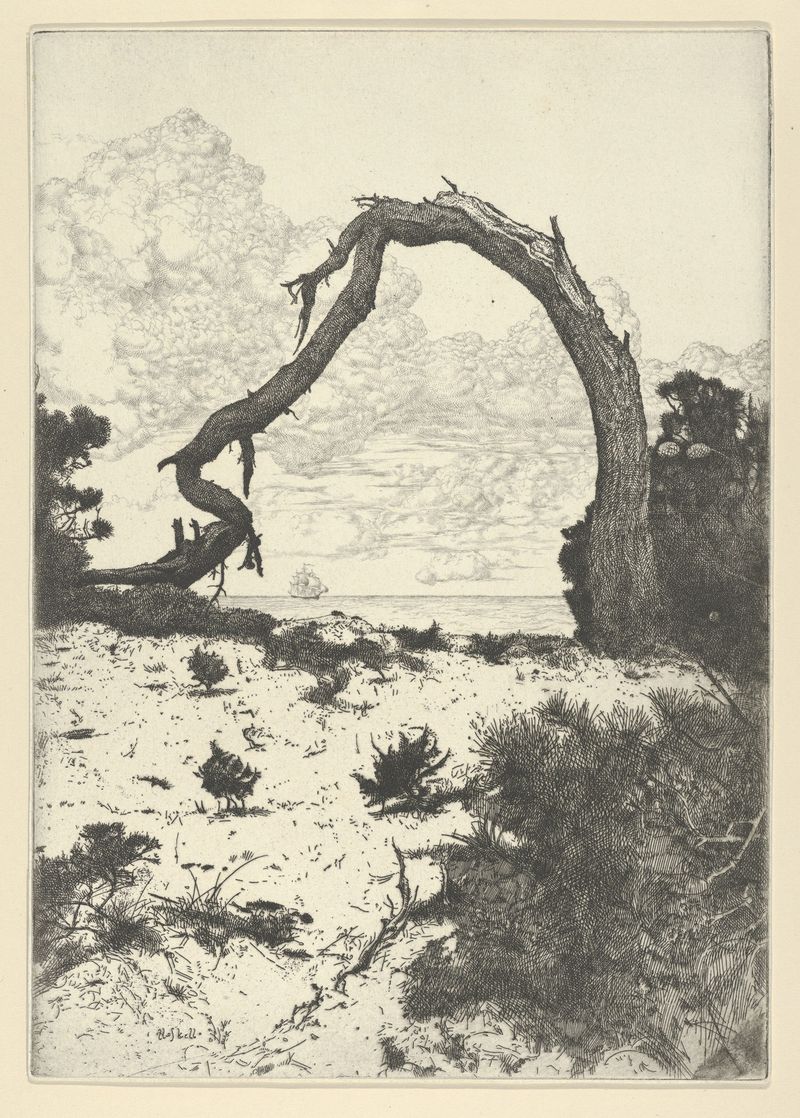
Pine Arch
Ernest Haskell

General Sherman
Ernest Haskell
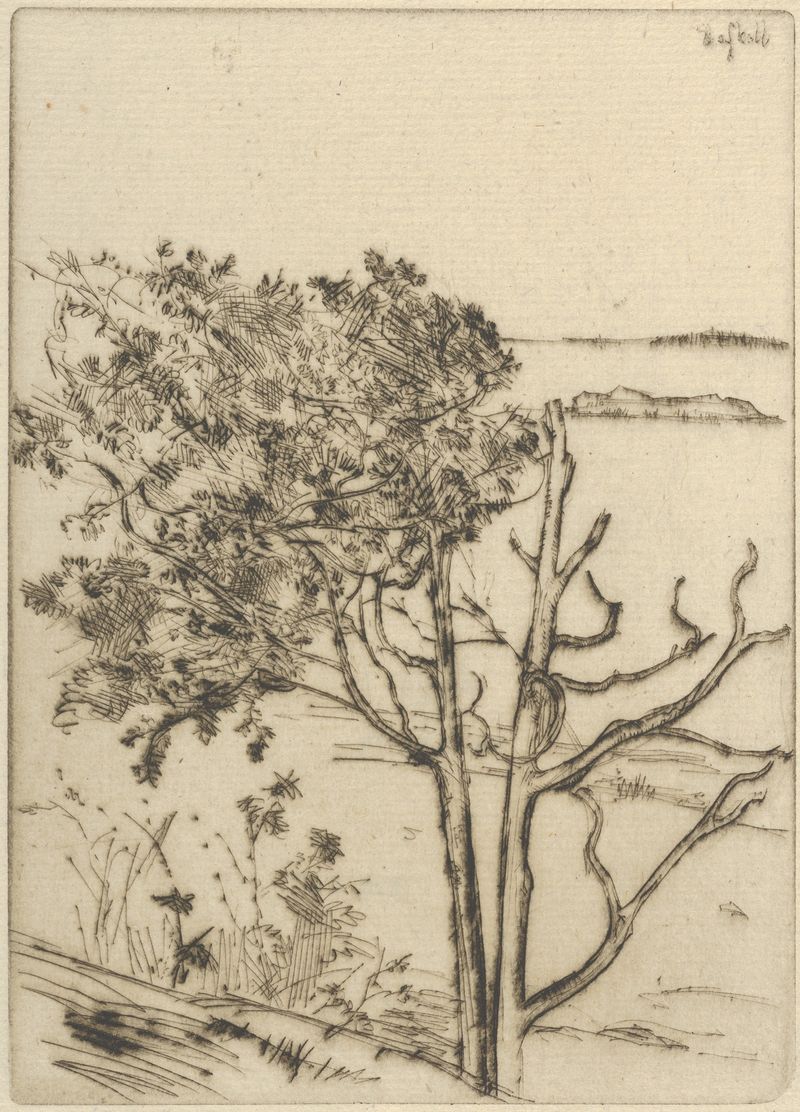
Ragged Tree – Maine
Ernest Haskell

Tide Mill
Ernest Haskell

Ship Building
Ernest Haskell
To the Southward – Ragged Island, Me.
Ernest Haskell
Long Island Marshes
Ernest Haskell





