Djulö — History & Facts
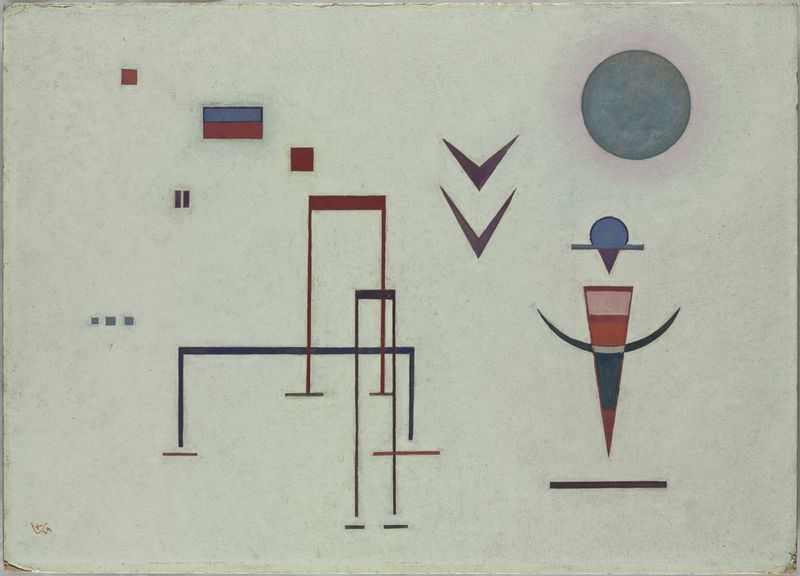
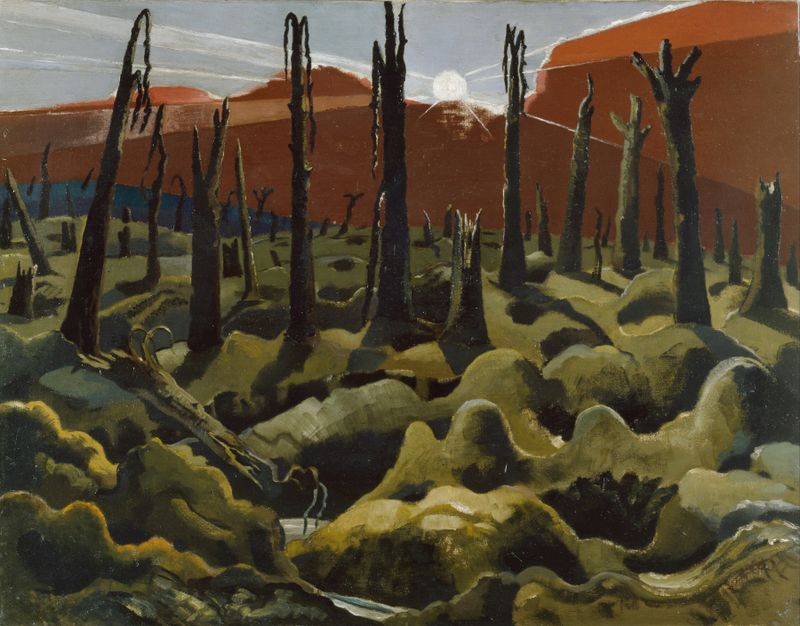
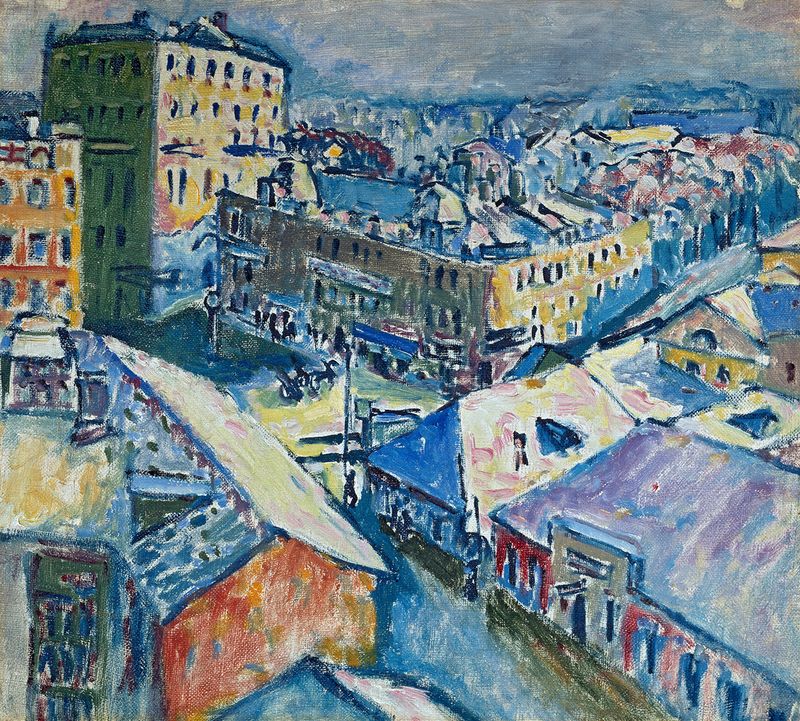
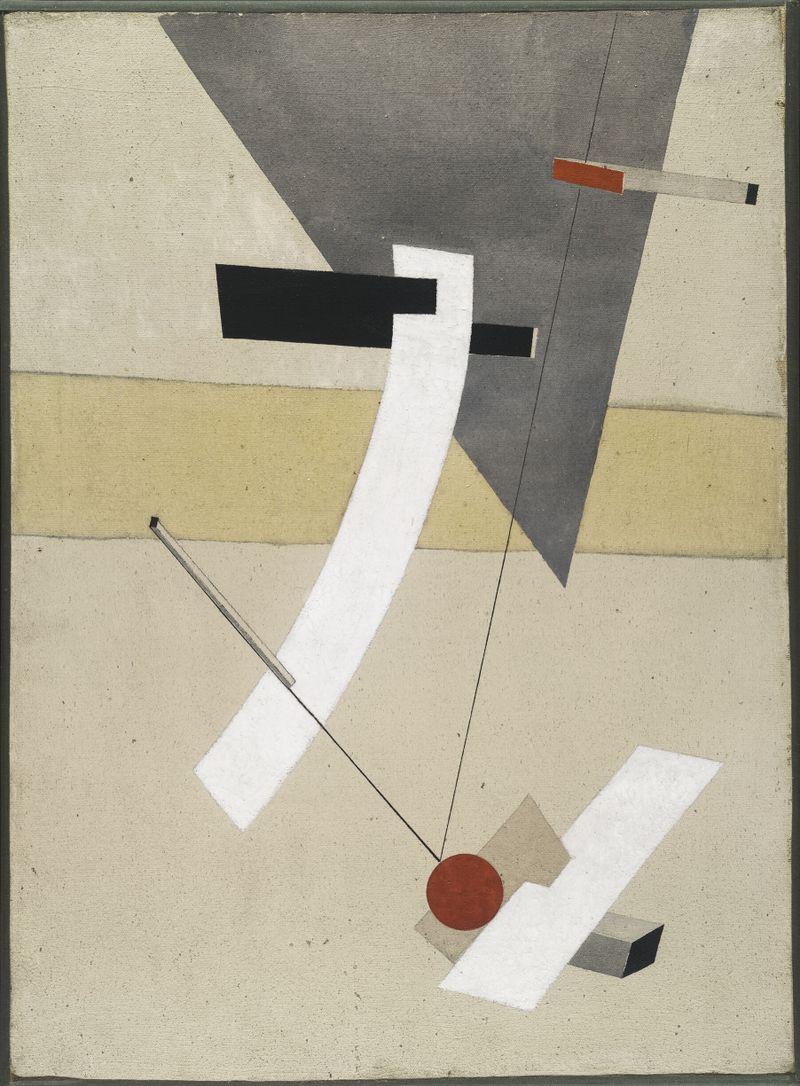
Where does light end, and longing begin? In the delicate interplay of luminance and shadow, Djulö invites us into a realm where rebirth unfolds through the brilliance of color and form. Here, the essence of transformation is imbued in every brushstroke, whispering tales of renewal and hope. Look to the center of the canvas, where vibrant hues of turquoise and gold collide, creating a radiant focal point that draws the eye. The composition is masterfully balanced; organic shapes evoke a sense of growth, while the swirling patterns suggest movement, as if the light itself is in motion.
The soft gradations of color not only enhance the depth but also evoke a gentle warmth, contrasting with the cooler tones that encircle them, creating a tension between stillness and vitality. Delving deeper, we find that this work encapsulates the duality of existence. The juxtaposition of light against dark symbolizes the eternal dance of despair and hope, while the organic motifs hint at nature's resilience. The artwork pulsates with energy, suggesting that even amidst chaos, beauty persists.
Each detail—a flicker of light, a curve of form—reinforces the notion that rebirth is a constant cycle, marked by both struggle and triumph. Created between 1915 and 1924 during a period of significant upheaval in Europe, this piece reflects Ferdinand Boberg's engagement with modernist themes. Living in Sweden, he navigated a world reshaping itself in the aftermath of the Great War. Amidst this backdrop of transformation, he infused his work with a profound sense of introspection, capturing the zeitgeist of a society yearning for renewal and connection.
More Artworks by Ferdinand Boberg
Browse all →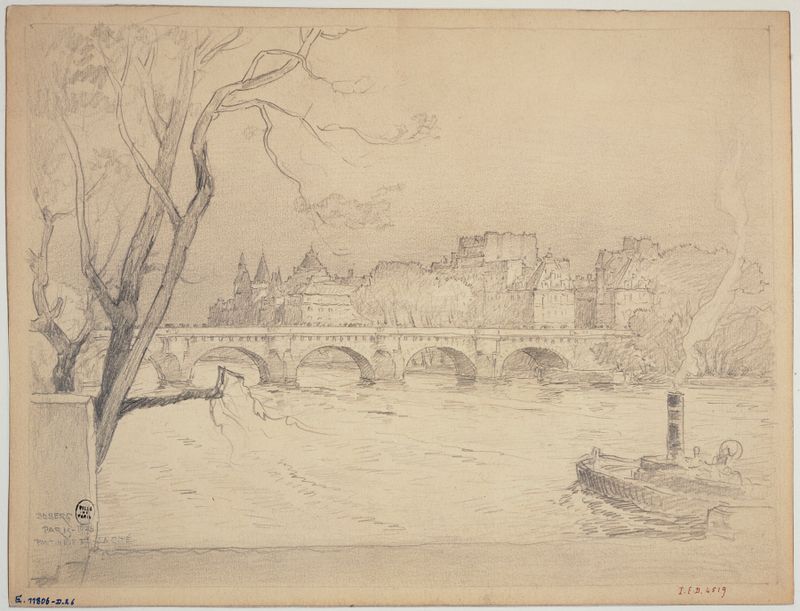
Le Pont-Neuf et la Cité
Ferdinand Boberg
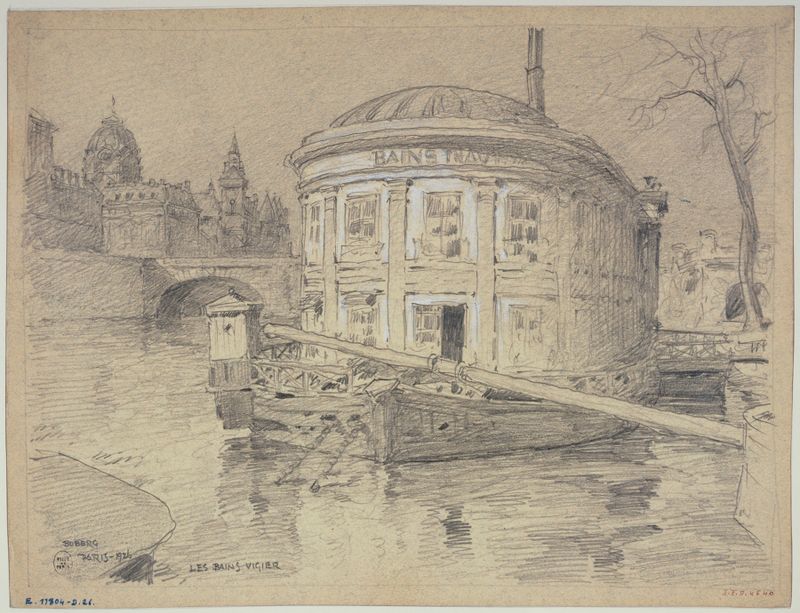
Les bains Vigier au Pont-Neuf
Ferdinand Boberg
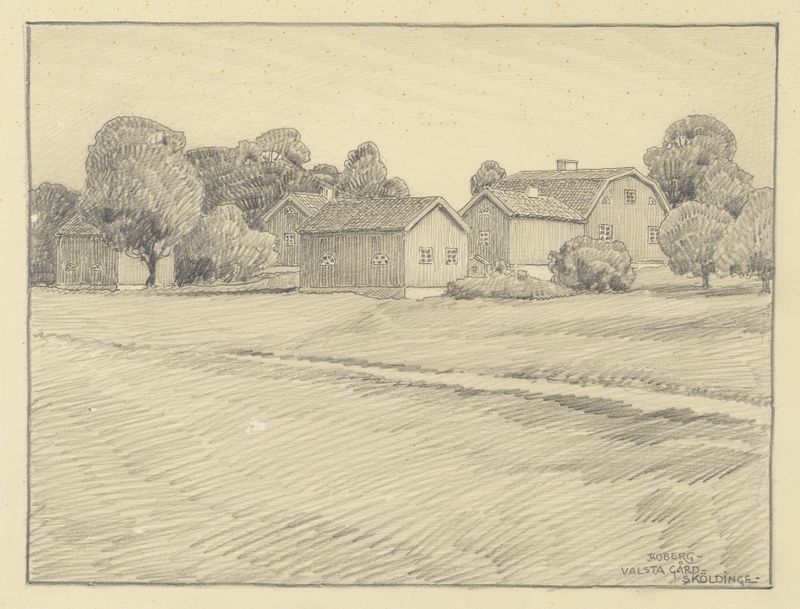
Valsta Gård
Ferdinand Boberg
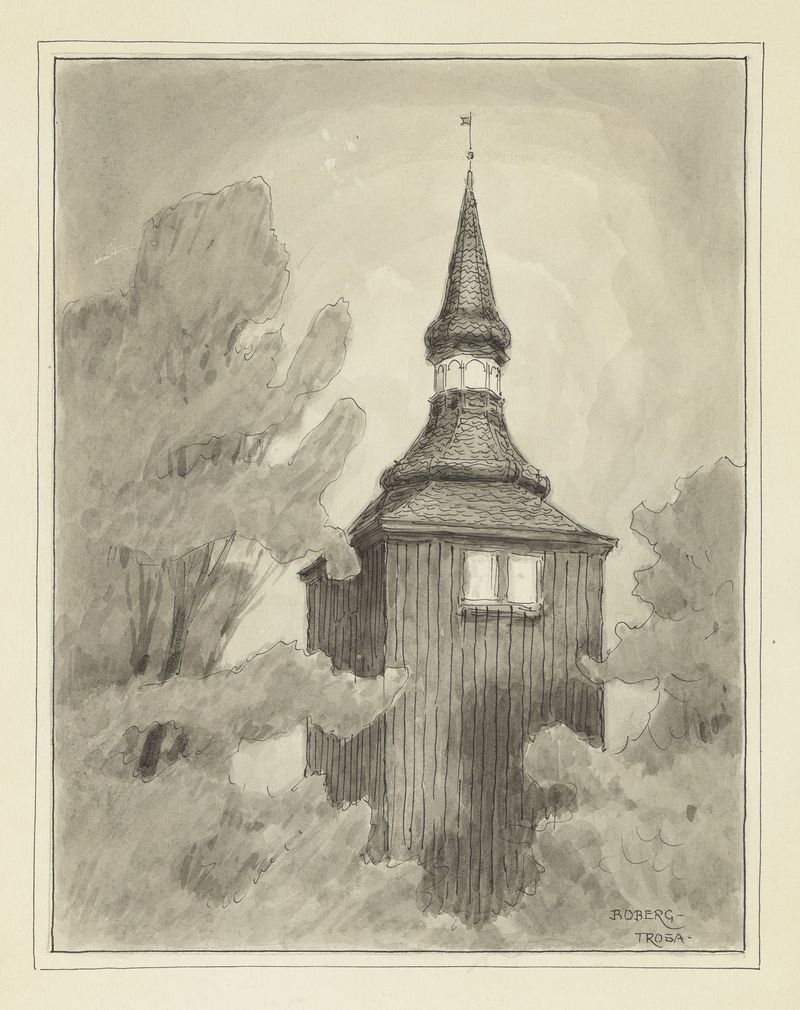
Trosa
Ferdinand Boberg
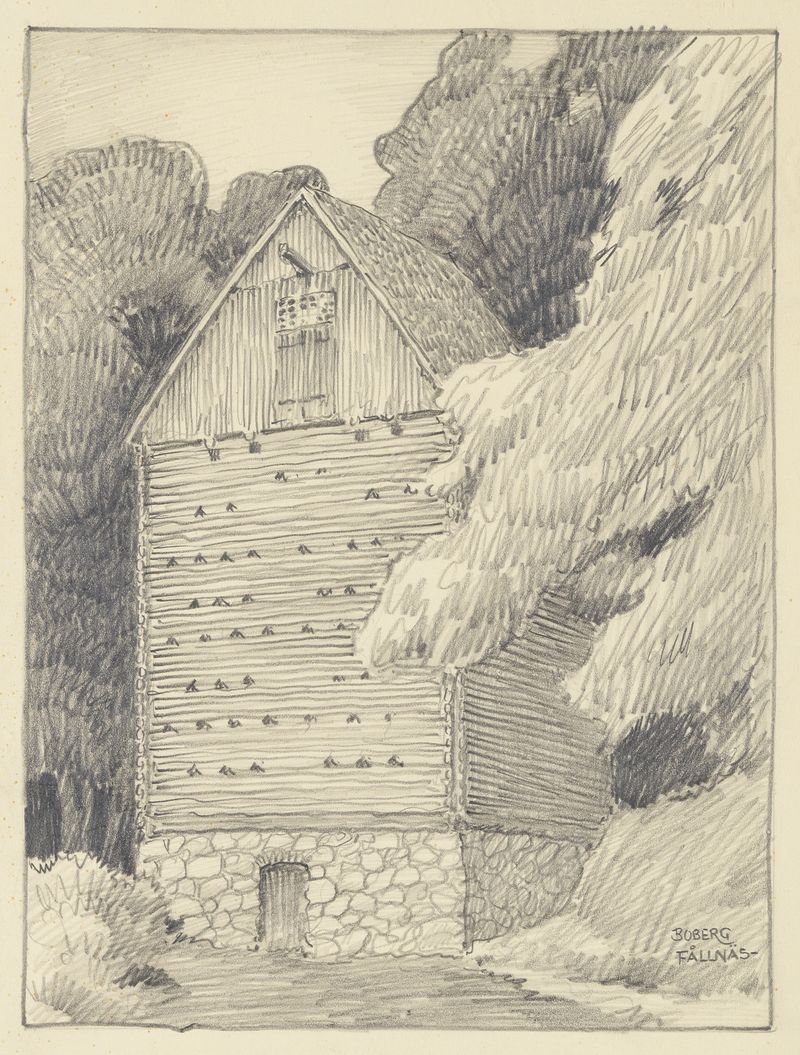
Fållnäs
Ferdinand Boberg
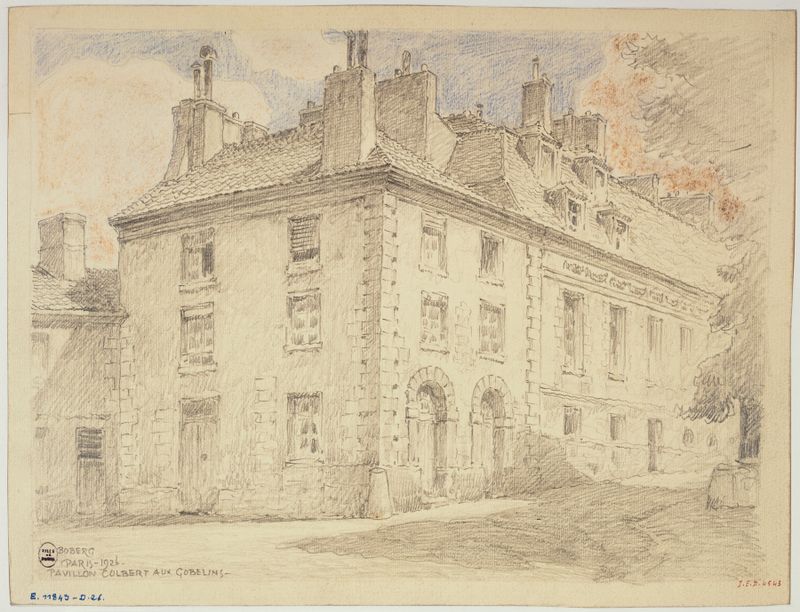
Le pavillon Colbert aux Gobelins
Ferdinand Boberg
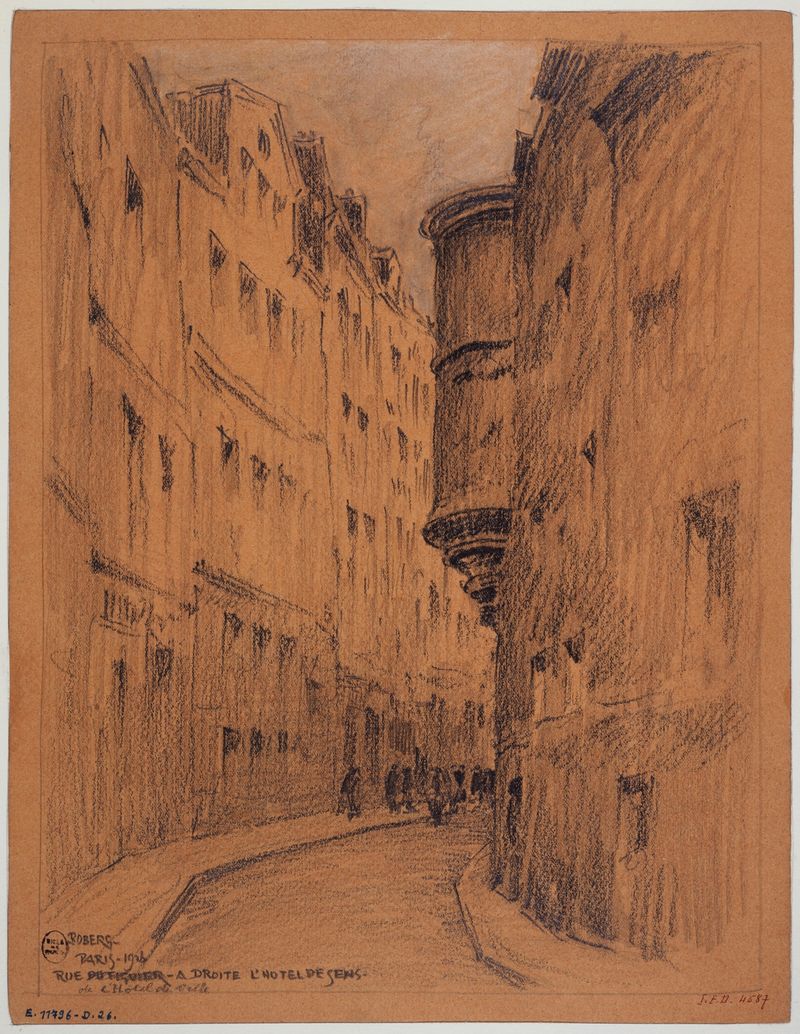
Rue de l’Hôtel de Ville; l’hôtel de Sens
Ferdinand Boberg
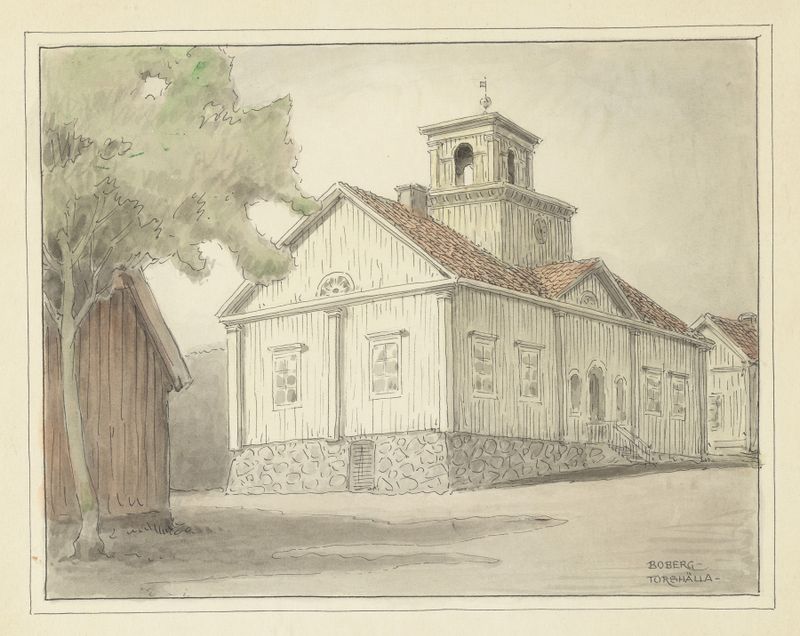
Torshälla
Ferdinand Boberg
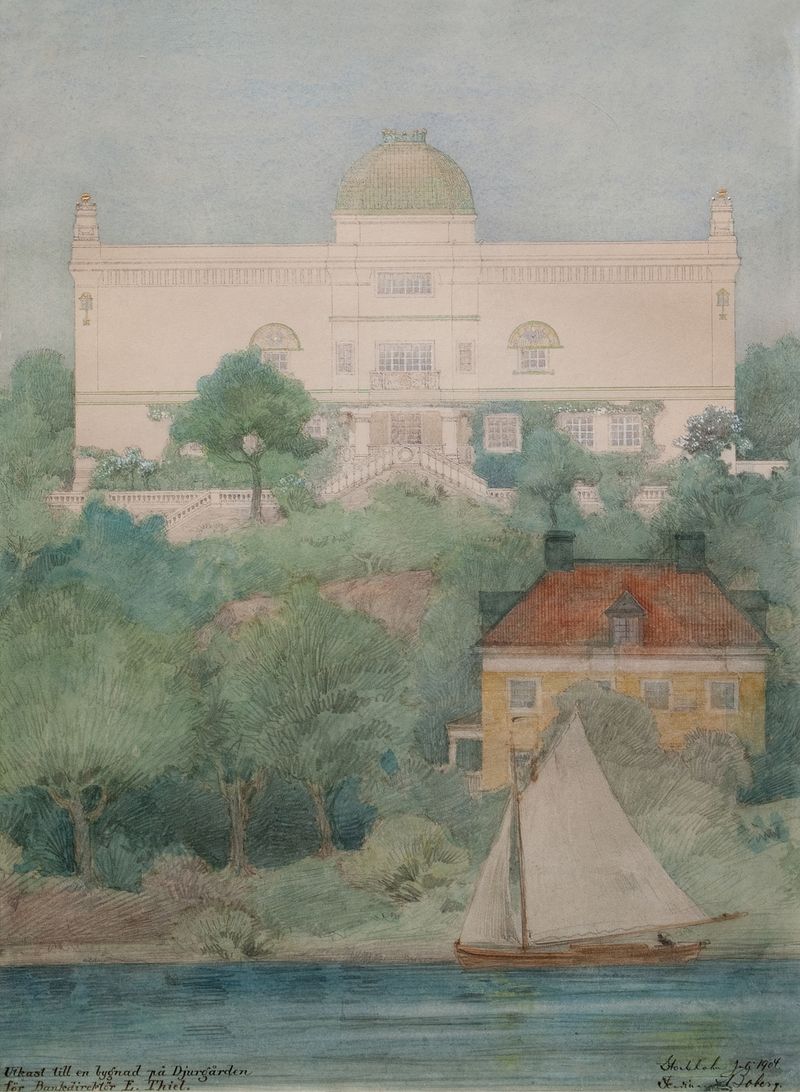
Sketch for a building for Thiel’s Gallery
Ferdinand Boberg
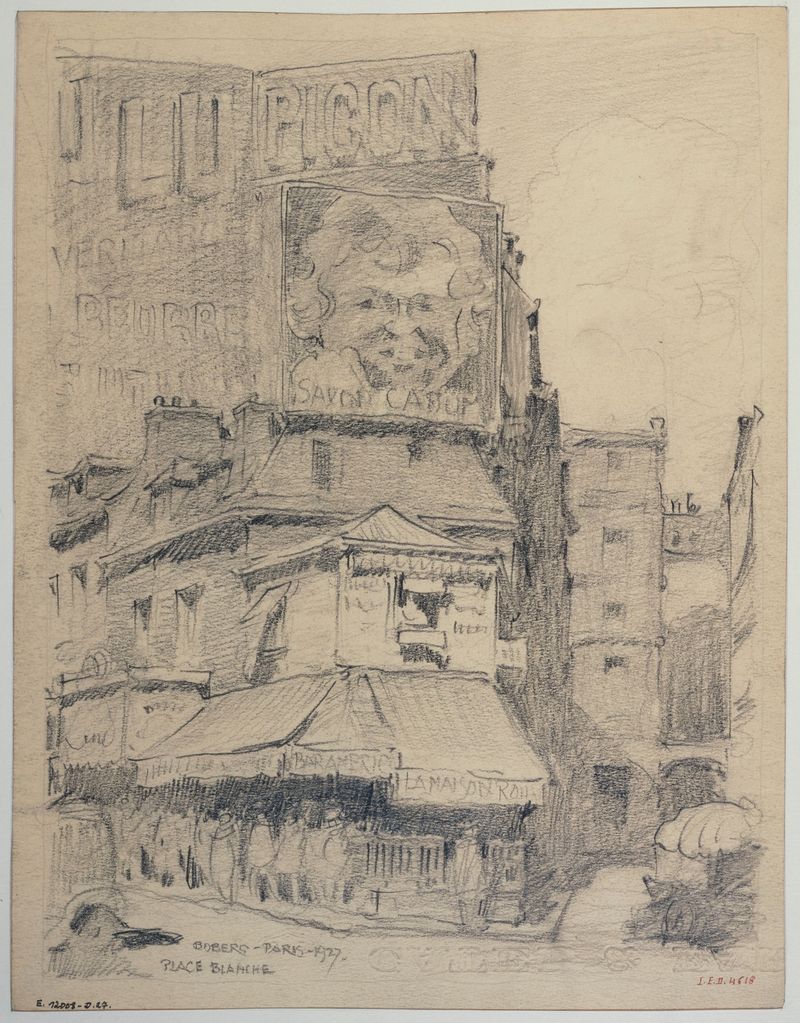
La place Blanche
Ferdinand Boberg