
Démolition le long du boulevard Haussmann près du grand magasin Le Printemps — History & Facts
The act of demolition, often seen as brutal, transforms into a delicate balance of power and fragility in this striking work. Look to the center, where the towering edifices of Paris loom against the vibrant sky, their forms silhouetted yet softened by the hues of dusk. Notice how the rubble spills across the foreground, chaotic yet composed, with each piece of stone capturing a fleeting glance of light. The palette evokes a sense of vitality despite the destruction, with warm ochres and cool blues dancing together, creating an unexpected harmony amidst the discord. Hidden within the chaos lies a testament to progress and its inevitable cost.
The contrast between the sturdy structures and the fragmented remains speaks of an era in transition, a moment where the past yields to the future with both reluctance and necessity. Each brushstroke encapsulates not just the physical act of tearing down but also the emotional weight of change, hinting at the stories that once thrived within those walls. Ferdinand Boberg created this work between 1900 and 1925, a period marked by rapid urban transformation in Paris. As the city embraced modernity, Boberg witnessed the tension between innovation and heritage firsthand.
His engagement with the shifting landscape reflects not only his artistic evolution but also the broader movements in art, where the lines between realism and abstraction began to converge, mirroring society's own struggle for balance.
More Artworks by Ferdinand Boberg
Browse all →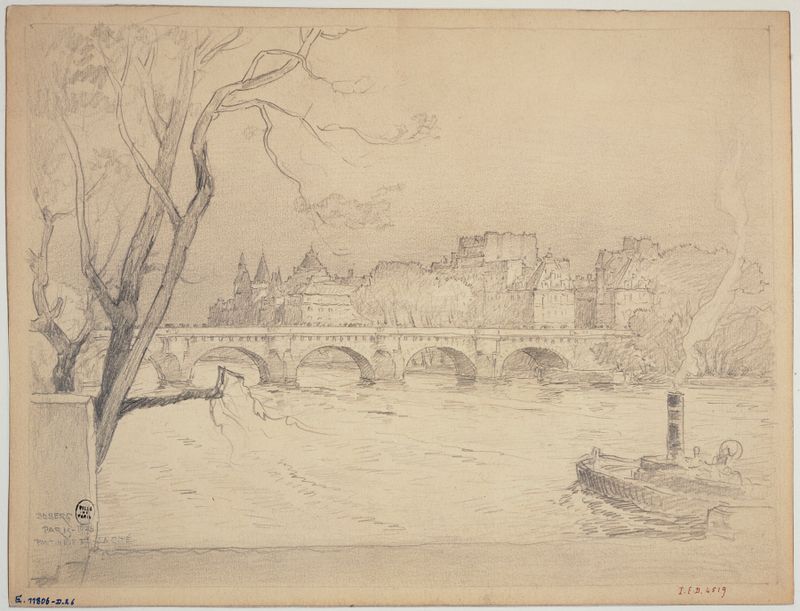
Le Pont-Neuf et la Cité
Ferdinand Boberg
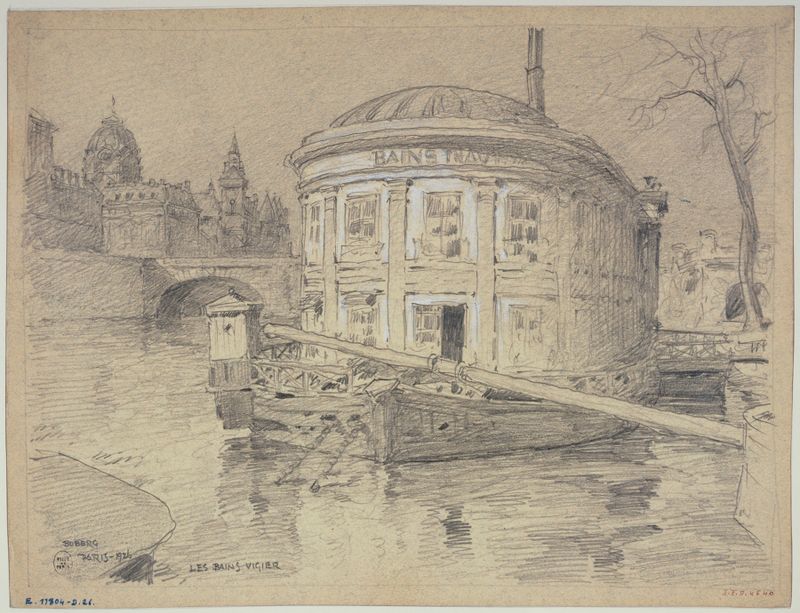
Les bains Vigier au Pont-Neuf
Ferdinand Boberg
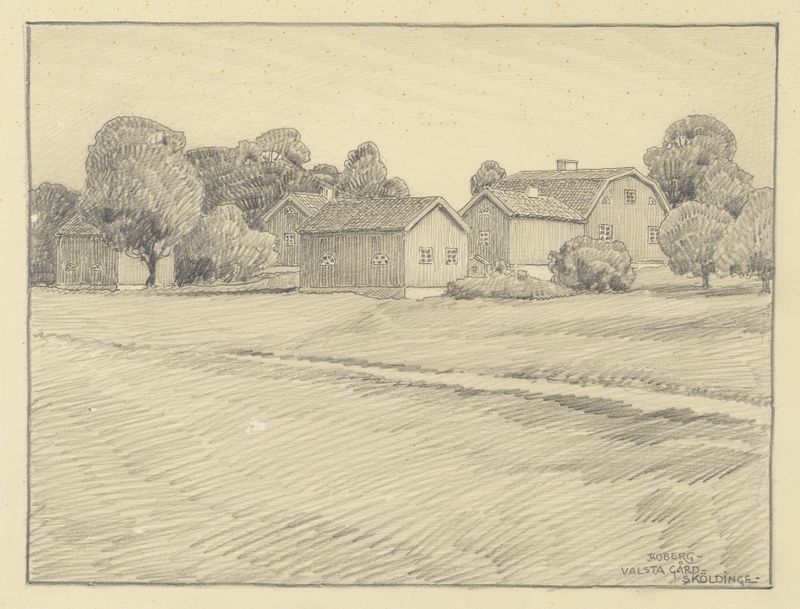
Valsta Gård
Ferdinand Boberg
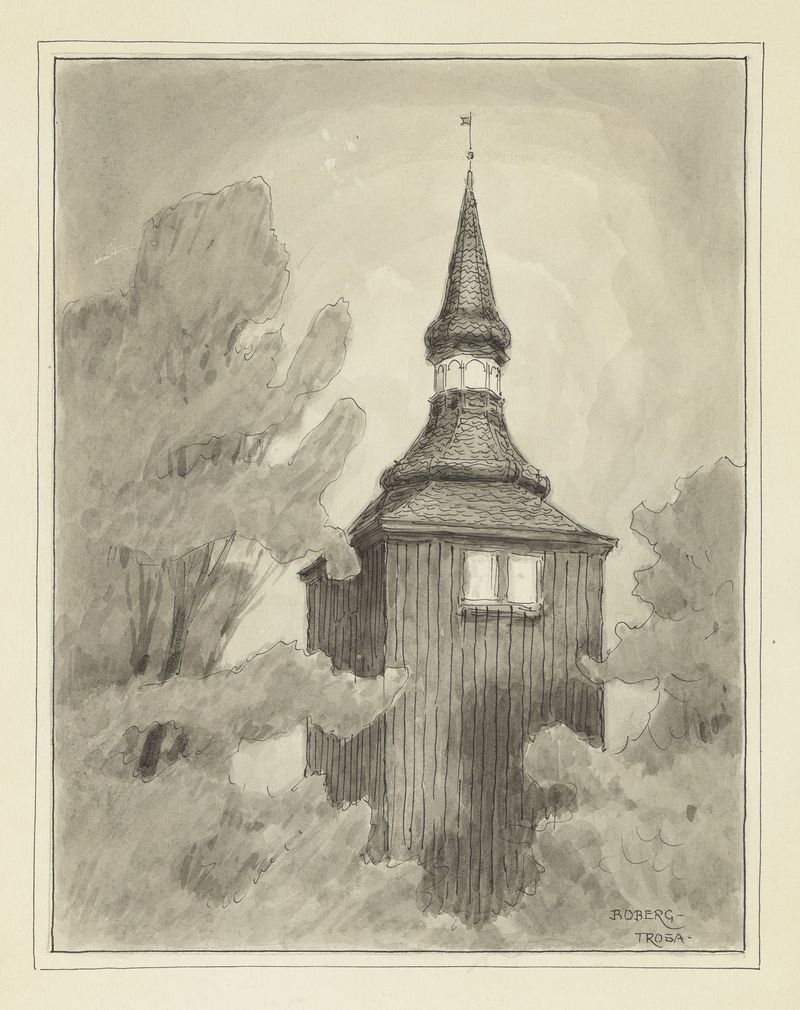
Trosa
Ferdinand Boberg
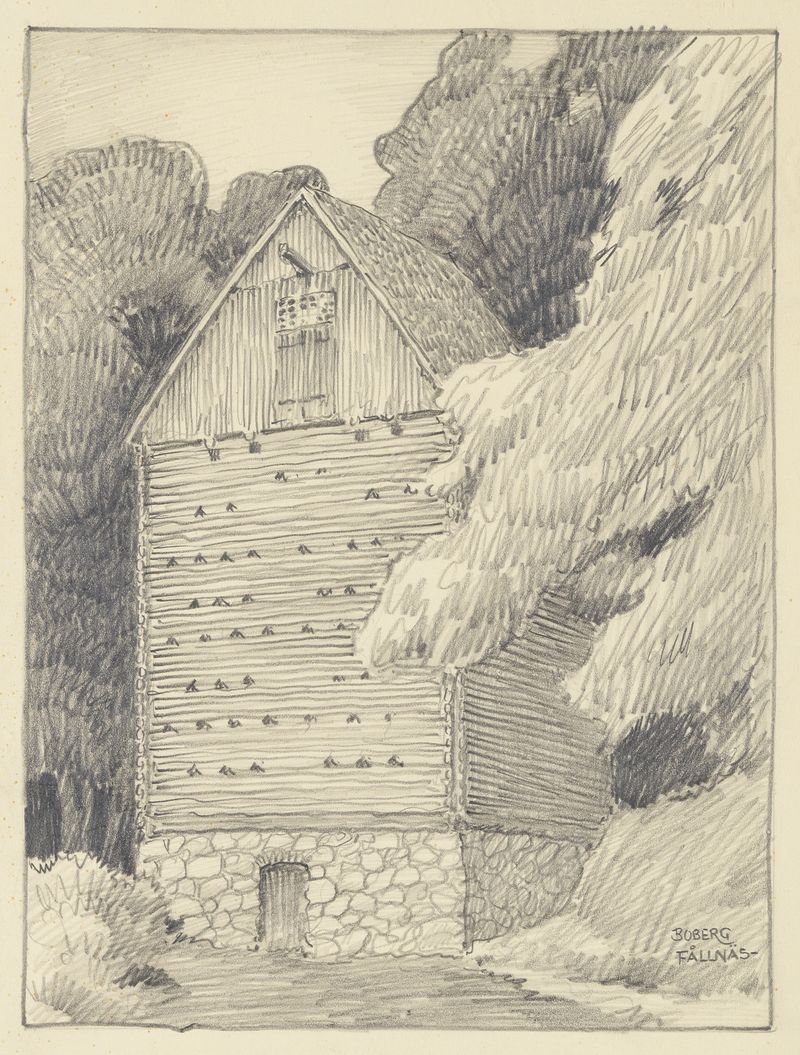
Fållnäs
Ferdinand Boberg
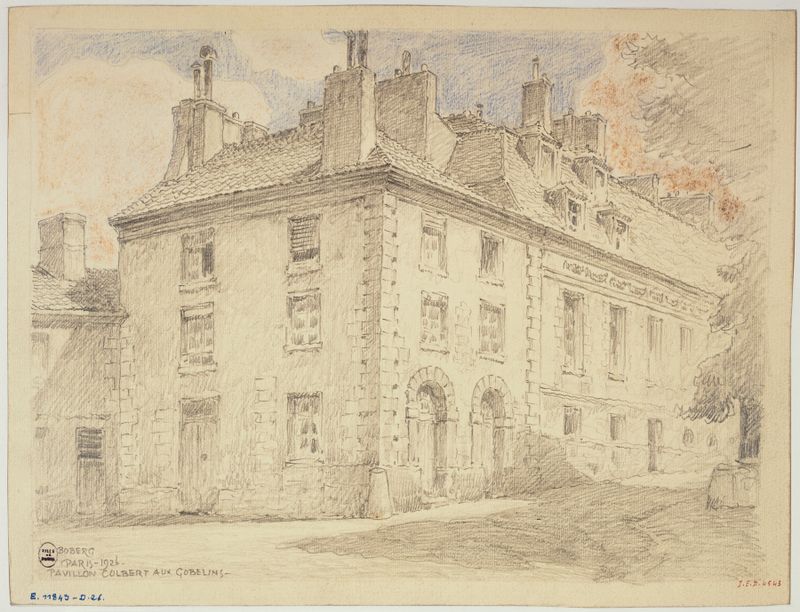
Le pavillon Colbert aux Gobelins
Ferdinand Boberg
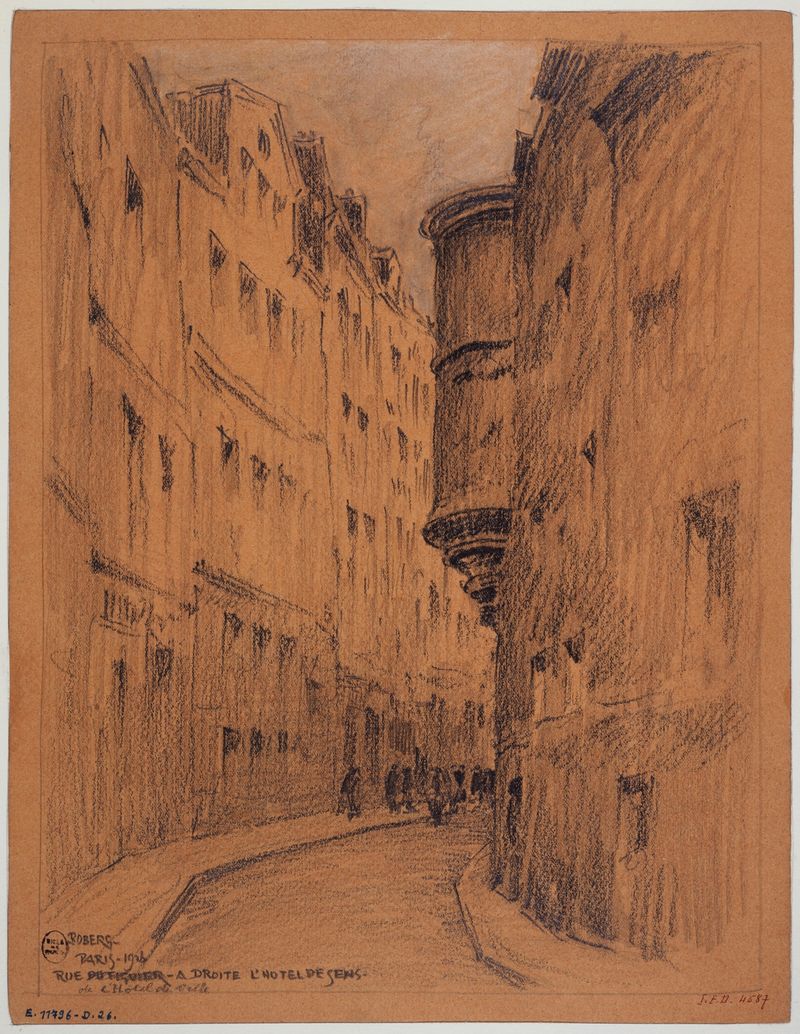
Rue de l’Hôtel de Ville; l’hôtel de Sens
Ferdinand Boberg
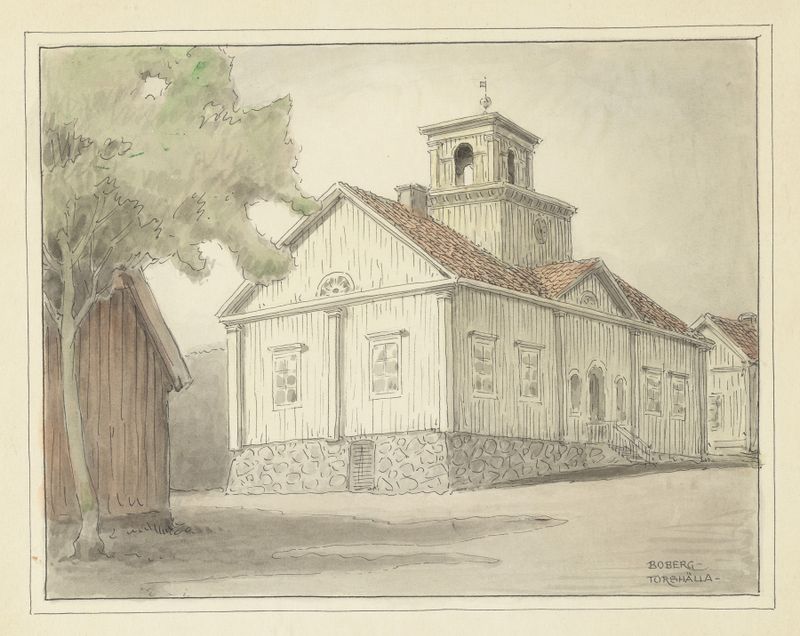
Torshälla
Ferdinand Boberg
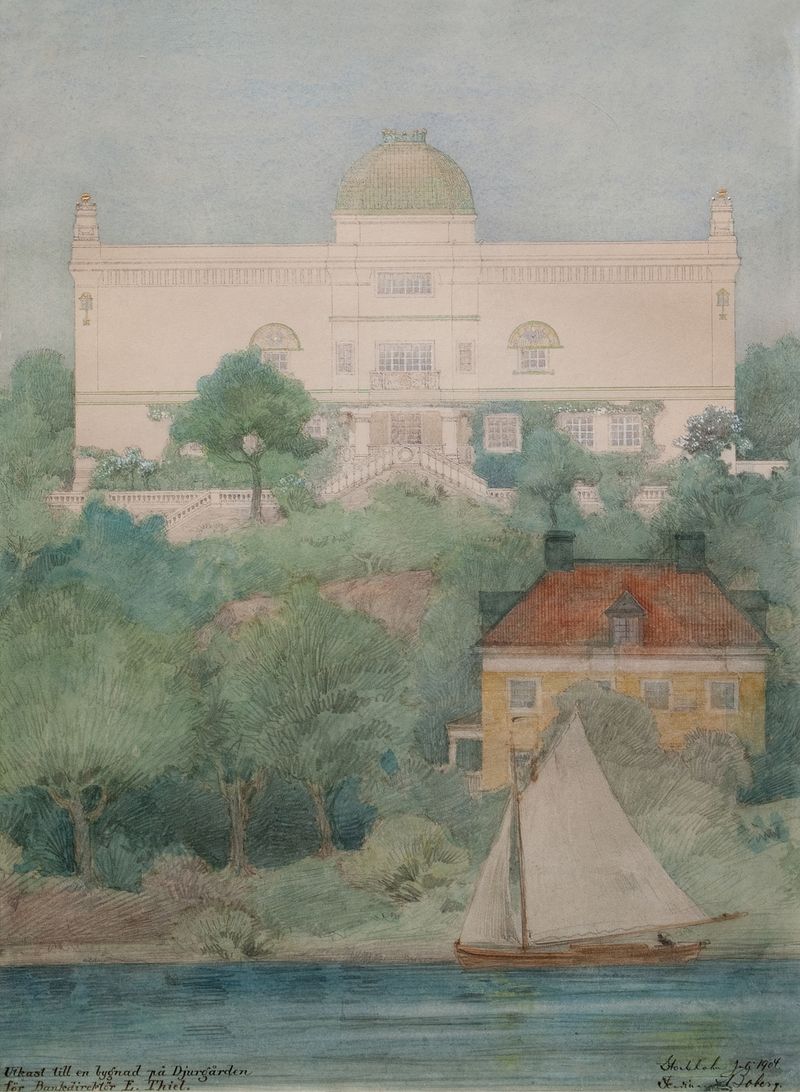
Sketch for a building for Thiel’s Gallery
Ferdinand Boberg
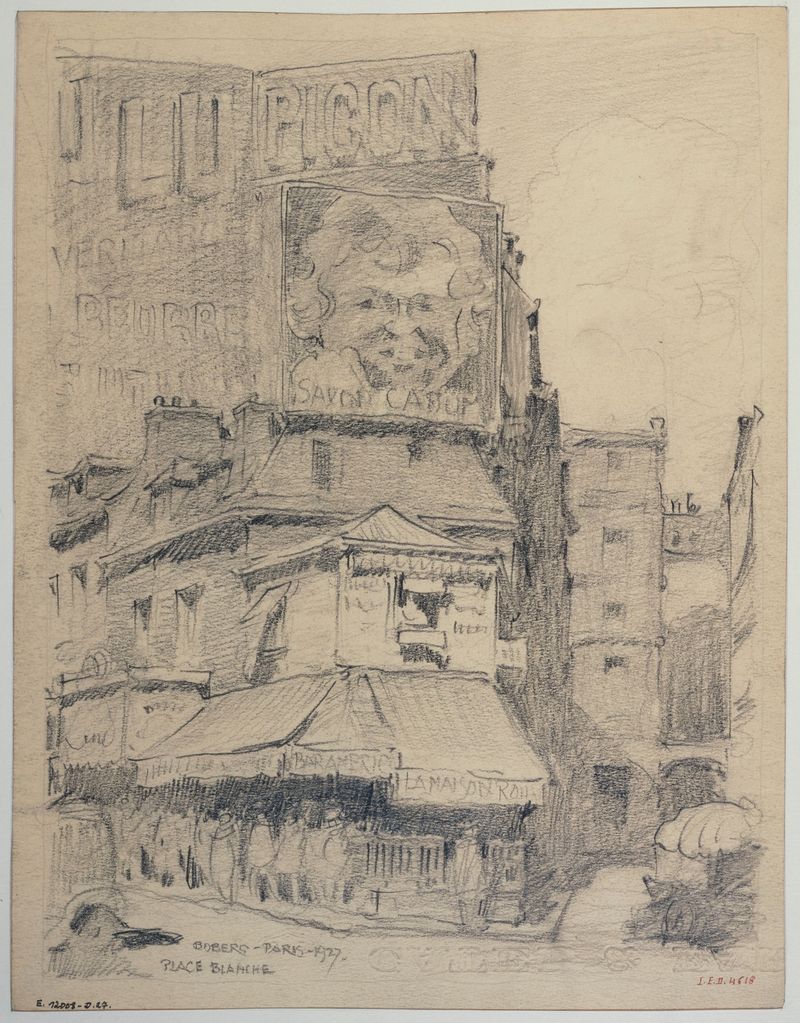
La place Blanche
Ferdinand Boberg





